
Impact of GDP on Ecosystems: Expert Insights
GDP growth drives ecosystem degradation through resource extraction, pollution, and biodiversity loss, yet conventional metrics ignore these ecological costs, creating unsustainable economic systems.
The Future of Green Economy: A Professor’s Insight
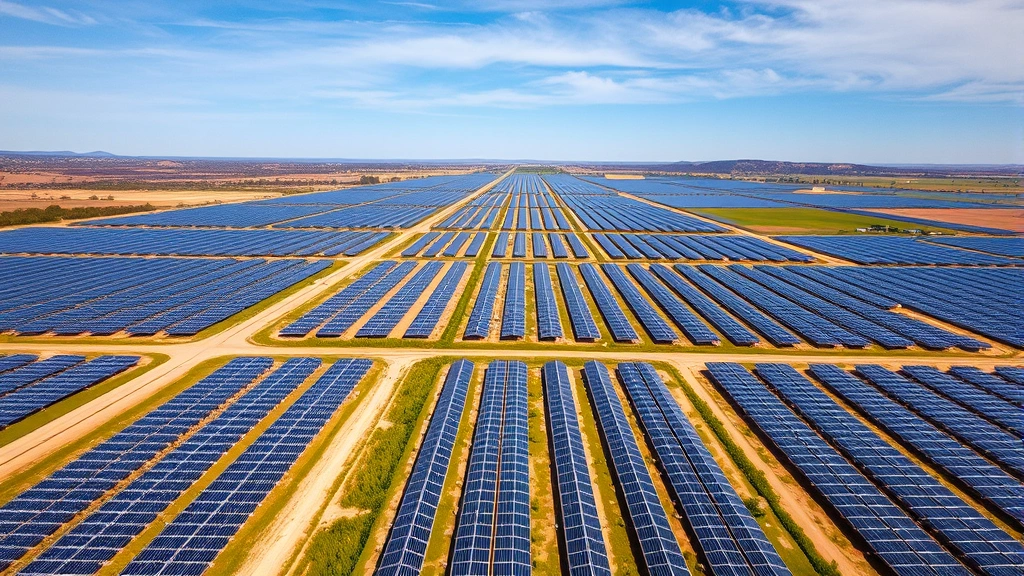
The green economy reshapes economic models to integrate ecological sustainability, representing a paradigm shift from resource extraction to value creation within planetary boundaries.
Agile in Economics: Boosting Ecosystems’ Health?
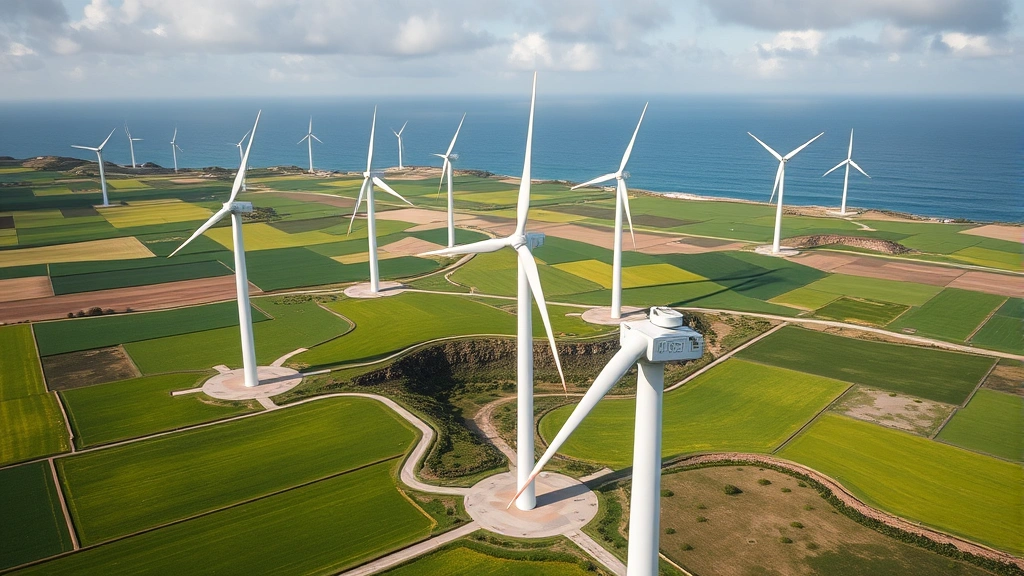
Agile methodologies from software development offer promising frameworks for ecological economics. By emphasizing iterative cycles, rapid feedback, and adaptive management, agile approaches help balance economic growth with ecosystem health and resilience.

3D Biomes: Revolutionizing Ecosystem Models
3D biome models revolutionize ecosystem understanding by capturing vertical stratification and microclimatic variation invisible to traditional 2D approaches, enabling more efficient conservation and climate policy.

Boosting GDP: Ecosystem Services Explored
Ecosystem services generate trillions annually through pollination, water purification, climate regulation. Integrating natural capital into GDP reveals true economic value and drives sustainable prosperity.
How GDP Growth Impacts Ecosystems: Study Insights
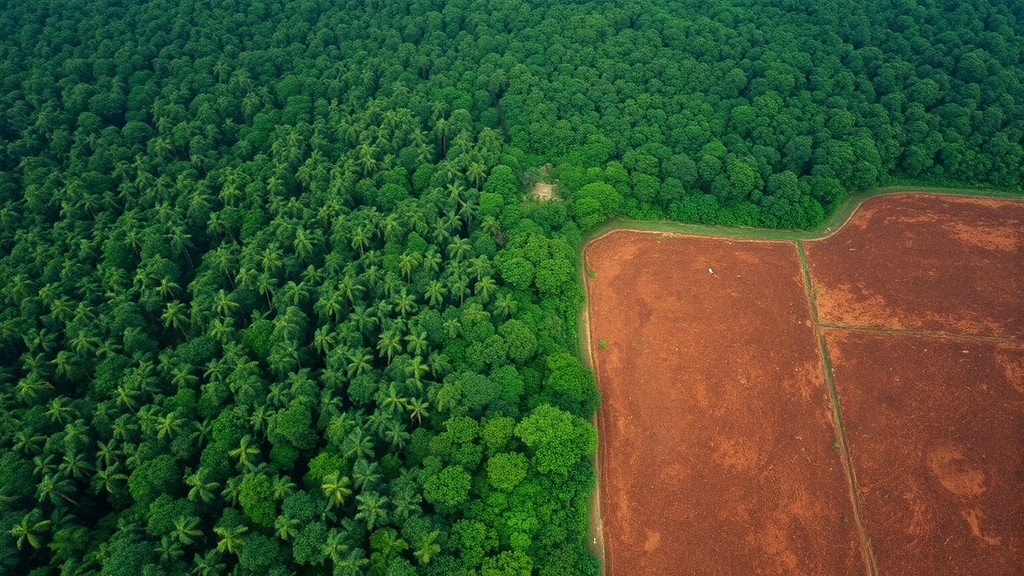
Economic growth measured by GDP frequently correlates with ecosystem degradation, biodiversity loss, and environmental instability. Recent research challenges assumptions that growth benefits human welfare when ecological systems collapse.

Flies’ Environmental Role: Expert Insights
Flies provide essential ecosystem services: nutrient cycling, pollination, pest control. Over 150,000 species regulate food webs and indicate environmental health.

Ants Boost Soil Health: A Scientific Overview
Ants fundamentally reshape soil structure, nutrient cycling, and microbial communities across ecosystems. These tiny engineers enhance water infiltration, concentrate nutrients, and support plant growth through sophisticated ecological mechanisms.

Non-living Ecosystem Factors: A Detailed Guide
Non-living ecosystem parts called abiotic factors—temperature, water, soil, light, atmosphere—form the physical foundation enabling life. Understanding these critical components reveals how ecosystems function and why their degradation threatens global economies and food security substantially.
Water Services’ Impact on Economy: A Deep Dive
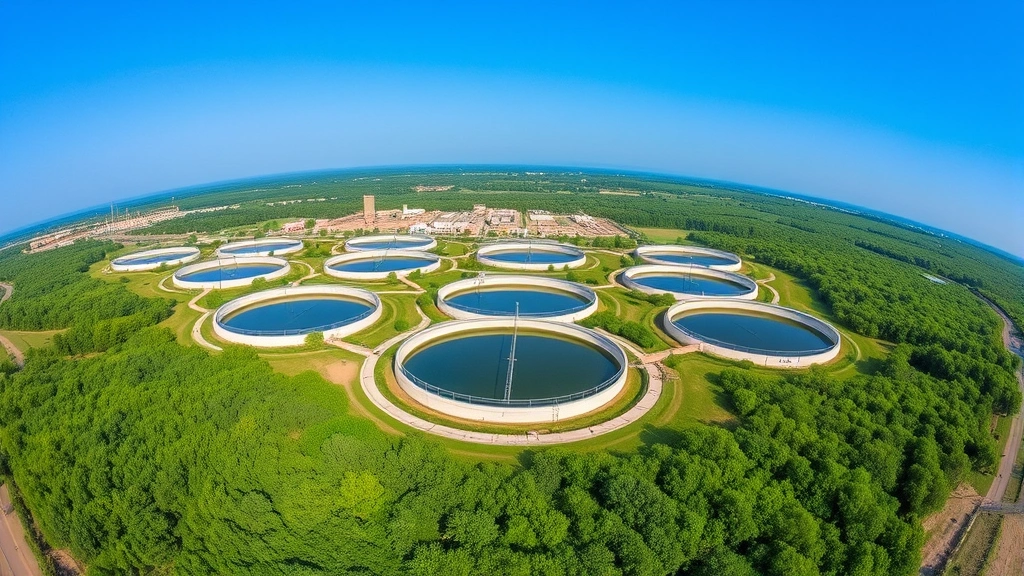
Water services generate 4-12 dollars in economic returns per dollar invested, supporting agriculture, industry, and health. Discover the economic impact of water infrastructure.