
Understanding EIA Reports: Expert Insights
Environmental Impact Assessment reports systematically evaluate project consequences on ecosystems and communities, balancing development with ecological preservation through data-driven analysis.

How Ecosystems Boost Economies: A Study Review
Ecosystems generate $125 trillion annually in services. Research reveals ecosystem protection delivers 5-15:1 economic returns, challenging environment-economy trade-offs.

Ecosystem Services Boost Economy: Study Findings
Recent research reveals ecosystem services generate $125 trillion annually, proving natural systems drive economic prosperity more than human-made capital. Study findings reshape conservation economics.
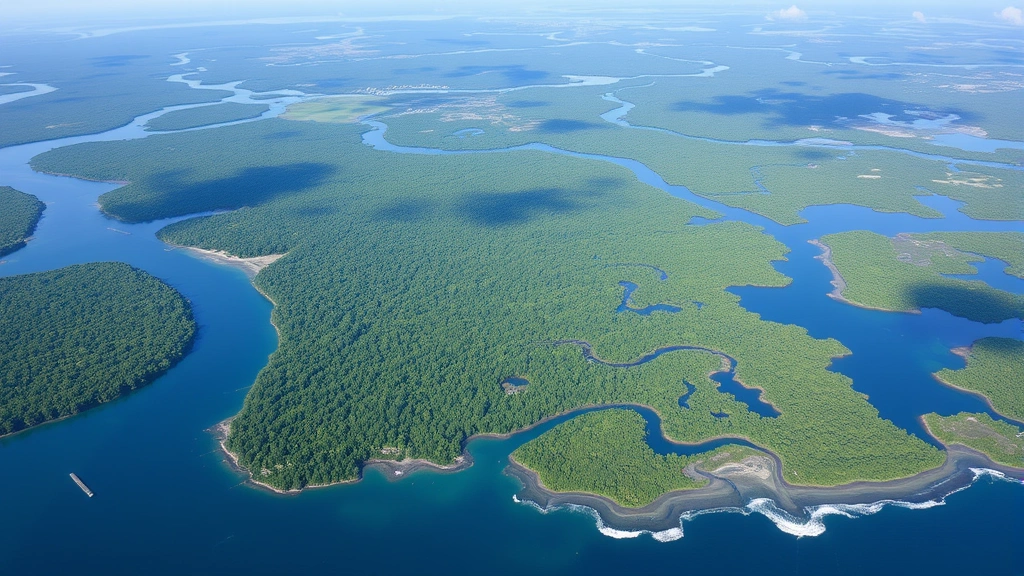
How Do Ecosystems Boost Economies? Expert Insight
Ecosystems generate trillions annually through services that boost economies globally. Explore how ecosystem protection creates employment, mitigates risks, and drives sustainable economic growth.

Can Ecosystems Boost Economies? Latest Findings
Ecosystems generate $125+ trillion in annual economic value through services like pollination, water purification, and carbon storage. Latest research shows ecosystem restoration investments achieve 5-10x returns, making environmental protection economically optimal.

Can Ecosystems Boost Economies? Study Insights
Recent studies reveal thriving ecosystems generate substantial economic returns, with natural capital worth $125-145 trillion annually globally.

Eco Innovation: Environ Planners’ Role Explained
Environmental planners orchestrate sustainable development by integrating ecology, economics, and policy. These professionals design green infrastructure, valuate ecosystem services, and champion eco innovation reshaping industries toward genuine sustainability.

Can Green Companies Boost the Economy? Insights
Green companies drive economic growth through job creation, technological innovation, and capital investment. Renewable energy, electric vehicles, and sustainable manufacturing create competitive advantages while addressing climate change. However, success requires supportive policies, managed transitions, and equitable benefit distribution.
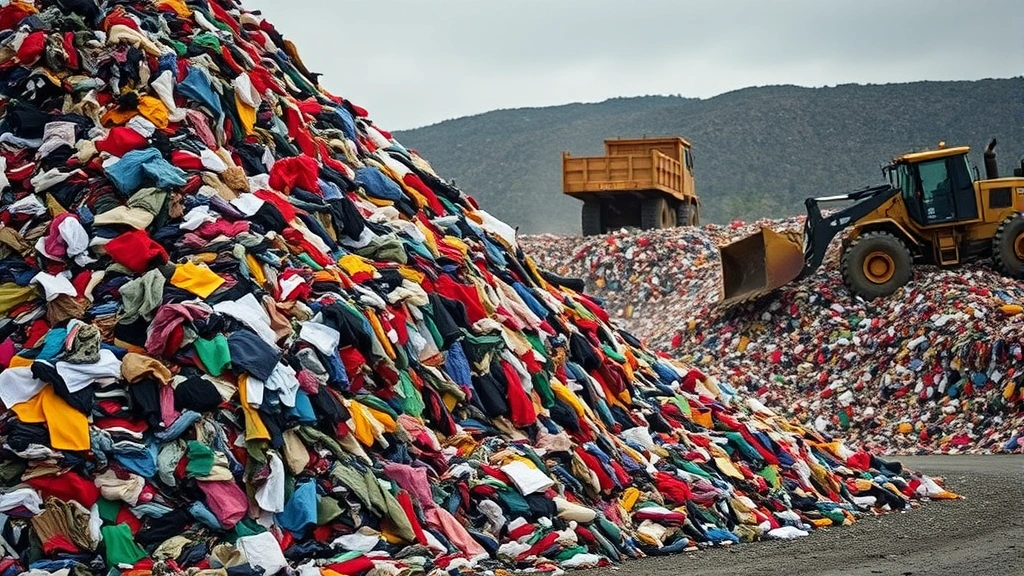
Fast Fashion’s Environmental Impact: In-Depth Study
Fast fashion generates 92 million tons of textile waste annually, consuming 79 trillion liters of water and contributing 10% of global carbon emissions. This in-depth study examines the multifaceted environmental consequences of rapid fashion consumption.

Belgium’s Education Impact on Economy: Study Results
Belgium's education system directly shapes economic productivity and environmental resilience. Recent studies reveal tertiary education generates €285,000 lifetime fiscal benefits per graduate while green skills command 12-18% wage premiums.