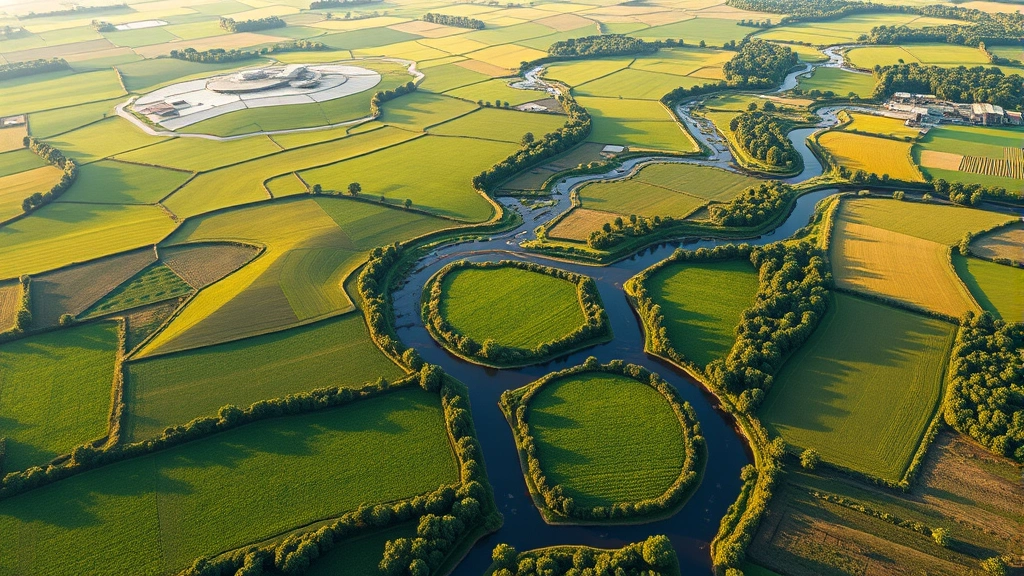
Balancing Economy and Nature: Economist Insights
Discover how leading economists are reframing the economy-nature relationship, revealing that ecological preservation and prosperity are fundamentally interconnected.

Is AI Harmful to Ecosystems? Expert Insights
AI infrastructure consumes massive electricity and water resources while driving resource extraction and ecosystem disruption. Expert analysis reveals environmental costs extending far beyond carbon emissions.

Carbon Tax Benefits for Ecosystems: A Study Review
Carbon taxation creates market incentives that redirect economic activity toward lower-carbon alternatives, delivering measurable ecosystem benefits across energy, forestry, agriculture, and habitat protection domains.

Can Ecosystems Boost Economies? Expert Insights
Ecosystems generate $125+ trillion in annual economic value through services from pollination to climate regulation. Evidence shows environmental protection and economic growth can advance together.

Ecosystems and Economy: A Symbiotic Relationship
Ecosystems and economies form an inseparable symbiotic relationship. Understanding how natural systems provide trillions in services while markets systematically undervalue them is crucial for sustainable prosperity.
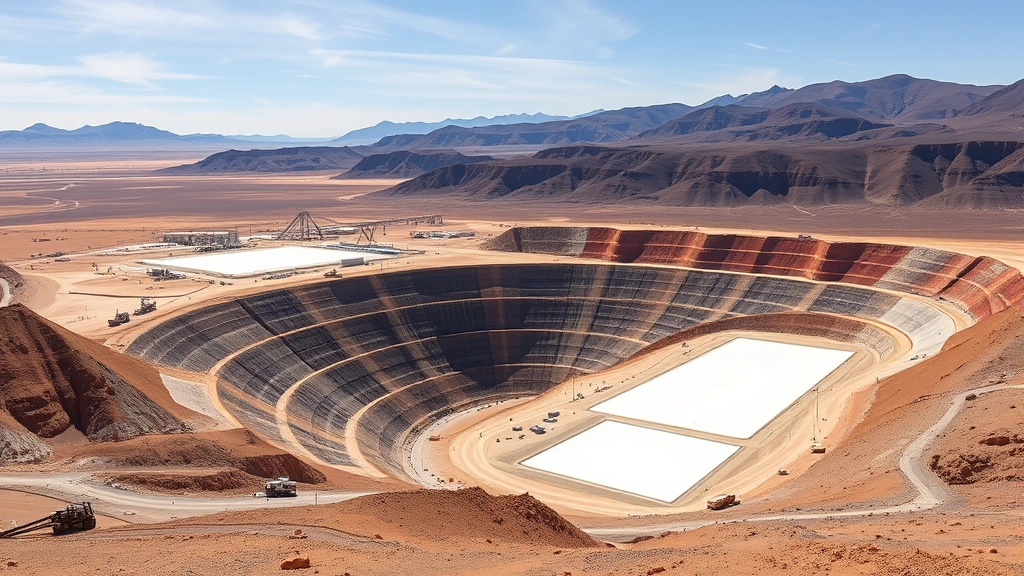
Electric Cars’ Eco Impact: Surprising Facts Unveiled
Electric vehicles face serious environmental challenges from battery manufacturing, mining devastation, and grid decarbonization realities that complicate sustainability narratives.
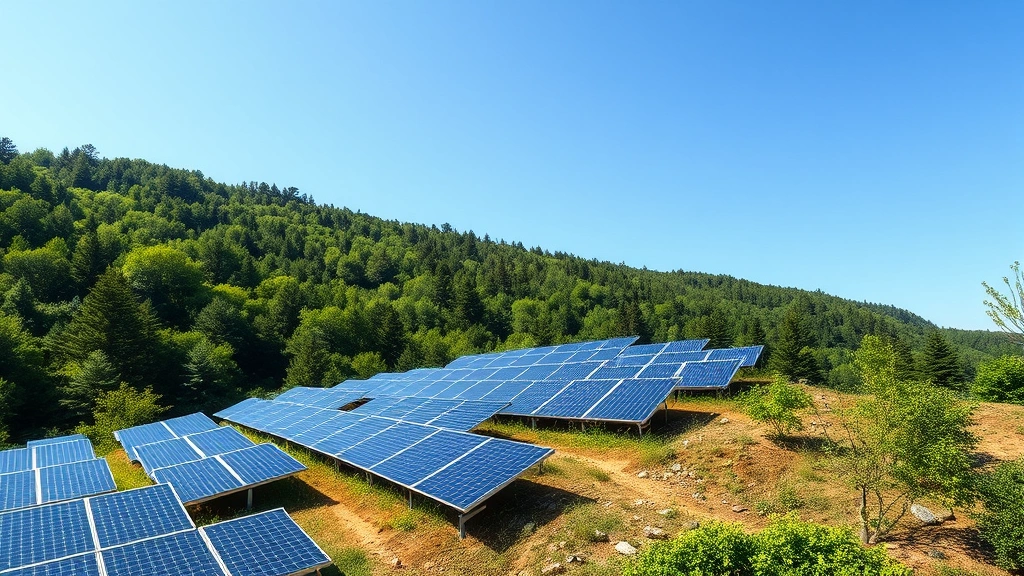
Is Green Economy Sustainable? Economist Insights
Green economy frameworks accelerate environmental transitions yet face fundamental sustainability questions. Empirical evidence reveals decoupling myths, implementation gaps, and persistent ecological degradation despite green investments.

Can Sustainable Economy Boost Ecosystems? Study Insights
Research reveals sustainable economies boost ecosystem recovery: biodiversity increases 12-18%, carbon sequestration accelerates, water quality improves, and employment grows in green sectors.

Monocular SLAM for Dynamic Areas: New Study
WildGS-SLAM combines monocular vision and Gaussian splatting for dynamic environmental mapping, revolutionizing ecological monitoring and sustainable resource management through cost-effective autonomous systems.

Green Investments: Boost for Economy & Ecosystem?
Green investments promise economic returns and ecosystem restoration simultaneously. But do they deliver? Analysis reveals complex trade-offs, implementation challenges, and genuine opportunities.