
Impact of Economy on Ecosystems: Study Insights
Economic growth typically increases resource extraction and habitat loss while degrading ecosystems. Study insights reveal fundamental misalignment between GDP metrics and ecological outcomes.

Eco-Friendly Car Rentals: Industry Insights
Eco-friendly car rentals represent fundamental industry transformation driven by declining battery costs, regulatory mandates, and economic optimization. Analysis reveals positive return on investment within 4-6 years.
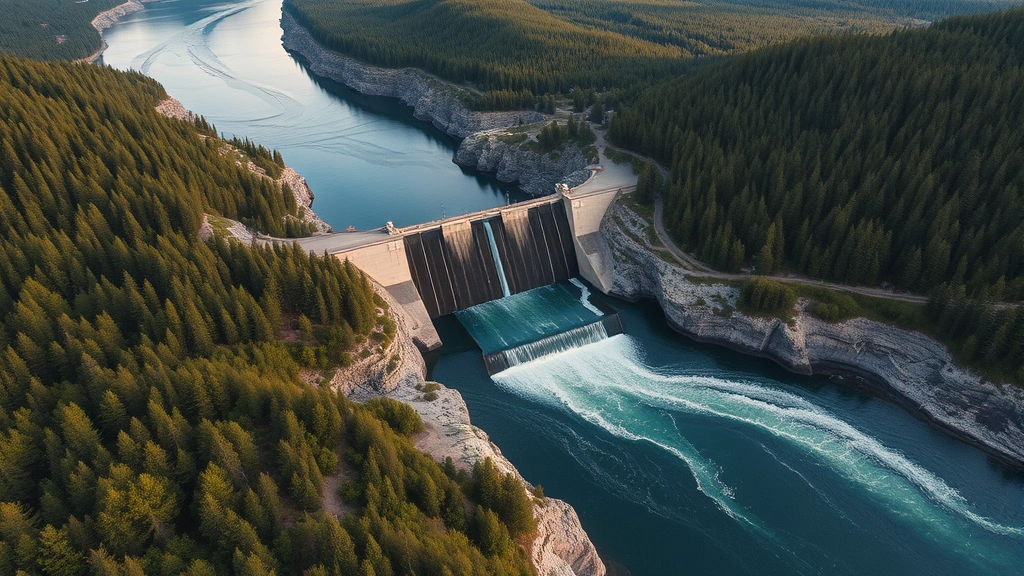
How Engineering Impacts Ecosystems: Expert Insights
Engineering profoundly shapes ecosystems through infrastructure, dams, energy production, and pollution. Ecological engineering offers sustainable solutions integrating human needs with environmental integrity.

Can Ecosystems Boost the Economy? Expert Insights
Ecosystems generate $125 trillion in annual economic value through services including pollination, water filtration, climate regulation, and coastal protection. Expert research demonstrates that ecosystem protection and economic growth can align when policies internalize environmental values.

Linux’s Role in Sustainable Economy: Analyst Insights
Linux desktop environments extend hardware lifecycles and reduce energy consumption, creating measurable sustainability and economic benefits through dematerialization and circular economy principles.

Impact of Designed Environments on Economy: Study
Designed environments—intentionally created physical spaces—drive measurable economic growth through productivity gains, capital allocation, innovation clustering, and health improvements. Strategic investments yield 4:1 to 6:1 returns.

Designing Economies for Nature: Analyst Insights
Ecological economists demonstrate that sustainable prosperity requires redesigning economies to align with natural systems rather than exploiting them, integrating natural capital accounting, circular models, and ecosystem service payments.
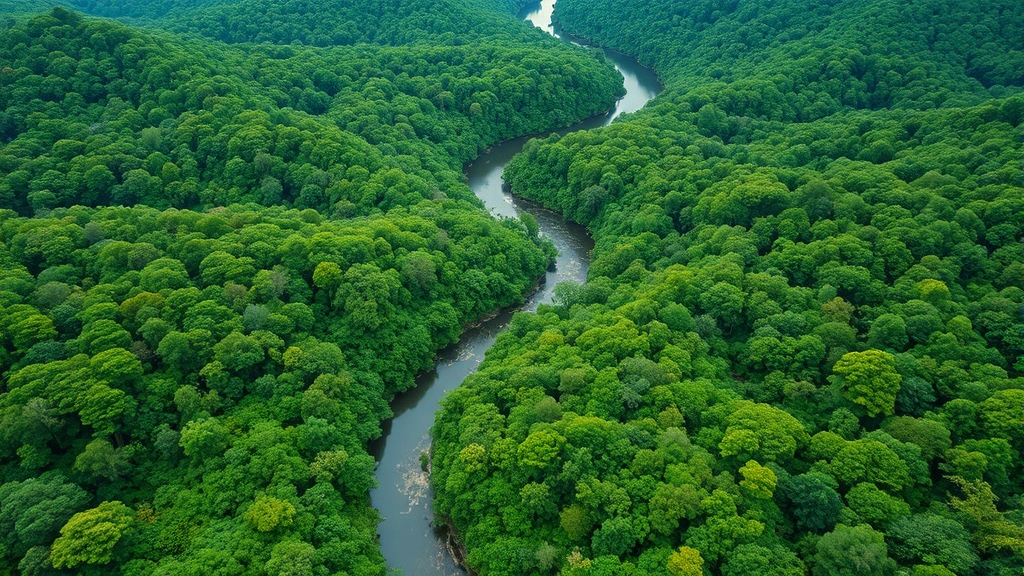
Economy vs Ecosystem: Balance or Conflict? Analysis
Economy and ecosystem aren't opposing forces—they're interdependent systems. Discover how ecological integration drives sustainable prosperity and why balance is essential.

Desalination’s Eco Impact: A Misunderstood View?
Desalination provides critical freshwater but generates substantial environmental impacts including energy consumption, brine discharge, marine ecosystem disruption, and habitat degradation requiring serious mitigation.

Depositional Environments: Key to Economic Resources
Depositional environments shape Earth's most valuable economic resources, from petroleum to minerals. Understanding these sedimentary systems is critical for sustainable resource management.