
Blue’s Clues: Eco Lessons for Kids, Expert Insights
Blue's Clues teaches environmental literacy through spatial exploration and problem-solving. Expert analysis reveals how children's media shapes ecological awareness and environmental behavior.

Why Ecosystem Services Boost Economies: Study Insights
Ecosystem services generate $125 trillion annually—nature's economic value dwarfs GDP. Research shows conservation investments yield 7-15x returns through carbon sequestration, water purification, pollination, and climate regulation.

Linux and Economic Growth: Analyst Insights
Linux infrastructure reduces technology costs while enabling economic growth through open-source adoption, improving productivity and environmental sustainability across developing and developed economies.

Can Biodiversity Boost Economy? New Study Reveals
New research reveals biodiversity conservation generates substantial economic returns, with ecosystem services valued at $125 trillion annually. Study shows ecological protection outperforms extraction industries when properly quantified.

Can Eco-Friendly Policies Boost Economies? Study Shows
Emerging research reveals eco-friendly policies generate robust economic returns through job creation, innovation, and health improvements, challenging the false choice between environmental protection and prosperity.

Is Green Economy Sustainable? Economist Insights
Green economy promises sustainable growth, yet economists debate whether it genuinely addresses ecological crises or merely rebrands extractive capitalism while maintaining unsustainable expansion imperatives.

Balancing Economy & Ecosystems: Expert Insights
Balancing economic prosperity with ecosystem health requires integrated frameworks valuing natural capital, pricing environmental externalities, and measuring genuine progress beyond GDP growth metrics.

Can Economy Thrive in Aversive Work Environments?
Aversive work environments undermine economic productivity through health costs, reduced innovation, and human capital depletion. Sustainable prosperity requires improving workplace conditions.
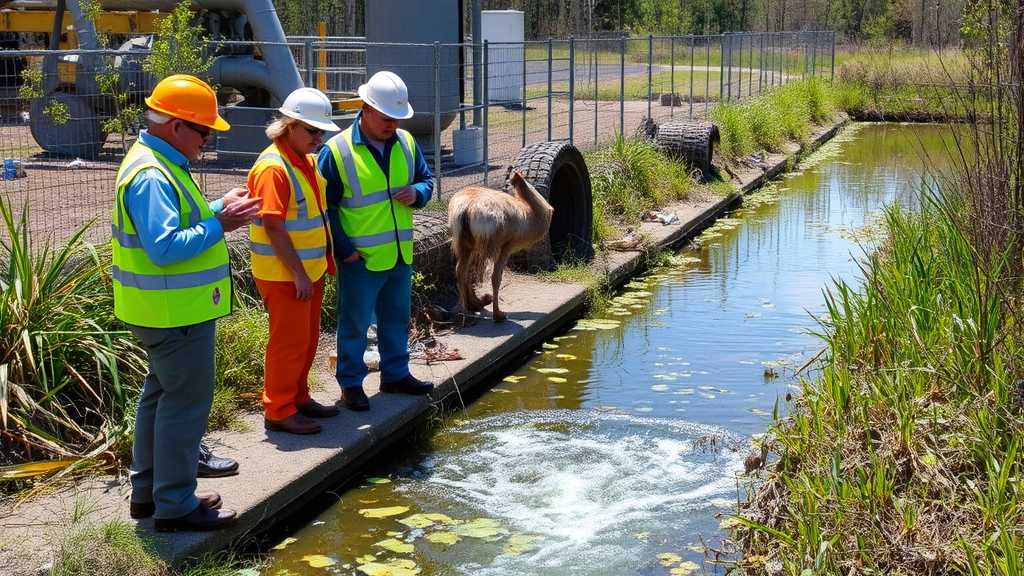
How Environmental Audits Save Ecosystems: Study
Environmental audits systematically evaluate organizational impacts on ecosystems, enabling data-driven interventions that prevent degradation and restore biodiversity while reducing costs through efficiency improvements.

Atomic Simulation’s Role in Economy: A Deep Dive
Atomic simulation environments transform industrial economics by replacing expensive experimentation with computational design, reducing costs 50-90% while accelerating innovation across pharmaceuticals, energy, and materials.