How Do Ecosystems Impact Economy? Research Insights
The relationship between ecosystems and economic systems represents one of the most critical yet underexplored dimensions of modern economic policy. For decades, conventional economics treated natural capital as an infinite resource with negligible scarcity value. Contemporary research reveals a starkly different reality: ecosystem services generate an estimated $125 trillion in annual global economic value, yet our accounting systems systematically ignore this contribution. When forests are cleared, wetlands drained, or fisheries collapsed, GDP often records these as economic gains rather than catastrophic losses of natural capital.
Understanding how ecosystems impact the economy requires moving beyond traditional metrics that exclude environmental degradation from economic calculations. Ecological economics—an interdisciplinary field integrating environmental science, economics, and systems thinking—demonstrates that economic activity fundamentally depends on healthy ecosystems. This research-driven analysis examines the mechanisms through which ecosystem health directly influences economic productivity, resilience, and long-term prosperity.
Ecosystem Services and Economic Value
Ecosystem services represent the direct and indirect contributions of ecosystems to human economic welfare. These services fall into four primary categories: provisioning services (food, water, raw materials), regulating services (climate regulation, water purification, pollination), supporting services (nutrient cycling, soil formation), and cultural services (recreation, spiritual value, aesthetic appreciation).
Research from the United Nations Environment Programme quantifies these contributions with remarkable precision. Pollination services alone—provided by wild bees, birds, and other organisms—generate approximately $15 billion annually in agricultural productivity across global markets. Yet farmers rarely compensate ecosystems for this service. Similarly, natural water filtration systems in wetlands and forests provide purification services that would cost municipalities billions to replicate through technological infrastructure.
The economic paradox emerges clearly: ecosystems provide irreplaceable services, yet market prices fail to reflect their true value. A hectare of tropical rainforest might generate $2,000 in timber revenue if logged, but provides $6,000 in annual ecosystem service value through carbon storage, water regulation, and biodiversity support when left intact. This fundamental pricing failure drives ecosystem destruction despite its economic irrationality when full costs are calculated.
Understanding types of environments becomes essential for recognizing their distinct economic contributions. Coastal ecosystems, boreal forests, tropical rainforests, and grasslands each provide specialized services with unique economic implications. Coastal wetlands protect against storm damage while supporting fisheries; boreal forests store carbon while providing timber; tropical rainforests harbor pharmaceutical compounds and genetic resources alongside carbon sequestration.
Natural Capital in Economic Systems
Natural capital encompasses all environmental assets—forests, fisheries, mineral deposits, freshwater systems, soil, and atmosphere—that generate flows of goods and services. Classical economics distinguished between natural, human, and manufactured capital; ecological economics recognizes that manufactured capital depends entirely on natural capital, not vice versa.
This dependency relationship creates profound economic implications. The World Bank estimates that natural capital comprises 26% of total wealth in low-income countries, 20% in middle-income countries, and 2% in high-income countries. This distribution reflects not resource abundance but accounting methodology: wealthy nations have converted natural capital into manufactured and human capital, often by exploiting resources elsewhere globally.
When we examine definitions of environment and environmental science, the economic dimension becomes inseparable from ecological understanding. Environmental science reveals that ecosystem degradation follows predictable trajectories: initial extraction generates revenue, but declining yields eventually produce negative returns. Fisheries provide the clearest example: overfishing generates short-term profits while destroying long-term productive capacity, ultimately collapsing both the ecosystem and the industry.
Natural capital accounting systems—increasingly adopted by national governments—attempt to quantify these relationships systematically. By treating ecosystem assets like manufactured capital, these systems reveal that many nations have experienced substantial wealth decline despite GDP growth. A nation might achieve 3% annual GDP growth while losing 5% of its natural capital annually, resulting in net negative wealth accumulation.
Direct Financial Impacts on Industries
The financial sector increasingly recognizes ecosystem dependence as a material risk factor. Agriculture, fisheries, forestry, tourism, pharmaceutical development, and energy production all depend directly on ecosystem health. Ecosystem degradation creates measurable financial losses across these sectors.
Agricultural productivity demonstrates this relationship empirically. Soil degradation—driven by erosion, salinization, and nutrient depletion—reduces global crop productivity by approximately 0.3% annually. For a sector generating $1.3 trillion in global economic value, this represents $4 billion in annual losses. Insect pollinator decline threatens $15 billion in annual agricultural output. These aren’t theoretical risks; they represent realized financial losses already embedded in commodity prices and farmer incomes.
The fishing industry faces ecosystem constraints even more acutely. Global fish stocks valued at approximately $150 billion face collapse from overfishing. When fish populations decline below sustainable thresholds, catches plummet exponentially. The Grand Banks cod fishery collapse in the 1990s eliminated 40,000 jobs and cost Canada’s economy $2 billion—consequences that persisted for decades. Similar patterns emerge across global fisheries, yet economic incentives continue driving unsustainable extraction.
Tourism economies demonstrate ecosystem value through market mechanisms more directly than most sectors. The Great Barrier Reef generates approximately $3.2 billion annually through tourism and fisheries, yet faces existential threat from ocean acidification and warming. When ecosystems degrade, these financial flows cease abruptly. This direct connection between ecosystem health and revenue makes tourism-dependent economies increasingly aware of ecological constraints on economic performance.
Pharmaceutical development depends entirely on biodiversity. Approximately 25% of modern drugs derive from rainforest plants; yet less than 1% of tropical plant species have been screened for medicinal properties. Ecosystem destruction eliminates potential pharmaceutical compounds worth billions in future development value. The economic loss extends beyond immediate financial calculation to include health outcomes and human welfare impacts.
Climate Regulation and Economic Stability
Climate regulation represents ecosystems’ most economically significant service, yet remains largely unpriced in market systems. Forests, wetlands, grasslands, and ocean ecosystems sequester carbon, moderating atmospheric greenhouse gas concentrations. This service prevents climate destabilization that would impose catastrophic economic costs.
The Stern Review on the Economics of Climate Change quantified climate change impacts: unmitigated climate change could reduce global GDP by 5-20% permanently. Conversely, investing 1% of global GDP in emissions reduction and adaptation would prevent these losses. This calculation reveals that ecosystem-based climate regulation—forests storing carbon, wetlands sequestering methane—provides economic value exceeding the cost of technological alternatives by orders of magnitude.
Deforestation accelerates climate change by eliminating carbon sinks while releasing stored carbon. The Amazon rainforest stores approximately 150-200 billion tons of carbon; ongoing deforestation releases this carbon while eliminating future sequestration capacity. The economic cost of this carbon release—calculated at social cost of carbon estimates of $50-200 per ton—ranges from $7.5 trillion to $30 trillion. Yet deforestation generates only $1-2 billion annually in short-term economic activity.
Climate destabilization creates cascading economic damages across all sectors. Agricultural productivity declines from temperature extremes and precipitation variability. Infrastructure faces damage from extreme weather events, flooding, and drought. Supply chains experience disruption from climate-driven resource scarcity. Insurance markets face unsustainable loss ratios. These costs accumulate globally, disproportionately impacting vulnerable populations and developing economies already dependent on climate-sensitive sectors.
Ecosystem-based adaptation—restoring wetlands, protecting mangrove forests, maintaining watershed forests—provides cost-effective climate resilience. Mangrove restoration costs $3,000-5,000 per hectare but provides storm protection worth $20,000-30,000 per hectare annually. Watershed forest protection costs $500-2,000 annually per hectare but prevents water infrastructure damage worth $10,000-50,000 per hectare. These economic calculations demonstrate that ecosystem conservation often represents the optimal investment for climate adaptation.
Biodiversity Loss and Economic Consequences
Biodiversity loss represents an economic problem of staggering proportions. The Convention on Biological Diversity reports that species extinction rates currently exceed background rates by 100-1,000 times. This represents the sixth mass extinction in Earth’s history, the first caused by a single species—humans—through economic activity.
The economic consequences of biodiversity loss cascade through interconnected systems. Ecosystem function depends on biodiversity; diverse ecosystems prove more resilient to shocks and more productive overall. Research demonstrates that agricultural systems with greater crop genetic diversity achieve higher yields and greater stability. Forest ecosystems with higher species diversity produce greater biomass and carbon sequestration. Fisheries in ecosystems with greater biodiversity prove more resilient to environmental variability.
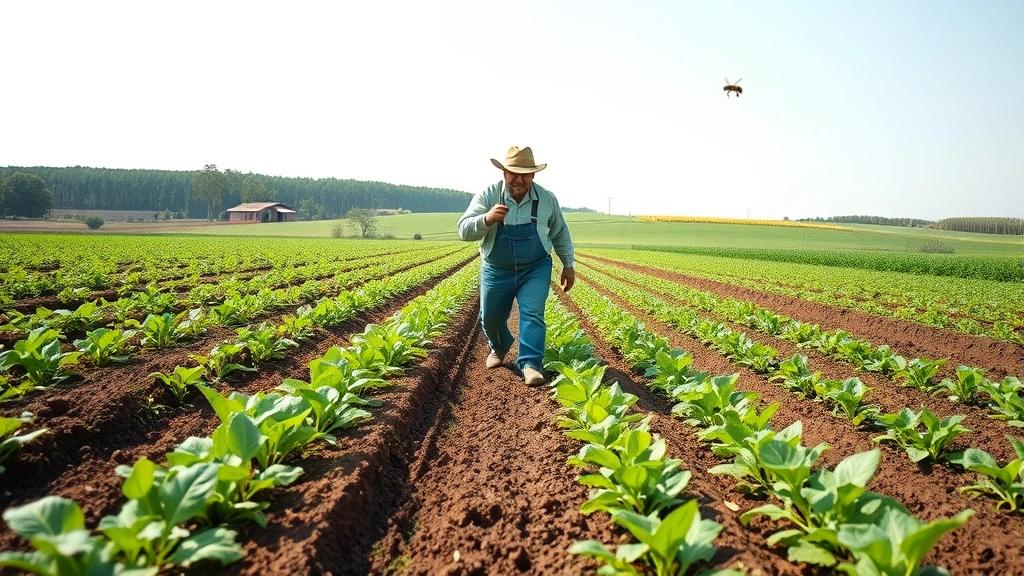
Pollinator decline exemplifies biodiversity loss with direct economic consequences. Wild pollinator populations have declined 75% in some regions; honeybee colonies face parasites and pesticide exposure. As pollinator biodiversity declines, agricultural productivity falls. Crops dependent on animal pollination—almonds, apples, cucumbers, blueberries—face reduced yields and increased production costs. Farmers increasingly rely on expensive honeybee rentals, raising production costs by 10-30%.
Pharmaceutical and agricultural genetic resources face extinction before discovery. Crop wild relatives—ancestral species related to domesticated crops—provide genetic material for breeding disease-resistant and climate-adapted varieties. As habitats disappear, these genetic resources vanish. The economic value of crop genetic diversity in breeding programs exceeds $100 billion annually, yet conservation of wild relatives receives minimal investment.
Ecosystem function collapse represents the ultimate economic consequence of biodiversity loss. When species loss reaches critical thresholds, ecosystem services degrade nonlinearly. A forest might maintain productivity with 50% species loss but collapse suddenly as additional species disappear. This threshold behavior creates economic risk: gradual degradation might appear manageable until abrupt ecosystem collapse eliminates all economic value.
Economic Resilience Through Ecosystem Health
Economic resilience—the capacity to withstand shocks and recover from disruptions—depends fundamentally on ecosystem health. Diversified, healthy ecosystems absorb disturbances without catastrophic failure; degraded ecosystems prove brittle, collapsing under stress.
Supply chain resilience exemplifies this principle. Global supply chains depend on ecosystem services: agricultural production requires water and pollination; manufacturing requires mineral resources and energy; transportation requires stable infrastructure. Ecosystem degradation disrupts each link. Drought eliminates agricultural production; pollinator loss reduces crop yields; deforestation increases erosion, damaging infrastructure; climate instability creates unpredictable disruptions.
Food system resilience proves particularly critical. Global food production depends on stable climate, adequate freshwater, pollinator services, and soil health. Ecosystem degradation threatens each element. A 2019 drought in East Africa reduced agricultural productivity by 50%, creating humanitarian crisis and economic collapse. Similar climate-driven disruptions emerge globally with increasing frequency as ecosystem regulation capacity declines.
Financial system resilience increasingly depends on ecosystem considerations. Asset valuations assume environmental stability; climate change and ecosystem collapse invalidate these assumptions. Stranded assets—investments in fossil fuels, water-intensive agriculture, or climate-vulnerable infrastructure—face value destruction as ecosystem constraints tighten. Forward-looking investors increasingly demand ecosystem risk assessment in valuation models.
Community resilience emerges from ecosystem diversity and health. Indigenous communities managing ecosystems sustainably demonstrate this principle empirically. These communities experience lower economic volatility, greater food security, and higher wellbeing than communities dependent on degraded ecosystems. Their management practices—developed over centuries—maintain ecosystem function while generating economic value. Recognition of indigenous land rights and management practices increasingly appears in economic policy as an evidence-based resilience strategy.
Strategies for reducing carbon footprint and ecosystem impact simultaneously enhance economic resilience. Renewable energy investments reduce climate risk while creating employment. Sustainable agriculture improves soil health while maintaining productivity. Ecosystem restoration creates jobs while rebuilding natural capital. These strategies prove economically optimal when full costs and benefits are calculated, yet remain underinvested due to market failures in environmental valuation.

Policy Frameworks and Implementation
Translating ecosystem-economy research into policy requires frameworks that internalize environmental costs and benefits. Several approaches show promise in aligning economic incentives with ecological sustainability.
Natural capital accounting integrates ecosystem assets into national accounting systems. Countries including Costa Rica, Botswana, and the Philippines now calculate adjusted net domestic product including natural capital depreciation. These calculations reveal that apparent economic growth often masks underlying wealth decline. Policy-makers using these metrics make different decisions than those relying on GDP alone.
Payment for ecosystem services programs create market mechanisms for ecosystem conservation. Programs pay landowners for maintaining forests, wetlands, or grasslands that provide carbon sequestration, water filtration, or biodiversity habitat. Costa Rica’s payment program demonstrates effectiveness: forest coverage increased from 24% in 1987 to 52% today, while payments created rural income and employment. Similar programs operate globally, though funding remains insufficient relative to ecosystem conservation needs.
Carbon pricing mechanisms—carbon taxes or cap-and-trade systems—attempt to price climate regulation services. By assigning monetary value to carbon sequestration, these mechanisms create economic incentives for forest conservation and renewable energy investment. However, current carbon prices typically fall below the true social cost of carbon, limiting effectiveness. Prices of $50-100+ per ton would better reflect true costs; most current programs price carbon at $10-30 per ton.
Sustainable sustainable fashion brands and businesses demonstrate that market-based sustainability proves economically viable. Companies reducing environmental footprint often achieve cost savings, improved brand value, and customer loyalty. However, these businesses remain niche; systemic change requires policy frameworks making unsustainable practices economically uncompetitive.
Subsidy reform represents perhaps the highest-leverage policy intervention. Governments globally provide approximately $700 billion annually in agricultural subsidies that incentivize ecosystem-degrading practices: monoculture production, chemical-intensive farming, deforestation for pasture. Redirecting these subsidies toward sustainable practices would dramatically accelerate ecosystem-economy alignment.
Nature-based solutions increasingly feature in climate and development policy. Mangrove restoration, wetland protection, agroforestry, and ecosystem restoration provide multiple benefits: climate mitigation, adaptation, biodiversity conservation, and livelihood support. These approaches often prove more cost-effective than technological alternatives while delivering co-benefits.
The UNEP Emissions Gap Report emphasizes that achieving climate targets requires ecosystem-based approaches. Protecting and restoring forests, wetlands, and grasslands could provide 37% of required emissions reductions at costs below $100 per ton of CO2 equivalent. This represents perhaps the most cost-effective climate solution available, yet receives only 3% of climate finance.
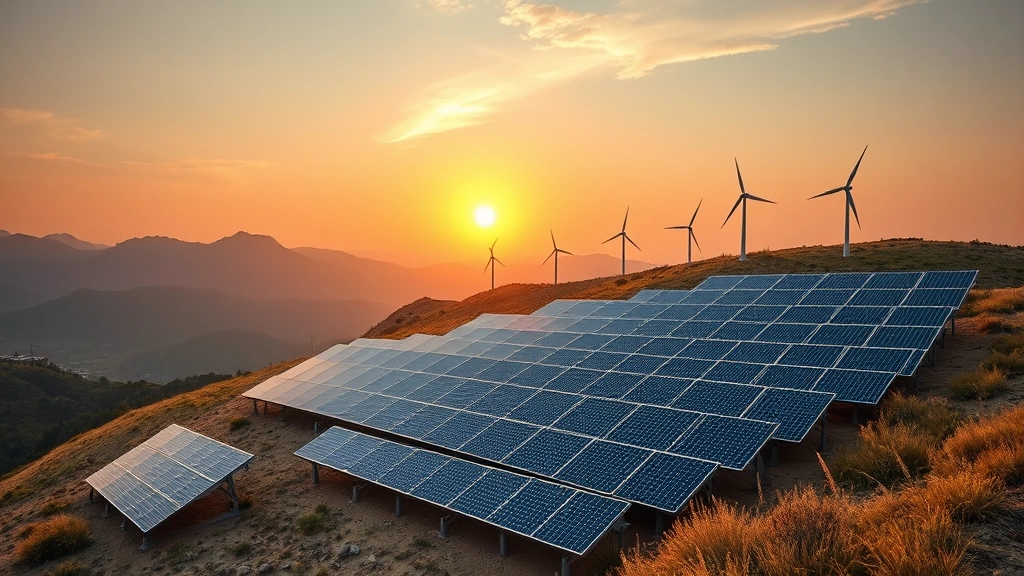
Renewable energy for homes demonstrates how systemic transitions toward sustainability prove economically beneficial. Solar and wind energy costs have declined 90% and 70% respectively over the past decade, now competing with fossil fuels on cost alone. These transitions create employment, reduce health costs from air pollution, and eliminate climate risk. Policy frameworks accelerating energy transition prove economically optimal alongside ecologically necessary.
FAQ
How much economic value do ecosystems provide annually?
Global ecosystem services generate estimated annual economic value of $125 trillion, with wide confidence intervals reflecting valuation methodology differences. This exceeds global GDP of approximately $100 trillion, demonstrating that ecosystem services dwarf human economic production. However, this valuation remains incomplete; many ecosystem services prove impossible to price in monetary terms.
Which industries depend most heavily on ecosystem health?
Agriculture, fisheries, forestry, tourism, pharmaceutical development, and water supply industries depend most directly on ecosystem health. Secondary dependence extends across all industries through supply chains, climate regulation, and workforce health. Virtually no economic sector proves independent of ecosystem function.
Can economic growth continue while ecosystems degrade?
Short-term GDP growth can continue during ecosystem degradation, but long-term economic decline becomes inevitable as natural capital depletes. Economies can temporarily convert natural capital into manufactured capital, but this represents wealth transfer, not creation. When natural capital reaches critical depletion levels, economic collapse often follows rapidly.
What evidence demonstrates ecosystem-economy relationships?
Extensive research documents ecosystem-economy relationships: fisheries collapse following overfishing, agricultural productivity decline from soil degradation, disease outbreaks following biodiversity loss, economic disruption from climate instability. These relationships prove observable, measurable, and predictable. The evidence base supporting ecosystem-economy linkages exceeds that for most economic theories.
How can policy-makers incorporate ecosystem value into decisions?
Policy-makers can adopt natural capital accounting, implement payment for ecosystem services, establish carbon pricing, reform subsidies, and invest in ecosystem restoration. These approaches translate ecosystem value into economic metrics that guide decision-making. Evidence from early adopters demonstrates that ecosystem-inclusive policies prove economically optimal.
What role do indigenous communities play in ecosystem-economy relationships?
Indigenous communities managing 22% of global land area maintain ecosystems more effectively than protected areas or private ownership. Their management practices, developed over centuries, optimize ecosystem function while supporting livelihoods. Recognition of indigenous land rights and knowledge represents both ecological imperative and economic strategy.