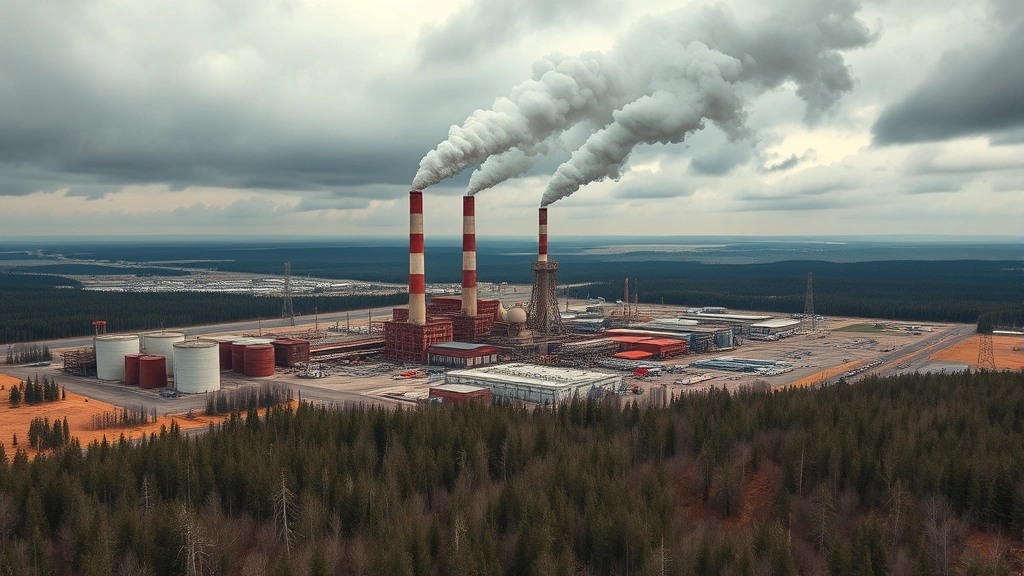
Impact of Economy on Ecosystems: A Deep Dive
The relationship between economic activity and ecological health represents one of the most pressing challenges of our time. As global economies expand and industrial systems intensify, the natural systems that support all life face unprecedented pressure. The environment definition has evolved to encompass not merely physical spaces but complex interconnected systems where economic forces act as primary drivers of environmental change. Understanding how business activities reshape ecosystems requires examining the intricate web of cause and effect that links financial incentives, production systems, and natural resource depletion.
Modern economies operate within a human environment interaction framework that often prioritizes short-term profit maximization over long-term ecological stability. This fundamental misalignment between economic objectives and environmental constraints has generated cascading effects across terrestrial, aquatic, and atmospheric systems. The business environment—characterized by competitive pressures, regulatory frameworks, and investment patterns—shapes which industries thrive and which conservation practices gain traction. This analysis explores the multifaceted mechanisms through which economic systems impact ecosystems, examining both direct extraction processes and indirect consequences of consumption patterns.
Economic Growth and Resource Extraction
Economic development fundamentally depends on extracting natural resources, transforming them into commodities, and distributing products through global supply chains. This extractive model has accelerated dramatically since industrialization, with global material extraction increasing from approximately 27 billion tons annually in 1970 to over 100 billion tons by 2020. The business environment incentivizes accessing the most accessible and profitable resources first, often located in biodiverse regions with minimal regulatory oversight.
Fossil fuel extraction exemplifies the destructive potential of resource-focused economics. Coal mining, oil drilling, and natural gas extraction have devastated landscapes across multiple continents. The Amazon rainforest, often called the planet’s lungs, faces systematic conversion to pastureland and agricultural zones driven by economic incentives. Similarly, palm oil plantations have replaced irreplaceable tropical forests, eliminating habitat for endangered species while generating substantial corporate profits. Mining operations create permanent scars on the landscape, generating tailings that contaminate waterways for decades. The World Bank estimates that environmental degradation costs developing nations approximately 4-5% of annual GDP, yet these losses rarely appear in standard economic accounting.
Oceanic resources face equivalent pressure. Industrial fishing fleets, powered by fuel subsidies and market demand, have depleted 90% of large predatory fish populations since 1950. Bycatch mortality affects millions of non-target species annually. Coral reef ecosystems, supporting 25% of marine biodiversity despite covering less than 1% of ocean floor, face bleaching events intensified by warming waters—a direct consequence of carbon dioxide emissions from economic activity. The living environment of countless species depends on resource conservation, yet economic systems treat these as infinite inputs to production processes.
Industrial Production and Pollution Pathways
Manufacturing and industrial processes generate pollution through multiple mechanisms. Air pollution from factories, power plants, and transportation systems causes premature mortality exceeding 7 million deaths annually according to World Health Organization estimates. These emissions—including particulate matter, sulfur dioxide, and nitrogen oxides—damage respiratory and cardiovascular systems while degrading air quality across entire regions. Industrial zones in developing nations often experience air quality levels classified as hazardous, creating public health crises alongside environmental damage.
Water pollution represents an equally severe consequence of industrial production. Chemical manufacturing, textile production, electronics assembly, and pharmaceutical production discharge toxic substances into freshwater systems. Industrial agriculture contributes nitrogen and phosphorus runoff that creates oceanic dead zones—areas with insufficient oxygen to support most aquatic life. The Gulf of Mexico dead zone, driven largely by agricultural runoff from the Mississippi River basin, covers approximately 6,000-7,000 square miles annually. Heavy metal contamination from mining and smelting operations poisons drinking water sources affecting millions globally. Plastic manufacturing and disposal have created massive accumulations in oceans, with microplastics now detected in human bloodstreams, lungs, and placentas.
Soil degradation accompanies industrial agriculture and mining. Industrial farming practices strip soil of organic matter, reduce microbial diversity, and increase erosion rates. Global soil loss reaches approximately 24 billion tons annually, reducing agricultural productivity while eliminating carbon storage capacity. Mining operations remove topsoil entirely, requiring centuries for natural regeneration. These impacts reduce the business environment’s long-term productive capacity while transferring ecological costs to future generations who inherit degraded landscapes.

Agricultural Intensification and Biodiversity Loss
Agriculture represents humanity’s most extensive land use, covering approximately 40% of terrestrial surface. Economic pressure to maximize yields through intensification has transformed agricultural systems into simplified monocultures dependent on chemical inputs. This approach generates profits for agribusiness corporations while destroying the ecological complexity that natural systems require.
Pesticide and herbicide application kills non-target organisms essential for ecosystem function. Pollinator populations—bees, butterflies, and other insects—have declined 75% in biomass over recent decades, directly threatening food security for crops dependent on pollination. Neonicotinoid pesticides, widely used in industrial agriculture, persist in soil and water, accumulating in non-target organisms. The widespread adoption of genetically modified crops designed for herbicide tolerance has intensified chemical application, creating evolutionary pressure for resistant weed species that require ever-increasing chemical doses.
Livestock production, driven by rising global meat consumption tied to economic development, generates 14-18% of global greenhouse gas emissions while requiring vast land areas. Cattle ranching drives deforestation in the Amazon and other biodiverse regions, converting carbon-storing forests into pastureland. Concentrated animal feeding operations generate massive manure accumulations that contaminate groundwater and surface water systems. Animal agriculture consumes approximately 77% of global agricultural land while producing only 18% of global calories, representing an ecologically inefficient use of resources.
The business environment of agriculture prioritizes yield maximization and cost reduction over ecological regeneration. Subsidies for commodity crops and livestock production distort market signals, making extractive practices artificially profitable. Small-scale sustainable farming operations cannot compete economically with industrialized producers despite superior ecological outcomes. This creates a perverse incentive structure where ecosystem damage becomes economically rational from individual business perspectives, despite generating substantial net costs to society.
Climate Economics and Atmospheric Degradation
Climate change represents the ultimate manifestation of economic-ecological misalignment. Global carbon dioxide emissions reached 37.4 gigatons in 2023, driven overwhelmingly by energy production, transportation, manufacturing, and agriculture associated with economic activity. The atmospheric carbon concentration of 420 parts per million exceeds anything experienced in the past 800,000 years, based on ice core analysis.
The business environment of fossil fuel production incentivizes continued extraction despite known climate impacts. Oil, gas, and coal companies have funded climate denial campaigns for decades, delaying policy responses while maximizing extraction profits. Carbon pricing mechanisms remain inadequate relative to actual climate damages. The how to reduce carbon footprint literature emphasizes individual responsibility, yet personal consumption changes cannot address systemic production-driven emissions without structural economic transformation.
Climate impacts cascade through ecosystems with accelerating intensity. Rising temperatures shift species ranges, disrupt breeding cycles, and alter precipitation patterns. Coral bleaching events, intensifying droughts, devastating floods, and expanding wildfire seasons represent direct consequences of atmospheric carbon accumulation. Agricultural productivity faces decline in many regions, threatening food security for vulnerable populations. The economic costs of climate change—estimated at $23 trillion annually by 2050 without mitigation—will vastly exceed investments required for transition to renewable energy and regenerative systems.
Market Failures and Environmental Externalities
Environmental degradation persists because market systems fail to price ecological destruction. Externalities—costs imposed on third parties or future generations—remain external to business decision-making. A factory polluting a river imposes costs on downstream communities and aquatic ecosystems while capturing profits for shareholders. Standard economic accounting treats this as acceptable if pollution remains below regulatory thresholds.
This fundamental market failure generates systematic overproduction of environmentally destructive goods. Cheap products reflecting only direct production costs underestimate true costs when accounting for ecosystem damage, public health impacts, and resource depletion. The blog home section of environmental economics literature documents how conventional GDP measurements treat resource depletion as income rather than capital loss—equivalent to counting liquidated savings as profit.
Ecological economics, developed by scholars including Herman Daly and Georgescu-Roegen, challenges neoclassical assumptions about infinite substitutability and resource availability. This framework recognizes biophysical limits and emphasizes that economies remain embedded within finite ecosystems. UNEP environmental economics research increasingly incorporates ecological constraints into policy analysis, though mainstream economic institutions remain resistant to fundamental paradigm shifts.
The business environment reflects these market failures through persistent underinvestment in pollution control and resource conservation. Companies operating in competitive markets face pressure to externalize costs wherever regulatory oversight remains weak. This creates a race to the bottom where firms relocating to jurisdictions with minimal environmental enforcement gain competitive advantages. Addressing these failures requires internalizing externalities through carbon pricing, resource taxes, and ecosystem service valuation.
Circular Economy Solutions and Ecosystem Recovery
Circular economy frameworks represent attempts to restructure production systems to minimize resource extraction and waste generation. Rather than linear extraction-production-disposal models, circular approaches emphasize material recovery, product longevity, and regenerative design. This business environment model maintains profitability while reducing ecological throughput.
Successful circular economy implementations include industrial symbiosis networks where waste products from one facility serve as inputs for another, eliminating disposal costs while reducing extraction. Extended producer responsibility policies require manufacturers to manage end-of-life product disposition, incentivizing durable design and material recovery. Remanufacturing industries recover and refurbish products, extending useful life while maintaining employment. World Bank circular economy initiatives document cost savings alongside environmental benefits, demonstrating that ecological sustainability need not reduce economic output.
Regenerative agriculture practices restore soil health, increase carbon sequestration, and enhance biodiversity while maintaining or increasing yields over time. Agroforestry systems integrate trees with crops and livestock, creating productive landscapes that mimic natural ecosystem complexity. Rotational grazing management restores grassland ecosystems while improving soil carbon storage. These approaches require initial investment and knowledge development but generate long-term productivity gains and reduced input costs.
Ecosystem restoration projects demonstrate recovery potential when economic pressure ceases. Reforestation initiatives sequester carbon while restoring habitat. Wetland restoration increases flood resilience and water purification capacity. River restoration allows fish migration and improves water quality. These interventions require upfront investment but generate ecosystem services worth multiples of restoration costs. The business environment increasingly recognizes ecosystem restoration as profitable long-term investment rather than charitable expense.

Policy Mechanisms for Economic-Ecological Integration
Addressing economic-ecological misalignment requires policy mechanisms that align business incentives with ecological constraints. Carbon pricing through taxes or cap-and-trade systems internalizes climate costs, making renewable energy and efficiency investments economically rational. OECD environmental policy analysis demonstrates that well-designed carbon pricing generates substantial emissions reductions while maintaining economic growth.
Biodiversity offsetting policies require developers to compensate for ecosystem damage through restoration elsewhere, though critics note this approach often fails to achieve no-net-loss outcomes due to monitoring difficulties and ecological complexity. Payment for ecosystem services programs directly compensate landowners for conservation activities—forest protection, wetland preservation, pollinator habitat creation. These mechanisms can align private incentives with ecological preservation when sufficiently funded and properly monitored.
Regulatory approaches including environmental impact assessments, pollution limits, and protected area designations remain essential despite market-based mechanisms. The business environment responds to clear regulatory requirements by developing compliant technologies and practices. The Montreal Protocol successfully phased out ozone-depleting substances through coordinated regulatory action, demonstrating that international environmental governance can achieve meaningful ecological protection.
Natural capital accounting frameworks attempt to value ecosystem services and integrate them into national accounts. These approaches quantify water purification, pollination, climate regulation, and other ecosystem functions in monetary terms, making ecological destruction visible in economic statistics. Adoption of natural capital accounting by national governments could fundamentally reshape policy priorities by revealing true costs of environmental degradation.
Hostile work environment parallels apply to ecological contexts—systems that prioritize extraction over regeneration create hostile conditions for non-human species and future human populations. Transforming the business environment requires recognizing this hostility and implementing systemic changes that prioritize long-term ecological stability alongside economic prosperity.
FAQ
How do economic systems directly damage ecosystems?
Economic systems damage ecosystems through resource extraction, industrial pollution, agricultural intensification, and greenhouse gas emissions. Fossil fuel combustion, mining operations, industrial agriculture, and manufacturing processes generate pollution while depleting natural capital. These damages remain largely external to business accounting, creating systematic undervaluation of ecological destruction.
What percentage of environmental damage results from economic activity?
Approximately 90% of global biodiversity loss, 80% of greenhouse gas emissions, and virtually all industrial pollution result directly from economic activity. The remaining environmental impacts primarily reflect indirect consequences of human population and consumption patterns driven by economic systems.
Can economic growth occur without environmental degradation?
Decoupling economic growth from environmental impact remains theoretically possible through efficiency improvements and structural transformation toward service-based economies. However, global decoupling has never been achieved at scale—efficiency gains have consistently been offset by increased consumption. Relative decoupling (slower environmental degradation than economic growth) occurs in some wealthy nations but only through offshoring production to developing countries.
What role do consumer choices play in ecosystem protection?
Consumer choices influence market demand but represent insufficient mechanisms for systemic change. Individual consumption reduction cannot address production-driven emissions without structural economic transformation. However, consumer support for sustainable products creates market niches that incentivize business environment shifts toward regenerative practices.
How can businesses operate profitably while protecting ecosystems?
Circular economy models, regenerative agriculture, ecosystem restoration services, and renewable energy production demonstrate profitable business models aligned with ecological protection. Long-term profitability depends on ecosystem stability—businesses cannot succeed indefinitely while destroying the natural systems providing essential resources and services. Transition requires regulatory support and investor recognition of ecological risk to financial stability.


