Branded Environments’ Economic Impact: Study Insights
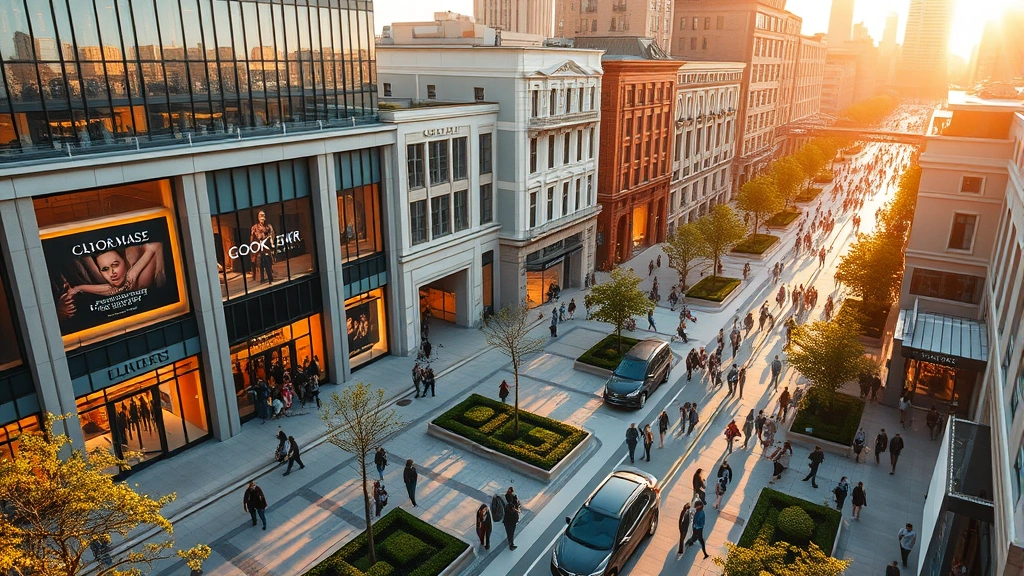
Branded environments represent a sophisticated intersection of marketing strategy, spatial design, and economic value creation that extends far beyond traditional retail spaces. These deliberately crafted ecosystems—from flagship stores and branded hospitality venues to themed entertainment zones and corporate experiential centers—generate measurable economic returns while fundamentally reshaping how consumers interact with brands and their physical surroundings. Recent research reveals that branded environments contribute significantly to global GDP, consumer spending patterns, and workforce development across multiple economic sectors.
The phenomenon of branded environments has evolved from simple retail displays into comprehensive experiential economies that integrate architecture, technology, sustainability considerations, and community engagement. Companies invest billions annually in creating immersive branded spaces that serve as physical manifestations of brand identity, generating direct revenue through sales, service fees, and admissions while producing indirect economic benefits through tourism, employment, and property value appreciation. Understanding the economic mechanisms underlying these environments provides crucial insights into contemporary consumer behavior, corporate strategy, and the future of place-based commerce.
Defining Branded Environments and Economic Scope
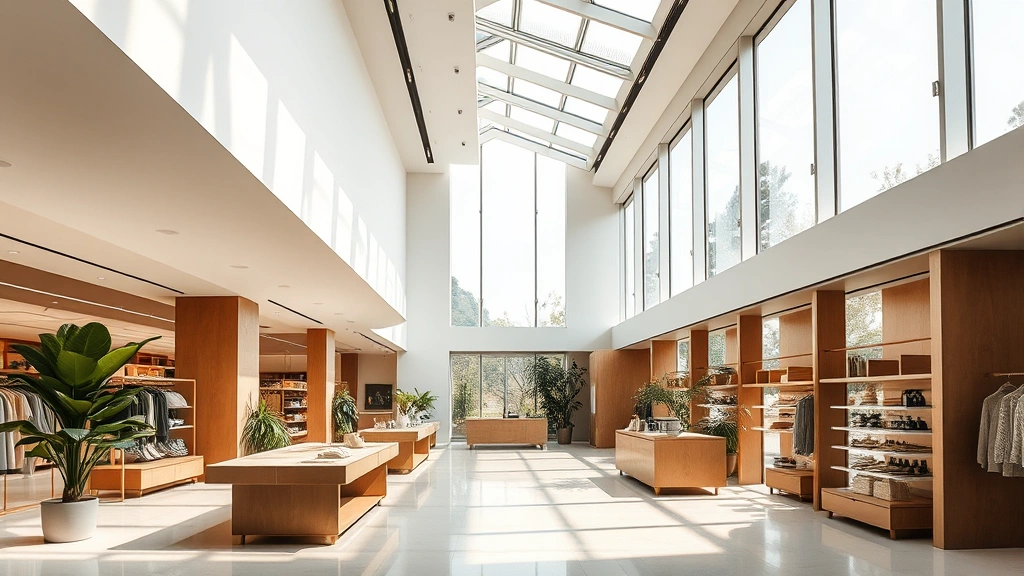
Branded environments encompass purposefully designed physical spaces where corporate or product identities are materially embedded into architecture, landscape, operations, and customer experiences. These range from Apple’s minimalist flagship stores that generate $50+ million annually in individual locations, to Disney’s immersive theme parks producing over $28 billion in global annual revenue, to Nike’s experiential training facilities and Patagonia’s outdoor retail centers. The economic scope extends across retail, hospitality, entertainment, corporate offices, and mixed-use developments that blur traditional industry boundaries.
The foundational economic principle underlying branded environments involves environmental design creating value through psychological and behavioral mechanisms. When consumers enter a carefully orchestrated branded space, they experience atmospheric effects—lighting, acoustics, spatial proportions, material selections—that influence purchase intent, duration of stay, spending patterns, and brand loyalty. Research from the Journal of Retailing indicates that environment-induced positive emotions increase average transaction values by 15-25%, with premium branded environments achieving multipliers exceeding 40% in luxury segments.
Economic measurement of branded environments requires multi-dimensional analysis: direct sales revenue, visitor traffic and conversion rates, rental or franchise income, ancillary revenue streams (dining, merchandise, services), real estate appreciation, employment creation, and broader economic impacts through supply chains and induced spending. The World Bank’s urban development research increasingly recognizes branded environments as significant drivers of city economics, particularly in post-industrial urban regeneration projects.
Direct Revenue Generation Mechanisms
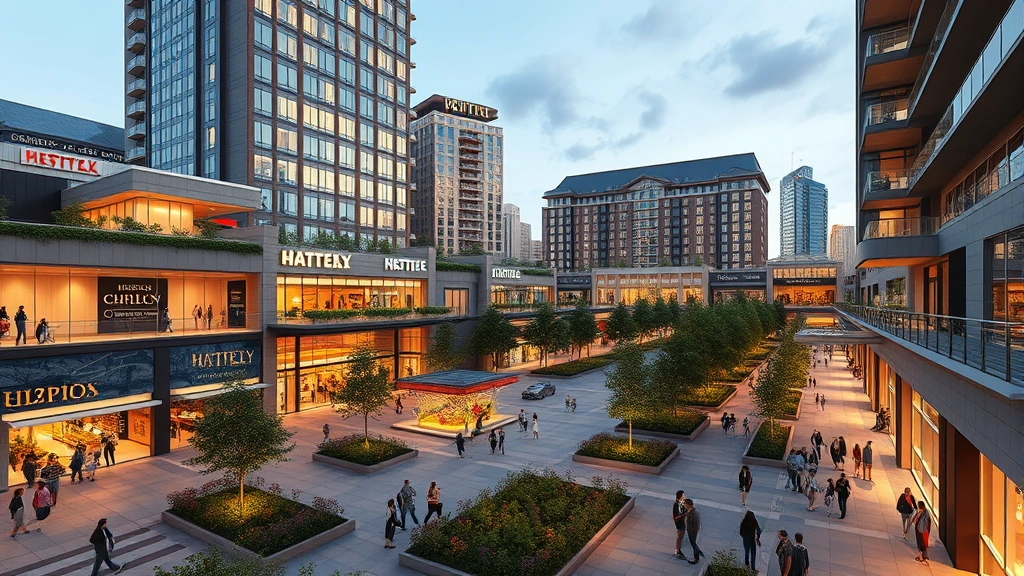
Branded environments generate revenue through multiple interconnected channels that extend well beyond traditional product sales. Primary revenue derives from direct transactions within the space—merchandise sales, food and beverage services, admission fees for experiential attractions, and specialized services. Secondary revenue streams include franchise fees (when brand owners license space to franchisees), rental income from co-tenants and vendors, licensing arrangements, and digital integration services. Tertiary revenues emerge from data collection, consumer insights, and platform economies built within branded environments.
The economic model of flagship retail environments demonstrates substantial financial productivity. Luxury fashion brands maintain flagship stores that function as economic anchors with sales productivity exceeding $3,000-$5,000 per square foot annually—roughly 10 times the productivity of conventional department stores. These spaces recover construction and design investments typically within 3-5 years, then generate continuous profit margins of 25-40%. The financial case strengthens when accounting for brand equity enhancement, consumer data acquisition, and strategic positioning advantages in key markets.
Experiential venues like branded restaurants, entertainment complexes, and corporate experience centers employ sophisticated revenue optimization strategies. McDonald’s branded experience centers in select markets combine retail merchandise, dining, interactive installations, and educational programming to achieve daily visitor traffic exceeding 10,000 visitors and revenue diversification across multiple price points. Luxury hotel brands integrate branded environments into hospitality offerings, creating premium pricing power—branded resort experiences command 30-50% price premiums over comparable unbranded facilities, with margins improving through operational efficiency and customer loyalty concentration.
Technology integration amplifies revenue potential through omnichannel strategies connecting physical and digital branded environments. When customers engage with branded spaces equipped with interactive displays, mobile applications, and data capture systems, companies capture behavioral insights enabling personalized marketing, inventory optimization, and predictive analytics. These capabilities generate secondary revenue through data licensing, targeted advertising, and supply chain optimization.
Employment and Workforce Multipliers
Branded environments function as significant employment generators across multiple skill levels and economic tiers. A large flagship retail environment typically employs 150-300 direct staff members, while major experiential venues employ 500-2,000 individuals. These direct employment numbers multiply through indirect effects as workers spend wages within local economies, and induced effects as businesses supplying branded environments expand operations. Economic multiplier analysis suggests each direct job in branded environments generates 1.5-2.5 additional jobs across broader economic systems.
The employment quality profile of branded environments presents mixed economic implications. Direct positions offer varying compensation: retail and service roles typically earn $25,000-$40,000 annually, while design, management, and technical specialists command $60,000-$150,000+ salaries. Branded environment employment concentrates in metropolitan areas, creating geographic wage premium effects that increase local living costs. However, these positions frequently offer skill development, training programs, and advancement pathways that enhance workforce productivity and human capital accumulation.
The construction and design phase of branded environments generates substantial temporary employment. Major flagship store development requires 200-400 workers across 12-24 month construction periods, while large experiential venues employ 500-1,500 construction workers across 2-4 year development cycles. These construction wages represent significant economic stimulus, particularly in regions with underutilized labor markets. Supply chain employment multiplies further through manufacturing, logistics, and material production supporting branded environment construction and operations.
Workforce skill development represents an underappreciated economic benefit of branded environments. Companies like Starbucks, Ritz-Carlton, and Apple invest heavily in employee training, creating human capital externalities that benefit broader labor markets. Workers trained in customer service, sales techniques, and brand communication develop portable skills enhancing lifetime earnings potential. Economic research suggests branded environment employment increases worker earnings trajectories by 10-15% compared to conventional retail or hospitality employment.
Real Estate Valuation and Property Effects
Branded environments exert substantial influence on real estate markets through capitalization of brand prestige, customer traffic generation, and neighborhood transformation effects. Locations housing flagship branded environments command rental premiums of 30-80% compared to equivalent unbranded retail spaces, with premium luxury brands achieving multipliers exceeding 100%. These rental premiums reflect landlords’ ability to attract high-traffic tenants, reduce vacancy risk, and increase property values through association with prestigious brands.
Property value appreciation represents a critical economic mechanism linking branded environments to broader wealth creation. Research analyzing commercial real estate markets demonstrates that introduction of major branded flagship stores increases surrounding property values by 15-30% within three-year periods. This capitalization effect reflects increased foot traffic, improved neighborhood perception, and agglomeration benefits attracting complementary businesses. In urban revitalization contexts, flagship branded environments frequently serve as anchor tenants triggering broader development, with property value multipliers exceeding 50% across surrounding districts.
The residential real estate implications of branded environments extend these effects to housing markets. Neighborhoods hosting prominent branded environments experience residential property value appreciation of 8-18% beyond baseline market trends. This reflects consumer preference for living proximate to high-quality retail and experiential amenities, improved neighborhood safety and maintenance associated with premium branded spaces, and perceived prestige effects. Conversely, economic disruption from gentrification and displacement represents a critical equity concern requiring policy attention.
Mixed-use development economics increasingly integrate branded environments as catalytic anchors. Properties combining branded retail flagships, luxury hospitality, office space, and residential units achieve valuation premiums of 20-40% compared to conventional mixed-use developments. These premiums reflect operational synergies, cross-customer utilization, and brand halo effects enhancing perceived quality across all property components. Real estate investment trusts increasingly prioritize branded environment integration as core strategy for property portfolio appreciation.
Consumer Behavior and Spending Patterns
Economic analysis of consumer behavior within branded environments reveals sophisticated psychological mechanisms influencing spending decisions. Sensory design elements—ambient music, scent, lighting, temperature—create emotional states increasing purchase propensity and transaction values. Research in environmental psychology demonstrates that consumers exposed to optimized branded environments experience dopamine elevation, reduced decision fatigue, and increased hedonic consumption. These neurological effects translate into measurable economic outcomes: average transaction values increase 15-40% in professionally designed branded environments compared to conventional retail.
The concept of “experience premium” describes consumers’ willingness to pay substantially above marginal cost for products purchased within compelling branded environments. A coffee beverage purchased in a Starbucks branded environment commands 40-60% price premium over functionally equivalent coffee purchased elsewhere. This premium reflects consumers’ valuation of atmosphere, social signaling, and experiential quality rather than product differentiation alone. Across luxury sectors, experience premiums can exceed 100-300%, with consumers paying multiples of production costs for products embedded within prestigious branded environments.
Customer loyalty concentration represents another critical economic mechanism. Consumers developing emotional attachments to branded environments exhibit increased purchase frequency, expanded product category consumption, and reduced price sensitivity. Loyalty program data reveals that regular branded environment visitors spend 2.5-4x annual amounts compared to casual customers, with lifetime customer values increasing 5-10x for highly engaged visitors. This loyalty concentration enables branded environment operators to implement dynamic pricing, exclusive product launches, and premium service tiers extracting additional consumer surplus.
Behavioral economics principles explain why branded environments generate superior economic performance compared to conventional retail. The sustainable fashion brands developing branded environments demonstrate how values alignment with consumer preferences amplifies spending behavior. When branded environments authentically communicate corporate values, environmental commitments, or social missions, consumers exhibit 20-35% increased spending compared to value-neutral branded spaces. This values-based consumer economics reflects growing demand for meaningful consumption experiences aligned with personal identity and ethical commitments.
Sustainability Integration and Economic Trade-offs
The relationship between branded environments and sustainability presents complex economic trade-offs requiring nuanced analysis. On one dimension, branded environment construction and operations generate substantial environmental costs: material consumption, energy requirements, water usage, and waste generation. A large flagship retail environment typically consumes 50-100 kilowatt-hours per square foot annually, with transportation-related emissions from visitor travel adding substantial carbon footprints. Life-cycle assessment of branded environments reveals environmental costs of $500,000-$5,000,000+ annually for major facilities.
Conversely, branded environments increasingly integrate sustainable design strategies generating economic returns alongside environmental benefits. Green building certification (LEED, BREEAM) of branded environments reduces operating costs through energy efficiency (20-30% savings), water conservation (30-50% savings), and waste reduction. These operational savings recover construction cost premiums within 5-10 years while improving long-term financial performance. Progressive branded environment operators report that sustainability integration attracts premium customers, reduces regulatory compliance costs, and enhances workforce recruitment—generating economic benefits exceeding direct operational savings.
The carbon footprint reduction imperative increasingly shapes branded environment economics. Companies investing in renewable energy systems, low-embodied-carbon materials, and circular design principles position branded environments as competitive advantages. Consumer research indicates 60-70% of premium market segments prioritize sustainability credentials, creating pricing power for environmentally responsible branded spaces. Forward-looking companies integrate sustainability into brand identity itself, transforming environmental performance from cost center into revenue-generating brand asset.
Broader ecosystem service economics reveal that branded environments influence environmental outcomes beyond their direct operational footprint. When branded environments catalyze urban revitalization, reduce sprawl, and concentrate consumption in walkable districts, they generate positive environmental externalities through reduced transportation emissions and land use optimization. Conversely, branded environments in automobile-dependent locations or environmentally sensitive regions may generate net negative ecosystem service impacts. Comprehensive economic analysis requires scientific environmental assessment integrated with traditional financial analysis.
Regional Development and Tourism Economics
Branded environments function as significant tourism catalysts, attracting visitor spending and generating regional economic multipliers. Major flagship branded environments draw 500,000-5,000,000+ annual visitors, with visitor spending extending far beyond direct transactions within the branded space. Tourism economic analysis reveals that visitors to branded environment attractions spend average daily amounts of $150-$400 across accommodations, dining, transportation, and complementary attractions. These induced spending effects generate regional economic multipliers of 1.5-2.5x, meaning a $100 million flagship branded environment generates $150-$250 million in total regional economic activity.
International tourism represents a critical economic dimension of branded environments in major metropolitan centers. Luxury branded flagships in Paris, Tokyo, New York, and Shanghai attract substantial international visitor traffic, with international visitors representing 40-70% of total traffic at flagship luxury retail environments. These international visitors exhibit higher spending propensities and longer visit durations than domestic customers, generating premium economic returns. Tourism spending from branded environment visitors supports 5,000-15,000 indirect jobs per major flagship venue across hospitality, transportation, and complementary services.
Regional development effects extend beyond direct tourism spending to broader economic transformation. Research analyzing city economies demonstrates that strategic placement of flagship branded environments triggers agglomeration effects attracting complementary businesses, creating employment clusters, and enhancing regional competitive positioning. Cities successfully leveraging branded environments as development anchors—Barcelona’s luxury retail corridors, Singapore’s integrated branded developments, Dubai’s experiential retail zones—achieve GDP growth rates 2-3% higher than comparable cities lacking branded environment strategies.
The relationship between branded environments and sustainable regional development presents both opportunities and challenges. When strategically integrated into urban planning, branded environments concentrate consumption in walkable districts, reduce sprawl-inducing retail dispersion, and generate tax revenues supporting public infrastructure. However, poorly integrated branded environments can amplify inequality through gentrification, displace existing communities, and create economically dependent monocultures vulnerable to market disruption. Successful regional development strategies require integrated planning aligning branded environment economics with equity, sustainability, and community resilience objectives.
FAQ
What is the typical return on investment for branded environment development?
Branded environment ROI varies substantially by sector and location. Retail flagships typically recover construction investments within 3-7 years, achieving 15-25% annual returns on invested capital thereafter. Experiential venues demonstrate longer payback periods (5-12 years) but generate superior long-term returns (20-30% annually) through sustained visitor traffic and premium pricing. High-volume hospitality-integrated branded environments achieve fastest ROI (2-4 years) with returns exceeding 25% annually, particularly in premium market segments.
How do branded environments impact local communities economically?
Economic impacts include direct employment creation (150-2,000+ jobs per major facility), indirect employment through supply chains, property tax revenue, and induced spending from worker wages. However, gentrification effects can increase local living costs 15-30%, potentially displacing lower-income residents. Communities benefit most when branded environment development integrates affordable housing, local hiring programs, and community benefit agreements ensuring equitable wealth distribution.
What role does technology play in branded environment economics?
Technology integration enhances branded environment economics through omnichannel customer experiences, real-time analytics enabling dynamic pricing, personalized marketing, inventory optimization, and data monetization. Augmented reality, interactive displays, and mobile integration increase average transaction values 10-20% while improving operational efficiency. Technology also enables remote branded environment experiences, extending economic reach beyond physical locations.
How do sustainability investments affect branded environment profitability?
Sustainability investments typically achieve payback periods of 5-10 years through operating cost reduction (20-50% energy/water savings), premium pricing power (15-30% price increases), improved employee retention, and regulatory compliance cost avoidance. Forward-looking analysis indicates that sustainability integration increasingly represents competitive necessity rather than optional premium, with financial benefits growing as consumer preferences and regulatory requirements strengthen.
What economic sectors benefit most from branded environment development?
Luxury retail, premium hospitality, experiential entertainment, and corporate headquarters benefit most substantially. Sectors with strong brand differentiation, premium pricing power, and experience-oriented customer bases (luxury fashion, high-end dining, entertainment, technology) achieve superior economic returns. Conversely, commodity-oriented sectors with low brand differentiation benefit less substantially from branded environment investment.
How do branded environments influence broader economic inequality?
Branded environments generate wealth concentration effects through premium pricing, gentrification, and job quality stratification. However, they also create employment opportunities, skill development, and tax revenues supporting public services. Economic impact depends critically on policy design: inclusive development strategies, community benefit agreements, and equitable access policies can distribute benefits broadly, while laissez-faire approaches concentrate benefits among capital owners and high-income consumers.


