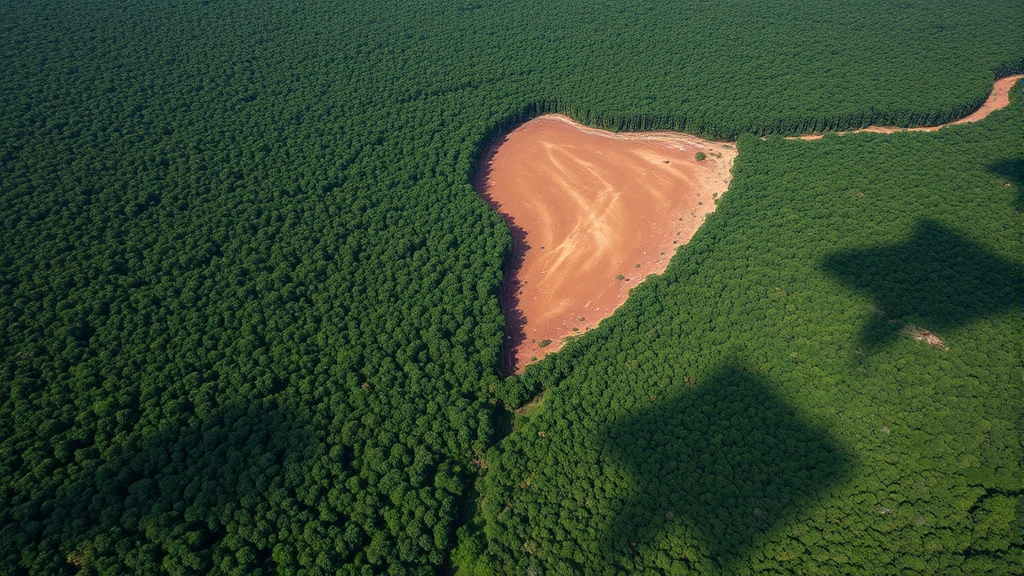
Human-Environment Interactions: Key Insights Explained
Human-environment interactions define how societies extract resources, generate waste, and reshape planetary systems. Understanding these complex dynamics is essential for addressing climate change, resource depletion, and sustainability.

Built Environments Impact on Economy: A Study
Built environments—constructed landscapes of buildings, infrastructure, and public spaces—represent 36% of global assets while generating complex economic and environmental impacts that shape regional competitiveness and sustainability.

Are Ecosystems Key to Economy Growth? Analyst Insights
Ecosystem services generate trillions in annual economic value, yet conventional accounting renders them invisible. Ecosystem-based economic models align prosperity with environmental stewardship.

Washington Youth Summit: Impact on Ecosystems & Economy
Washington youth summit on environment drives ecological and economic transformation, advancing ecosystem restoration and climate action policies.

Impact of Walgreens on Local Economy: Case Study
Walgreens' Chapel Hill location created 80-120 jobs and reduced medication prices by 8-12%, yet concentrated retail wealth while improving pharmacy access and generating $400,000+ annual tax revenue.

Walgreens’ Eco Approach: Chapel Hill Example
Walgreens' Chapel Hill location exemplifies corporate retail sustainability through energy efficiency, waste management, and supply chain responsibility initiatives.

Boosting Economies with Ecosystem Services: Study
Ecosystem services generate trillions annually yet remain undervalued in economic models. Integrating natural capital into economic frameworks unlocks sustainable growth opportunities.

VDI’s Impact on Business Costs: Analyst Insights
VDI implementations reduce business costs through energy efficiency, operational streamlining, and improved productivity. Analyst insights reveal 40-70% energy savings and 18-36 month ROI periods.
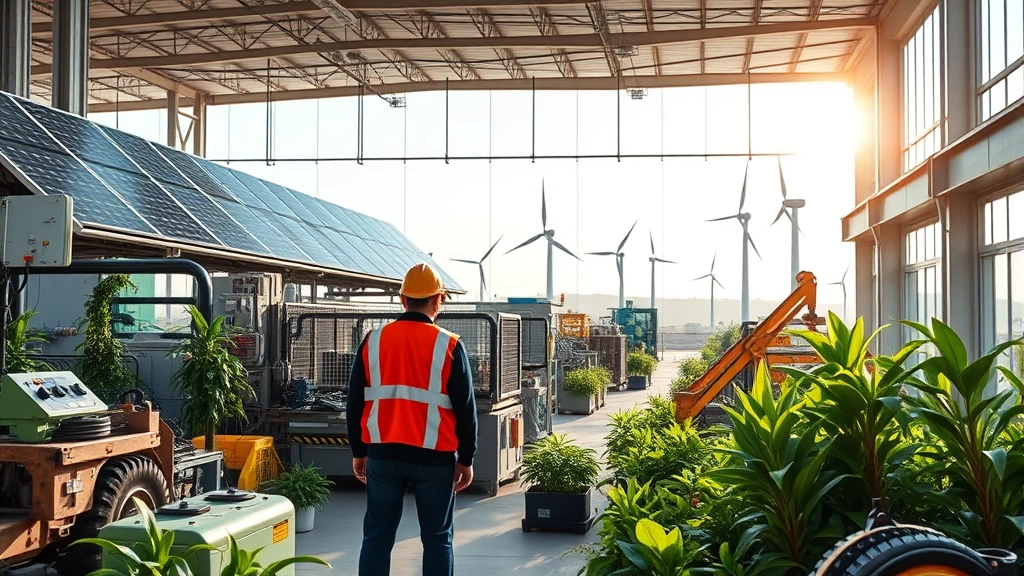
VDI’s Role in a Sustainable Economy: Study Insights
VDI drives sustainable economy transformation through engineering standards, resource efficiency research, and industrial decarbonization pathways that align environmental and economic objectives.

Impact of Unsafe Work Environments: A Study
Unsafe work environments kill 2.3 million annually, costing $2.7 trillion globally. This analysis examines economic, health, and ecological consequences of occupational hazards, revealing systemic failures in labor market institutions.