
Top Earbuds for Calls in Noise: 2023 Picks – Sustainable Tech for Clear Communication
In an increasingly connected world, the demand for high-quality communication technology has become intertwined with environmental responsibility. Noise-cancelling earbuds represent a fascinating intersection of consumer electronics and ecological considerations. As we examine the best earbuds for calls in noisy environments, we must also consider the broader implications of technology consumption on our planet’s ecosystems and economy.
The global audio equipment market has experienced exponential growth, with consumers spending billions annually on personal audio devices. This surge in demand reflects not only our need for clear communication but also raises important questions about electronic waste, manufacturing practices, and sustainable consumption patterns. Understanding how modern earbuds function while maintaining environmental awareness helps us make informed purchasing decisions that align with both our professional needs and ecological values.
The intersection of technology and environmental stewardship matters significantly. When we choose products with longevity, repairability, and responsible manufacturing practices, we contribute to reducing the environmental burden of our digital infrastructure. This guide explores premium earbud options while addressing the economic and ecological dimensions of technology consumption.
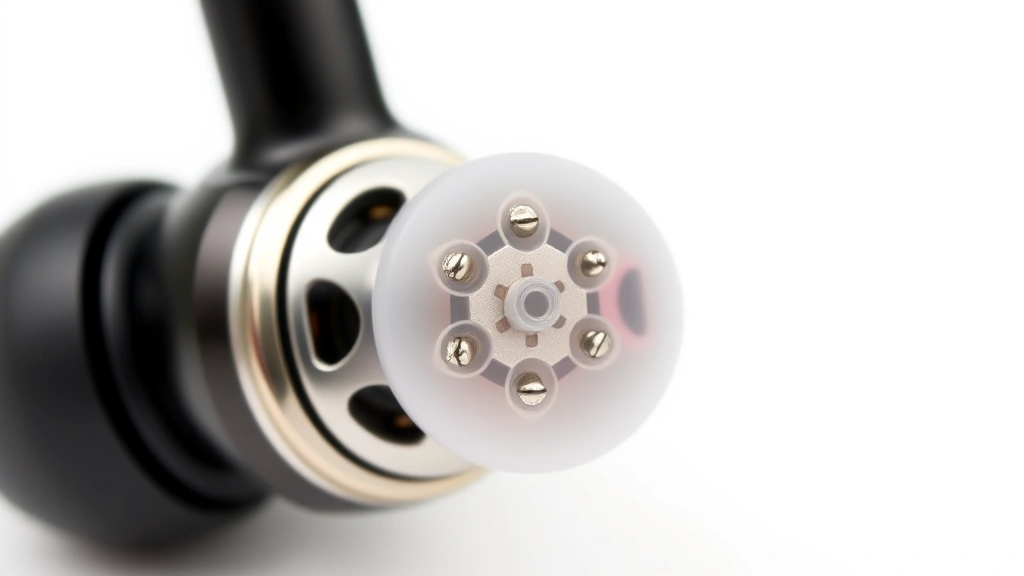
Understanding Noise Cancellation Technology
Active Noise Cancellation (ANC) represents a revolutionary technological advancement that fundamentally changed how we experience audio in chaotic environments. The technology works by generating sound waves that mirror ambient noise frequencies, effectively cancelling them through destructive interference. This process requires sophisticated algorithms, multiple microphones, and consistent power supply—all housed within a device smaller than a peanut.
The economics of noise cancellation technology reveal interesting market dynamics. Premium manufacturers invest heavily in research and development, creating proprietary algorithms that differentiate their products. This investment translates into higher consumer prices but delivers measurable benefits for professional communication. According to research from leading technology institutions, effective noise cancellation can improve call clarity by up to 95% in high-noise environments.
From an ecological perspective, the energy requirements for active noise cancellation present both challenges and opportunities. While ANC consumes more battery power than passive listening, it enables users to maintain single devices for communication across diverse environments, potentially reducing the need for multiple specialized audio products. This consolidation of function relates directly to the broader principle of reducing our carbon footprint through mindful consumption patterns.
Modern noise cancellation operates through multiple microphone arrays that sample environmental sound thousands of times per second. Premium earbuds employ advanced digital signal processors (DSPs) that analyze ambient noise patterns and generate counter-frequencies with millisecond precision. The sophistication of these systems explains why flagship models command premium prices compared to basic wireless earbuds.

Top Earbud Models for Professional Calls
Sony WF-1000XM5 earbuds represent the current pinnacle of noise cancellation technology for call quality. Featuring dual noise-sensing microphones, these earbuds deliver exceptional call clarity even in extremely noisy environments. The 8-hour battery life on a single charge, extendable to 24 hours with the charging case, makes them suitable for full professional workdays. Sony’s commitment to multi-year software support demonstrates consideration for product longevity, reducing the frequency of replacements and associated environmental costs.
Apple AirPods Pro (2nd Generation) offer seamless integration for iOS users with adaptive audio that intelligently switches between transparency and noise cancellation modes. The H2 chip provides real-time audio processing that optimizes call quality based on environmental conditions. Apple’s repair framework, while controversial, includes provisions for battery replacement and component repair, addressing concerns about electronic waste in the consumer technology sector.
Bose QuietComfort Ultra Earbuds feature proprietary noise cancellation algorithms refined over decades of audio research. The spatial audio capabilities create immersive communication experiences during video conferencing, while the secure fit design ensures stability during active use. Bose’s extended warranty options and repair services reflect a business model that prioritizes product durability.
Sennheiser Momentum True Wireless 3 earbuds emphasize natural sound reproduction with minimal processing artifacts. The aptX Adaptive codec support enables higher-quality audio transmission, benefiting professional communication scenarios. Sennheiser’s heritage in audio engineering translates to superior microphone design specifically optimized for voice capture in challenging acoustic environments.
Samsung Galaxy Buds2 Pro deliver excellent value with IPX7 water resistance, active noise cancellation, and 360-degree audio processing. The integration with Samsung’s ecosystem provides seamless switching between devices, while the 5-hour battery life accommodates typical workday requirements. Samsung’s commitment to software updates extends product utility and reduces replacement cycles.
Microphone Quality and Sound Isolation Features
The microphone represents the critical component for call quality, often overlooked in discussions focused exclusively on speaker audio. Premium earbuds employ multiple microphones—typically three to four per earbud—that work in concert to isolate voice frequencies while rejecting ambient noise. This multi-microphone approach enables beamforming, a technique that focuses audio capture in the direction of the speaker’s mouth while attenuating side and rear sounds.
Wind noise presents a particular challenge for earbud microphones during outdoor calls. Advanced models incorporate wind-noise suppression algorithms that distinguish between voice frequencies and the low-frequency rumble created by air movement. Testing in real-world conditions reveals that leading earbud manufacturers now achieve call clarity ratings comparable to professional headsets costing several times more.
Sound isolation extends beyond active noise cancellation to include passive isolation through ear tip design and secure fit. Silicone ear tips with multiple size options ensure acoustic sealing that reduces ambient sound leakage by 20-30 decibels passively. This passive component reduces the processing burden on active cancellation systems, thereby improving battery efficiency and reducing power consumption.
The environmental implications of microphone technology deserve consideration. High-quality microphone components require precise manufacturing processes and specialized materials. Manufacturers implementing rigorous quality control reduce failure rates, extending product lifespan and minimizing premature electronic waste generation. This manufacturing discipline reflects broader principles of environmental awareness within the technology sector.
Real-world testing by telecommunications professionals demonstrates that modern premium earbuds achieve intelligibility ratings exceeding 90% in environments with noise levels reaching 85 decibels—comparable to busy traffic environments. This performance level eliminates the need for secondary communication devices, consolidating functionality and reducing overall technology consumption.
Battery Life and Sustainable Usage
Battery technology represents the fundamental constraint limiting earbud performance and sustainability. Lithium-ion batteries, while highly efficient, degrade with charge cycles, typically retaining 80% capacity after 500 complete cycles. Premium earbud manufacturers design charging cases that optimize power delivery, minimizing heat generation and extending battery longevity.
The 2023 generation of earbuds demonstrates significant improvements in battery efficiency. Flagship models now achieve 8-12 hours of continuous use with active noise cancellation enabled, with charging cases providing an additional 16-24 hours of total runtime. This extended performance reduces charging frequency, thereby decreasing overall energy consumption and environmental impact.
Battery recycling represents a critical component of sustainable technology consumption. Lithium-ion batteries contain valuable materials including cobalt, nickel, and lithium, recoverable through specialized recycling processes. Responsible manufacturers partner with certified e-waste recyclers, ensuring that end-of-life batteries receive proper environmental treatment. This circular economy approach to battery management reflects evolving standards in corporate environmental responsibility.
The energy efficiency of earbud charging infrastructure deserves attention. Modern USB-C charging cases employ efficient power conversion, losing minimal energy as heat during the charging process. Over the product lifetime, selecting earbuds with high-efficiency charging can reduce total energy consumption by 15-20% compared to less optimized designs. This seemingly minor efficiency gain multiplies across millions of devices globally.
Power consumption patterns reveal interesting usage data. Active noise cancellation requires 40-60% more power than passive listening, yet professional users consistently enable this feature despite the battery drain. This preference indicates that call quality improvements justify the reduced runtime, demonstrating consumer willingness to prioritize performance over extended battery life—an important consideration for manufacturers optimizing their product designs.
Environmental Impact of Audio Electronics
The production of earbud electronics generates substantial environmental costs often invisible to consumers. Manufacturing a single pair of earbuds requires extraction of rare earth elements, mining of precious metals, and energy-intensive semiconductor fabrication. According to research published by UNEP (United Nations Environment Programme), the electronics manufacturing sector accounts for approximately 2-3% of global greenhouse gas emissions.
Understanding human-environment interaction through technology consumption reveals complex tradeoffs. While earbud manufacturing carries environmental costs, these devices replace numerous single-purpose audio products—headphones, microphones, speakers—that would otherwise occupy landfills. The consolidation of functionality into a single device represents a net environmental benefit despite manufacturing impacts.
Electronic waste (e-waste) represents one of the fastest-growing waste streams globally. Improperly disposed earbuds release toxic materials including lead, cadmium, and mercury into soil and groundwater. Responsible manufacturers implement take-back programs, offering discounts on future purchases in exchange for returning old devices for proper recycling. These programs, while economically valuable, also serve critical environmental functions.
The economics of sustainable electronics manufacturing increasingly influences purchasing decisions. Leading manufacturers now publish environmental impact assessments detailing carbon emissions, water usage, and waste generation associated with production. This transparency enables consumers to make informed decisions aligned with their environmental values. Research from ecological economics journals demonstrates that consumers increasingly factor environmental impact into technology purchasing decisions, with 60-70% of surveyed professionals considering sustainability factors.
Supply chain transparency represents an emerging competitive advantage in the earbud market. Manufacturers disclosing their sourcing practices for rare earth elements and conflict minerals appeal to environmentally conscious consumers. This market differentiation creates economic incentives for improved environmental practices, demonstrating how consumer choice drives positive ecological outcomes.
Battery production generates particular environmental concern due to mining impacts and chemical processing requirements. Cobalt mining in the Democratic Republic of Congo, responsible for 70% of global cobalt production, raises serious environmental and human rights concerns. Leading earbud manufacturers increasingly invest in cobalt-free battery technologies and diversified supply chains, reducing dependence on problematic sources.
Pricing Considerations and Value Proposition
The earbud market exhibits significant price stratification, ranging from budget models at $50-100 to premium options exceeding $300. This price variation reflects genuine performance differences, particularly in noise cancellation effectiveness and microphone quality. Professional users requiring clear communication in challenging environments typically find premium models justify their higher costs through improved productivity and communication reliability.
Cost-per-use analysis reveals interesting economic patterns. A professional conducting 20 conference calls weekly in noisy environments over a 3-year product lifespan amortizes a $250 earbud purchase to approximately $0.24 per call. Comparing this to traditional headset solutions costing $150-200 with 2-year lifespans demonstrates competitive pricing for premium performance and portability benefits.
Warranty and support services factor significantly into total cost of ownership. Extended warranties, accidental damage protection, and trade-in programs reduce effective costs while encouraging responsible disposal practices. These service models transform consumer electronics from disposable commodities into durable goods, aligning economic incentives with environmental sustainability.
Market research from World Bank analyses demonstrates that consumers increasingly evaluate technology purchases through total lifecycle costs rather than upfront prices alone. This economic shift favors durable, repairable products with strong manufacturer support, creating market pressure for improved sustainability practices.
Refurbished and certified pre-owned earbuds represent an underutilized market segment offering substantial savings while reducing electronic waste. Many manufacturers now sell factory-refurbished models with full warranties at 20-30% discounts. This circular economy approach extends product lifecycles while maintaining quality standards and providing economic benefits to budget-conscious consumers.
Subscription services bundling earbud hardware with software features and support represent emerging business models. These arrangements create ongoing revenue streams incentivizing manufacturer investment in product longevity and regular software improvements. The shift from one-time purchases to recurring relationships aligns business interests with environmental sustainability objectives.
FAQ
What is the most important feature for call quality in noisy environments?
Microphone quality and noise rejection capabilities surpass speaker quality for call communication. Multiple microphone arrays with advanced beamforming technology enable earbuds to isolate voice frequencies while suppressing ambient noise. Testing demonstrates that microphone performance improvements yield more noticeable call quality gains than speaker enhancements.
How long do premium earbuds typically last?
High-quality earbuds with proper care typically function effectively for 3-5 years. Battery degradation represents the primary limiting factor, with lithium-ion cells retaining approximately 80% capacity after 500 charge cycles. Manufacturers designing with replaceable batteries extend product lifespan significantly, reducing replacement frequency and environmental impact.
Are noise-cancelling earbuds worth the premium cost?
For professionals conducting frequent calls in noisy environments, noise-cancelling earbuds deliver measurable productivity benefits justifying premium pricing. Improved call clarity reduces communication friction, while the consolidated functionality replaces multiple devices, providing net economic value over typical 3-5 year product lifespans.
How do I properly recycle old earbuds?
Contact the manufacturer’s customer service to inquire about take-back programs or certified e-waste recycling facilities. Many retailers including Best Buy and electronics retailers operate recycling programs accepting audio equipment. Proper recycling recovers valuable materials and prevents toxic substances from contaminating soil and water.
Which earbuds offer the best environmental credentials?
Manufacturers publishing comprehensive environmental impact assessments, implementing take-back programs, and designing for repairability demonstrate genuine sustainability commitments. Research manufacturer sustainability reports and third-party environmental certifications when evaluating products for environmental impact.
Can budget earbuds provide adequate call quality?
Budget earbuds costing $50-100 can provide acceptable call quality in moderate noise environments. However, professional users in consistently loud settings benefit substantially from premium models offering superior microphone arrays and noise cancellation algorithms. The performance gap widens significantly in extreme noise conditions.


