Impact of Bad Environment on Economy: Study Insight
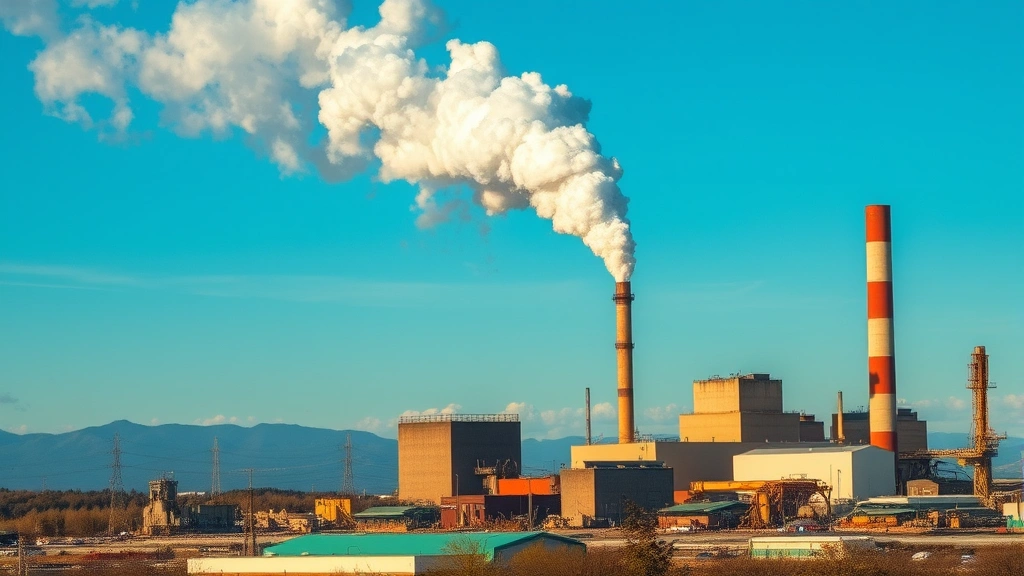
Environmental degradation represents one of the most pressing economic challenges of our time, with far-reaching consequences that extend well beyond ecological boundaries. A World Bank analysis reveals that environmental damage costs the global economy approximately 10-15% of GDP annually when accounting for resource depletion, pollution externalities, and ecosystem service losses. This economic burden disproportionately affects developing nations, yet wealthy economies face equally significant structural vulnerabilities that threaten long-term prosperity and financial stability.
The relationship between environmental quality and economic performance has evolved from a peripheral concern to a central macroeconomic issue. When examining the definition of environment in science, we recognize that environmental systems provide the foundational infrastructure upon which all economic activity depends. Degraded environmental conditions directly undermine productivity, increase operational costs, and create systemic risks that ripple through financial markets and supply chains globally.
How Bad Environment Damages Economic Productivity
Environmental deterioration directly constrains economic output through multiple mechanisms. Air pollution alone reduces worker productivity by 5-10% in heavily contaminated regions, according to research from the United Nations Environment Programme. When employees work in areas with poor air quality, respiratory illnesses increase, absenteeism rises, and cognitive function declines, collectively reducing effective labor hours and output per worker.
Water scarcity and contamination create additional productivity drains. Manufacturing facilities require substantial water inputs for cooling and processing; contaminated water sources necessitate expensive treatment before use, raising production costs. Agricultural regions dependent on groundwater face compounding challenges as aquifers deplete and surface water becomes polluted. The types of environment affected include both natural and built systems, and degradation in either category undermines operational efficiency.
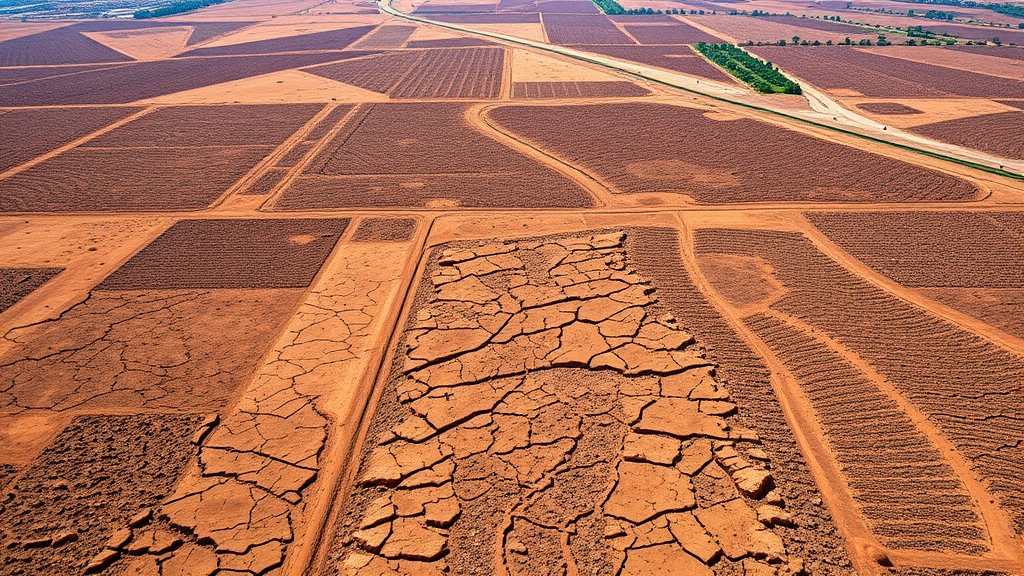
Soil degradation represents a particularly insidious productivity drain. Industrial agriculture, deforestation, and inadequate land management have degraded approximately 33% of global soils. This degradation reduces crop yields, requires increased fertilizer inputs, and necessitates more frequent equipment replacement due to abrasive soil conditions. The cumulative effect manifests as reduced agricultural output, higher input costs, and diminished returns on invested capital.
Industrial sectors face mounting compliance costs when operating in regions with poor environmental conditions. Manufacturing plants must invest in pollution control equipment, waste treatment systems, and environmental monitoring. These expenses represent pure cost with no direct revenue generation, effectively reducing profit margins and competitiveness. Companies operating in jurisdictions with strict environmental standards gain competitive advantages through operational efficiency and reduced future liability exposure.
Health Costs and Labor Market Impacts
Environmental degradation imposes substantial health burdens that translate directly into economic losses. The World Health Organization estimates that air pollution alone causes 7 million premature deaths annually, generating healthcare costs exceeding $5 trillion globally. These health impacts reduce labor force participation, increase dependency ratios, and burden healthcare systems with expenses that divert resources from productive investment.
Occupational health deteriorates in environmentally degraded regions. Workers in polluted areas experience higher rates of respiratory diseases, cardiovascular conditions, and cancer. These conditions reduce work capacity, increase medical expenses, and create long-term disability that removes productive workers from labor markets. Employers face increased insurance costs, higher turnover rates, and reduced worker reliability in environmentally compromised areas.
Water-borne diseases proliferate in regions with contaminated water supplies and poor sanitation infrastructure. Diarrheal diseases, typhoid, and cholera reduce worker productivity and divert household resources toward medical treatment rather than education or capital accumulation. Children in contaminated water regions experience stunted development, reducing their future earning potential and perpetuating poverty cycles. Understanding human-environment interaction reveals how environmental quality directly shapes human capital development and economic capacity.
Mental health impacts emerge as increasingly documented consequences of environmental degradation. Noise pollution, visual degradation, and loss of green spaces correlate with increased depression, anxiety, and stress-related disorders. These conditions reduce cognitive function, decision-making capacity, and workplace productivity. The economic burden includes both direct healthcare costs and indirect productivity losses that accumulate across entire populations.
Demographic consequences extend beyond immediate health impacts. In regions with severe environmental degradation, fertility rates often increase as families seek additional children to compensate for higher childhood mortality. This demographic transition strains educational and healthcare systems, reduces per-capita resource availability, and perpetuates poverty. Conversely, regions with improved environmental quality experience demographic stabilization that supports economic development.
Agricultural Sector Vulnerability
Agriculture represents the economic foundation for approximately 1 billion workers globally and generates $5+ trillion in annual economic value. Environmental degradation threatens this sector through multiple pathways. Soil erosion, declining fertility, and contamination reduce yields directly, while extreme weather events—increasingly driven by climate change—destroy crops and livestock simultaneously.
Pollinator decline represents an economically critical but often-overlooked consequence of environmental degradation. Approximately 75% of global crops depend partially or entirely on animal pollination. Pesticide use, habitat loss, and monoculture agriculture have reduced pollinator populations by 75% in some regions. This decline threatens crop yields for nuts, fruits, and vegetables, reducing agricultural productivity and increasing food prices. The economic value of pollination services exceeds $15 billion annually in the United States alone.
Aquaculture and fisheries face mounting pressure from water pollution and ecosystem degradation. Dead zones created by agricultural runoff eliminate fishing grounds, reduce wild fish populations, and force expensive relocation of aquaculture operations. Coastal communities dependent on fishing face economic collapse as marine ecosystems degrade. The ways humans affect the environment through agricultural practices create feedback loops that reduce future productive capacity.
Livestock productivity declines in environmentally degraded regions due to disease proliferation, reduced forage quality, and heat stress. Pastoral communities face herd losses, reduced income, and forced migration. The economic consequences extend beyond individual farmers to affect entire regional economies dependent on pastoral agriculture. Climate variability, exacerbated by environmental degradation, increases production uncertainty and reduces investment in productivity improvements.
Supply chain fragility emerges as agricultural regions face environmental stress. Food price volatility increases when production becomes unreliable due to environmental factors. This volatility creates economic uncertainty, complicates business planning, and reduces consumer purchasing power. Countries dependent on food imports face budget pressures and foreign exchange constraints when environmental degradation drives global food prices higher.
Climate-Related Financial Risks
Environmental degradation, particularly greenhouse gas emissions driving climate change, creates systemic financial risks that threaten economic stability. The International Monetary Fund identifies climate-related financial risks as a primary threat to global economic stability. Physical risks—including extreme weather, sea-level rise, and temperature shifts—directly damage assets and disrupt economic activity. Transition risks—including stranded assets in fossil fuel industries and regulatory changes—create financial instability as economies shift toward sustainability.
Extreme weather events cause direct economic losses exceeding $300 billion annually. Hurricanes, floods, droughts, and wildfires destroy infrastructure, disrupt supply chains, and reduce production capacity. Insurance costs rise as insurers adjust for increasing climate-related claims. In extreme cases, insurers withdraw from high-risk regions entirely, creating uninsured populations vulnerable to catastrophic losses. This insurance retreat raises borrowing costs and reduces property values in affected areas.
Real estate markets face valuation pressures from climate risks. Properties in flood-prone, wildfire-prone, or heat-stressed regions experience declining values as climate impacts materialize. Coastal properties face sea-level rise risks that reduce long-term asset values. This asset deflation reduces collateral available for borrowing, constrains consumer spending, and reduces tax revenues for local governments dependent on property values.
Stranded assets in fossil fuel industries create financial instability. As renewable energy becomes cost-competitive and climate policies tighten, coal plants, oil refineries, and gas infrastructure lose economic value. Investors holding these assets face significant losses. Financial institutions with substantial fossil fuel exposure face credit losses and balance sheet deterioration. This transition risk creates financial fragility that can propagate through the banking system.
Agricultural commodity price volatility increases under climate stress. Crop failures in major producing regions drive prices higher, reducing consumer purchasing power and creating inflation pressures. Food-importing nations face budget constraints and foreign exchange pressures. Commodity-dependent economies experience revenue volatility that complicates fiscal planning and creates macroeconomic instability.
Supply Chain Disruptions
Global supply chains depend on environmental stability and resource availability. Environmental degradation creates supply shocks that disrupt manufacturing and commerce. Water scarcity limits production in water-intensive industries including semiconductors, textiles, and chemicals. Mineral extraction becomes more difficult and expensive as ore grades decline and environmental regulations tighten. Energy supply faces constraints from water scarcity affecting hydroelectric and thermal power generation.
Transportation infrastructure faces degradation from environmental factors. Flooding damages roads, railways, and ports. Extreme heat warps roads and railway tracks, creating safety hazards and reducing transport efficiency. Drought reduces river navigability, constraining waterborne commerce. These infrastructure challenges increase logistics costs, delay shipments, and reduce supply chain reliability.
Supplier concentration in environmentally stressed regions creates systemic vulnerability. Many critical materials—including rare earth elements, cobalt, and lithium—come from regions facing severe environmental degradation. Environmental disasters or resource depletion in these regions can constrain global supply of essential materials, disrupting manufacturing across multiple industries. Diversification requires capital investment and time, creating lag periods of vulnerability.
Logistics costs rise as environmental degradation increases transportation distances and complexity. Damaged infrastructure requires alternative routes. Fuel consumption increases due to congestion and inefficiency. Carbon pricing mechanisms add cost premiums to transportation. These cumulative effects reduce supply chain efficiency and increase final product costs for consumers.
Just-in-time manufacturing becomes riskier in environmentally unstable regions. Supply chain reliability deteriorates, forcing companies to increase inventory buffers and safety stocks. This inventory increase ties up capital and reduces operational efficiency. Companies relocate to more stable regions, creating economic disruption in environmentally degraded areas and reducing employment opportunities.
Infrastructure Degradation
Environmental factors accelerate infrastructure deterioration, increasing maintenance costs and reducing asset longevity. Corrosion accelerates in polluted environments, particularly affecting metals and concrete. Salt spray from coastal areas and road salt from winter maintenance increase corrosion rates. Air pollution containing sulfur dioxide and nitrogen oxides accelerates material degradation. These factors reduce infrastructure lifespan and increase replacement frequency.
Water infrastructure faces mounting pressure from contamination and scarcity. Treatment costs rise as source water quality declines. Distribution systems require increased maintenance due to corrosion. Desalination becomes necessary in water-scarce regions, increasing energy costs. These mounting costs burden water utilities and increase costs for consumers and industries.
Energy infrastructure faces climate-related stress. Hydroelectric systems face water availability constraints. Thermal power plants require water for cooling; droughts reduce output. Wildfires threaten transmission lines and generating facilities. Extreme heat reduces power transmission efficiency and increases cooling demands, creating peak load challenges. These stresses reduce energy reliability and increase electricity costs.
Transportation infrastructure degrades faster in polluted and climatically stressed environments. Roads require more frequent resurfacing due to thermal stress and water damage. Railways face similar challenges, with heat buckling and frost heave creating safety hazards. Ports face damage from storm surge and flooding. These maintenance burdens consume government budgets that could otherwise fund economic development.
Urban infrastructure faces compounding stress from environmental degradation. Building materials degrade faster in polluted environments. Urban heat islands exacerbate cooling demands and increase energy costs. Flooding from inadequate drainage systems damages buildings and utilities. These infrastructure challenges increase living costs and reduce urban competitiveness for attracting investment and talent.
Policy Solutions and Economic Recovery
Addressing environmental degradation requires integrated policy approaches that recognize economic interdependencies. Carbon pricing mechanisms—including carbon taxes and cap-and-trade systems—create economic incentives for emissions reduction while generating government revenue. These revenues can fund environmental remediation, support affected workers, or reduce other taxes. The ways to reduce carbon footprint extend beyond individual actions to encompass systemic policy changes that reshape economic incentives.
Environmental regulations, despite their costs, generate net economic benefits through avoided health impacts, ecosystem services preservation, and reduced future remediation expenses. Studies published in Nature and other peer-reviewed journals demonstrate that stringent environmental standards drive innovation, creating competitive advantages for early-adopting firms. Pollution control technologies developed to meet environmental standards often reduce operational costs through improved efficiency.
Investment in environmental restoration generates economic returns through ecosystem service recovery. Wetland restoration improves water filtration, reduces flooding, and supports fisheries. Forest restoration provides carbon sequestration, erosion control, and wildlife habitat. These restoration activities create employment while generating long-term economic benefits. Green infrastructure investments—including renewable energy, sustainable agriculture, and ecological restoration—create more jobs per dollar invested than conventional infrastructure.
Circular economy models reduce resource extraction pressure and waste management costs. Product redesign for durability and repairability extends asset lifespans. Material recycling reduces extraction costs and environmental impacts. Industrial symbiosis—where one industry’s waste becomes another’s input—reduces disposal costs while creating value. These circular approaches improve economic efficiency while reducing environmental pressure.
Environmental accounting reforms would improve economic decision-making by incorporating environmental costs into financial statements. Natural capital accounting reveals true economic profitability by subtracting environmental degradation costs. This accounting reform would redirect investment toward genuinely profitable activities while revealing the true costs of environmentally destructive practices. Governments implementing natural capital accounting frameworks demonstrate improved policy outcomes and economic performance.
International cooperation on environmental standards prevents regulatory arbitrage where companies relocate to jurisdictions with weak environmental protection. Harmonized standards create level playing fields while preventing a race to the bottom in environmental protection. Trade agreements incorporating environmental provisions strengthen environmental commitment while maintaining economic integration benefits.
FAQ
How much does environmental degradation cost the global economy annually?
Current estimates range from 10-15% of global GDP when accounting for resource depletion, pollution externalities, ecosystem service losses, and health impacts. This translates to approximately $2-3 trillion in annual economic costs, with impacts concentrated in developing nations that lack resources for environmental management and remediation.
Which economic sectors face the greatest environmental vulnerability?
Agriculture, fisheries, tourism, insurance, and water-dependent manufacturing face the highest vulnerability. These sectors depend directly on environmental quality and natural resource availability. Climate change and environmental degradation pose existential threats to these industries in severely affected regions.
Do environmental regulations harm economic growth?
Research demonstrates that well-designed environmental regulations stimulate innovation, improve productivity, and generate net economic benefits through avoided health and environmental costs. Firms investing in pollution control and efficiency improvements often achieve cost savings that exceed compliance expenses. Countries with stringent environmental standards maintain competitive advantages in clean technology sectors.
How do environmental factors affect real estate values?
Properties in environmentally stressed regions—including flood-prone, wildfire-prone, and air-polluted areas—experience declining values as climate impacts materialize. This asset deflation reduces collateral for borrowing, constrains consumer spending, and reduces tax revenues. Conversely, properties in environmentally protected areas command premium prices reflecting long-term stability.
What policy approaches most effectively address environmental economic impacts?
Integrated approaches combining carbon pricing, environmental regulations, investment in environmental restoration, circular economy development, and natural capital accounting prove most effective. These policies create economic incentives for environmental protection while generating government revenue and employment. International cooperation prevents regulatory arbitrage and strengthens environmental commitment.


