

Ecosystem Services Value: Expert Insight
Ecosystem services—nature’s economic contributions including water purification, pollination, and climate regulation—are valued at $125 trillion annually globally, reshaping environmental policy.

Ecosystem services—nature’s economic contributions including water purification, pollination, and climate regulation—are valued at $125 trillion annually globally, reshaping environmental policy.

Can GDP growth continue indefinitely? Economists increasingly question whether conventional growth models align with planetary boundaries and ecological limits.

Human-environment interaction fundamentally shapes economic performance through natural capital dependencies, resource flows, and feedback mechanisms where environmental degradation directly constrains economic productivity.

Ecosystems generate trillions in annual economic value through services GDP ignores. Understanding this connection reshapes economic policy.

Central Environment Authorities regulate environmental compliance, driving innovation and job creation while managing long-term economic risks through ecosystem protection and climate action.
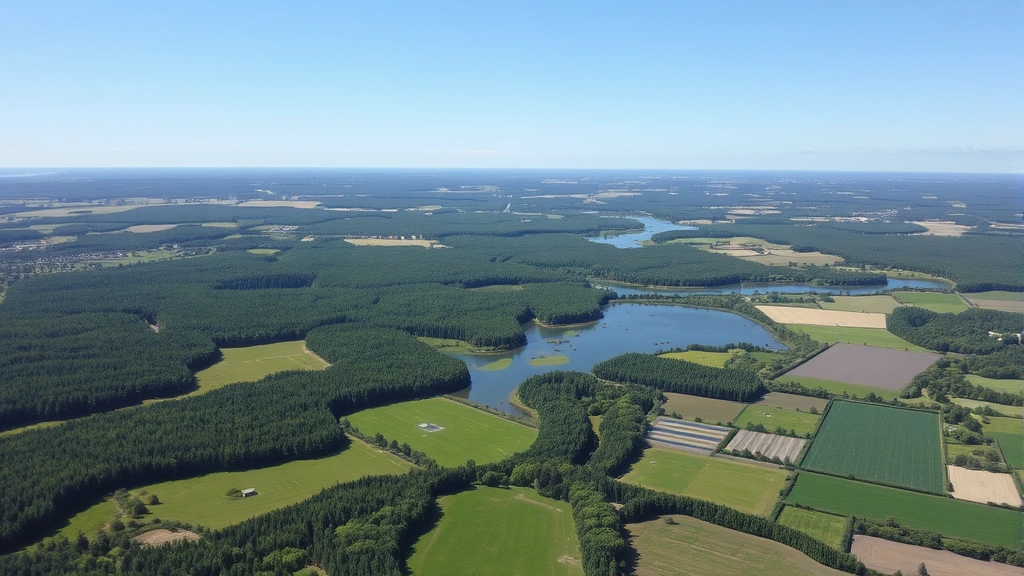
National Environment Commissions coordinate environmental policy, integrate ecological considerations into development, and bridge governance gaps. Effectiveness depends on institutional independence, adequate resources, and political commitment to environmental protection.

Economic growth and ecosystem health increasingly conflict. Research reveals GDP expansion drives resource depletion, biodiversity loss, and climate disruption at accelerating rates.

Carrier pigeons navigate using magnetic field detection, visual landmarks, olfactory maps, solar orientation, and more. These biological systems work together in extraordinary ways.