Austere Environments: Economic Impacts Explored
Austere environments—characterized by extreme scarcity of resources, harsh climatic conditions, and limited infrastructure—present profound economic challenges that extend far beyond their geographic boundaries. These regions, spanning arid deserts, arctic tundra, high-altitude plateaus, and degraded lands, are home to over 2 billion people worldwide and generate economic systems fundamentally different from resource-rich areas. Understanding the economic dynamics of austere environments requires examining how scarcity reshapes production, consumption, and development trajectories.
The economic impacts of austere environments cascade through multiple systems: agricultural productivity plummets, water security becomes a primary constraint, energy costs escalate dramatically, and human capital development faces significant obstacles. Yet these challenging contexts also drive innovation, foster resilience strategies, and reveal fundamental principles about resource allocation and ecological economics. This exploration synthesizes ecological economics theory with empirical evidence from austere regions worldwide, demonstrating how environmental constraints fundamentally reshape economic behavior and policy imperatives.
Defining Austere Environments and Economic Implications
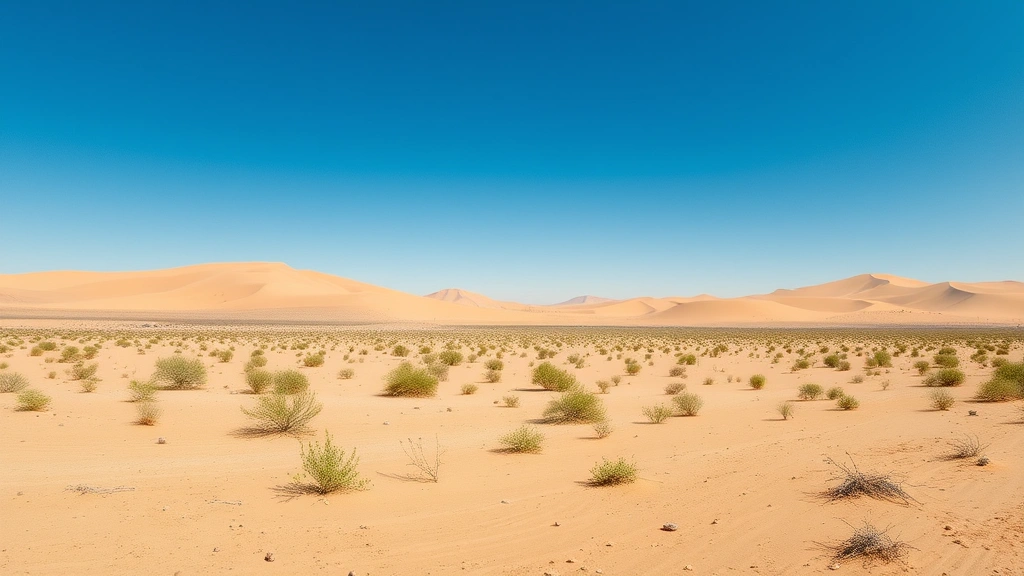
Austere environments represent ecosystems with fundamental resource limitations that constrain economic activities across all sectors. These landscapes encompass arid and semi-arid regions covering approximately 33% of Earth’s land surface, arctic zones experiencing permafrost degradation, mountainous terrain with thin soils, and anthropogenically degraded lands. The defining characteristic is not merely low rainfall or extreme temperatures, but rather the mismatch between resource availability and human needs, creating persistent economic stress.
From an ecological economics perspective, austere environments represent systems operating near or beyond their carrying capacity. The human-environment interaction in these regions demonstrates how biophysical limits directly translate into economic constraints. Unlike developed economies that can substitute natural capital with manufactured capital or import resources globally, austere regions face genuine scarcity that cannot be easily circumvented through conventional economic mechanisms.
The economic implications are profound: per capita income in austere regions averages 40-60% below global means, poverty incidence exceeds 50% in many areas, and economic volatility remains three to four times higher than in temperate zones. These are not merely statistical artifacts but reflect genuine material constraints on production and consumption possibilities. Research from the World Bank’s climate-smart agriculture initiatives demonstrates that austere environments require fundamentally different economic approaches than conventional development models assume.
Understanding austere environments demands integrating natural environment research with economic analysis. The carrying capacity concept—the maximum population size an environment can sustain indefinitely—becomes economically operational in austere regions, whereas it remains theoretical in resource-rich areas. This distinction fundamentally alters how economists must conceptualize growth, development, and sustainability.
Agricultural Systems in Resource-Constrained Regions
Agriculture in austere environments operates under radically different constraints than in temperate or tropical zones. Water availability, soil quality, and growing season length impose hard limits on productivity. Yet these regions support 1.5 billion people, with 70% depending directly on agricultural income. This paradox reflects sophisticated adaptive strategies developed through centuries of experience, though increasingly threatened by climatic variability and population pressure.
Traditional pastoral systems in arid regions exemplify economically rational responses to austere conditions. Nomadic and transhumant herding distributes grazing pressure across landscapes, maintaining long-term productivity despite high temporal variability in forage availability. Economic analysis reveals these systems achieve 60-80% efficiency in converting primary productivity into human food energy—comparable to or exceeding intensive agricultural systems when environmental costs are properly accounted. Yet market pressures, land tenure insecurity, and climate change increasingly undermine these adaptive strategies.
Dryland agriculture—rainfed cropping in water-limited regions—faces fundamental productivity constraints. Yields average 0.5-1.5 tons per hectare compared to 3-5 tons in temperate zones, and yield variability reaches 40-60% annually. From an ecological economics standpoint, this reflects the biophysical reality that net primary productivity in arid regions is 50-200 grams of dry matter per square meter annually, versus 500-2000 in temperate zones. Farmers respond through risk-spreading strategies: crop diversification, intercropping, fallowing systems, and off-farm income diversification. These represent economically rational adaptations to high uncertainty, though they reduce short-term productivity.
Water harvesting and soil conservation investments provide tangible examples of how austere environments demand capital-intensive solutions. Building terraces, check dams, and infiltration ponds requires significant labor investment with returns realized over 5-10 year periods. Economic analysis from UNEP’s land degradation and restoration program demonstrates these investments generate benefit-cost ratios of 2:1 to 5:1, yet financing remains constrained by poverty and capital market failures. This represents a classic market failure where private discount rates exceed social returns, requiring policy intervention.
Climate variability poses escalating threats to austere region agriculture. Rainfall patterns are becoming more erratic—the coefficient of variation in annual precipitation has increased 15-25% over recent decades in many arid regions. This directly reduces expected returns to agricultural investment, increasing risk premiums and reducing capital availability. Farmers respond by shortening planning horizons and reducing long-term investments, creating poverty traps where immediate consumption needs override productivity-enhancing investments.
Water Scarcity as Economic Constraint
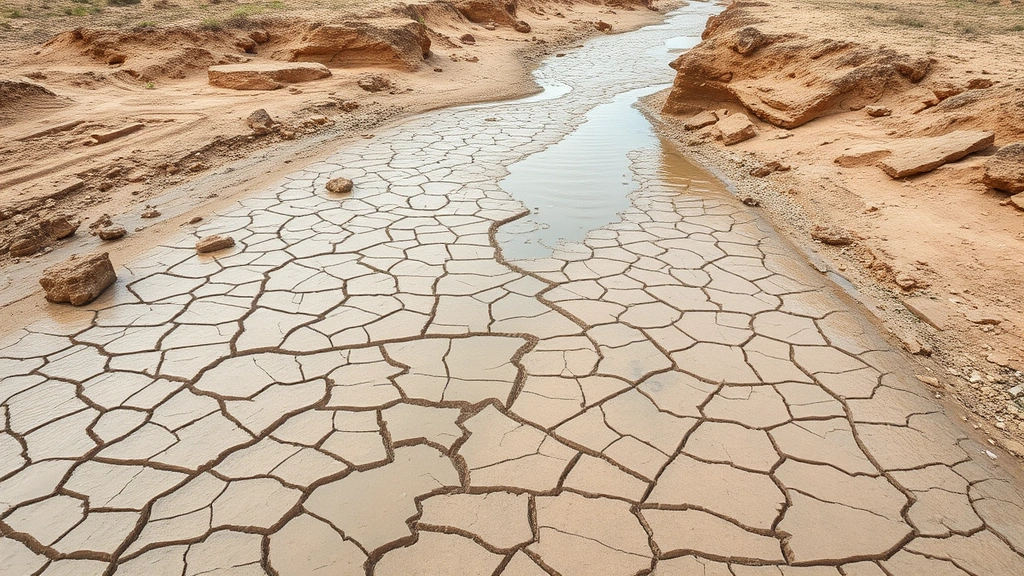
Water represents the ultimate constraint in austere environments, functioning as both production input and life necessity. In arid regions, freshwater availability averages 100-500 cubic meters per person annually, compared to 2,500-5,000 in temperate zones. This scarcity generates competition across agricultural, industrial, and domestic sectors, creating complex allocation problems with profound economic consequences.
Groundwater depletion illustrates how austere environments face non-renewable resource dynamics. Aquifers in arid regions accumulated water during wetter paleoclimatic periods; current extraction rates in many areas exceed recharge by factors of 5-20. The Ogallala Aquifer underlying the American High Plains and Middle Eastern aquifers exemplify this pattern. Economic analysis reveals that current water pricing fails to account for depletion costs—the value of future water foregone through present extraction. True economic costs of water extraction are 3-5 times higher than market prices, creating massive economic distortions.
Water scarcity directly constrains economic diversification. Industrial development requires reliable water supplies; manufacturing typically uses 50-100 cubic meters per unit of output. Austere regions consequently remain locked into water-extensive agriculture despite lower returns, as alternative sectors face insurmountable supply constraints. This represents a genuine structural constraint on development pathways, not merely a temporary bottleneck amenable to technological solutions.
Agricultural water use accounts for 80-95% of consumption in austere regions, yet generates only 30-40% of economic value. This reflects both the water intensity of agriculture and its lower productivity compared to industrial sectors. Irrigation efficiency improvements represent major economic opportunities; current systems typically waste 40-60% of water through evaporation and seepage. Yet efficiency investments require capital that poor farmers cannot access, and water pricing remains politically sensitive, preventing market-based allocation mechanisms.
Transboundary water conflicts emerge as critical economic risks. Major river systems—the Nile, Tigris-Euphrates, Indus, and others—cross political boundaries, creating allocation conflicts between upstream and downstream users. Economic models demonstrate that cooperative allocation mechanisms can increase total water productivity by 20-30%, yet achieving cooperation faces substantial political economy obstacles. The economic costs of water conflicts extend beyond direct resource losses to include military expenditures, diplomatic costs, and reduced investment in austere regions due to political instability.
Energy Economics in Extreme Conditions
Energy economics in austere environments differs fundamentally from global averages due to geographic isolation, low population density, and harsh operating conditions. Diesel fuel delivery to remote arid or arctic locations costs 2-3 times more than in developed areas, fundamentally altering production economics. Renewable energy potential—particularly solar in arid regions and wind in exposed areas—offers alternatives, yet requires upfront capital investments that austere region economies struggle to finance.
Energy poverty affects 1.3 billion people globally, with austere regions experiencing rates of 60-80%. This reflects both low incomes and high delivery costs. Households in remote areas pay $0.20-0.40 per kilowatt-hour for diesel-generated electricity versus $0.05-0.10 in connected grid systems. These price differentials reflect genuine economic costs—fuel transport, generator maintenance, and operational inefficiency—yet they create severe economic disadvantages. Energy-poor households cannot operate refrigeration, lighting, communications, or productive equipment, constraining income-generation opportunities and perpetuating poverty.
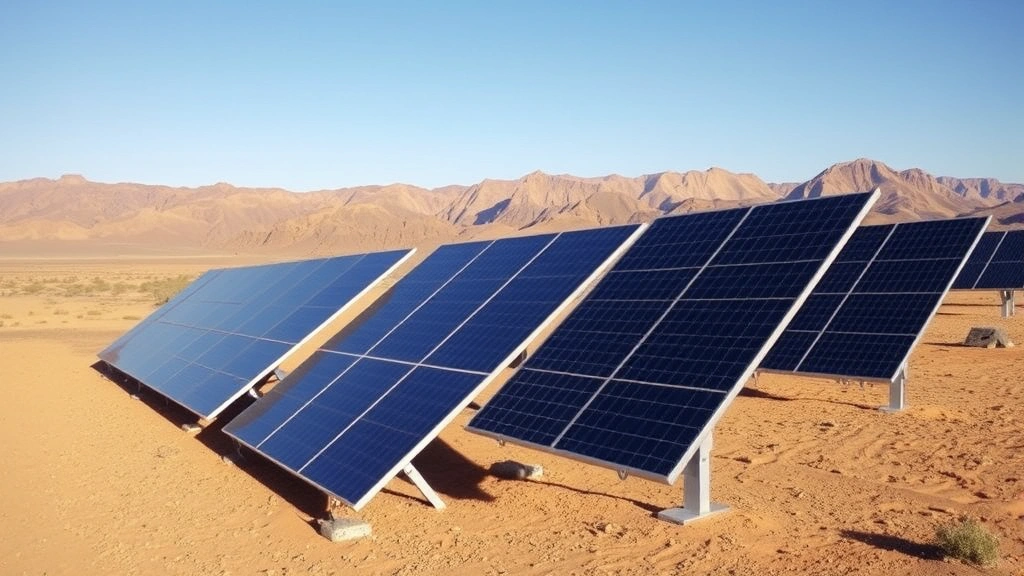
Solar energy deployment represents a transformative opportunity for austere regions. Arid zones receive 200-250 watts per square meter of solar radiation annually, among Earth’s highest. Renewable energy systems for distributed applications have achieved dramatic cost reductions—photovoltaic module prices fell 90% over 2010-2020—making solar competitive with diesel in many austere regions. Economic analysis reveals solar installations generate 25-30 year returns with minimal operational costs, yet initial capital requirements remain prohibitive for poor households and small businesses.
Energy system design in austere environments must balance reliability, cost, and environmental impact differently than grid-connected systems. Hybrid renewable systems combining solar, wind, and battery storage offer technical solutions, yet economic optimization requires sophisticated analysis. Austere regions typically cannot justify centralized generation and transmission infrastructure serving dispersed populations, necessitating distributed generation approaches. This represents a fundamental departure from conventional utility economics.
Human Capital Development and Labor Markets
Austere environments constrain human capital development through multiple mechanisms: malnutrition reduces cognitive development, high disease burdens increase mortality and morbidity, and limited educational infrastructure restricts skill acquisition. Economic returns to education are high in austere regions—each year of schooling increases earnings 8-12%—yet constraints on school quality and quantity limit enrollment and completion rates.
Nutritional constraints represent fundamental economic barriers. In food-insecure austere regions, 30-40% of children experience stunting—reduced height-for-age indicating chronic malnutrition. Stunted children experience 5-10% lower lifetime earnings, perpetuating intergenerational poverty. From an ecological economics perspective, this reflects the biophysical reality that austere environments cannot reliably produce sufficient calories per capita; economic development becomes constrained by fundamental production limits.
Labor markets in austere regions display distinctive characteristics reflecting resource constraints. Agricultural wages average $1-3 daily, creating survival-level incomes. Off-farm employment opportunities remain limited due to sparse economic activity, forcing labor migration. Seasonal employment patterns dominate, with income concentration in brief harvest periods. This temporal income volatility creates risk and limits investment in productive assets.
Brain drain represents a critical economic loss mechanism. Young people with skills migrate to resource-rich regions seeking better opportunities, removing human capital from austere economies. Migration rates from poor austere regions reach 30-50% for working-age adults, concentrating economic activity in destination regions and perpetuating austere region poverty. Economic analysis reveals that remittances partially offset these losses—migrants send home $20-50 billion annually to austere regions—yet this income transfer cannot substitute for retained human capital’s productive contributions.
Infrastructure Investment Challenges
Infrastructure development in austere environments faces distinctive economic challenges: high per-unit costs due to geographic dispersion, severe maintenance demands from harsh conditions, and limited revenue bases from sparse populations. Roads in arid regions require specialized construction to manage sand encroachment and thermal stress; maintenance costs are 2-3 times higher than in temperate zones. Water supply infrastructure must overcome extreme distances and harsh chemistry; treatment costs escalate dramatically.
Per capita infrastructure costs in austere regions are 3-5 times higher than in developed areas, yet revenue capacity from poor populations is 20-30 times lower. This arithmetic creates an infrastructure financing gap that markets cannot bridge. A typical road serving 1,000 people in an austere region costs $100,000-200,000 per kilometer; annual maintenance requires $2,000-5,000 per kilometer, yet road users can generate only $200-500 in annual fees. This represents a fundamental market failure requiring substantial public subsidy.
Transportation infrastructure constraints limit economic integration. High transport costs create spatial price variations of 100-200% between isolated locations and markets. This constrains specialization and trade—fundamental sources of economic gains—leaving austere regions locked into subsistence production. Infrastructure investment represents a critical development bottleneck, yet austere region governments face severe fiscal constraints limiting investment capacity.
Energy infrastructure requirements in austere environments differ fundamentally from conventional systems. Distributed renewable generation and storage require different infrastructure than centralized fossil fuel systems. Grid extension to serve sparse populations becomes uneconomic; instead, mini-grids and standalone systems dominate. This represents a genuine infrastructure paradigm shift requiring new technologies, business models, and financing mechanisms.
Climate Change and Economic Vulnerability
Austere environments face disproportionate climate change impacts despite contributing minimally to global emissions. Arid regions are experiencing increased aridity—rainfall declining 5-15% over recent decades in many areas—while temperature increases exceed global averages by 30-50%. Arctic regions warm twice as fast as global averages, triggering permafrost thaw with cascading economic consequences.
Climate impacts on water availability represent the dominant economic threat. Snowpack reduction, altered precipitation patterns, and increased evaporation are reducing water availability in austere regions by 10-25% over recent decades. Projections suggest further 20-40% reductions by 2050 in many areas. These represent genuine declines in carrying capacity, implying that current population levels cannot be sustained without economic transformation or migration.
Agricultural productivity faces direct climate threats. Crop yield reductions of 15-30% are projected for austere regions by 2050 under moderate climate scenarios. Livestock productivity shows similar patterns, with heat stress reducing weight gains and reproduction rates. These productivity declines translate directly into income losses and food insecurity for populations already living at subsistence levels. IPCC assessments project that climate change will increase poverty in austere regions by 100-200 million people by 2050 absent adaptation investments.
Economic adaptation to climate change in austere environments requires massive investments: $50-100 billion annually for water management, agricultural adaptation, and disaster risk reduction. Yet austere region governments control only $5-10 billion annually for all development needs. This adaptation financing gap represents a critical equity issue—regions bearing minimal responsibility for climate change face overwhelming adaptation burdens.
Climate variability increases economic risk and reduces investment incentives. Farmers facing increased rainfall uncertainty reduce long-term investments in soil conservation and irrigation, shortening planning horizons. Businesses in austere regions face higher discount rates reflecting increased risk, reducing capital availability. Climate change thus creates a vicious cycle where increased uncertainty reduces investment, which reduces adaptive capacity, which increases vulnerability.
Policy Solutions and Economic Adaptation
Addressing economic challenges in austere environments requires integrated policy approaches recognizing biophysical constraints while leveraging economic opportunities. Successful strategies combine resource management, human capital investment, infrastructure development, and climate adaptation, tailored to local conditions rather than generic development models.
Water management policies must balance competing demands while accounting for depletion costs. Pricing reforms reflecting true water scarcity values can reduce waste while generating revenue for infrastructure investment. Yet pricing increases face political resistance and create equity concerns for poor users. Targeted subsidies for essential uses combined with full-cost pricing for agriculture can balance efficiency and equity. Groundwater management requires extraction limits reflecting recharge rates, enforced through licensing and monitoring systems.
Agricultural adaptation strategies must acknowledge that productivity increases through conventional intensification face hard biophysical limits in austere regions. Instead, policies should support climate-smart agriculture: improved varieties tolerant of drought and heat, water-efficient irrigation systems, soil conservation practices, and livelihood diversification. Evidence from FAO climate adaptation programs demonstrates that integrated approaches increase yields 20-40% while improving resilience. Yet knowledge transfer and technology adoption face constraints requiring substantial extension services and farmer training investments.
Energy policy should prioritize renewable energy deployment through mechanisms addressing capital constraints: subsidized equipment, financing programs, and productive use applications. Solar energy coupled with storage can provide reliable power for productive activities—irrigation pumping, agro-processing, communications—enabling economic diversification. Mini-grid development combining solar generation with battery storage has proven economically viable in austere regions, requiring policy support for licensing and revenue-adequate tariffs.
Education and health investments represent critical human capital strategies. Education spending of 6-8% of government budgets focused on practical skills—agriculture, water management, renewable energy—can enhance productivity and adaptive capacity. Health investments reducing disease burden increase labor productivity and enable longer working lives. These investments face financing constraints but generate high economic returns: education yields 8-12% annual returns, health investments 15-20%.
Infrastructure policy must acknowledge that conventional utility models cannot serve dispersed austere populations cost-effectively. Policies should support appropriate-scale infrastructure: rural roads using local materials and labor, decentralized water systems, distributed energy generation. Public-private partnerships can leverage private expertise and efficiency while ensuring public interest protection. Regional development funds can address the infrastructure financing gap through grant and concessional lending mechanisms.
Migration policy should recognize that labor mobility represents an adaptive mechanism allowing individuals to escape austere environment constraints. Rather than restricting migration, policies should facilitate skill transfer, enable remittance flows, and support return migration for those wishing to reinvest in home communities. Diaspora networks can facilitate technology transfer and market linkages, creating economic benefits for austere regions without requiring physical presence.
Climate adaptation finance represents a critical policy priority. Developed countries should fulfill climate finance commitments—$100 billion annually—with substantial portions directed to austere regions facing disproportionate impacts. Adaptation finance should support water infrastructure, agricultural transformation, disaster risk reduction, and livelihood diversification. Financing mechanisms should combine grants for adaptation (reflecting equity) with concessional loans for investments generating returns.
The fundamental policy imperative is recognizing that austere environments operate under genuine biophysical constraints requiring development models fundamentally different from those designed for resource-rich regions. Reducing resource intensity and carbon footprints in global consumption patterns would ease pressure on austere regions by reducing global resource competition. Sustainable consumption in developed countries represents an indirect but powerful mechanism supporting austere region development.
Integration of ecological economics principles into austere region development policy acknowledges that human economies operate within biophysical limits. Carrying capacity constraints are real, not merely theoretical, in these regions. Economic policy must work within these constraints rather than assuming unlimited substitution possibilities. This requires embracing concepts like ecological footprint analysis, natural capital accounting, and ecosystem service valuation—frameworks that make biophysical constraints economically operational.
FAQ
What defines an austere environment economically?
An austere environment is characterized by fundamental resource scarcity—limited water, thin soils, extreme temperatures, or degraded ecosystems—that constrains economic productivity and creates per capita incomes 40-60% below global averages. These are not merely poor regions but areas where biophysical carrying capacity limits population and economic activity.
How do austere environments affect agricultural economics?
Agriculture in austere regions faces severe productivity constraints: yields are 60-70% lower than temperate zones due to water and soil limitations, yield variability reaches 40-60% annually, and farmers adopt risk-spreading strategies reducing short-term productivity. Water harvesting and soil conservation investments are essential but require capital poor farmers cannot access.
What role does water scarcity play in austere region economics?
Water scarcity is the dominant economic constraint in most austere regions. Freshwater availability averages 100-500 cubic meters per person annually versus 2,500-5,000 in temperate zones. Agricultural water pricing fails to reflect depletion costs, creating massive economic distortions. Groundwater depletion in many regions exceeds recharge by factors of 5-20, creating non-renewable resource dynamics.
How can renewable energy address austere region development?
Arid regions receive 200-250 watts per square meter of solar radiation annually—among Earth’s highest. Photovoltaic costs have fallen 90% over 2010-2020, making solar competitive with diesel in many austere regions. Distributed solar systems with battery storage can provide reliable power for productive activities, enabling economic diversification beyond agriculture.
What climate change impacts threaten austere regions most?
Austere regions face disproportionate climate impacts: arid regions are becoming more arid (rainfall declining 5-15%), arctic regions warm twice as fast as global averages, and agricultural productivity faces 15-30% reductions by 2050. These represent genuine declines in carrying capacity, implying population sustainability challenges without major adaptation.
How do austere environments create development traps?
Austere environments create interconnected constraints: resource scarcity limits agricultural productivity, low incomes prevent capital accumulation, limited investment reduces adaptive capacity, climate variability increases uncertainty, and high-risk environments deter business investment. These create poverty traps where immediate survival needs override long-term productivity investments.
What role do water management policies play in austere region development?
Water pricing reflecting true scarcity values can reduce waste while generating revenue for infrastructure investment. Groundwater extraction limits must reflect recharge rates. Transboundary water agreements can increase allocation efficiency by 20-30%. Yet these policies face political resistance and create equity concerns requiring targeted subsidies for essential uses.
How does human capital development differ in austere environments?
Nutritional constraints reduce cognitive development—stunted children experience 5-10% lower lifetime earnings. Limited educational infrastructure restricts skill acquisition. Brain drain removes human capital through migration. Yet education returns are high (8-12% annually), making education investment high-priority despite financing constraints.


