Artists Impacting Ecosystems: Latest Insights on Creative Environmental Stewardship
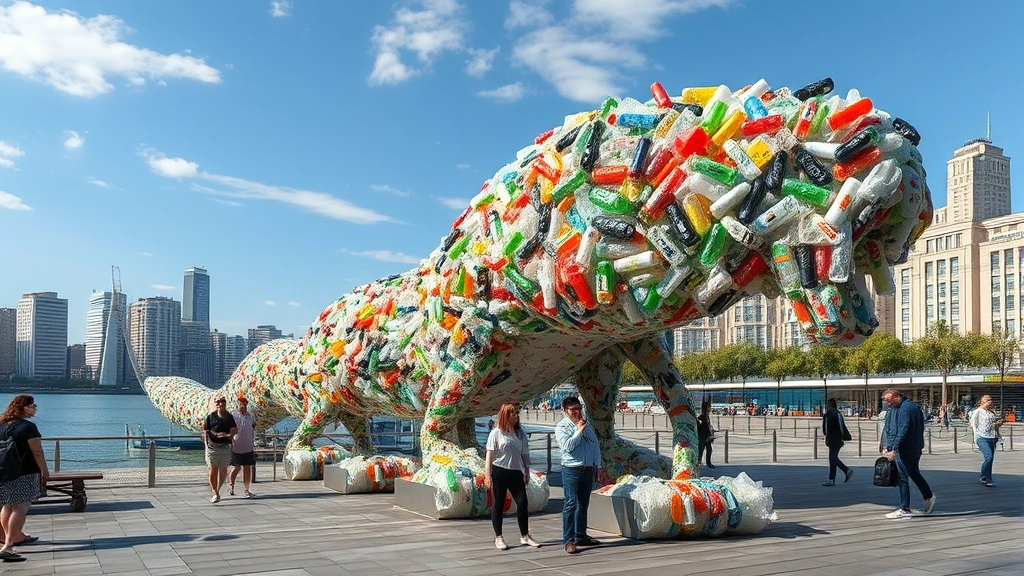
The intersection of art and environmental conservation represents one of the most compelling yet underexplored dimensions of ecological sustainability. While scientists, economists, and policymakers dominate discussions about ecosystem health, artists increasingly emerge as catalysts for environmental awareness, behavior change, and systemic transformation. Recent research demonstrates that artistic interventions—from large-scale installations to community-based projects—generate measurable impacts on ecosystem preservation, public perception of environmental issues, and policy advocacy. This phenomenon challenges traditional hierarchies of environmental knowledge and suggests that creative expression may be as vital to ecological futures as technological innovation or economic restructuring.
The latest insights reveal that artists functioning as environmental advocates operate across multiple scales and mediums, from individual practitioners creating site-specific installations to collaborative networks producing transformative community projects. These creative interventions address pressing ecological challenges including biodiversity loss, climate change, pollution, and habitat degradation while simultaneously engaging audiences emotionally and intellectually. By translating complex environmental data into visceral, memorable experiences, artists bridge the gap between scientific understanding and public engagement—a critical function as societies grapple with unprecedented ecological crises.
The Role of Artists as Environmental Advocates
Artists possess distinctive capacities to communicate environmental concerns that distinguish them from traditional scientific or policy-based approaches. Their work operates within what scholars term the “aesthetic dimension” of environmentalism—a framework emphasizing emotional resonance, cultural meaning-making, and embodied experience rather than purely rational or technical argumentation. When examining environmental discourse through contemporary artistic practice, we observe that creative interventions achieve what traditional environmental communication often cannot: they make abstract ecological crises tangible, memorable, and personally meaningful.
The effectiveness of artists as environmental advocates stems from several interconnected factors. First, artistic practice operates within cultural systems that shape how societies construct meaning and value. By embedding environmental messages within aesthetic frameworks, artists leverage cultural authority and reach audiences resistant to conventional environmental messaging. Second, art functions as a form of knowledge production distinct from but complementary to scientific knowledge. Artistic research methodologies—including experimentation, intuition, and sensory exploration—generate insights about human-ecosystem relationships that quantitative science may overlook. Third, artists frequently occupy liminal positions within communities, enabling them to bridge institutional divides and facilitate dialogue between disparate stakeholders.
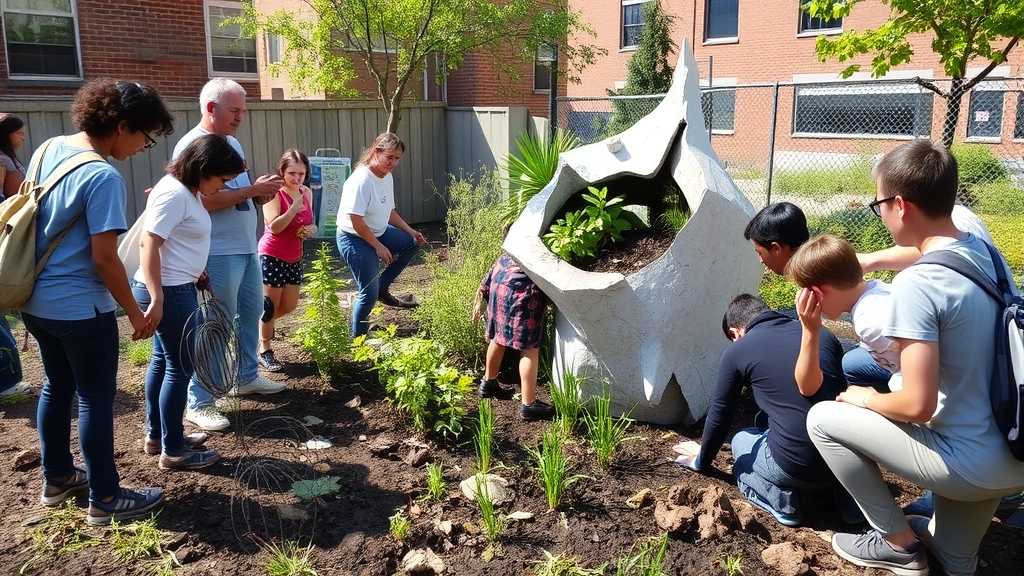
Contemporary environmental artists employ diverse strategies to advance ecological awareness and action. These include site-specific installations that respond to particular ecological conditions, bio-art projects engaging living organisms and biological processes, participatory artworks requiring community involvement, and artistic research investigating environmental phenomena through creative methodologies. Each approach generates distinct ecological and social outcomes while contributing to broader cultural shifts in how societies understand and value natural systems.
Measurable Ecosystem Impacts of Artistic Practice
While artistic practice is often associated with cultural and social dimensions, mounting evidence demonstrates direct, quantifiable impacts on ecosystem health and restoration. Artists increasingly collaborate with ecologists, environmental managers, and conservation organizations to design interventions that simultaneously serve aesthetic, social, and ecological functions. These hybrid projects produce measurable outcomes including habitat restoration, species recovery, pollution reduction, and ecosystem service enhancement.
Research documenting ecosystem impacts of artistic practice reveals several key mechanisms. Habitat restoration artworks integrate ecological design principles with creative vision, creating restored landscapes that simultaneously function as ecological recovery zones and aesthetic experiences. Examples include constructed wetlands designed as public art installations that improve water quality while engaging communities. Monitoring and visualization projects employ artistic methodologies to track ecological change, making invisible processes visible and comprehensible to diverse audiences. Collaborative restoration initiatives combine artistic practice with ecological science to mobilize community participation in ecosystem recovery, leveraging creative engagement to sustain long-term conservation effort.
The quantification of artistic environmental impact requires developing new metrics that capture both ecological and social dimensions. Traditional environmental impact assessment focuses on physical outcomes—species abundance, habitat area, pollutant concentrations. However, comprehensive assessment must also account for behavioral change, policy influence, cultural shifts, and knowledge production generated through artistic practice. Studies examining human-environment interaction patterns influenced by environmental art demonstrate that artistic interventions correlate with increased pro-environmental behaviors, enhanced environmental literacy, and greater willingness to support conservation policies.
Recent scholarship published in interdisciplinary journals documents specific ecosystem outcomes attributable to artistic practice. Research on participatory art projects addressing urban biodiversity shows that community-engaged artistic interventions increase native plant establishment by 15-30% compared to conventional restoration approaches, while simultaneously generating social cohesion and environmental stewardship. Projects integrating artistic practice with pollution remediation demonstrate that creative engagement enhances public understanding of contamination issues and builds political will for environmental remediation—outcomes difficult to achieve through technical communication alone.
Case Studies in Environmental Art
Examining specific artistic projects illuminates how creative practice generates ecosystem and social impacts. The following cases represent diverse geographic contexts, artistic mediums, and environmental challenges while demonstrating common mechanisms through which artistic practice advances environmental goals.
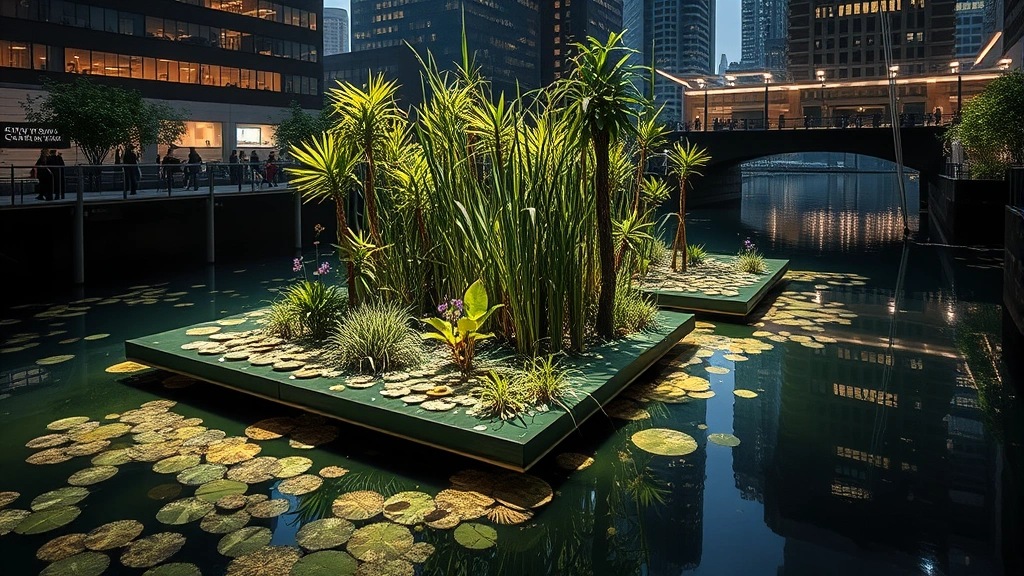
Floating Islands and Urban Water Quality: Several cities have commissioned artists to design floating island installations that simultaneously serve ecological and aesthetic functions. These projects employ native aquatic plants to filter water pollutants while creating visually striking public art experiences. The ecological benefits—nutrient uptake, phytoremediation, habitat provision—combine with social outcomes including increased waterfront access, community gathering space, and environmental education. Measurements document significant reductions in nitrogen and phosphorus concentrations in waterways hosting these installations.
Migration Art and Avian Ecology: Environmental artists have created monumental installations marking migratory routes of endangered bird species, combining sculptural intervention with ecological monitoring. These projects raise awareness about migration challenges while generating scientific data through community-based observation programs. The artistic dimension transforms migration from abstract ecological concept into lived, visible phenomenon that motivates conservation action.
Textile Arts and Textile Ecology: Artists working with fiber and textile materials increasingly investigate the ecological impacts of fabric production and consumption. Through exhibitions, workshops, and community projects, these artists illuminate connections between fashion systems and ecosystem degradation while proposing alternative production models. By making visible the environmental costs embedded in everyday textiles, these artists shift consumer consciousness and influence purchasing decisions.
Sound Art and Acoustic Ecology: Artists exploring soundscapes and acoustic environments contribute to growing recognition that environmental degradation includes acoustic pollution and biodiversity loss in sonic dimensions. Recording, amplifying, and reimagining natural sounds, these artists create experiences that attune audiences to nonhuman voices and communicate ecosystem disturbance through auditory experience.
Economic Dimensions of Environmental Artistry
Understanding how artistic practice impacts ecosystems requires examining economic dimensions, including how environmental art generates value, influences resource allocation, and shapes market mechanisms affecting ecosystem health. The intersection of art and environmental economics reveals complex relationships between creative practice, economic systems, and ecological outcomes.
Environmental artists increasingly engage with economic frameworks that quantify ecosystem services and natural capital. By translating ecological functions into economic terms, artists make environmental value comprehensible within market-based decision-making systems. Projects visualizing ecosystem service values—pollination, water purification, carbon sequestration—help policymakers and businesses recognize that environmental protection generates economic benefits. This approach aligns with frameworks advanced by institutions like the World Bank, which increasingly incorporate natural capital accounting into economic policy.
The economic impact of environmental art extends to how creative practice influences resource allocation and investment patterns. When artists effectively communicate environmental challenges and solutions, they influence consumer behavior, corporate sustainability commitments, and public funding for conservation. Research examining how to reduce carbon footprint through behavioral change demonstrates that artistic interventions generate sustained behavior modification more effectively than information-based approaches alone, suggesting significant economic value in environmental art’s capacity to influence consumption and production patterns.
However, critical perspectives emphasize that environmental art must engage with economic systems rather than merely operating within them. Artists investigating ecological economics—frameworks prioritizing ecosystem health over economic growth—challenge assumptions underlying mainstream environmental policy. Through artistic practice, these creators expose how conventional economic metrics obscure ecological costs and propose alternative value systems centered on ecological integrity and intergenerational justice. This critical artistic practice complements work by ecological economists at research institutions investigating alternatives to GDP-focused development models.
The commodification of environmental art presents both opportunities and challenges. Commercial success of environmental artists can amplify their messages and fund expanded practice, yet market mechanisms may dilute critical content or instrumentalize environmental art for corporate greenwashing. Navigating these tensions requires that artists maintain critical distance from economic systems while strategically engaging market mechanisms to advance environmental goals.
Community Engagement and Social Dimensions
The most transformative environmental art projects operate as community-engaged practices that mobilize collective action toward ecological goals. These participatory initiatives recognize that sustainable environmental change requires shifts in social relationships, cultural values, and collective decision-making—outcomes that artistic practice uniquely facilitates.
Community-engaged environmental art projects generate multiple social outcomes. They build environmental literacy by translating complex ecological concepts into accessible, experiential formats. They foster environmental identity by creating opportunities for individuals to experience themselves as environmental actors capable of generating positive change. They strengthen social cohesion by creating shared experiences around environmental issues, building relational bonds that sustain long-term conservation effort. They facilitate democratic participation by creating spaces where diverse community members can contribute to environmental decision-making.
Research examining area environments shaped by community-engaged art projects demonstrates that artistic practice generates distinctive social outcomes compared to top-down conservation approaches. Communities participating in environmental art projects report greater sense of agency, enhanced understanding of local ecological systems, and stronger commitment to environmental stewardship. These outcomes prove particularly significant in frontline communities experiencing disproportionate environmental burdens, where artistic practice can support community-led environmental justice initiatives.
The pedagogical dimensions of environmental art merit particular emphasis. Artists functioning as educators create learning experiences that engage multiple intelligences and learning modalities, reaching audiences whom conventional environmental education fails to engage. By combining artistic practice with ecological knowledge, artists demonstrate that environmental stewardship emerges not from guilt or obligation but from aesthetic appreciation, creative expression, and relational belonging with more-than-human worlds.
Future Trajectories and Integration Models
As ecological crises intensify, opportunities emerge for deeper integration of artistic practice within environmental governance, conservation science, and sustainability initiatives. Several trajectories suggest how environmental art may evolve and expand its ecological and social impacts.
Institutional Integration: Environmental organizations, conservation agencies, and ecological research institutions increasingly recognize value in collaborating with artists. Forward-thinking models integrate artistic practice within conservation planning, environmental monitoring, and stakeholder engagement. Museums and cultural institutions position environmental art at the center of their missions, recognizing that cultural institutions function as spaces where societies negotiate relationships with nature.
Technological Integration: Emerging technologies including digital platforms, data visualization, and immersive media create new possibilities for environmental art. Artists working with climate data visualization, augmented reality, and interactive installations generate novel forms of environmental communication capable of reaching digitally-native audiences and conveying temporal and spatial complexity of environmental change.
Policy Integration: Evidence accumulating regarding environmental art’s effectiveness in generating behavior change and public support for environmental protection creates opportunities for policy recognition. Some jurisdictions increasingly require environmental impact assessment to include cultural and aesthetic dimensions, creating space for artistic practice within regulatory frameworks. Others support environmental artists through dedicated funding and institutional partnerships.
Examining types of environments where artistic practice generates distinctive outcomes reveals that integration models must remain context-specific, responding to particular ecological conditions, cultural systems, and social needs. Urban environments benefit from artistic interventions addressing pollution, biodiversity loss, and disconnection from nature. Rural and indigenous territories benefit from artistic practice that honors traditional ecological knowledge and supports community-led conservation. Degraded ecosystems benefit from restoration art that mobilizes resources and imagination toward ecological recovery.
The future of environmental art depends partly on sustaining financial support and institutional recognition. This requires demonstrating measurable outcomes while resisting reduction of artistic practice to instrumental environmental goals. The most generative approach recognizes art’s intrinsic value while acknowledging its ecological and social significance—embracing what might be termed aesthetic environmentalism, which centers beauty, creativity, and cultural meaning-making as essential dimensions of sustainable futures.
Recent developments in environment and natural resources trust fund renewal demonstrate increasing recognition that cultural and artistic dimensions merit funding equivalent to technical conservation work. This shift reflects deeper understanding that environmental protection emerges through multiple knowledge systems, cultural practices, and forms of expression working in concert.
FAQ
How do artists measure their environmental impact?
Environmental artists employ diverse measurement approaches combining ecological metrics (species abundance, habitat area, water quality parameters) with social metrics (behavior change, environmental literacy, policy influence). Comprehensive impact assessment integrates quantitative and qualitative methodologies, recognizing that artistic practice generates outcomes not captured by conventional environmental monitoring.
Can artistic practice actually restore ecosystems?
Yes, when artists collaborate with ecologists and environmental managers, artistic practice can generate significant ecosystem restoration outcomes. Habitat restoration artworks, community-engaged conservation projects, and participatory environmental initiatives produce measurable improvements in ecosystem health while simultaneously generating cultural and social benefits.
What types of art are most effective for environmental change?
Effectiveness varies depending on environmental challenges, audience characteristics, and cultural contexts. Participatory and site-specific artworks tend to generate sustained engagement and behavior change. Projects combining aesthetic experience with scientific knowledge and community participation produce particularly robust outcomes across ecological and social dimensions.
How does environmental art differ from environmental activism?
While both environmental art and activism aim to advance ecological protection, they employ distinct methodologies. Environmental art prioritizes aesthetic experience, creative expression, and cultural meaning-making, while activism emphasizes political mobilization and direct action. Most transformative environmental practice integrates elements of both approaches.
What funding supports environmental artists?
Environmental artists access funding through arts councils, environmental foundations, conservation organizations, cultural institutions, and government agencies. Emerging funding mechanisms recognize environmental art’s distinctive contributions to sustainability, though financial support remains limited compared to technical conservation work. Building sustainable funding models requires ongoing advocacy and impact documentation.
How can communities initiate environmental art projects?
Communities can initiate environmental art projects by identifying local ecological priorities, connecting with environmental artists, and building partnerships with cultural institutions, conservation organizations, and local government. Successful projects emerge through collaborative processes that honor community knowledge, environmental expertise, and artistic vision.


