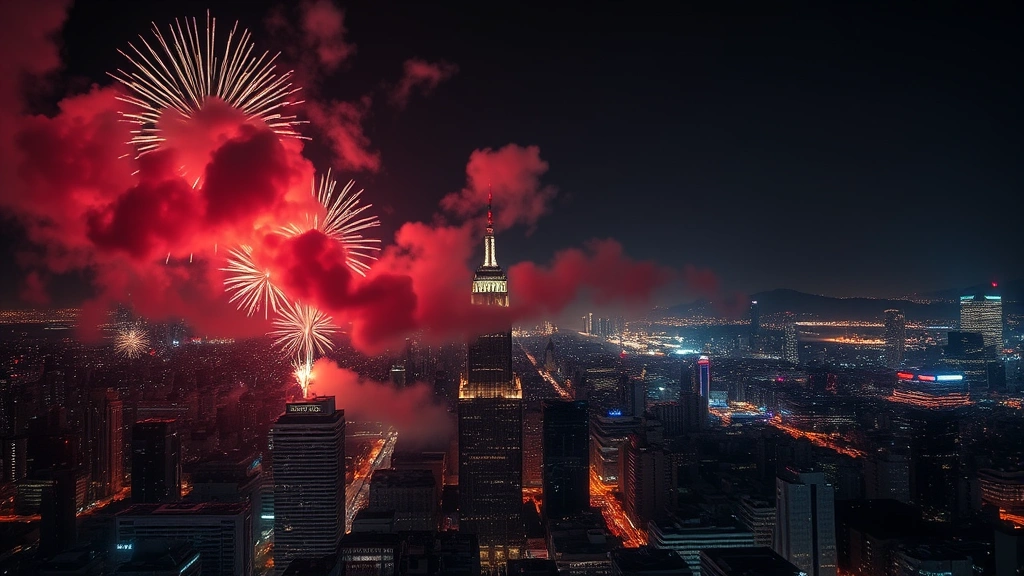
Fireworks’ Environmental Impact: A Deep Dive
Fireworks represent a paradox in modern celebrations: they illuminate our skies during moments of collective joy while simultaneously releasing pollutants that compromise air quality, contaminate water systems, and disturb wildlife ecosystems. Each year, billions of fireworks are detonated worldwide during New Year’s Eve, Independence Day, Diwali, and countless regional festivals, creating a temporary but measurable spike in environmental degradation. The environmental cost of these pyrotechnic displays extends far beyond the brief visual spectacle, affecting atmospheric composition, aquatic ecosystems, and terrestrial habitats in ways that scientists and environmental economists are only beginning to fully quantify.
The question are fireworks bad for the environment demands a nuanced answer grounded in scientific evidence and ecological economics. While individual fireworks may seem insignificant, their aggregate impact—particularly when millions detonate simultaneously across cities and regions—creates measurable pollution events comparable to weeks of vehicular emissions. Understanding this impact requires examining chemical composition, atmospheric effects, aquatic contamination, wildlife disruption, and the broader framework of human environment interaction through consumption patterns and celebration practices.

Chemical Composition and Atmospheric Emissions
Fireworks are engineered devices designed to produce visual and auditory effects through rapid chemical reactions. The typical firework contains multiple chemical components: oxidizers (potassium perchlorate, potassium nitrate), fuels (charcoal, sulfur), binders, and colorants (metal salts including copper compounds for blue, strontium for red, barium for green, and sodium for yellow). When ignited, these compounds undergo exothermic reactions that generate not only the desired light and sound but also numerous unintended byproducts including particulate matter, heavy metals, and volatile organic compounds.
A single firework shell can release multiple pollutants simultaneously. The combustion process generates carbon dioxide and carbon monoxide, while metal-based colorants release their constituent elements into the atmosphere in particulate form. Copper compounds, for instance, are known to produce fine particulate matter (PM2.5) that penetrates deep into the respiratory system. Studies measuring emissions during peak fireworks nights reveal that particulate matter concentrations can increase by 50-200% compared to baseline levels, with some cities experiencing air quality indices shifting from moderate to unhealthy within hours.
The atmospheric persistence of these emissions varies by particle size and meteorological conditions. Fine particles (PM2.5 and smaller) can remain suspended in the atmosphere for days or weeks, traveling considerable distances from their emission source. This means that the environmental impact of fireworks extends geographically beyond the celebration sites, affecting air quality in surrounding regions. Research conducted by the World Bank and environmental monitoring agencies has documented how major fireworks events create measurable air pollution signatures visible in satellite data.

Air Quality Degradation and Health Implications
The acute air quality impacts of fireworks are well-documented through monitoring networks in major cities worldwide. On New Year’s Eve in cities like Delhi, Beijing, and Bangkok, air quality measurements show dramatic spikes in pollutant concentrations. Delhi’s 2016 New Year’s celebrations saw PM2.5 levels reach 600 micrograms per cubic meter—more than 30 times the World Health Organization’s recommended safe level. These acute pollution events contribute to respiratory distress, cardiovascular strain, and exacerbation of pre-existing conditions in vulnerable populations.
The health burden of fireworks-related air pollution represents a significant but often-overlooked externality in impacts humans have had on the environment. Economic analyses attempting to quantify healthcare costs associated with fireworks-related pollution events suggest expenditures in the hundreds of millions of dollars annually across affected regions. Hospital admissions for respiratory complaints increase noticeably during and immediately following major fireworks events, particularly among children, elderly populations, and individuals with asthma or chronic obstructive pulmonary disease.
Beyond acute effects, chronic exposure to fireworks-related pollution contributes to long-term health burdens. Particulate matter from fireworks contains components associated with systemic inflammation, oxidative stress, and endothelial dysfunction. When fireworks events occur repeatedly throughout the year—as happens in regions with multiple major celebrations—the cumulative health impact becomes substantial. Research in ecological economics emphasizes the importance of quantifying these health externalities to accurately assess the true cost of celebration practices.
Water Contamination and Aquatic Ecosystems
While atmospheric emissions receive the most attention, fireworks’ impact on aquatic systems is equally significant and often underestimated. When fireworks detonate over water—a common practice in coastal cities and waterfront celebrations—residues fall directly into aquatic environments. Additionally, atmospheric particulates eventually settle through precipitation or gravitational deposition into water bodies. The chemical constituents of fireworks, particularly heavy metals, accumulate in sediments and bioaccumulate through aquatic food webs.
Copper, a primary component in blue-colored fireworks, has been identified in elevated concentrations in sediments near major fireworks celebration sites. Studies of river sediments and coastal zones adjacent to cities with regular fireworks events show copper concentrations 2-10 times higher than background levels. Copper toxicity to aquatic organisms occurs at relatively low concentrations, affecting fish gill function, reproduction, and neural development. Barium, used for green effects, also poses aquatic toxicity concerns, particularly for invertebrates and early-life-stage fish.
The ecosystem consequences extend beyond direct chemical toxicity. Fireworks residues alter sediment chemistry, affecting benthic microbial communities and nutrient cycling processes. Heavy metal accumulation in aquatic sediments creates persistent sources of contamination that continue affecting organisms long after the fireworks event concludes. Fish and invertebrates that consume contaminated sediments or prey accumulate these metals in their tissues, potentially transferring them up food chains to larger predators and, ultimately, to human consumers through seafood consumption.
Wildlife Disruption and Behavioral Changes
The acoustic and luminous disturbances created by fireworks represent a profound environmental stressor for wildlife. Animals rely on sensory cues for critical behaviors including foraging, reproduction, predator avoidance, and migration navigation. Fireworks disrupt these fundamental ecological processes through multiple mechanisms: the sudden, intense noise triggers startle responses and stress reactions; the bright flashes disorient nocturnal animals and disrupt circadian rhythms; and the unpredictability of explosions prevents habituation and maintains chronic stress states.
Behavioral studies documenting fireworks impacts on wildlife reveal elevated cortisol levels (indicating chronic stress), disrupted feeding patterns, abandoned nesting sites, and altered migration timing in birds exposed to fireworks events. Marine mammals, particularly cetaceans and pinnipeds, exhibit avoidance behaviors and acoustic masking effects when fireworks detonate in coastal waters. The underwater sound pressure waves from aquatic fireworks can cause temporary or permanent hearing damage in marine species dependent on acoustic communication.
Population-level consequences emerge when fireworks-related disturbances coincide with critical life stages. Birds disturbed during nesting season may abandon eggs or nestlings, reducing reproductive success. Species migrating during celebration periods may alter migration routes or timing, increasing energy expenditure and predation risk. Over multiple years, cumulative impacts on populations can reduce breeding success, increase mortality rates, and alter species composition in affected areas. This represents a form of environmental impact that operates through behavioral mechanisms often invisible to casual observation.
Soil and Terrestrial Ecosystem Effects
Fireworks residues that settle on terrestrial surfaces create localized contamination of soil ecosystems. Heavy metals from fireworks accumulate in surface soils, particularly in the immediate vicinity of celebration sites. Copper, barium, lead, and aluminum—all common fireworks constituents—are deposited directly onto vegetation and soil during detonation, and additional quantities settle from atmospheric transport. These metals persist in soil for years, potentially decades, creating long-term contamination sources.
Soil microbial communities, fundamental to nutrient cycling and ecosystem function, are sensitive to heavy metal contamination. Studies of soils near fireworks celebration sites show reduced microbial diversity, altered enzyme activity, and decreased decomposition rates. These changes ripple through terrestrial food webs, affecting plant nutrition, herbivore populations, and predator-prey dynamics. Plants growing in contaminated soils accumulate heavy metals in tissues, which can be transferred to herbivores and subsequently to higher trophic levels.
The terrestrial contamination from fireworks also affects soil structure and water infiltration. Particulate matter settling on soil surfaces can create hydrophobic layers that reduce water penetration and increase runoff, leading to erosion and further transport of contaminants to aquatic systems. In areas with repeated fireworks events, cumulative soil contamination can eventually exceed ecological thresholds, reducing soil fertility and vegetation productivity.
Economic Externalities and Cost Assessment
From an ecological economics perspective, fireworks represent a classic case of negative externalities—costs borne by society and ecosystems rather than by those purchasing and detonating fireworks. The full environmental cost of fireworks includes air quality degradation, healthcare expenditures, ecosystem remediation, and lost ecosystem services. Attempts to quantify these externalities reveal substantial hidden costs.
A comprehensive economic analysis would incorporate multiple cost categories: direct health costs from respiratory and cardiovascular impacts; ecosystem service losses including reduced air purification, water filtration, and pollination services; remediation costs for contaminated water bodies and soils; and biodiversity losses valued through various ecosystem service valuation methodologies. Research from environmental economics institutions suggests that the true environmental cost of fireworks may exceed their purchase price by factors of 10 to 100, depending on local environmental sensitivity and population health characteristics.
The economic framework for understanding fireworks impacts connects to broader discussions about how to reduce carbon footprint and environmental cost accounting. Policy instruments that internalize these externalities—through taxation, permits, or prohibition—are increasingly being implemented in regions where air quality and ecosystem health are priorities. Such policies reflect the principle that market prices should reflect full environmental costs, ensuring that consumption decisions account for true scarcity and environmental impacts.
Sustainable Alternatives and Policy Solutions
Recognition of fireworks’ environmental impacts has catalyzed development of alternative celebration methods with substantially lower environmental footprints. Drone light shows, using coordinated unmanned aerial vehicles to create dynamic aerial displays, eliminate chemical emissions entirely while producing sophisticated visual effects. Cities including Dubai, Los Angeles, and Sydney have adopted drone displays for major celebrations, demonstrating technical and aesthetic viability of emission-free alternatives.
LED-based light shows and projection mapping technologies offer additional alternatives that eliminate particulate emissions and chemical contamination. These technologies require electrical energy but typically have lower overall environmental impact than fireworks, particularly when powered by renewable sources. Furthermore, these alternatives enable greater control and precision, reducing light pollution and wildlife disturbance compared to the unpredictable, dispersed effects of traditional fireworks.
Policy approaches to reducing fireworks impacts range from prohibition to regulation to incentive-based mechanisms. Several jurisdictions have implemented fireworks bans during periods of poor air quality or critical wildlife breeding seasons. Other regions restrict fireworks to designated times and locations, minimizing impacts on sensitive ecosystems and populations. Incentive programs offering subsidies for alternative celebration methods have successfully shifted preferences in some communities.
Educational campaigns emphasizing fireworks’ environmental impacts have contributed to changing social norms in some regions, particularly among younger populations. By connecting celebration practices to visible environmental degradation—through air quality monitoring displays and ecosystem health information—communities can align celebration choices with environmental values. This represents a form of behavioral change grounded in awareness rather than regulation alone.
International policy frameworks addressing air quality and pollution increasingly recognize fireworks as significant contributors to episodic pollution events. Coordination with major celebration events, involving air quality forecasting and public health advisories, helps vulnerable populations prepare for and protect themselves from acute pollution exposures. Some regions have implemented “green fireworks” standards requiring lower-heavy-metal formulations, though these represent partial solutions rather than complete environmental mitigation.
The transition toward sustainable celebration practices reflects broader economic and ecological principles about aligning human activities with environmental boundaries. As understanding of fireworks’ true environmental costs deepens, policy frameworks are increasingly reflecting the principle that celebration practices should not compromise air quality, water integrity, or wildlife wellbeing. This shift represents progress toward celebration models that honor both human cultural traditions and ecological integrity.
FAQ
What specific chemicals in fireworks cause the most environmental damage?
Copper compounds (blue colorants) and perchlorate oxidizers pose the greatest environmental risks. Copper is highly toxic to aquatic organisms at low concentrations, while perchlorates persist in water systems and can affect thyroid function in exposed organisms. Barium (green effects) and lead compounds also contribute significantly to environmental contamination, though lead-based formulations have been restricted in many jurisdictions.
How long do fireworks’ environmental effects persist?
Atmospheric particulates typically settle within days to weeks, but chemical residues persist much longer. Heavy metals in soils and sediments can remain bioavailable for years or decades. Aquatic sediment contamination may persist indefinitely unless active remediation occurs. Ecosystem recovery timelines depend on contamination severity and ecosystem resilience.
Can “eco-friendly” or “green” fireworks eliminate environmental impacts?
Formulations using reduced-heavy-metal compositions minimize some impacts but don’t eliminate environmental effects. All fireworks produce particulate matter, create noise pollution, and generate chemical byproducts. Green formulations represent improvements but aren’t true solutions—alternative celebration methods provide more complete environmental mitigation.
How do fireworks impact indoor air quality?
While fireworks detonate outdoors, indoor air quality is affected through infiltration of outdoor particulates. Buildings without effective air filtration experience indoor PM2.5 concentrations 50-80% of outdoor levels during fireworks events. Vulnerable populations indoors during major fireworks events still experience health impacts from outdoor air pollution penetration.
What can individuals do to reduce fireworks’ environmental impact?
Choose celebrations featuring drone displays or LED shows rather than traditional fireworks. Support community initiatives promoting sustainable alternatives. Advocate for local policies restricting fireworks during poor air quality periods or sensitive ecological seasons. Educate others about environmental and health impacts. Consider celebrating without fireworks or with minimal pyrotechnic displays. Participate in beach and park cleanups after fireworks events to remove residual contamination.
Are there regulations limiting fireworks in environmentally sensitive areas?
Yes, many jurisdictions restrict fireworks in or near protected ecosystems, sensitive habitats, and areas with air quality concerns. Some regions prohibit fireworks during breeding seasons or migration periods. However, regulatory coverage remains incomplete globally, with significant enforcement challenges in many areas. Expansion of protective regulations represents an important policy priority.


