Arctic Pollution’s Impact: State Report Insights
The Arctic region faces unprecedented environmental challenges as documented in the latest State of the Arctic Environment report. Rising temperatures, industrial expansion, and transboundary pollution have created a complex crisis affecting ecosystems, indigenous communities, and global climate patterns. This comprehensive analysis reveals how Arctic pollution issues extend far beyond regional boundaries, influencing global atmospheric circulation and economic systems dependent on polar stability.
Understanding Arctic pollution requires examining multiple pollution pathways: atmospheric deposition of contaminants from distant industrial sources, oceanic transport of persistent organic pollutants, and direct industrial activities within Arctic territories. The Arctic amplification phenomenon—where warming occurs twice as fast as global averages—accelerates pollutant mobilization from frozen reservoirs, releasing legacy contaminants accumulated over decades into active biogeochemical cycles.

Arctic Pollution Sources and Transport Mechanisms
Arctic pollution originates from both local and distant sources, creating a unique environmental challenge. The Arctic receives contaminants through atmospheric circulation patterns, particularly the Arctic front that acts as a convergence zone for pollutants traveling from mid-latitudes. This phenomenon, known as “grasshopper effect,” involves repeated cycles of volatilization and deposition as pollutants migrate northward across temperature gradients.
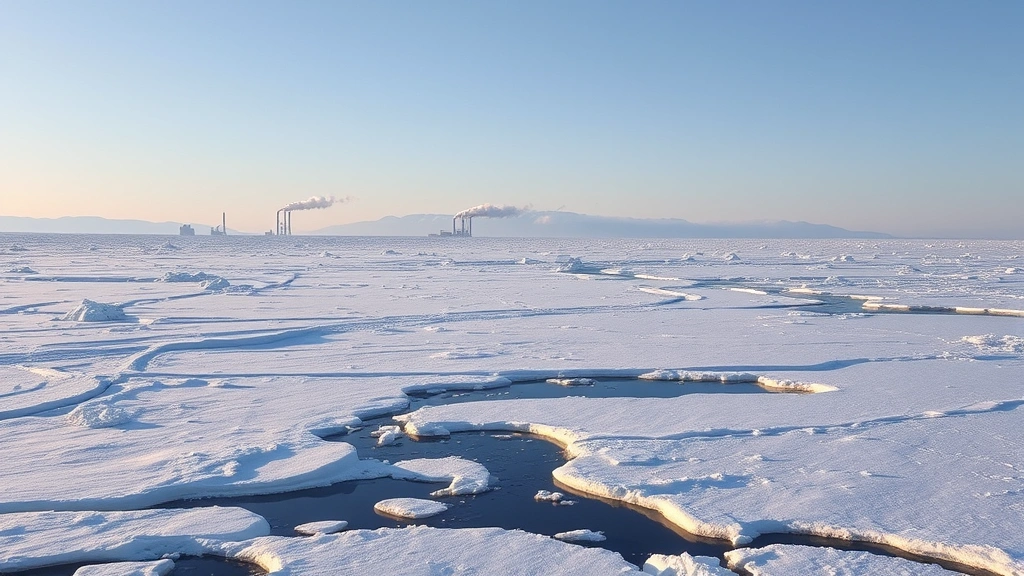
Industrial activities within the Arctic—including oil and gas extraction, mining, and shipping—contribute directly to regional pollution. Russia’s industrial zones, particularly around Norilsk, release massive quantities of sulfur dioxide and heavy metals. Meanwhile, shipping traffic through newly accessible Arctic passages introduces marine pollution, including fuel residues and ballast water contamination. The Yamal Peninsula’s natural gas development projects exemplify how human environment interaction in Arctic regions creates cascading environmental consequences.
Atmospheric transport proves particularly significant. Pollution from European and Asian industrial centers reaches the Arctic within days through prevailing westerly winds. The Arctic inversion layer—a stable atmospheric condition during winter—traps pollutants near the surface, concentrating contaminants in the lower troposphere where they interact with ecosystems and human populations. This meteorological phenomenon explains why the Arctic experiences “Arctic haze,” a visible brown layer of accumulated aerosols and particulates observed during winter months.
Oceanic transport mechanisms add another dimension to Arctic pollution pathways. The Atlantic Meridional Overturning Circulation carries contaminated water northward, while the Beaufort Gyre—a clockwise ocean current in the Canadian Arctic—concentrates floating pollutants within its circulation pattern. Microplastics, originating primarily from degraded consumer products and synthetic textiles, accumulate in Arctic waters at concentrations comparable to heavily polluted temperate oceans.
Persistent Organic Pollutants and Heavy Metals
Persistent organic pollutants (POPs) represent the most insidious Arctic pollution threat due to their bioaccumulation properties and resistance to environmental degradation. Legacy compounds including polychlorinated biphenyls (PCBs), dichlorodiphenyltrichloroethane (DDT), and hexachlorocyclohexane (HCH)—banned decades ago in developed nations—continue circulating through Arctic ecosystems. These substances, banned under the Stockholm Convention on Persistent Organic Pollutants, remain environmentally active due to their extreme stability and lipophilic characteristics.
The State of the Arctic Environment report documents alarming bioaccumulation patterns in marine mammals. Polar bear blubber contains POP concentrations 10,000 times higher than surrounding seawater, creating severe reproductive and immunological consequences. Beluga whales in the Canadian Arctic show contamination levels that qualify their tissues as hazardous waste under Canadian environmental regulations. These bioaccumulation patterns reflect the Arctic food web’s efficiency in concentrating lipophilic contaminants through trophic transfer.
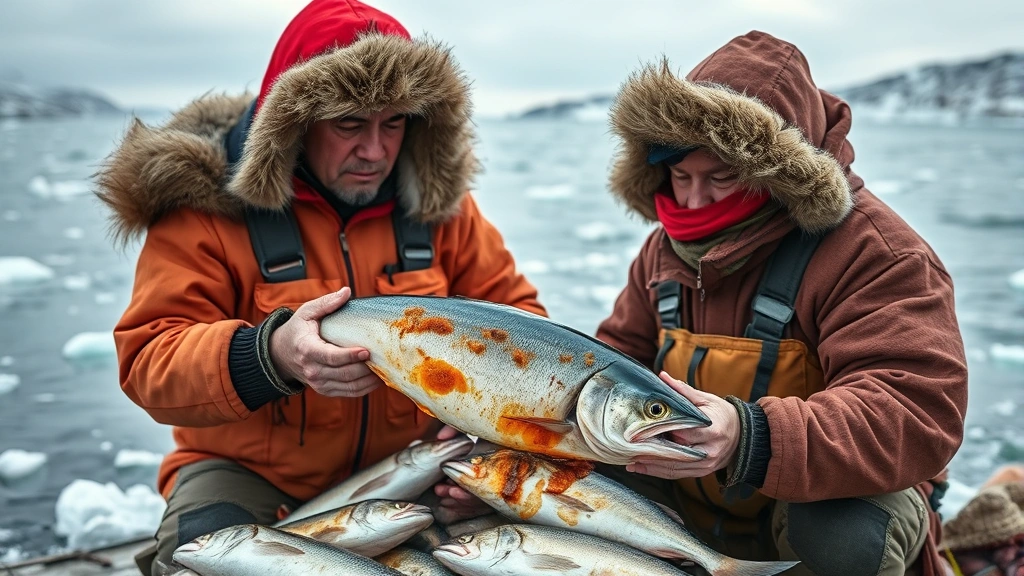
Heavy metal pollution presents equally concerning patterns. Mercury deposition in Arctic snow and ice reaches concentrations several times higher than background levels, with industrial sources in Russia and China contributing significantly to atmospheric mercury flux. Arctic methylation processes—biochemical pathways converting inorganic mercury to toxic methylmercury—accelerate in warming waters and sediments, increasing bioavailable mercury concentrations. Fish and marine mammals accumulate methylmercury to levels causing neurological damage in predators and subsistence-dependent indigenous communities.
Lead, cadmium, and arsenic contamination documented in the report reveals industrial activity’s fingerprints across Arctic regions. Permafrost thawing mobilizes historically deposited metals, creating secondary pollution pulses as frozen soils release accumulated contaminants. This process exemplifies how science environment interactions involve complex temporal dynamics where past pollution becomes present environmental stress.
Emerging contaminants—including perfluorinated compounds (PFAS), used in industrial applications and consumer products—present novel Arctic pollution challenges. These “forever chemicals” resist degradation through all known environmental pathways and concentrate in Arctic wildlife with increasing severity. PFAS contamination in Arctic drinking water and traditional food sources has prompted health advisories for indigenous populations in Greenland and Canada.
Ecosystem Impacts and Food Web Disruption
Arctic ecosystems demonstrate remarkable sensitivity to pollution stress, particularly in nutrient-limited environments where biogeochemical cycling operates on narrow margins. Phytoplankton communities—foundational to Arctic marine productivity—show altered species composition and reduced productivity under combined pollution and warming stress. Reduced primary production cascades through food webs, affecting fish recruitment and marine mammal population dynamics.
Benthic ecosystems face particular vulnerability as pollution accumulates in sediments. Arctic seafloor communities, adapted to stable conditions and slow metabolic rates, demonstrate limited capacity for pollution tolerance. Amphipods, key detritivores in Arctic food webs, show behavioral and physiological impairments at pollution concentrations documented in continental shelf sediments. This disruption propagates upward through food chains, affecting fish populations and ultimately marine mammal nutrition.
Freshwater Arctic ecosystems experience pollution impacts through atmospheric deposition and permafrost thawing. Arctic lakes, historically oligotrophic (nutrient-poor) and minimally contaminated, now show measurable POP and heavy metal concentrations. Char populations—important subsistence resources for Arctic communities—accumulate methylmercury at levels exceeding food safety guidelines in some regions. Thawing permafrost releases organic matter, altering lake chemistry and enhancing methylation processes that increase bioavailable mercury.
Terrestrial Arctic ecosystems face pollution stress through lichen and moss contamination. These plants, lacking true root systems, absorb nutrients and contaminants directly from atmospheric deposition and dust. Reindeer and musk ox consuming contaminated vegetation accumulate pollutants, creating health impacts for wild populations and subsistence-dependent herds. Pollution stress interacts synergistically with climate change, as vegetation composition shifts and grazing patterns alter, potentially increasing pollution exposure pathways.
Migratory bird populations represent sentinel species for Arctic pollution assessment. Seabirds wintering in polluted temperate oceans and breeding in Arctic regions show elevated contaminant burdens affecting reproduction and survival. The State of the Arctic Environment report documents population declines in species including thick-billed murres and ivory gulls, attributable partly to pollution-mediated immune suppression and reproductive disruption.
Economic Implications for Arctic Communities
Arctic pollution creates substantial economic costs affecting both industrial and subsistence economies. Traditional hunting and fishing—foundational to indigenous Arctic communities—face restrictions due to food safety concerns regarding contaminant levels. Greenlandic communities report declining consumption of traditional seal meat due to documented PCB and mercury contamination, disrupting cultural practices and nutritional systems refined over millennia.
The reduction of carbon footprint through Arctic industrial regulation could generate economic benefits through avoided health costs. However, Arctic nations face tension between development opportunities and environmental protection. Oil and gas industries, central to Arctic economies, resist pollution regulation that could increase operational costs. The economic valuation of ecosystem services—including carbon sequestration, nutrient cycling, and cultural values—remains contentious in policy debates.
Tourism represents an expanding Arctic economic sector vulnerable to pollution impacts. Arctic tourism depends on pristine environmental imagery and authentic indigenous cultural experiences. Pollution visible through contaminated wildlife populations or restricted traditional food access undermines tourism marketing and community benefits. Climate change and pollution together threaten the ecological foundations supporting Arctic tourism’s economic potential.
Health costs associated with Arctic pollution disproportionately affect indigenous populations dependent on traditional diets. Elevated mercury exposure in communities consuming fish and marine mammals creates neurological risks, particularly for developing fetuses and young children. Healthcare costs, lost productivity, and reduced life expectancy create substantial economic burdens borne primarily by communities least responsible for pollution generation.
Arctic pollution impacts extend globally through supply chain disruptions and commodity price volatility. Arctic fisheries contribute significantly to global seafood supplies; pollution-driven productivity declines increase seafood prices affecting global food security. Mineral extraction—increasingly important for renewable energy and electronics manufacturing—faces operational challenges as permafrost thawing and environmental regulations increase costs.
Indigenous Knowledge and Environmental Monitoring
Indigenous Arctic communities possess centuries of environmental observation experience, providing crucial baseline data for pollution assessment. Traditional ecological knowledge (TEK) documents changes in animal behavior, migration patterns, and ecosystem productivity that complement scientific monitoring. The State of the Arctic Environment report increasingly incorporates indigenous observations, recognizing that Western science alone provides incomplete understanding of Arctic environmental change.
Inuit and Sámi communities report observations of wildlife health changes—including unusual animal behavior, reproductive failures, and disease emergence—preceding scientific documentation. These observations, rooted in intimate ecosystem knowledge, provide early warning signals for pollution impacts. Integrating TEK with scientific monitoring creates more robust environmental assessment frameworks.
Community-based monitoring programs, led by indigenous organizations, generate localized pollution data while building capacity and employment within Arctic communities. Programs monitoring mercury in fish, POPs in marine mammals, and contaminants in traditional foods provide both scientific data and community empowerment. These initiatives represent environmental stewardship approaches combining scientific rigor with cultural values.
However, indigenous communities face barriers implementing monitoring and remediation programs. Limited funding, political marginalization, and jurisdictional complexity constrain indigenous environmental governance. Arctic pollution represents a form of environmental injustice where communities bearing minimal responsibility for pollution generation experience disproportionate exposure and health impacts.
Regulatory Frameworks and International Cooperation
Arctic pollution governance involves multiple overlapping frameworks including the Stockholm Convention on Persistent Organic Pollutants, the Arctic Council’s monitoring programs, and national environmental regulations. The Arctic Council, comprising eight Arctic nations and permanent participants representing indigenous peoples, coordinates pollution monitoring and response through the Arctic Monitoring and Assessment Programme (AMAP).
However, regulatory fragmentation limits pollution control effectiveness. Nations including Russia and the United States maintain differing environmental standards, creating regulatory arbitrage opportunities where industries relocate to jurisdictions with weaker pollution controls. The Arctic Council’s consensus-based decision-making allows individual nations to block pollution regulations affecting their economic interests.
International cooperation through the United Nations Environment Programme and regional agreements addresses transboundary pollution. The Convention on Long-Range Transboundary Air Pollution limits atmospheric pollution transport, though enforcement remains inconsistent. Maritime pollution regulations through the International Maritime Organization address shipping-related contamination in Arctic waters.
The Paris Agreement climate commitments create indirect pollution reduction benefits. Transitioning from fossil fuels through renewable energy adoption reduces atmospheric pollution deposition while addressing climate change. However, renewable energy manufacturing creates novel pollution challenges, including rare earth element contamination and electronic waste generation.
Arctic nations increasingly recognize pollution as a security issue affecting food sovereignty and indigenous rights. The Inuit Circumpolar Council has declared Arctic pollution a human rights violation, framing environmental protection as indigenous rights protection. This framing strengthens political momentum for pollution regulation by connecting environmental protection to international human rights commitments.
Mitigation Strategies and Future Outlook
Effective Arctic pollution mitigation requires addressing both legacy contamination and ongoing pollution sources. Remediation of contaminated sites—including abandoned industrial facilities and military installations—removes persistent pollution sources. However, remediation costs exceed available funding, and permafrost degradation complicates site cleanup by mobilizing previously stable contaminants.
Pollution source reduction at origin—particularly in Asian industrial centers—offers the highest mitigation efficiency. Implementing best available technologies in coal-burning power plants, metal smelting operations, and chemical manufacturing reduces atmospheric pollution deposition. International cooperation through the Asian Development Bank and bilateral agreements supports pollution control investments in developing Arctic-adjacent nations.
Circular economy principles offer substantial pollution reduction potential. Reducing persistent chemical production, restricting plastic consumption, and implementing extended producer responsibility systems decrease pollution generation. These approaches require coordinated policy implementation across nations and industries, facing resistance from incumbent economic interests.
Climate change adaptation strategies must integrate pollution considerations. Arctic communities developing climate resilience plans require simultaneous pollution risk reduction to protect food security and health. Diversifying food sources beyond traditional hunting and fishing reduces contamination exposure but threatens cultural continuity and indigenous rights.
Emerging technologies including advanced water treatment, contaminated sediment remediation, and pollution monitoring sensors offer tools for pollution management. However, technological solutions alone cannot address Arctic pollution’s systemic causes rooted in industrial production patterns and consumption systems. Transformative change requires questioning fundamental assumptions about economic growth and resource extraction in Arctic regions.
The State of the Arctic Environment report projects pollution impacts will intensify without aggressive mitigation. Arctic amplification accelerates contaminant mobilization from permafrost and ice, while expanding industrial activity increases pollution generation. Achieving Arctic environmental sustainability requires transitioning from extractive economies toward regenerative systems respecting ecological limits and indigenous sovereignty.
FAQ
What are the primary sources of Arctic pollution?
Arctic pollution originates from atmospheric transport from distant industrial centers, oceanic circulation of persistent contaminants, and direct Arctic industrial activities including oil and gas extraction, mining, and shipping. Atmospheric deposition and the “grasshopper effect” transport pollutants northward across temperature gradients, while oceanic currents concentrate floating pollutants within Arctic circulation patterns.
How do persistent organic pollutants accumulate in Arctic food webs?
POPs bioaccumulate through trophic transfer as predators consume contaminated prey, concentrating lipophilic compounds in blubber and fatty tissues. Polar bears at the food web apex contain POP concentrations 10,000 times higher than seawater. This bioaccumulation reflects the Arctic food web’s efficiency in concentrating contaminants and the extreme stability of banned chemicals including PCBs and DDT.
Why does Arctic pollution affect indigenous communities disproportionately?
Indigenous Arctic communities depend on traditional diets rich in fish and marine mammals that accumulate contaminants to dangerous levels. Restricted food access due to contamination undermines cultural practices, nutritional systems, and economic security. Communities bear minimal responsibility for pollution generation while experiencing maximum exposure and health impacts, representing environmental injustice.
What international agreements address Arctic pollution?
The Stockholm Convention on Persistent Organic Pollutants, Arctic Council monitoring programs, and the Convention on Long-Range Transboundary Air Pollution provide regulatory frameworks. However, enforcement remains inconsistent, and consensus-based Arctic Council decision-making allows individual nations to block pollution regulations affecting economic interests. Climate agreements indirectly reduce Arctic pollution through fossil fuel reduction.
How does climate change accelerate Arctic pollution impacts?
Arctic amplification—warming at twice the global rate—accelerates contaminant mobilization from permafrost and ice. Thawing permafrost releases accumulated legacy contaminants, while warming waters enhance methylation processes converting inorganic mercury to toxic methylmercury. Climate change and pollution interact synergistically, amplifying ecosystem disruption and health impacts across Arctic regions.


