
Alex Charfen on Economy’s Ecosystem Impact: Bridging Business Growth and Environmental Sustainability
The intersection of economic development and environmental preservation represents one of the most pressing challenges of our era. Business strategist and entrepreneur Alex Charfen has increasingly focused on how modern economic systems impact natural ecosystems, challenging the conventional wisdom that growth and sustainability exist in opposition. His perspective bridges traditional business acceleration methodologies with ecological awareness, offering insights into how entrepreneurs and corporations can align profit motives with planetary health.
Charfen’s work emphasizes that the economy operates within ecological boundaries—a principle gaining traction among ecological economists and environmental scientists worldwide. As companies scale and economies expand, the consequences ripple through natural systems. Understanding these interconnections requires examining how business practices, consumer behavior, and policy frameworks collectively shape both economic prosperity and ecosystem health.
This comprehensive analysis explores Charfen’s perspectives on economic-ecosystem relationships, examining the mechanisms through which business activities affect environmental systems and identifying pathways toward more sustainable economic models.

Understanding the Economy-Ecosystem Relationship
The relationship between economic systems and ecosystems operates through complex feedback loops often overlooked in traditional economic analysis. When we examine the definition of environment in science, we recognize that ecosystems provide essential services—water purification, pollination, carbon sequestration, soil formation—that underpin all economic activity. Yet standard economic models frequently treat these services as externalities rather than foundational capital.
Ecological economics, as researched by institutions like the World Bank’s environmental division, demonstrates that economic growth decoupled from resource consumption remains largely theoretical at global scales. Most developing and developed economies continue increasing material throughput alongside GDP growth, despite technological improvements in efficiency.
The human-environment interaction fundamentally shapes economic outcomes. Industrial agriculture depletes soil fertility, reducing future productivity. Overfishing collapses fisheries that once supported millions. Deforestation eliminates carbon sinks while triggering regional climate disruption. These aren’t merely environmental problems—they represent economic risks threatening long-term prosperity and business continuity.
Alex Charfen’s perspective recognizes that entrepreneurs operating within degraded ecosystems face escalating operational costs, supply chain vulnerabilities, and regulatory pressures. Companies extracting value from natural systems without replenishing them engage in liquidating natural capital—a practice unsustainable by definition.
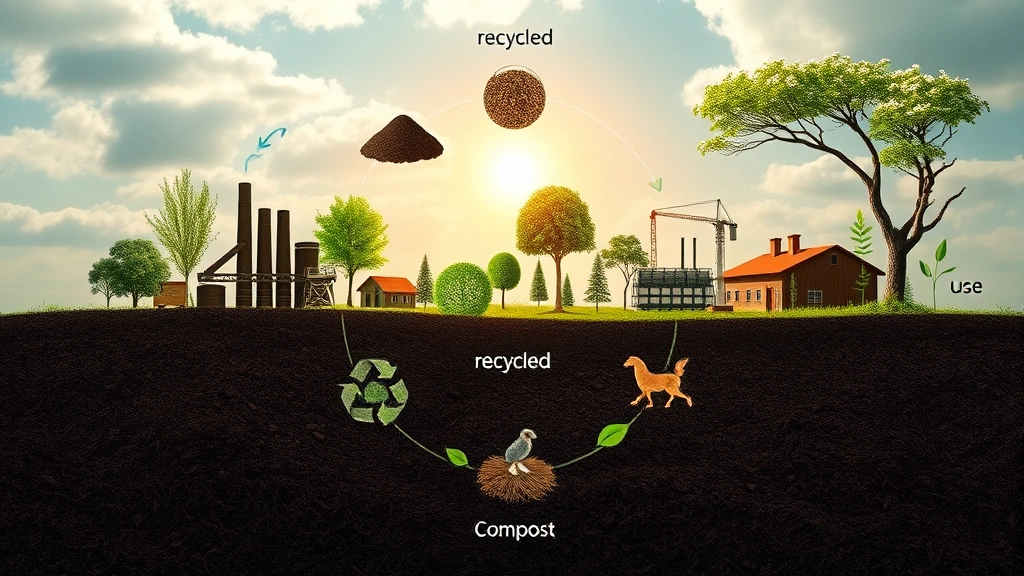
Alex Charfen’s Business Philosophy and Environmental Integration
Charfen has built his reputation on helping entrepreneurs scale businesses through systematic frameworks emphasizing clarity, alignment, and sustainable growth. His methodology increasingly incorporates environmental considerations as integral to long-term business viability rather than peripheral concerns.
The core insight underlying Charfen’s approach involves recognizing that true business acceleration requires operating within natural system constraints. Companies that ignore ecological boundaries eventually face resource scarcity, regulatory backlash, consumer backlash, and operational disruptions. Conversely, businesses proactively managing their environmental footprint build resilience, enhance brand loyalty, and reduce regulatory risk.
Charfen distinguishes between growth that creates value and growth that merely extracts it. A company doubling revenue while halving water usage or eliminating toxic waste streams achieves genuine scalability. A company increasing profits through resource depletion or ecosystem damage practices accounting fraud against nature—externalizing costs that eventually return as liabilities.
His framework emphasizes regenerative business practices—operations that leave ecosystems healthier than before engagement. This contrasts with sustainability’s more modest goal of minimizing harm. Regenerative approaches ask: How can our business improve soil health, enhance biodiversity, purify water, or sequester carbon while generating profit?
Scaling Businesses Responsibly Within Ecological Limits
Rapid business scaling often conflicts with environmental stewardship. When entrepreneurs focus exclusively on revenue growth, ecosystem impacts become secondary considerations. Charfen’s integrated approach addresses this tension by establishing environmental metrics alongside financial ones.
Consider manufacturing businesses. Traditional scaling increases production volume, intensifying resource extraction and waste generation. Responsible scaling instead involves:
- Material efficiency improvements reducing inputs per unit output
- Circular economy principles designing products for reuse, repair, and recycling
- Renewable energy transitions eliminating fossil fuel dependence
- Supply chain transparency ensuring upstream operations meet environmental standards
- Ecosystem restoration investments offsetting unavoidable environmental impacts
Service-based businesses face different challenges. A software company scaling rapidly requires significant energy infrastructure. Data centers consume enormous electricity volumes, though renewable energy procurement increasingly mitigates this impact. Professional services firms can scale with minimal environmental footprint if structured around digital collaboration rather than resource-intensive operations.
The crucial distinction involves intentional scaling within boundaries versus growth pursued regardless of consequences. Charfen advocates for entrepreneurs establishing clear environmental limits before scaling, then optimizing operations within those constraints. A manufacturing firm might declare: “We will not exceed X water consumption per unit produced, and we commit to restoring Y acres of degraded habitat annually.” These commitments drive innovation toward genuine efficiency rather than superficial greenwashing.
Consumer Behavior and Economic Pressure on Natural Systems
Understanding how types of environment respond to consumer demand illuminates why business sustainability matters. Consumer preferences drive production decisions across supply chains. When consumers demand cheap goods without environmental consideration, manufacturers respond by externalizing costs onto ecosystems.
The fashion industry exemplifies this dynamic. Fast fashion’s business model depends on rapid production cycles, synthetic materials, and disposable consumption patterns. Each garment represents resource extraction, chemical processing, transportation emissions, and eventual landfill disposal. Yet consumers purchasing these items rarely perceive these environmental costs reflected in prices.
Charfen’s perspective suggests entrepreneurs can capture value by reorienting consumer preferences toward sustainable fashion brands and similar regenerative models. Consumers increasingly willing to pay premiums for environmentally conscious products represent expanding market opportunities rather than niche segments.
This shift requires transparency. Consumers need accurate information about environmental impacts embedded in products. Charfen emphasizes that businesses providing this transparency build trust while enabling informed choices. A company claiming sustainability without substantiation engages in deception that eventually undermines brand value.
Sustainable Business Models and Long-term Economic Viability
The most compelling business case for environmental integration involves recognizing that unsustainable practices create uncompensated liabilities. Charfen’s frameworks help entrepreneurs identify these hidden costs and design business models that eliminate them.
Consider resource scarcity risks. Companies dependent on finite, increasingly scarce materials face rising costs and supply disruptions. Businesses transitioning toward renewable, abundant resources build competitive advantages. A textile manufacturer switching from virgin cotton (requiring enormous water and pesticides) toward recycled fibers reduces input costs while eliminating supply chain vulnerabilities.
Regulatory risk represents another underestimated factor. Governments increasingly implement environmental regulations—carbon pricing, pollution controls, resource extraction limits. Companies already operating within these frameworks transition smoothly. Those requiring last-minute adaptations face disruption and expense.
Consumer preference shifts create market opportunities for environmentally conscious businesses. Research demonstrates that younger consumers disproportionately value sustainability, representing growing purchasing power. Businesses aligned with these preferences capture market share from competitors clinging to outdated models.
Charfen advocates designing business models incorporating these realities from inception rather than retrofitting them later. How to reduce carbon footprint extends beyond individual actions—it involves systematic business redesign ensuring operations minimize environmental impact while maximizing economic value.
Policy Frameworks Supporting Economy-Ecosystem Balance
Individual businesses, however well-intentioned, cannot solve systemic environmental problems alone. Policy frameworks establishing level playing fields prove essential. Charfen recognizes that entrepreneurs operating in jurisdictions with strong environmental policies face different competitive dynamics than those in regulatory vacuums.
Effective environmental policy typically involves:
- Pricing mechanisms reflecting true environmental costs through carbon taxes, pollution fees, or cap-and-trade systems
- Regulations establishing minimum environmental standards preventing competitive races toward the bottom
- Incentives rewarding businesses exceeding environmental standards through tax benefits or procurement preferences
- Investment in renewable energy, public transit, and ecological restoration creating markets for sustainable solutions
- Research support accelerating development of cleaner technologies and regenerative practices
The United Nations Environment Programme documents how policy frameworks dramatically influence business behavior and environmental outcomes. Countries implementing comprehensive environmental policies achieve greater decoupling of economic growth from resource consumption.
Charfen’s entrepreneurial perspective emphasizes that smart policy doesn’t constrain business—it redirects innovation toward sustainable solutions. Carbon pricing, for instance, creates enormous markets for renewable energy, efficiency technologies, and carbon removal solutions. Entrepreneurs recognizing these opportunities position themselves at the forefront of emerging industries.
Practical Implementation Strategies for Entrepreneurs
Translating Charfen’s philosophy into operational reality requires concrete strategies. Entrepreneurs implementing environmental integration typically follow these approaches:
Environmental Audit and Baseline Establishment
Before scaling, understand current environmental impacts across operations and supply chains. Measure water consumption, energy usage, waste generation, greenhouse gas emissions, and resource extraction. Establish baselines enabling progress tracking. This mirrors Charfen’s emphasis on clarity as prerequisite for improvement.
Stakeholder Engagement and Transparency
Communicate environmental commitments to investors, employees, customers, and communities. Transparent reporting on progress builds accountability while demonstrating serious commitment. Charfen emphasizes that alignment across stakeholders proves essential for sustainable growth.
Supply Chain Optimization
Environmental impacts often concentrate upstream in supply chains. Audit suppliers, establish environmental standards, and support improvements. Businesses controlling supply chains can implement regenerative practices benefiting ecosystems while reducing input costs through efficiency gains.
Technology and Innovation Investment
Allocate resources toward developing cleaner production methods, renewable energy adoption, and waste reduction technologies. Innovation creates competitive advantages while advancing environmental performance. Charfen’s frameworks emphasize that entrepreneurs pursuing systematic improvement outpace competitors remaining static.
Regenerative Impact Beyond Minimizing Harm
Progress beyond sustainability toward regenerative practices. Manufacturing facilities can restore degraded lands. Agricultural businesses can rebuild soil health. Service companies can support ecosystem restoration through operational practices and profit allocation. This proactive approach builds brand value while addressing environmental challenges.
Measurement, Reporting, and Continuous Improvement
Establish environmental key performance indicators alongside financial metrics. Track progress, identify improvement opportunities, and adjust strategies based on results. Charfen’s systematic frameworks emphasize that what gets measured gets managed.
The blog home provides additional resources on environmental integration strategies for various business types and scales.
FAQ
How does Alex Charfen’s perspective on environmental integration differ from traditional business advice?
Traditional business frameworks often treat environmental considerations as constraints limiting growth. Charfen’s approach recognizes environmental stewardship as enabling sustainable, long-term business success. He emphasizes that businesses ignoring ecological boundaries eventually face resource scarcity, regulatory pressure, and market disruption. Environmental integration represents strategic advantage rather than ethical burden.
Can businesses genuinely scale while reducing environmental impact?
Yes. Decoupling revenue growth from resource consumption and environmental damage remains challenging but increasingly achievable. Companies improving operational efficiency, transitioning toward renewable resources, and redesigning products for circularity demonstrate this regularly. Technology improvements, policy support, and consumer preference shifts all facilitate this transition.
What are the main risks businesses face by ignoring environmental impacts?
Resource scarcity threatens supply chains. Regulatory changes impose compliance costs. Consumer preferences shift toward sustainable alternatives. Investors increasingly evaluate environmental performance. Ecosystem degradation creates operational disruptions. Businesses failing to address these risks face escalating liabilities and competitive disadvantage.
How can entrepreneurs balance profitability with environmental responsibility?
Environmental responsibility and profitability increasingly align rather than conflict. Efficiency improvements reduce costs. Renewable energy transitions eliminate volatile fossil fuel exposure. Sustainable products capture growing market segments. Regenerative practices build brand loyalty and attract talent. Charfen’s frameworks help entrepreneurs identify these overlapping opportunities.
What role does policy play in supporting business-ecosystem balance?
Policy establishes the context within which businesses operate. Effective environmental policy creates level playing fields, internalizes environmental costs, incentivizes innovation, and invests in sustainable infrastructure. Businesses operating in well-designed policy environments benefit from reduced risk and expanded market opportunities.
Where can entrepreneurs find resources for implementing environmental integration?
Resources span academic research through institutions like the World Bank, consulting frameworks from environmental economics specialists, industry-specific best practices, and peer networks of sustainability-focused entrepreneurs. The human-environment interaction field provides theoretical foundations while business case studies demonstrate practical applications.
Can small businesses realistically implement environmental integration?
Absolutely. Small businesses often possess advantages enabling rapid environmental integration—agility to change operations, direct stakeholder relationships, and founder control over values. Many environmental improvements simultaneously reduce costs through efficiency gains. Small businesses implementing environmental practices early establish competitive advantages as standards evolve.


