
What Is an Agile Environment? Explained Simply
An agile environment represents a fundamental shift in how organizations, ecosystems, and economic systems adapt to rapid change and uncertainty. At its core, an agile environment meaning encompasses the capacity of a system—whether organizational, ecological, or economic—to respond quickly and effectively to external pressures while maintaining resilience and sustainability. In our interconnected world of climate volatility, market disruptions, and resource scarcity, understanding agile environments has become critical for businesses, policymakers, and environmental managers alike.
The term “agile” originates from software development methodologies but has evolved to describe broader systemic flexibility. An agile environment is characterized by iterative problem-solving, adaptive management practices, continuous learning, and the ability to pivot strategies based on real-time feedback. This concept extends beyond corporate boardrooms into ecological management, sustainable economics, and environmental policy, where adaptability determines survival and success in an increasingly unpredictable world.
The relevance of agile environments to ecological economics cannot be overstated. As we face interconnected crises of biodiversity loss, climate change, and resource depletion, systems that can quickly adjust their approaches—whether in conservation strategy, renewable energy deployment, or sustainable supply chains—prove far more effective than rigid, linear models that assume stable conditions.
Core Characteristics of Agile Environments
An agile environment operates on several foundational principles that distinguish it from traditional, hierarchical systems. The first characteristic is flexibility in response mechanisms. Rather than following predetermined plans, agile systems monitor conditions continuously and adjust tactics accordingly. This mirrors how natural ecosystems function—a forest doesn’t follow a rigid growth plan but instead adapts species composition, water usage, and nutrient cycling based on rainfall, temperature, and pest pressures.
The second key characteristic involves rapid feedback loops. Agile environments generate, collect, and process information quickly, enabling decision-makers to understand consequences of their actions within reasonable timeframes. In ecological management, this might mean weekly water quality monitoring in a watershed, allowing managers to detect pollution spikes and respond before they cause irreversible damage. In economic systems, rapid feedback could mean real-time supply chain visibility enabling companies to respond to disruptions immediately rather than discovering them weeks later.
A third essential feature is decentralized decision-making authority. Agile environments distribute decision-making power across multiple levels rather than concentrating it at the top. This enables faster responses at local levels where problems first emerge. Community-based environment and society initiatives demonstrate this principle—local stakeholders can implement conservation measures faster than waiting for centralized bureaucratic approval.
The fourth characteristic is iterative learning and experimentation. Agile environments treat strategies as hypotheses to be tested and refined rather than fixed plans to be executed. This “learning by doing” approach acknowledges fundamental uncertainty about complex systems. Organizations might pilot sustainable practices in one facility before scaling across operations, gathering data on effectiveness and unintended consequences.
Cross-functional collaboration represents the fifth core feature. Agile environments break down silos between departments, disciplines, and stakeholder groups. When addressing climate adaptation, agile organizations integrate insights from climate scientists, economists, engineers, and community representatives simultaneously rather than sequentially, accelerating problem-solving and identifying novel solutions.
Agile Environments in Ecological Systems
Nature itself operates as the ultimate agile environment. Ecosystems continuously adapt to environmental changes through mechanisms spanning multiple timescales—from immediate behavioral responses of individual organisms to evolutionary adaptations across generations. Understanding how natural systems maintain resilience despite disturbances offers crucial lessons for human-designed systems.
Consider a coral reef ecosystem facing warming ocean temperatures. Rather than following a fixed response, coral reefs exhibit remarkable agility: individual corals shift their symbiotic algae partnerships, some species migrate to deeper or cooler waters, and the overall species composition of the reef gradually changes. This adaptive capacity, while impressive, has limits—when temperature increases exceed certain thresholds, even agile systems cannot respond adequately, leading to coral bleaching and ecosystem collapse.
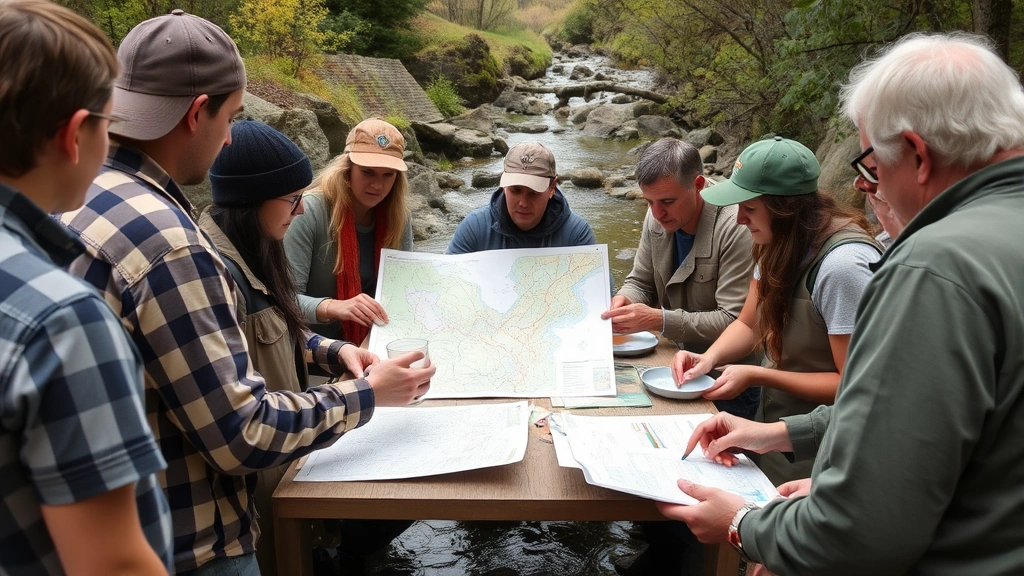
Watershed management exemplifies practical application of agile environmental principles. Traditional approaches designated specific uses for water (agriculture, municipal, industrial) with fixed allocations. Agile watershed management instead monitors real-time hydrological conditions, adjusts allocations based on current precipitation and demand, and incorporates adaptive protocols for drought or flood scenarios. This approach, increasingly adopted by water authorities worldwide, maintains ecosystem health while supporting human needs more effectively than rigid allocation systems.
Biodiversity conservation has also embraced agile methodologies. Rather than protecting static reserves with unchanging management practices, adaptive management in conservation involves monitoring species populations, testing different management interventions, and adjusting approaches based on results. This might mean varying prescribed burn frequencies in grasslands based on annual vegetation responses, or modifying fishing regulations in marine reserves based on stock assessments.
The relationship between agile environments and human environment interaction becomes particularly important when considering how societies adapt to environmental changes. Indigenous land management practices often embody agile principles—communities monitor environmental indicators and adjust hunting, farming, and harvesting practices accordingly, having developed these adaptive strategies over centuries of observation and experimentation.
Economic Implications and Adaptive Markets
From an economic perspective, agile environments represent markets and supply chains capable of rapidly adjusting to price signals, resource availability, and demand changes. This concept connects directly to ecological economics, which examines how economic systems depend on and interact with natural systems.
Traditional economic models assumed relatively stable conditions where firms could optimize production around predictable demand and stable input costs. However, climate change, resource volatility, and geopolitical disruptions have rendered these assumptions obsolete. Agile economic environments, by contrast, prioritize flexibility in production methods, supply sourcing, and product portfolios.
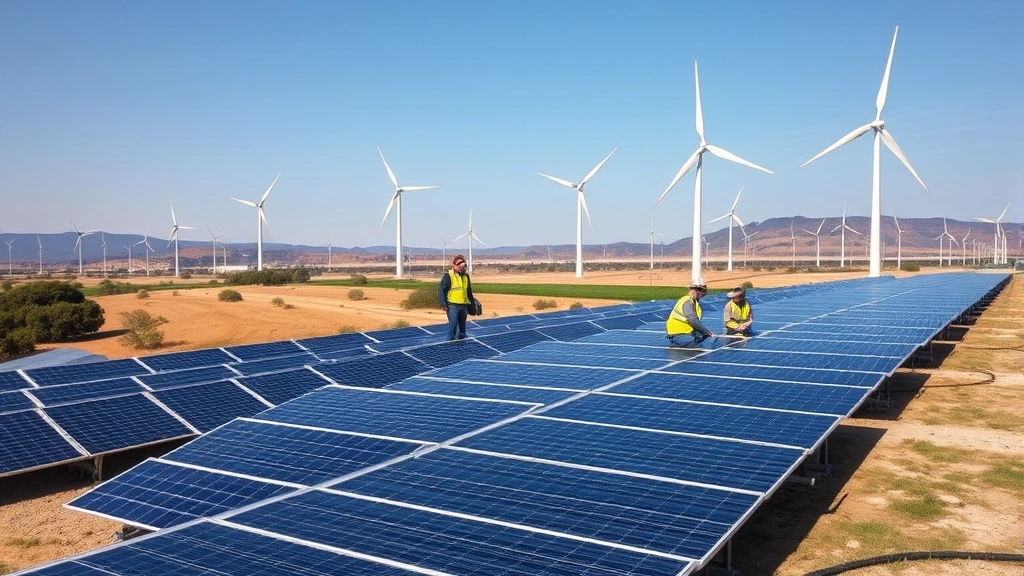
Consider the renewable energy sector. Companies operating in agile economic environments rapidly pivot between solar, wind, and battery storage technologies based on falling costs, improving efficiency, and policy changes. This flexibility has driven dramatic cost reductions—solar photovoltaic costs have fallen 90% over the past decade partly because agile manufacturers continuously optimize production. Organizations unable to adapt to changing technology costs and government incentives have been eliminated from the market.
Supply chain resilience represents another critical economic dimension of agile environments. The COVID-19 pandemic and subsequent disruptions revealed that just-in-time supply chains, while efficient under stable conditions, lack resilience. Companies with agile supply chains—maintaining multiple supplier relationships, holding strategic inventory, and monitoring geopolitical risks—weathered disruptions better. This principle applies equally to raw materials for renewable energy, agricultural inputs for sustainable farming, and components for circular economy initiatives.
Agile environments also enable better integration of how to reduce carbon footprint strategies into business operations. Rather than treating sustainability as a separate initiative, agile companies embed carbon accounting and emissions reduction into operational decision-making. They monitor emissions in real-time, test low-carbon alternatives, and scale solutions that prove cost-effective. This contrasts with traditional approaches where sustainability remained disconnected from core business decisions.
The World Bank has increasingly emphasized adaptive management in development projects, recognizing that rigid implementation plans fail when circumstances change. Their research demonstrates that development initiatives incorporating regular monitoring, learning, and strategy adjustment achieve better outcomes than those following predetermined implementation schedules regardless of ground realities.
Building Organizational Agility
Organizations seeking to create agile environments must implement structural and cultural changes extending far beyond adopting new software or management terminology. Building genuine organizational agility requires intentional redesign of processes, incentive systems, and organizational culture.
Organizational structure forms the foundation. Traditional hierarchical structures with rigid departments inhibit agility because information flows slowly upward and decisions flow slowly downward. Agile organizations instead adopt flatter structures with cross-functional teams empowered to make decisions within defined parameters. Matrix structures, where employees report to both functional and project managers, facilitate information sharing and rapid problem-solving.
Technology infrastructure enables agility by providing real-time visibility into operations and decision-relevant data. Companies implementing enterprise resource planning systems, IoT sensors, and advanced analytics can detect problems and opportunities quickly. However, technology alone proves insufficient—organizations must cultivate cultures where this data actually influences decisions and where experimentation is encouraged rather than punished.
Incentive alignment proves critical. Organizations where employees are evaluated on meeting predetermined targets rather than on learning and adaptation will not achieve true agility. Progressive companies align incentives with outcomes achieved through adaptive processes: bonuses based on meeting sustainability targets rather than following specific implementation plans, or recognition for identifying and implementing cost-saving innovations rather than for executing plans exactly as originally conceived.
Talent management in agile environments emphasizes continuous learning and diverse skill sets. Organizations invest heavily in training, encourage employees to develop skills outside their primary domains, and hire for learning potential rather than just current expertise. The rapidly changing nature of sustainability challenges—from emerging climate impacts to evolving technologies for renewable energy for homes—requires workforces capable of continuous adaptation.
Stakeholder engagement becomes essential in building organizational agility. Companies that regularly solicit feedback from customers, suppliers, employees, and community members gain diverse perspectives enabling faster problem identification and more creative solutions. This proves particularly important for organizations addressing sustainability challenges, where solutions must account for complex interactions between environmental, social, and economic systems.
Challenges and Limitations
While agile approaches offer significant advantages, they face genuine limitations and implementation challenges that merit careful consideration. Understanding these constraints prevents unrealistic expectations and helps organizations develop realistic improvement strategies.
The first major challenge involves decision-making under deep uncertainty. Agile methodologies assume organizations can generate feedback relatively quickly, test hypotheses, and learn from results. However, many critical decisions involve timescales where feedback arrives too late for course correction. Climate change decisions made today won’t show results for decades. Investments in long-term infrastructure cannot be rapidly adjusted. In these contexts, agile approaches must be combined with scenario planning and robust decision-making frameworks that account for irreversible outcomes.
A second limitation concerns coordination complexity. While agility at the local level accelerates decision-making, coordinating agile responses across multiple organizations, regions, or governance levels becomes extremely challenging. One community’s adaptive water management strategy might create problems for downstream communities. One company’s agile supply chain adjustments might create vulnerabilities for suppliers. Effective agile environments require coordination mechanisms—agreements, regulations, information sharing platforms—that themselves require time to establish and maintain.
The third challenge involves power asymmetries and equity. Agile environments can enable rapid responses, but they risk advantaging powerful actors who can implement changes quickly while disadvantaging vulnerable populations lacking resources for adaptation. Sustainable fashion brands can rapidly shift supply chains or adjust labor practices, but garment workers in vulnerable regions lack equivalent flexibility. Agile environmental management might optimize resource allocation for wealthy users while marginalizing subsistence users. Genuine agile environments must incorporate mechanisms ensuring equitable outcomes alongside adaptive efficiency.
A fourth limitation involves path dependency and lock-in effects. Once organizations invest in particular technologies, infrastructure, or practices, switching costs increase dramatically. A city that invests in extensive fossil fuel infrastructure faces tremendous barriers to rapidly transitioning to renewable energy, regardless of how agile its governance structures might be. These infrastructure lock-ins constrain agility in practice, even when organizational flexibility exists.
Finally, agile approaches can suffer from short-termism and loss of strategic vision. When organizations focus excessively on rapid adaptation to immediate pressures, they risk losing sight of long-term goals and values. Companies constantly pivoting strategy based on quarterly earnings might sacrifice long-term sustainability investments. Governments responding to immediate political pressures might underinvest in slow-maturing but critical initiatives like ecosystem restoration or fundamental research on climate adaptation.
Future Directions for Agile Thinking
The future of agile environments lies in integrating agile methodologies with complementary approaches that address their limitations. Several promising directions are emerging in both practice and scholarship.
Adaptive governance frameworks represent one crucial development. Rather than treating governance as fixed institutional structures, adaptive governance views institutions as evolving systems that must adjust as environmental and social conditions change. This involves building in periodic review mechanisms, creating forums for stakeholder dialogue, and establishing protocols for institutional evolution. The Ecorise Daily Blog documents emerging examples of adaptive governance in water management, fisheries, and climate adaptation.
Resilience thinking complements agility by emphasizing the capacity of systems to absorb shocks while maintaining core functions. While agility focuses on rapid adaptation, resilience addresses the ability to withstand disturbances without fundamental collapse. The most effective environmental and economic systems combine both—they adapt quickly to manageable changes while maintaining resilience to absorb unexpected shocks.
Integration with systems thinking and complexity science offers another promising direction. Rather than treating agility as a set of management techniques, systems thinking recognizes that agile environments emerge from feedback loops, information flows, and adaptive behaviors throughout complex systems. This perspective emphasizes understanding system structure and dynamics rather than just implementing procedural changes.
Research from the United Nations Environment Programme increasingly emphasizes adaptive management in environmental policy, recognizing that ecological systems are too complex for static regulations. Their work demonstrates that environmental protection improves when policies incorporate monitoring, learning, and adjustment mechanisms rather than assuming conditions remain constant.
Technological enablement will likely accelerate agile environmental management. Artificial intelligence and machine learning can process vast amounts of environmental and economic data, identifying patterns and enabling faster decision-making. Real-time environmental monitoring networks provide feedback loops previously impossible to establish. However, technology must be deployed thoughtfully—algorithm bias and centralized control risks accompany technological solutions, potentially undermining the distributed, participatory nature of effective agile environments.
Finally, the integration of traditional ecological knowledge with agile methodologies represents an important frontier. Indigenous and local communities have developed agile management practices over centuries, continuously adapting to environmental variability. Rather than imposing agile frameworks developed in corporate contexts, forward-thinking organizations are learning from and scaling existing adaptive practices rooted in deep environmental knowledge.
FAQ
What is the simplest definition of an agile environment?
An agile environment is a system—organizational, ecological, or economic—that can quickly and effectively respond to changes and uncertainty. It combines flexibility, rapid feedback, distributed decision-making, and continuous learning to adapt strategies based on real conditions rather than predetermined plans.
How does an agile environment differ from a traditional environment?
Traditional environments follow fixed plans and hierarchical decision-making, with information flowing slowly through organizational layers. Agile environments distribute decision-making authority, generate rapid feedback, and continuously adjust strategies. Traditional approaches work well under stable, predictable conditions; agile approaches excel when conditions are uncertain and changing rapidly.
Can natural ecosystems be considered agile environments?
Yes, natural ecosystems embody agility through multiple adaptive mechanisms operating across different timescales. Species adjust behavior, population composition shifts, and evolutionary changes occur. However, ecosystem agility has limits—extreme disturbances can exceed adaptive capacity, causing collapse rather than adaptation.
What are the main benefits of agile environments for sustainability?
Agile approaches enable faster responses to emerging environmental challenges, more efficient resource allocation, and better integration of sustainability into core operations. They allow organizations to test and scale low-carbon solutions rapidly and adjust strategies as climate impacts and technology costs change.
What prevents organizations from becoming fully agile?
Several factors limit agility: long-term investments with delayed feedback, coordination challenges across multiple organizations, infrastructure lock-ins, power imbalances affecting who can adapt, and tendencies toward short-termism. Most organizations achieve partial agility, combining agile approaches with stable elements necessary for long-term strategy.
How do agile environments relate to economic resilience?
Agile economic systems can adjust to supply disruptions, price volatility, and technological changes, maintaining function despite shocks. However, agility alone doesn’t ensure resilience—systems must also maintain diverse resources, avoid excessive optimization that eliminates redundancy, and distribute adaptive capacity across actors rather than concentrating it.
Are agile environments sustainable long-term?
Agile environments can support sustainability if they incorporate long-term ecological limits and equitable outcomes into their adaptive decision-making. However, pure agility without strategic vision toward sustainability goals can lead to short-term optimization that degrades long-term environmental and social foundations. The most sustainable systems combine agility with clear sustainability objectives.


