Combat and Economy: How Ecosystems Play a Role
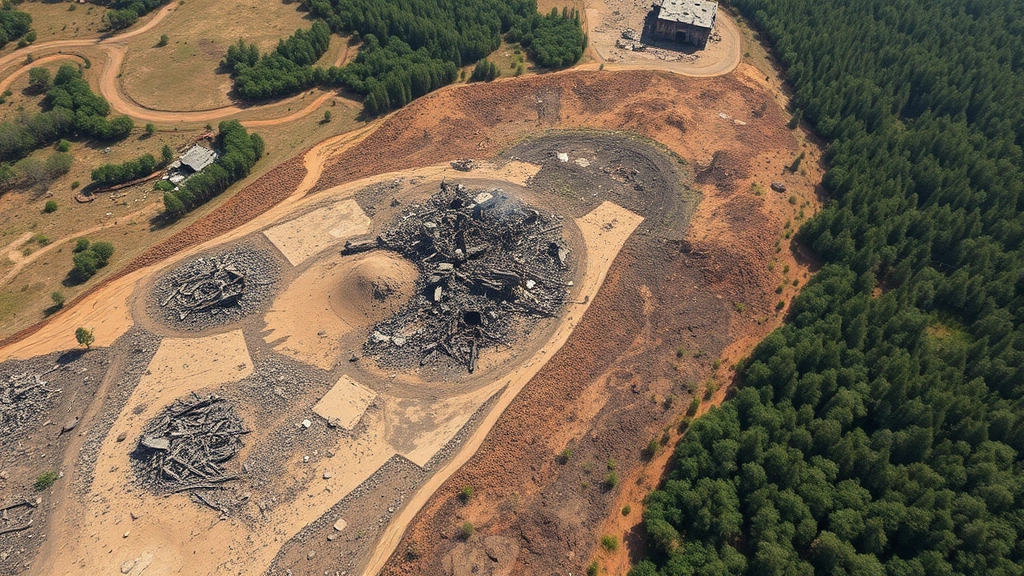
The intersection of conflict, economic systems, and environmental health represents one of the most critical yet underexamined relationships in contemporary ecological economics. While military operations and armed combat are typically analyzed through political or strategic lenses, their profound impacts on ecosystem services and economic productivity reveal a complex interdependency that demands rigorous economic analysis. Ecosystems provide the foundational infrastructure for all economic activity, yet combat environments systematically degrade these natural capital assets, creating cascading economic consequences that extend far beyond immediate battlefield impacts.
Understanding how ecosystems function within advanced combat environments requires examining the bidirectional relationship between conflict intensity and ecological degradation. When we consider what is the human environment interaction in conflict zones, we discover that military operations fundamentally alter the ecological carrying capacity of regions, reducing their ability to support both human populations and biodiversity. This degradation translates directly into reduced economic output, increased resource scarcity, and amplified poverty—factors that paradoxically increase the likelihood of future conflict. The economic losses from ecosystem destruction in combat zones often exceed the direct costs of warfare itself, yet remain largely uncounted in conventional conflict assessments.
Ecosystem Services and Economic Valuation in Conflict Zones
Ecosystem services—the tangible and intangible benefits humans derive from natural systems—form the economic foundation of all human activity. These services include provisioning services such as food and water, regulating services like climate stabilization and disease control, supporting services including nutrient cycling and soil formation, and cultural services encompassing recreation and spiritual values. In advanced combat environments, the systematic destruction of ecosystems eliminates these services, creating profound economic losses that conventional warfare cost assessments fail to capture.
The economic valuation of ecosystem services in conflict zones presents methodological challenges, yet research increasingly demonstrates their enormous magnitude. Studies examining human environment interaction in post-conflict regions reveal that ecosystem service losses often represent 10-40% of affected nations’ GDP. For instance, World Bank environmental assessments of conflict-affected regions consistently document that restoring ecosystem functions requires investments exceeding initial reconstruction costs. The carbon sequestration capacity lost through deforestation in combat zones, calculated using established ecological economics methodologies, often represents billions in foregone climate regulation services.
Natural capital accounting frameworks, increasingly adopted by development institutions, reveal that military operations represent one of the most economically destructive human activities when ecosystem service losses are properly quantified. A single military campaign may permanently degrade ecosystem services worth more than the entire pre-conflict economic output of affected regions. This reality fundamentally challenges conventional cost-benefit analyses of military operations, suggesting that environmental considerations represent not peripheral concerns but central economic factors in conflict assessment and resolution.
Advanced Combat Environments and Biodiversity Loss
Biodiversity represents a critical economic asset whose destruction in combat environments creates cascading economic consequences. Genetic resources, pollination services, pest control, and pharmaceutical compounds derived from biological diversity constitute an estimated 40-50% of global economic activity according to ecological economics research. Advanced combat environments, characterized by intensive weapons use, infrastructure destruction, and habitat fragmentation, systematically eliminate this genetic and biological wealth.
The relationship between environment and society becomes starkly apparent when examining biodiversity loss in conflict zones. Megafauna populations in regions experiencing prolonged armed conflict have declined by 60-90% in recent decades, according to conservation biology studies. These losses represent not merely ecological tragedies but profound economic damage—the future pharmaceutical potential of extinct species, the pollination services provided by eliminated insect populations, and the nutrient cycling capacity of lost soil microorganisms constitute enormous economic losses that persist for centuries.
Advanced combat environments create what ecological economists term “biodiversity debt”—a long-term economic liability representing the value of eliminated ecosystem functions. This debt becomes particularly acute in regions with high endemism or unique evolutionary lineages. Tropical rainforests in conflict zones, containing perhaps 70% of Earth’s species diversity concentrated in just 6% of terrestrial area, represent irreplaceable economic assets. The destruction of these ecosystems in regions experiencing armed conflict eliminates not only current ecosystem services but also vast potential future economic value from genetic resources, biochemical compounds, and yet-undiscovered biological innovations.
Resource Extraction, Conflict Economics, and Environmental Degradation
The relationship between resource extraction economies and armed conflict reveals how ecosystem degradation becomes economically embedded in conflict dynamics. Regions rich in extractable natural resources—timber, minerals, fossil fuels, rare earth elements—experience disproportionate conflict intensity, a pattern documented extensively in ecological economics literature. Advanced combat environments in resource-rich regions typically involve deliberate ecosystem destruction to finance military operations, creating a vicious cycle where environmental degradation funds conflict continuation.
Understanding how humans affect the environment in conflict contexts requires examining the “resource curse” phenomenon through ecological economics frameworks. Military actors in resource-rich regions engage in accelerated extraction—timber harvesting, mineral mining, petroleum exploitation—to finance weaponry and personnel. This extraction occurs without regard for ecosystem regeneration or sustainable yield principles, effectively converting natural capital into military expenditure. The economic consequence involves transferring wealth from future generations to present military actors, creating intergenerational inequity while simultaneously degrading the ecological basis for future economic activity.
Illegal resource extraction in conflict zones often generates revenues exceeding legitimate economic activity, creating perverse incentives for conflict perpetuation. Armed groups controlling resource-rich territories maximize short-term extraction rather than pursuing sustainable management, knowing their tenure remains uncertain. This creates what ecological economists term “tragedy of the commons” dynamics amplified by conflict uncertainty—each actor maximizes immediate resource capture, leading to ecosystem collapse and economic devastation. The transition from resource-rich economies to resource-depleted post-conflict regions represents one of the clearest examples of how ecosystem degradation translates into economic catastrophe.
Agricultural Collapse and Food Security Economics
Agricultural systems represent the primary interface between ecosystems and human economic security, yet advanced combat environments systematically destroy agricultural productivity through multiple mechanisms. Direct destruction of crops and livestock, soil contamination from weapons use, disruption of irrigation systems, and displacement of farming populations collectively eliminate food production capacity. The economic consequences extend beyond immediate hunger—agricultural collapse creates cascading economic failures throughout rural economies and generates mass migration to urban centers, straining urban infrastructure and social systems.
The relationship between ecosystem health and agricultural productivity becomes starkly apparent in post-conflict agricultural assessments. Soil degradation from weapons contamination, loss of pollinator populations from pesticide use and habitat destruction, and disruption of water systems reduce agricultural yields for decades following conflict cessation. Research examining types of environment affected by conflict reveals that agricultural ecosystems require 15-30 years for productivity recovery even after remediation efforts. During this extended recovery period, affected populations face persistent food insecurity, malnutrition, and economic hardship.
The economic modeling of agricultural ecosystem services in conflict zones reveals staggering productivity losses. A single year of agricultural disruption in a region supporting 50 million people through subsistence farming can eliminate food security for decades, requiring humanitarian assistance exceeding billions in international development funding. The opportunity cost of this assistance—resources diverted from development, health, and education—extends economic impacts throughout affected regions. Agricultural ecosystem collapse thus represents not merely a food security crisis but a comprehensive economic catastrophe affecting multiple sectors of affected economies.
Water Systems, Ecological Integrity, and Economic Resilience
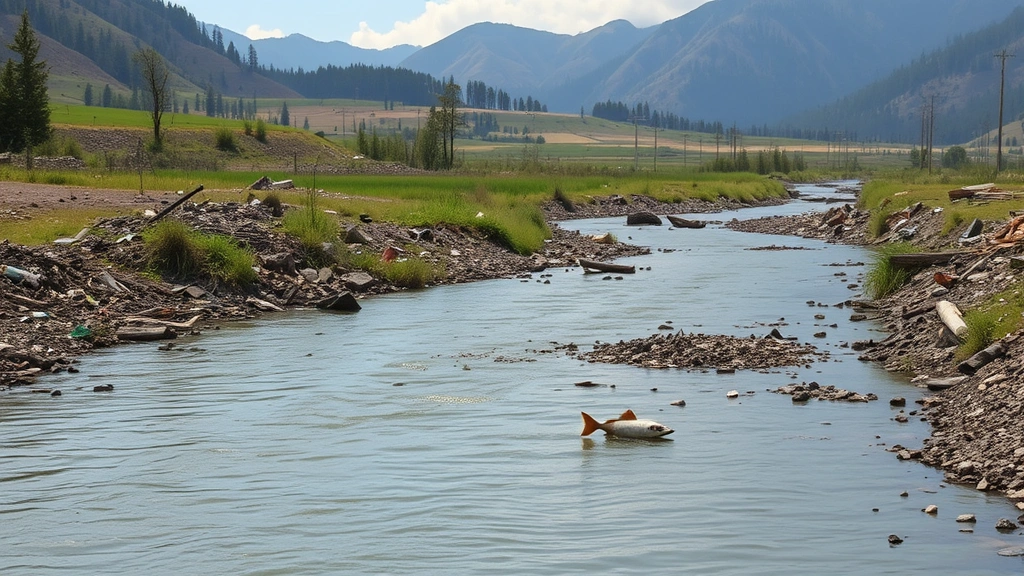
Water systems represent perhaps the most critical ecosystem service in conflict-affected regions, yet advanced combat environments systematically damage water infrastructure and aquatic ecosystems. Contamination from weapons, destruction of water treatment facilities, disruption of watershed management, and pollution from displaced populations collectively degrade water security. The economic consequences include health crises from waterborne disease, agricultural productivity losses from irrigation system destruction, and industrial output reductions from water scarcity.
The economic valuation of freshwater ecosystem services in conflict zones demonstrates their enormous significance—freshwater provision, disease regulation, flood control, and nutrient cycling services typically represent 15-25% of affected region GDP. Destruction of these systems creates economic losses exceeding direct conflict damages. Contamination of aquifers from weapons use and displaced waste creates multi-generational water insecurity, requiring expensive remediation and long-term alternative water supply development. The economic burden of water system restoration often exceeds total reconstruction budgets, representing a persistent constraint on post-conflict economic recovery.
Transboundary water systems in conflict regions create additional economic complexities, as ecosystem degradation in one nation affects downstream economies. Upstream military operations contaminating shared river systems create international disputes, complicating post-conflict cooperation and economic integration. The economic losses from degraded transboundary water systems extend across multiple nations, creating regional economic stagnation and perpetuating conflict dynamics. Restoration of these systems requires international cooperation and coordinated ecosystem management, representing a critical but often neglected component of post-conflict economic recovery.
Long-term Economic Recovery and Ecosystem Restoration
Post-conflict economic recovery depends fundamentally on ecosystem restoration, yet conventional reconstruction frameworks often neglect ecological restoration requirements. Economic analyses of post-conflict recovery consistently underestimate restoration timelines and costs, leading to unrealistic recovery projections and inadequate resource allocation. Incorporating ecosystem restoration into economic recovery planning requires recognizing that ecological restoration and economic recovery represent interdependent processes rather than sequential phases.
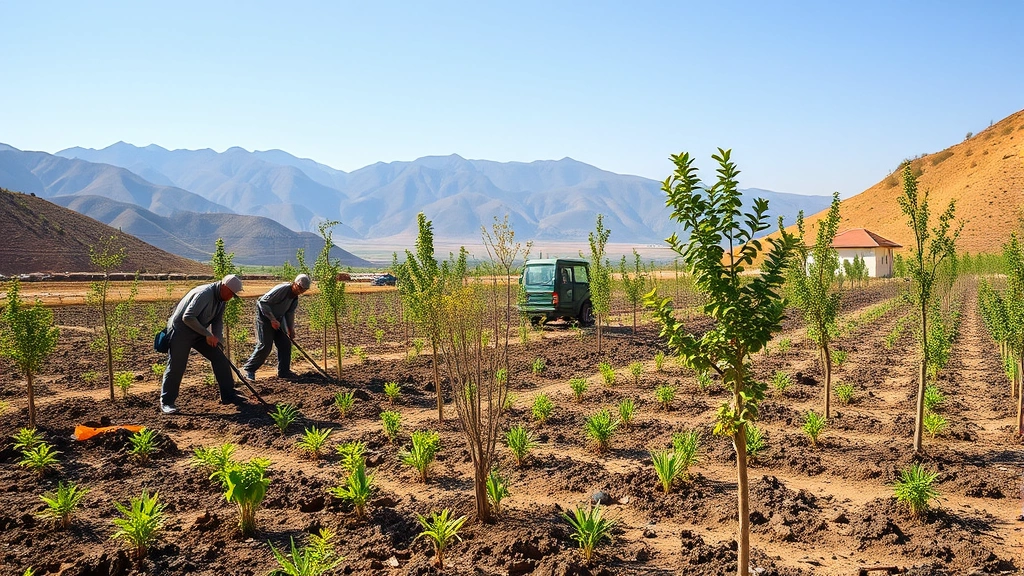
The economic case for prioritizing ecosystem restoration in post-conflict contexts becomes compelling when considering long-term productivity impacts. Regions that prioritize ecosystem restoration in early post-conflict phases achieve higher GDP growth rates, greater poverty reduction, and superior long-term economic resilience compared to regions delaying ecological restoration. This economic advantage reflects the reality that ecosystem services constitute the foundation for all economic activity—degraded ecosystems constrain economic potential regardless of financial investment or institutional development.
International funding mechanisms for post-conflict reconstruction increasingly recognize ecosystem restoration as economically essential rather than environmentally peripheral. UNEP environmental peacebuilding initiatives demonstrate that ecosystem restoration creates employment opportunities, develops local economic capacity, and builds social cohesion—multiple co-benefits extending beyond ecosystem service restoration. The economic multiplier effects of ecosystem restoration employment often exceed direct environmental benefits, making restoration investments attractive from purely economic perspectives.
Transitioning conflict-affected regions toward ecological economics frameworks represents a critical development pathway. This transition requires recognizing that ecosystem degradation represents not merely environmental loss but economic suicide—the systematic destruction of the natural capital upon which all economic activity depends. Incorporating ecosystem valuation into conflict cost assessments, resource management policies, and post-conflict economic planning fundamentally alters development priorities and resource allocation patterns. The evidence increasingly demonstrates that ecological restoration represents not a luxury amenity but an economic imperative for achieving sustainable post-conflict development and preventing future conflict recurrence.
FAQ
How do military operations directly damage ecosystem services?
Military operations damage ecosystems through multiple mechanisms: direct habitat destruction from weapons use and infrastructure development, soil contamination from explosives and heavy metals, water pollution from weapons residue and fuel leaks, atmospheric pollution from weapons deployment, and disruption of ecological processes through fragmentation and species displacement. These impacts collectively eliminate or severely degrade the provisioning, regulating, supporting, and cultural services that ecosystems provide, creating profound economic losses.
What is the economic magnitude of ecosystem loss in conflict zones?
Ecosystem service losses in conflict-affected regions typically represent 10-40% of affected nations’ GDP, though comprehensive valuation remains challenging. When accounting for long-term productivity impacts, restoration costs, and intergenerational consequences, total economic losses often exceed the direct costs of military operations themselves. The World Bank and UNEP assessments consistently document that ecosystem restoration requires investments exceeding initial reconstruction budgets in post-conflict regions.
How does ecosystem degradation perpetuate conflict cycles?
Ecosystem degradation in conflict zones reduces agricultural productivity, water security, and resource availability, creating conditions of resource scarcity and economic hardship that increase conflict likelihood. This creates feedback loops where conflict-induced ecosystem degradation generates conditions for future conflict, perpetuating cycles of violence and environmental destruction. Breaking these cycles requires simultaneous conflict resolution and ecosystem restoration.
What role do biodiversity losses play in post-conflict economic recovery?
Biodiversity losses eliminate ecosystem functions including pollination, pest control, nutrient cycling, and genetic resources for pharmaceutical development. These losses reduce agricultural productivity, increase pest-related crop losses, and eliminate future economic potential from genetic resources. The permanent elimination of species represents irreversible economic losses that constrain post-conflict recovery for centuries.
How should post-conflict reconstruction incorporate ecosystem restoration?
Effective post-conflict reconstruction must prioritize ecosystem restoration as economically essential rather than environmentally peripheral. This requires incorporating ecosystem service valuation into recovery planning, allocating resources to ecological restoration alongside infrastructure reconstruction, and recognizing that long-term economic resilience depends on ecosystem recovery. International funding mechanisms should support ecosystem restoration as core reconstruction activity rather than supplementary environmental project.


