Insects’ Role in Economy: Surprising Insights
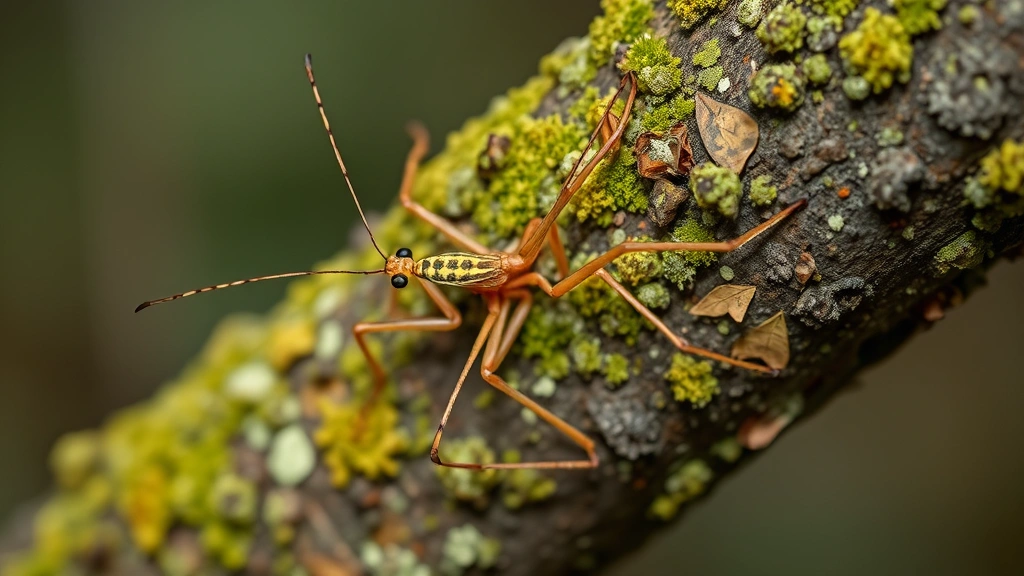
The global economy operates on a foundation most people never consider: insects. From pollination services valued at hundreds of billions of dollars annually to pest control mechanisms that protect agricultural yields, insects represent one of nature’s most critical economic assets. Yet their economic contribution remains largely invisible in traditional financial accounting systems. A walking stick insect, perfectly camouflaged against its environment, exemplifies how evolutionary adaptation supports ecological functions that directly translate into economic value.
Understanding the economic significance of insects requires examining both direct market values and indirect ecosystem services. The relationship between insect populations and economic productivity reveals a complex interdependence that challenges conventional economic thinking. When insect biodiversity declines, the financial consequences ripple through supply chains, food security systems, and global markets in ways that traditional GDP measurements often fail to capture.
This analysis explores how insects function as economic actors, the monetary value of their ecosystem services, and the emerging field of ecological economics that attempts to quantify nature’s contributions to human prosperity. By examining specific insect groups and their economic impacts, we can better understand why insect conservation represents one of the most cost-effective investments in long-term economic stability.
Pollination Services and Agricultural Economics
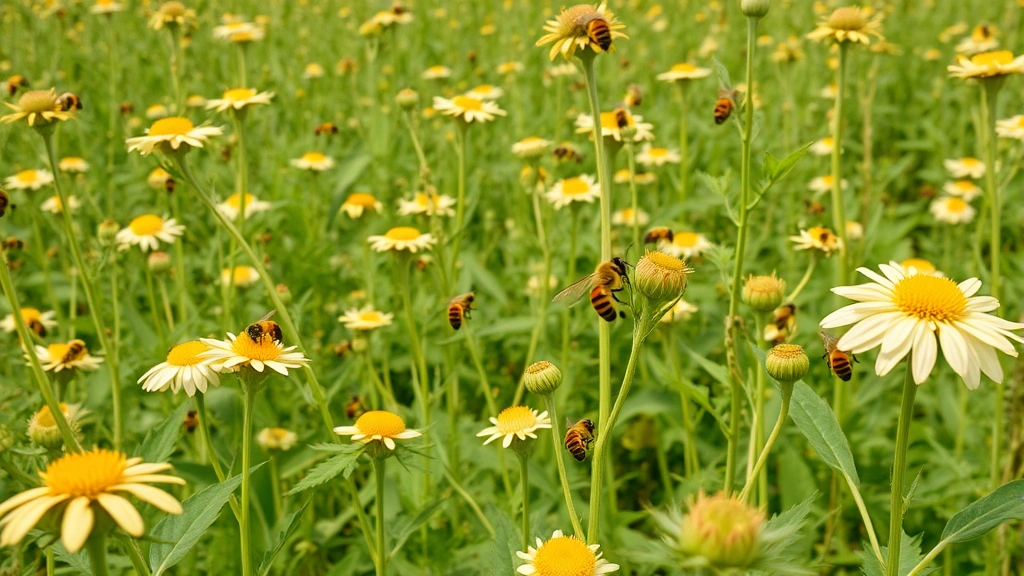
Pollination represents the most quantifiable economic contribution insects provide to human societies. Approximately 75% of global crop species depend at least partially on animal pollinators, with insects—particularly bees—performing the vast majority of this work. The economic value of pollination services has been estimated at $15.7 billion annually in the United States alone, and between $235 billion to $577 billion globally, depending on valuation methodologies employed.
Honeybees generate the most visible economic value, with commercial beekeeping operations managing millions of hives across continents. However, wild pollinators—including bumble bees, carpenter bees, and thousands of solitary bee species—provide equally critical services with minimal human management costs. This distinction matters economically because wild pollinators represent a free ecosystem service that requires no agricultural input costs, making their loss particularly economically devastating.
The crops dependent on insect pollination include almonds, apples, blueberries, cucumbers, and numerous vegetables that command premium prices in global markets. California’s almond industry, worth approximately $2.5 billion annually, relies almost entirely on honeybee pollination. The economic structure of these agricultural systems demonstrates how insect populations directly determine productivity and profitability across vast agricultural regions.
Recent research from World Bank studies indicates that pollinator decline threatens food security in developing nations disproportionately. Countries with limited agricultural mechanization depend more heavily on wild pollinator populations, making them economically vulnerable to insect biodiversity loss. This geographic inequality in economic vulnerability creates a compelling economic argument for global conservation initiatives.
The replacement cost for pollination services—if humans attempted to hand-pollinate crops—would exceed current agricultural revenues by orders of magnitude. China’s experience with hand-pollination in certain regions, necessitated by bee population collapse, demonstrates this economic reality. The practice requires thousands of workers and produces marginal yields compared to insect-pollinated crops, illustrating the economic irreplaceability of natural pollination systems.
Pest Control and Natural Biocontrol Systems
Insects function as the primary natural pest control mechanism in agricultural and natural ecosystems. Predatory insects such as ladybugs, lacewings, parasitic wasps, and ground beetles consume enormous quantities of crop-damaging pests, preventing yield losses worth billions of dollars annually. The economic value of natural pest control services has been estimated at $4.5 billion per year in the United States agricultural sector alone.
This biocontrol function operates through complex ecological relationships that conventional pesticide applications cannot replicate. When farmers reduce insecticide use and allow predatory insect populations to establish, crop protection costs decrease while yields often increase. This economic model demonstrates how ecological systems function as economically productive assets that generate returns without requiring ongoing chemical input expenses.
Parasitic wasps represent a particularly valuable but often invisible economic force. These insects lay eggs in pest species, controlling populations through parasitism. A single parasitic wasp species may suppress hundreds of thousands of pest individuals across a growing season. The economic efficiency of this system—requiring no human intervention or external inputs—surpasses most technological pest management solutions in cost-benefit analysis.
Agricultural intensification has economically damaged biocontrol systems by eliminating habitat diversity that supports predatory insect populations. The shift toward monoculture cropping and heavy pesticide application has created economic inefficiencies where farmers must continuously purchase pesticides to replace ecosystem services that previously operated at zero cost. Restoring insect-mediated pest control represents a pathway to reducing agricultural input costs while improving long-term productivity.
The economic resilience of farming systems incorporating natural pest control proves superior during periods of pest outbreaks. Diverse insect communities provide redundancy in pest suppression, preventing catastrophic crop losses. Monoculture systems reliant on chemical controls face economic vulnerability when pest resistance develops, requiring increased pesticide expenditures to maintain yields. This economic fragility has driven growing interest in regenerative agriculture that leverages insect-mediated pest control.
Nutrient Cycling and Soil Health Economics
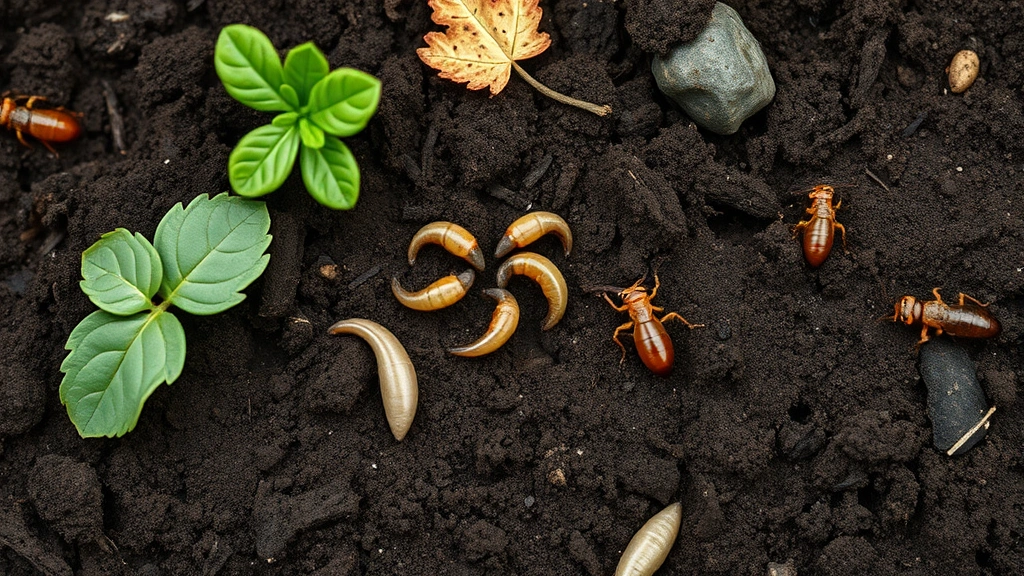
Insects drive nutrient cycling processes that sustain agricultural productivity and ecosystem health. Decomposer insects—including beetles, flies, and their larvae—break down dead organic matter, converting it into forms plants can utilize. This nutrient recycling function eliminates the need for external fertilizer inputs, representing an enormous hidden economic subsidy that insects provide to agriculture.
Soil invertebrates, predominantly insects and their arthropod relatives, create soil structure that influences water retention, aeration, and root penetration. These physical modifications increase soil productivity, allowing plants to establish deeper root systems and access water during drought periods. The economic value of this soil engineering translates directly into crop yield stability and reduced irrigation requirements, particularly important in water-stressed regions.
Earthworms, often overlooked in insect-focused discussions but belonging to the broader soil invertebrate community that includes insect larvae, demonstrate the economic value of soil engineering. Research indicates that earthworm populations increase crop yields by 25% or more through soil structure improvements alone. Scaling this percentage across global agricultural acreage reveals an economic contribution worth hundreds of billions of dollars annually.
The economic relationship between soil insect diversity and fertilizer requirements appears in agricultural economics literature examining long-term productivity trends. Soils with high arthropod diversity require lower external nutrient inputs to maintain yields, effectively reducing production costs. Conversely, soils degraded by intensive pesticide application and monoculture cropping require escalating fertilizer applications to compensate for lost nutrient cycling capacity—an economically inefficient system that increases farmer input costs.
Nutrient cycling services provided by insects generate particular economic value in developing agricultural regions where fertilizer costs consume significant portions of farmer incomes. Restoring insect-mediated nutrient cycling through conservation practices reduces the economic burden on smallholder farmers while improving soil resilience to climate variability. This economic mechanism represents a pathway to agricultural sustainability that addresses both productivity and poverty reduction objectives.
Direct Economic Value of Insect Products
Beyond ecosystem services, insects generate direct economic value through commercial products and activities. The global honey market exceeds $2 billion annually, with premium varieties commanding significant price premiums based on floral source and perceived health benefits. Honeybee products—including propolis, bee pollen, and royal jelly—create additional market segments worth hundreds of millions of dollars.
Silk production, dependent entirely on silkworm insects, represents a $15 billion global industry supporting millions of workers in Asia, Africa, and other regions. Despite competition from synthetic fibers, silk maintains market dominance in premium textiles due to unique properties that synthetic materials cannot replicate. The economic significance of sericulture extends beyond direct silk sales to include employment, rural development, and cultural heritage preservation in silk-producing regions.
Insects as food—entomophagy—represents an emerging economic sector with substantial growth potential. Crickets, grasshoppers, and mealworms require significantly less feed, water, and land compared to conventional livestock, while producing equivalent protein quantities. The economic efficiency of insect farming has attracted venture capital investment, with companies developing industrial-scale insect protein production facilities. This sector addresses protein security in developing regions while offering economic opportunities for smallholder farmers.
Insect-based pharmaceutical and cosmetic products generate expanding economic value as research reveals bioactive compounds in insect tissues and secretions. Blowfly larvae therapy, traditionally used for wound management, has experienced economic revival through clinical applications. Insect-derived compounds serve as research foundations for developing medications, creating intellectual property value and licensing revenue streams.
Beeswax, lac, and other insect-derived materials maintain consistent market demand across industrial applications. These products command premium prices due to unique chemical properties and limited substitute availability. The economic stability of these niche markets demonstrates sustained human demand for insect-derived materials despite technological alternatives.
The Cost of Insect Decline
Global insect populations have declined precipitously over recent decades, with some studies documenting 75% biomass reductions in certain regions over 25-year periods. The economic implications of this decline appear across agricultural productivity, food security, and ecosystem service provision. Quantifying the total economic cost requires integrating multiple valuation methodologies while acknowledging uncertainty in ecosystem service monetization.
Agricultural economists estimate that pollinator decline alone costs global agriculture approximately $5.7 billion annually in lost productivity. This figure excludes impacts on wild plant communities, which generate economic value through tourism, watershed protection, and carbon sequestration. When expanded to include all ecosystem services, insect decline costs reach into hundreds of billions of dollars annually.
The economic impact of insect decline intensifies as thresholds are crossed. Below certain population densities, ecosystem services collapse rather than declining linearly. Pollination becomes limiting, crop yields decline sharply, and economic disruption accelerates. This non-linear economic relationship means that preventing further insect decline offers substantially greater economic returns than attempting restoration after critical thresholds are exceeded.
Developing nations face disproportionate economic vulnerability to insect decline due to greater agricultural dependence and lower adaptive capacity. Countries with limited agricultural mechanization and chemical input access depend more heavily on functional insect communities. Economic modeling indicates that insect decline threatens food security and rural livelihoods in Sub-Saharan Africa, South Asia, and Southeast Asia most severely.
The economic costs of insect decline extend to human health through impacts on food security and nutrition. Crops pollinated by insects provide essential micronutrients, particularly in developing regions. Insect decline therefore creates economic costs through increased disease burden and reduced human capital productivity. This health-economic dimension adds significant costs to insect biodiversity loss beyond direct agricultural impacts.
Ecological Economics and Insect Valuation
Ecological economics represents a disciplinary framework that integrates ecological and economic thinking to address limitations in conventional economic analysis. This approach explicitly values ecosystem services, recognizing that natural capital depreciation should appear in economic accounting systems. Insects exemplify the challenges and opportunities within ecological economics, as their economic value spans ecosystem services, market products, and non-market values difficult to quantify.
Traditional economic analysis treats ecosystem services as externalities—costs or benefits not reflected in market prices. This accounting error creates systematic economic undervaluation of insect conservation. When pollination services are not priced into crop production, farmers lack economic incentives to maintain pollinator populations. Ecological economics advocates for internalizing these externalities through payment for ecosystem services programs and natural capital accounting.
Payment for ecosystem services (PES) programs represent practical applications of ecological economics principles to insect conservation. These programs compensate farmers for maintaining habitat and reducing pesticide use, effectively pricing pollination and pest control services. Economic analysis of PES programs demonstrates cost-effectiveness compared to conventional agricultural subsidies, generating greater ecosystem benefits per dollar invested.
Natural capital accounting frameworks, advocated by organizations including UNEP and the World Bank, attempt to incorporate ecosystem service values into national economic accounts. When insect-mediated services are properly valued and included in GDP calculations, agricultural productivity appears substantially lower in regions experiencing insect decline. This accounting reform creates economic visibility for insect conservation priorities in policy discussions.
The economic valuation of insect ecosystem services employs multiple methodologies, each with inherent strengths and limitations. Replacement cost methods estimate the expense of replacing insect services with technological alternatives. Contingent valuation approaches survey willingness-to-pay for insect conservation. Benefit transfer methods apply valuations from studied systems to similar unstudied contexts. Each methodology produces different numerical estimates, reflecting fundamental uncertainty in pricing nature’s contributions to economic production.
Economic research published in Ecological Economics journal increasingly demonstrates that insect conservation represents economically rational investment rather than environmental luxury. Cost-benefit analyses comparing conservation expenditures to ecosystem service values consistently find that prevention of insect decline offers superior economic returns compared to other resource allocation options. This economic case for insect conservation strengthens policy arguments beyond environmental ethics.
The temporal dimension of ecological economics proves particularly relevant for insect valuation. Ecosystem services provide perpetual flows of economic value, while conservation investments represent one-time or recurring expenditures. Discounting future ecosystem service flows to present values creates economic justification for immediate conservation action. The economic case for preventing insect decline intensifies when considering that ecosystem service losses accumulate across decades, generating enormous long-term economic costs.
Behavioral economics research reveals that humans systematically undervalue ecosystem services relative to their actual economic importance. This psychological bias contributes to policy decisions that prioritize short-term economic gains over long-term ecosystem service preservation. Understanding these behavioral patterns allows policymakers to structure incentives that align individual economic interests with ecosystem service protection, creating economically efficient outcomes that benefit both human welfare and insect conservation.
The integration of human-environment interaction into economic models reveals how insect populations mediate human economic prosperity. This systems perspective demonstrates that economic growth cannot continue indefinitely if it destroys the ecological foundations supporting economic production. Insect conservation therefore represents foundational economic infrastructure investment rather than environmental regulation imposing economic costs.
Emerging research in biodiversity economics demonstrates that insect diversity, beyond simply insect abundance, drives ecosystem service provision. Different insect species provide complementary functions, and high diversity ensures service resilience to environmental variability. This economic insight supports conservation strategies emphasizing habitat heterogeneity and species diversity over monoculture management approaches. The economic value of biodiversity conservation becomes increasingly apparent as research quantifies diversity’s role in ecosystem service stability.
FAQ
How much economic value do insects provide annually?
Global insect ecosystem services are valued between $235 billion to $577 billion annually, with pollination services comprising $15.7 billion in the United States alone. Direct market value from insect products (honey, silk, etc.) exceeds $17 billion globally. These figures represent conservative estimates, as many insect services remain unpriced in market systems.
Which insects provide the most economic value?
Honeybees dominate direct economic value through pollination and honey production. However, wild bees, parasitic wasps, and predatory beetles provide ecosystem services exceeding honeybee contributions in total value. Silkworms generate substantial direct market value through the $15 billion silk industry. Different insect groups provide complementary economic services, making ecosystem-level diversity economically valuable.
What economic impacts result from pollinator decline?
Pollinator decline costs agriculture approximately $5.7 billion annually in lost productivity globally. This figure excludes impacts on wild plants, ecosystem resilience, and food security. Economic modeling indicates that continued pollinator decline could reduce agricultural yields by 30-40% for pollinator-dependent crops within decades, creating catastrophic economic disruption in food systems.
Can technology replace insect ecosystem services?
Technology cannot economically replace insect services at current scales. Hand-pollination costs exceed crop values by orders of magnitude. Synthetic pesticides substitute imperfectly for natural pest control, requiring escalating doses as pest resistance develops. Nutrient cycling through artificial fertilizers proves economically inefficient compared to insect-mediated processes. Natural systems remain economically superior to technological substitutes.
How do developing nations experience insect decline economically?
Developing nations face disproportionate economic vulnerability because agricultural systems depend more heavily on functional insect communities and have limited resources for technological substitutes. Smallholder farmers cannot afford chemical inputs that wealthier agricultural systems use to compensate for insect loss. Food security and rural livelihoods face acute economic risks from insect decline in developing regions.
What economic benefits result from insect conservation?
Insect conservation generates economic benefits through maintained pollination services, reduced pesticide costs, improved soil productivity, and sustained agricultural yields. Payment for ecosystem services programs demonstrate that conservation investments generate positive economic returns. Long-term economic analysis indicates that prevention of insect decline offers superior economic returns compared to attempting restoration after critical losses occur.
How do ecological economics change insect valuation?
Ecological economics incorporates ecosystem service values into economic analysis, making insect contributions economically visible. Natural capital accounting frameworks reveal that conventional GDP calculations underestimate economic productivity in regions with functional insect communities. This accounting reform strengthens economic justification for insect conservation by demonstrating that biodiversity loss represents economic capital depreciation.
What is the replacement cost of insect services?
Replacement cost methodology estimates that substitute technologies would cost $15.7 billion annually for pollination services alone in the United States. Global replacement costs exceed $235 billion annually when including all insect ecosystem services. These figures demonstrate that preserving natural insect populations proves economically superior to developing technological substitutes.


