Human Impact on Ecosystems: A Scientist’s View
The relationship between humanity and Earth’s ecosystems has fundamentally transformed over the past two centuries. What began as localized environmental modifications through agriculture and settlement has evolved into a planetary-scale phenomenon that scientists now recognize as the Anthropocene—a geological epoch defined by human dominance over natural systems. Understanding the full scope of our environmental impact requires examining how economic activities, population growth, and technological development have disrupted ecological balance across every biome on Earth.
From a scientific perspective, human impacts on ecosystems operate through multiple interconnected mechanisms: direct habitat destruction, pollution accumulation, climate destabilization, and the disruption of biogeochemical cycles. These impacts don’t occur in isolation; instead, they cascade through food webs and ecological networks, creating compound effects that amplify initial disturbances. The economic foundations of modern civilization—particularly industrial agriculture, fossil fuel extraction, and mass consumption—drive these ecological transformations at unprecedented rates.
This comprehensive analysis examines the major pathways through which human activities reshape ecosystems, the scientific evidence documenting these changes, and the underlying economic drivers that perpetuate environmental degradation. By understanding these mechanisms through an interdisciplinary lens combining ecology, economics, and systems science, we can better appreciate both the severity of current challenges and the potential for transformative solutions.
Habitat Loss and Fragmentation
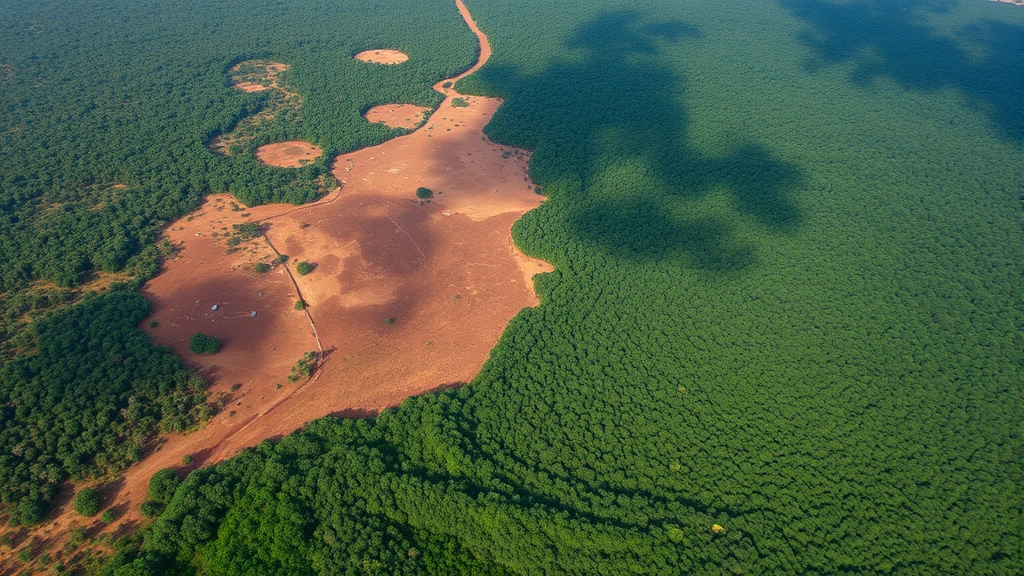
Habitat destruction represents the primary driver of species extinction and ecosystem collapse globally. Human land-use conversion—predominantly for agriculture, urban development, and resource extraction—has transformed approximately 75% of Earth’s ice-free land surface. This conversion rate accelerates annually, with tropical forests experiencing particularly severe losses despite their unparalleled biodiversity.
The mechanisms of habitat loss operate through multiple pathways. Living environment modifications include clear-cutting for timber and agricultural expansion, which fragments continuous forest ecosystems into isolated patches. These fragments lose ecological functionality through edge effects, reduced genetic diversity in isolated populations, and disrupted migration corridors. A forest patch surrounded by agricultural land experiences fundamentally different microclimate conditions, predation pressures, and resource availability compared to continuous forest.
Wetland conversion exemplifies the economic drivers behind habitat destruction. Wetlands, among Earth’s most productive ecosystems, occupy approximately 6% of global land area yet support disproportionate biodiversity and provide critical ecosystem services including water purification, carbon storage, and flood regulation. However, because wetlands occupy economically valuable real estate, approximately 87% of global wetlands have been converted to agricultural land or urban development over the past 300 years. The economic incentive structure treats wetland conversion as economically rational despite its massive ecological costs—costs that remain externalized in standard economic accounting.
Fragmentation effects extend beyond simple area reduction. When habitats become fragmented into smaller patches separated by hostile matrices (urban areas, agricultural monocultures), population dynamics shift dramatically. Small populations experience elevated extinction risk through stochastic processes, inbreeding depression, and reduced adaptive capacity. The minimum viable population size for most vertebrate species ranges from hundreds to thousands of individuals; fragmented habitats rarely support such populations, condemning species to slow extinction spirals even when hunting and direct persecution cease.
Climate Change and Atmospheric Disruption
Anthropogenic climate change represents perhaps the most pervasive and far-reaching human impact on ecosystems. Since industrialization, atmospheric CO₂ concentrations have increased from 280 ppm to over 420 ppm—a rate of change 100 times faster than natural background variation. This rapid atmospheric composition shift drives temperature increases, precipitation pattern alterations, and ocean acidification that fundamentally destabilize ecosystems adapted to historical climate stability.
The mechanisms through which climate change disrupts ecosystems operate across multiple temporal and spatial scales. Phenological mismatches occur when species dependent on environmental cues respond to changing conditions at different rates. Migratory birds timing their arrival to breeding grounds may find food resources not yet available; flowering plants may bloom before pollinators emerge; predator-prey dynamics become temporally uncoupled. These cascading phenological disruptions propagate through food webs, creating compound effects that reduce ecosystem productivity and stability.
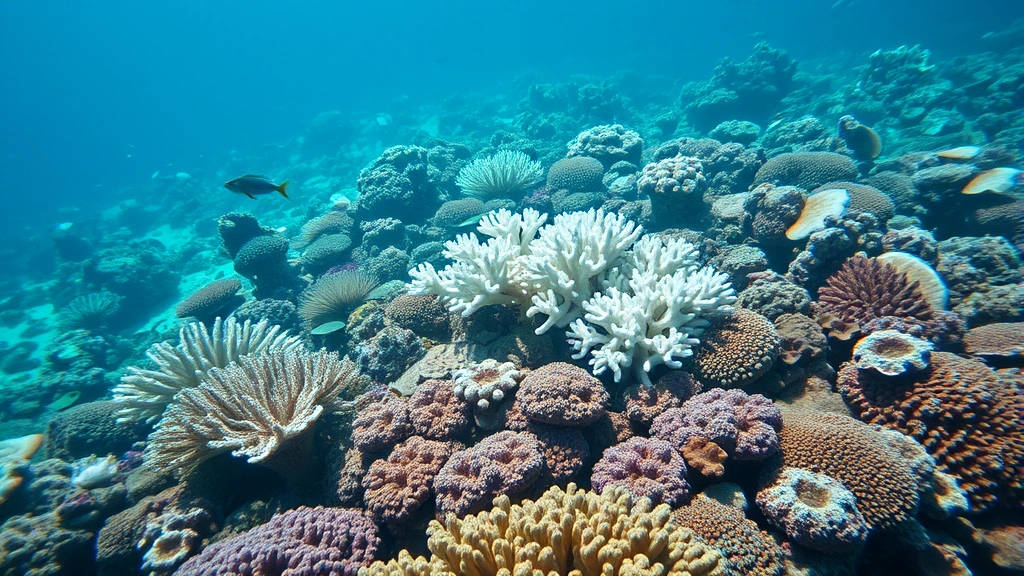
Thermal habitat compression particularly threatens aquatic ecosystems. Fish species require specific temperature ranges; as water temperatures rise, suitable habitat shrinks and shifts toward cooler regions. In many systems, cold-water refugia disappear entirely, forcing species into increasingly restricted areas where density-dependent effects, disease transmission, and predation intensify. Coral reef ecosystems face particularly acute thermal stress; even 1-2°C temperature increases above historical maximums trigger coral bleaching events where corals expel their symbiotic algae, leading to mass mortality across vast areas.
The economic drivers of climate change—fossil fuel combustion, industrial agriculture, and energy-intensive manufacturing—remain deeply embedded in global economic structures. How to reduce carbon footprint efforts continue at margins while systemic drivers persist. According to World Bank climate research, climate change threatens to push millions into poverty and reverse decades of development progress, particularly in vulnerable regions.
Pollution and Chemical Contamination
Human industrial activity generates and disperses chemical pollutants throughout all environmental compartments—atmosphere, hydrosphere, lithosphere, and biosphere. These contaminants include legacy persistent organic pollutants (POPs), heavy metals, microplastics, pharmaceutical residues, and industrial chemicals, many of which accumulate in organisms and biomagnify through food chains.
Persistent organic pollutants exemplify how pollution creates ecosystem-wide impacts. Chemicals like polychlorinated biphenyls (PCBs) and dichlorodiphenyltrichloroethane (DDT), banned decades ago in many countries, remain environmentally stable and continue circulating globally through atmospheric transport and bioaccumulation. These compounds concentrate in apex predators; peregrine falcons, bald eagles, and polar bears experienced population crashes when DDT biomagnification caused eggshell thinning and reproductive failure. Even after prohibition, these chemicals continue impairing reproduction in species across multiple continents.
Agricultural pollution creates distinct ecosystem impacts. Nitrogen and phosphorus fertilizer runoff triggers eutrophication in freshwater and coastal marine systems. Excess nutrient loading stimulates algal blooms that, upon decomposition, create oxygen-depleted dead zones where most aquatic life cannot survive. The Gulf of Mexico dead zone, created primarily by agricultural runoff from the Mississippi River basin, spans thousands of square kilometers annually. Similar dead zones now exist in hundreds of coastal areas globally, representing ecosystem collapse driven by agricultural intensification.
Plastic pollution demonstrates how consumer culture and linear economic models (take-make-waste) generate pervasive ecosystem contamination. Microplastics now appear in every environmental sample examined—ocean water, freshwater systems, soil, atmosphere, and organisms from plankton to whales to humans. These particles physically obstruct digestive systems and chemically leach additives and adsorbed pollutants into organisms. The full ecological consequences remain incompletely understood, but emerging evidence suggests widespread impacts on organism health, reproduction, and ecosystem functioning.
Heavy metal contamination from mining, smelting, and industrial processes creates localized but severe ecosystem degradation. Mercury released from coal combustion and industrial processes accumulates in aquatic food chains, reaching dangerous concentrations in fish consumed by humans and wildlife. Lead contamination from historical mining persists in soils decades after activity cessation, continuing to impair plant growth and wildlife reproduction.
Biodiversity Loss and Species Extinction
The combined impacts of habitat loss, climate change, pollution, and overexploitation have triggered the sixth mass extinction in Earth’s history. Current extinction rates exceed background rates by 100-1,000 fold, depending on taxonomic group. Species disappear before scientific description; we lose evolutionary lineages representing millions of years of adaptation.
Amphibians experience particularly acute extinction pressure, with approximately 40% of species threatened or extinct. The chytrid fungus (Batrachochytrium dendrobatidis), spreading globally through wildlife trade networks, causes catastrophic population declines in naive populations lacking evolutionary defenses. This example illustrates how globalized commerce creates novel disease vectors that destabilize ecosystems unprepared for introduced pathogens.
Megafauna extinctions carry cascading ecosystem consequences. Large herbivores structure plant communities through selective browsing; their loss allows vegetation composition shifts that alter fire regimes, carbon cycling, and habitat availability for other species. Apex predators regulate prey populations and behavior; their removal causes trophic cascades that restructure entire food webs. The extinction of megafauna in North America, Australia, and Madagascar approximately 10,000-50,000 years ago, driven by human hunting and habitat modification, fundamentally transformed ecosystem structure and function in ways that persist today.
Pollinator decline threatens global food security and ecosystem functioning. Bee populations, both wild and managed, face steep declines from pesticide exposure, habitat loss, disease, and climate change. Since approximately 75% of global food crops depend on animal pollination, pollinator extinction would trigger agricultural collapse. Beyond direct food production, pollinator loss disrupts reproduction in wild flowering plants, cascading through ecosystems that depend on seed production and fruit availability.
Freshwater and Marine System Degradation
Aquatic ecosystems experience particularly severe human impacts due to their position at landscape endpoints where pollution concentrates and because human settlements cluster around water sources. Human environment interaction in aquatic systems includes dam construction, water extraction, pollution input, and invasive species introduction.
Dam construction fragments river ecosystems, disrupting fish migration, altering flow regimes, and changing temperature and sediment dynamics. Approximately 37,000 large dams globally fragment major river systems; these structures impede movement of migratory species, trap sediments that downstream ecosystems require, and create thermal stratification in reservoirs that disrupts downstream thermal regimes. Dams block nutrient cycling and energy flows; sediments carrying essential nutrients accumulate behind dams rather than fertilizing downstream floodplains and deltas.
Groundwater depletion reduces ecosystem services and threatens long-term water availability. Aquifers accumulated over millennia recharge extremely slowly; extraction rates far exceed recharge rates in many regions. The Ogallala Aquifer underlying the US Great Plains, which supplies water for approximately 30% of US irrigation, declines at rates suggesting depletion within decades at current extraction rates. Groundwater depletion reduces base flows in rivers and wetlands, causing ecosystem desiccation.
Marine ecosystems face multiple anthropogenic stressors operating simultaneously. Overfishing has collapsed numerous fish stocks; bottom trawling destroys seafloor habitats accumulated over centuries; ocean acidification from CO₂ absorption impairs shell and skeleton formation in pteropods, corals, and mollusks; nutrient pollution creates dead zones; and plastic accumulation reaches from surface waters to abyssal depths.
Coral reef ecosystems, among Earth’s most diverse and productive, face existential threats. Coral bleaching events triggered by thermal stress occur with increasing frequency; the 2016 bleaching event killed approximately 30% of Great Barrier Reef corals. Reef recovery requires multi-year periods without thermal stress, yet current warming trajectories preclude such recovery windows. Additionally, ocean acidification reduces coral calcification rates and increases dissolution of existing structures. By 2100, coral reef ecosystems may functionally disappear if current warming trends continue.
Economic Drivers of Environmental Impact
Understanding human impacts on ecosystems requires examining the economic systems that generate these impacts. Standard economic accounting treats environmental degradation as externalities—costs borne by ecosystems and society but not reflected in market prices. This fundamental mismatch between economic incentives and ecological reality drives systematic overexploitation of natural resources.
Ecological economics, a transdisciplinary field integrating ecology and economics, demonstrates that current GDP growth in wealthy nations depends on resource depletion rates exceeding natural regeneration rates. We operate in ecological overshoot; global human consumption exceeds Earth’s regenerative capacity by approximately 70%. This overshoot continues because market prices fail to reflect true scarcity of ecological services.
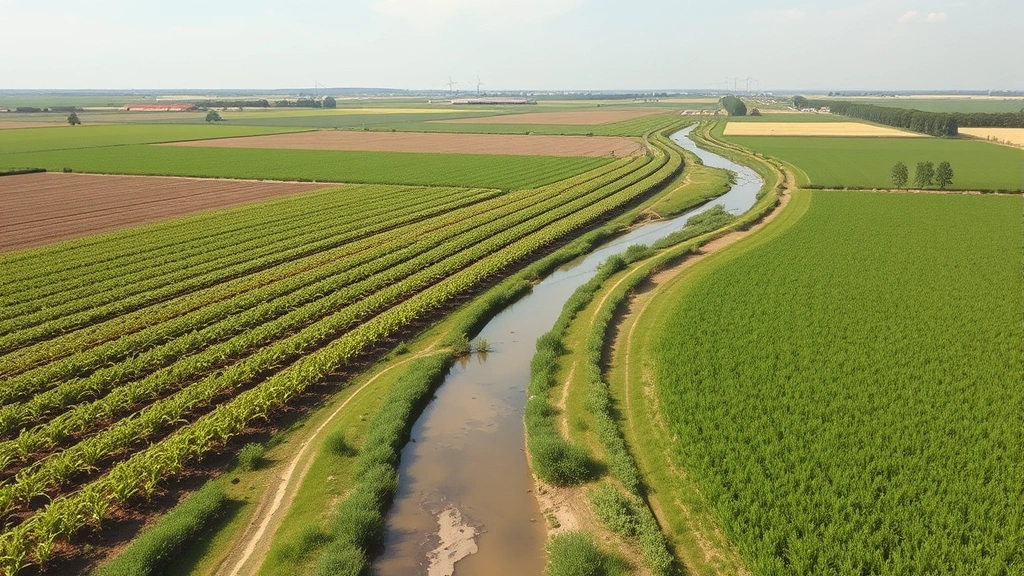
Agricultural intensification exemplifies how economic incentives drive ecosystem degradation. Industrial agriculture maximizes short-term yield through chemical inputs and monoculture practices that destroy soil structure, eliminate habitat heterogeneity, and create dependence on external chemical inputs. Soil erosion from conventional agriculture occurs at rates 10-100 times faster than soil formation, representing a slow-motion collapse of agricultural productivity masked by short-term yield increases from synthetic fertilizers. Yet market prices for agricultural commodities don’t reflect soil depletion costs; farmers rationally maximize short-term profits even as they mine soil capital.
The tragedy of the commons describes how open-access resources face overexploitation because individual harvesters capture full benefits while costs distribute across all users. Fisheries exemplify this dynamic; individual fishing operations maximize catch because they receive full profits while depletion impacts distribute across all fishers. This tragedy persists despite scientific understanding of sustainable harvest rates because individual incentives diverge from collective interests.
According to United Nations Environment Programme analysis, the global economy undervalues natural capital by trillions annually. Ecosystem services—pollination, water purification, climate regulation, nutrient cycling—provide economic value exceeding global GDP, yet we systematically degrade these services for marginal economic gains.
Renewable energy for homes and sustainable fashion brands represent individual-level responses, yet systemic transformation requires addressing fundamental economic structures. Research from International Union for Conservation of Nature indicates that nature-based solutions could provide approximately 37% of mitigation needed to meet 1.5°C climate targets while simultaneously enhancing biodiversity and ecosystem services.
The economic transition required involves several key shifts: pricing ecosystem services accurately through natural capital accounting; implementing ecological taxation that reflects true environmental costs; supporting regenerative agriculture that builds rather than depletes soil; transitioning energy systems from fossil fuels to renewables; and fundamentally reconsidering growth as an economic objective in wealthy nations already exceeding sustainable material throughput levels.
FAQ
What are the primary ways humans impact ecosystems?
Humans impact ecosystems through habitat destruction, climate change from greenhouse gas emissions, pollution including chemical contaminants and plastics, overexploitation of species, and introduction of invasive species. These impacts operate simultaneously and interact to amplify ecological disruption.
How does habitat loss affect biodiversity?
Habitat loss directly reduces available space for species survival and reproduction. Fragmentation isolates populations, reduces genetic diversity, and prevents migration. Small isolated populations face elevated extinction risk from stochastic events and inbreeding. Habitat loss drives the current extinction crisis.
What role does climate change play in ecosystem disruption?
Climate change alters temperature and precipitation patterns that organisms depend on for survival. It creates phenological mismatches, compresses thermal habitats, triggers species range shifts, and destabilizes ecosystems adapted to historical climate stability. Climate change acts synergistically with other stressors to amplify ecosystem degradation.
How does pollution damage ecosystems?
Pollution introduces toxic substances that directly harm organisms, bioaccumulate in food chains, and disrupt ecosystem functioning. Nutrient pollution triggers eutrophication and dead zones. Plastic pollution physically obstructs organisms and leaches chemical additives. Persistent organic pollutants remain environmentally stable for decades, continuing to cause damage long after their prohibition.
Why do economic systems drive environmental degradation?
Standard economic accounting treats environmental degradation as externalities—costs not reflected in market prices. This mismatch between economic incentives and ecological reality means that market prices undervalue ecosystem services and overvalue resource extraction. Individual economic actors rationally maximize profits despite collective ecological consequences.
Can ecosystem impacts be reversed?
Some impacts show reversibility with intervention; others represent functional collapse. Polluted water bodies can recover when pollution sources cease; some species populations recover when hunting pressure ends; forests regenerate when land-use pressure releases. However, extinct species cannot recover, and ecosystem state shifts may prove irreversible on human timescales. Prevention of further degradation remains more feasible than restoration.


