
Can Eco-Friendly Policies Boost the Economy? Study Shows Surprising Results
The intersection of environmental sustainability and economic growth has long been viewed as a trade-off. Policymakers have historically faced a false choice: prioritize ecological protection at the cost of economic prosperity, or pursue growth while degrading natural systems. However, emerging research and real-world case studies are fundamentally challenging this narrative. Recent comprehensive studies reveal that well-designed eco-friendly policies can simultaneously strengthen economies, create employment, and reduce environmental degradation. This paradigm shift represents one of the most significant developments in ecological economics of the past decade.
The evidence is mounting from multiple sectors and jurisdictions worldwide. Countries investing heavily in renewable energy infrastructure, circular economy initiatives, and sustainable agriculture are experiencing measurable GDP growth, job creation, and improved workforce conditions. What’s particularly noteworthy is that these economic gains extend beyond the environmental sector itself, creating ripple effects throughout supply chains and service industries. Understanding these dynamics is essential for policymakers, business leaders, and citizens seeking to navigate the complex relationship between environmental stewardship and economic vitality.
The Economic Case for Environmental Protection
Traditional economic models treated environmental resources as externalities—costs not reflected in market prices. This fundamental accounting error led to systematic undervaluation of natural capital. Recent advances in human environment interaction studies demonstrate that integrating environmental costs into economic calculations reveals a strikingly different picture. When carbon emissions, water depletion, soil degradation, and biodiversity loss are properly valued, the economic case for environmental protection becomes overwhelming.
Research from the World Bank indicates that natural capital represents approximately 26% of total wealth in developing countries and 4-8% in developed nations. Depleting this capital at current rates is economically equivalent to liquidating productive assets without reinvestment. Conversely, policies that protect and restore natural systems function as investments in economic resilience. A robust living environment provides free ecosystem services worth trillions annually: water purification, pollination, climate regulation, and disease control.
The economic multiplier effects of environmental protection are substantial. When governments invest in renewable energy infrastructure, they don’t simply reduce emissions—they stimulate manufacturing, construction, installation, and maintenance industries. These sectors employ millions globally and generate tax revenue. Studies from ecological economics journals demonstrate that environmental spending typically generates 1.5 to 2.5 times the economic return of equivalent traditional infrastructure investment, with the advantage of avoiding long-term environmental liability costs.
Job Creation in Green Sectors
One of the most compelling arguments for eco-friendly policies is employment generation. Renewable energy, sustainable forestry, organic agriculture, and environmental restoration create jobs that cannot be outsourced. A solar panel installer must work on-site; a reforestation specialist cannot have their work performed remotely from a low-wage country. This localized job creation benefits communities directly, supporting small businesses and local economies.
Global employment in renewable energy exceeded 12 million workers in 2023, with solar and wind industries alone accounting for over 4 million positions. These jobs pay competitive wages—often above median income in their regions—and typically offer better working conditions than extractive industries. Unlike coal mining or oil drilling, which concentrate wealth and environmental risks, renewable energy jobs are distributed across manufacturing, installation, maintenance, and administrative functions. This diversity creates stable, long-term employment pathways.
The transition to sustainable systems also generates “green collar” jobs in energy efficiency retrofitting, public transportation systems, and environmental remediation. A single energy efficiency retrofit program can employ thousands of workers upgrading buildings, installing insulation, and maintaining systems. These positions require training but offer career advancement opportunities. Communities pursuing aggressive sustainability targets experience measurable employment gains, particularly when policies include workforce development components.
Cost Savings and Efficiency Gains
Beyond job creation, eco-friendly policies generate direct cost savings across multiple sectors. Organizations implementing carbon footprint reduction strategies consistently report lower operational expenses. Energy efficiency improvements reduce utility bills by 20-50%. Waste reduction and circular economy practices decrease material costs. Water conservation systems lower both consumption and treatment expenses.
Manufacturing efficiency improvements driven by environmental requirements often yield unexpected competitive advantages. Lean production methodologies, developed partly in response to environmental constraints, reduce waste and increase output per unit of input. Companies adopting these approaches report improved profit margins and faster production cycles. Environmental regulations, rather than imposing pure costs, frequently catalyze innovation that improves overall business performance.
Healthcare systems benefit significantly from improved air and water quality resulting from environmental policies. Reduced air pollution decreases respiratory disease, cardiovascular problems, and cancer rates, lowering healthcare expenditures. Studies indicate that air quality improvements generate healthcare savings exceeding the costs of pollution control measures. Clean water systems prevent waterborne disease outbreaks and reduce treatment costs. These health benefits create additional economic gains through increased workforce productivity and reduced absenteeism.

Case Studies: Real-World Success
Denmark provides a compelling example of environmental policy driving economic growth. The country generates approximately 80% of electricity from renewable sources while maintaining one of Europe’s highest per-capita incomes. Danish wind turbine manufacturers dominate global markets, and the renewable energy sector contributes substantially to GDP. Rather than constraining the economy, aggressive environmental policies positioned Denmark as a technological leader with export opportunities.
Costa Rica demonstrates how biodiversity protection and sustainable tourism can create prosperity. The country protects over 25% of its territory in national parks and reserves while maintaining the highest human development index in Central America. Ecotourism generates significant foreign exchange, supporting local communities while preserving ecosystems. This model shows that environmental conservation and economic development need not conflict when properly structured.
Germany’s Energiewende (energy transition) provides lessons in systematic policy implementation. Despite transitioning away from nuclear power and fossil fuels, Germany maintains industrial competitiveness and full employment. Renewable energy now provides over 50% of electricity, while manufacturing and exports remain strong. The transition created hundreds of thousands of jobs and positioned German companies as global leaders in clean technology.
China’s ecological restoration initiatives, including the world’s largest reforestation program, demonstrate large-scale environmental investment generating economic returns. These projects employ millions in tree-planting, soil conservation, and habitat restoration. Reduced desertification protects agricultural productivity and supports rural livelihoods. While implementation has faced challenges, the economic logic—treating environmental restoration as productive investment—has driven unprecedented scale.
Workplace Conditions and Employee Wellbeing
Environmental policies often correlate with improved workplace conditions and employee wellbeing, factors that directly impact economic productivity. Companies prioritizing environmental sustainability typically implement comprehensive occupational health and safety programs. This attention to systemic wellbeing extends from environmental practices to worker treatment. Organizations with strong environmental commitments generally demonstrate better labor practices, lower turnover, and higher employee satisfaction.
Access to a non-toxic work environment represents a fundamental requirement for sustainable economic activity. Workplaces with poor air quality, chemical exposure, or inadequate safety systems experience higher absenteeism, reduced productivity, and increased healthcare costs. Environmental improvements in workplace settings—from better ventilation to elimination of hazardous substances—directly enhance employee health and output. Studies show that workers in healthier environments demonstrate 15-20% higher productivity.
The relationship between environmental quality and workplace culture deserves particular attention. Organizations implementing comprehensive sustainability programs often develop stronger employee engagement and organizational cohesion. These programs demonstrate institutional commitment to values beyond profit maximization, fostering employee loyalty and motivation. Green workplace initiatives—from sustainable commuting options to healthy food systems—improve quality of life while reducing environmental impact.
Renewable energy and clean technology companies demonstrate particularly strong workplace conditions. These sectors attract talent seeking meaningful work aligned with personal values. Employees in these industries report higher job satisfaction and lower stress levels compared to extractive or polluting industries. This creates a virtuous cycle: better workplace conditions attract higher-quality talent, improving organizational performance and competitiveness.
Challenges and Implementation Barriers
Despite compelling evidence, significant barriers impede widespread adoption of eco-friendly policies. Incumbent industries invested in fossil fuel and extractive systems actively resist transition policies. Political influence from established energy companies, agricultural lobbies, and manufacturing interests shapes policy outcomes. These structural obstacles require sustained political will and public pressure to overcome.
Short-term economic disruption during transitions creates legitimate concerns. Workers in declining industries face unemployment and retraining needs. Communities dependent on extractive industries experience economic contraction during transition periods. Addressing these challenges requires robust social support systems, targeted investment in affected regions, and genuine workforce development programs. Without adequate transition support, environmental policies generate justified opposition and political backlash.
Capital requirements for large-scale environmental investments challenge developing economies with limited fiscal capacity. Renewable energy infrastructure, environmental remediation, and sustainable agriculture transitions require substantial upfront investment. International financial mechanisms and technology transfer must support developing nations pursuing sustainability, ensuring environmental protection doesn’t perpetuate global inequality.
Measurement and accountability challenges complicate policy evaluation. Environmental benefits often materialize over long timeframes, while costs appear immediately. Quantifying ecosystem services, health improvements, and avoided future damages requires sophisticated methodologies. Political incentives favor short-term visible results, creating bias against investments with long-term payoffs. Improving environmental accounting and policy evaluation frameworks remains essential.
Future Economic Opportunities
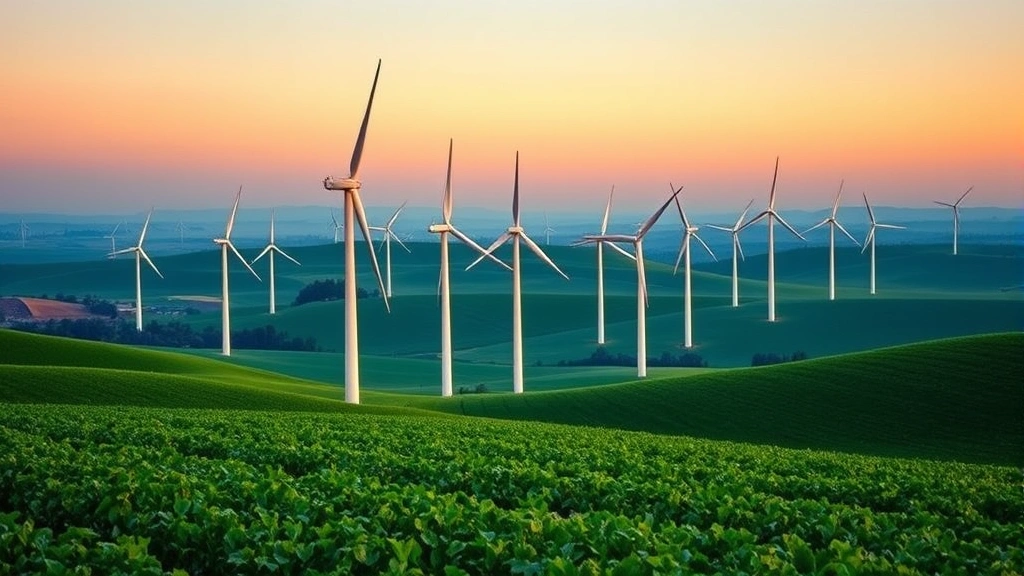
The transition to sustainable economies presents unprecedented economic opportunities. Clean technology markets are expanding rapidly, with renewable energy for homes representing one of the fastest-growing sectors. Energy storage, grid modernization, electric transportation, and circular economy technologies will drive economic growth for decades. Nations and companies positioning themselves as leaders in these sectors will capture disproportionate value.
Sustainable agriculture and food systems represent enormous economic potential. Regenerative farming practices improve soil health, increase productivity, and reduce input costs. Organic and local food markets grow consistently, commanding premium prices and supporting rural economies. As consumers increasingly value sustainability, food system transformation creates market opportunities throughout supply chains.
The circular economy—designing out waste and maintaining material value—offers profound economic advantages. Rather than linear “take-make-dispose” models, circular systems maximize resource efficiency and create business opportunities in remanufacturing, repair, and material recovery. Companies developing circular business models report improved profitability and competitive advantage.
Climate adaptation investments will dominate global capital flows throughout this century. Protecting infrastructure from climate impacts, restoring resilient ecosystems, and developing climate-adapted agriculture create massive investment and employment opportunities. Early movers in climate adaptation gain competitive advantages and market share. Environmental economics increasingly recognizes that climate adaptation represents not a burden but an opportunity for profitable innovation.
International carbon markets and payment for ecosystem services mechanisms create new economic instruments. These frameworks allow countries and companies to monetize environmental benefits, directing capital toward conservation and sustainable practices. As these mechanisms mature and scale, they will redirect trillions in investment toward environmental protection.
FAQ
Do environmental policies actually create net job growth?
Research consistently demonstrates that environmental policies generate net job creation. Studies from UNEP and academic institutions show that green sectors create more employment than declining fossil fuel industries. Job creation extends across manufacturing, installation, maintenance, and administrative roles. While transition periods create displacement requiring support, overall employment trends are positive, particularly when policies include workforce development.
How do environmental policies affect small businesses?
Small businesses experience mixed effects depending on sector and policy design. Energy efficiency improvements reduce operating costs for small manufacturers and service providers. However, compliance costs can burden small enterprises lacking resources for rapid adaptation. Effective policy design includes technical assistance, financing support, and phased implementation timelines allowing small businesses to adapt. Many small businesses develop competitive advantages through sustainability innovation.
Can developing countries afford environmental protection?
Developing countries cannot afford environmental degradation. Natural resource depletion, water scarcity, and air pollution impose enormous costs on developing economies. Environmental protection often costs less than managing environmental damages. International support through climate finance, technology transfer, and capacity building enables developing nations to pursue sustainable development. Research from ecological economics institutes demonstrates that sustainable development pathways are economically superior to extraction-based models.
What about the transition costs for fossil fuel workers?
Transition costs are real and require serious policy response. Fossil fuel workers deserve robust support including income maintenance, retraining programs, and pension protection. Communities dependent on extractive industries need diversified economic development. Successful transitions like Germany’s Energiewende demonstrate that adequate support makes just transitions politically viable. The alternative—maintaining unsustainable systems—imposes far larger long-term costs.
How do environmental policies affect international competitiveness?
Countries and companies leading in clean technology gain competitive advantages. Renewable energy, energy efficiency, and sustainable manufacturing represent growth sectors with expanding markets. Environmental leaders like Denmark and Germany maintain strong export competitiveness. Carbon border adjustment mechanisms and sustainability standards increasingly shape global trade. Early adoption of environmental policies positions economies as competitors in expanding green technology markets rather than obsolete industries.
What role do workplace conditions play in environmental sustainability?
Workplace conditions and environmental sustainability are deeply interconnected. Organizations prioritizing environmental protection typically implement comprehensive occupational health programs. Access to non-toxic work environments improves productivity, reduces healthcare costs, and enhances employee wellbeing. Environmental policies addressing air quality, chemical safety, and healthy working conditions directly benefit workers while improving organizational performance and competitiveness.


