California’s Ecological Impact on the Economy: Expert Insights and Data-Driven Analysis
California’s economy, the world’s fifth-largest, operates within a complex nexus of environmental constraints and ecological dependencies that fundamentally shape its competitive advantage and long-term sustainability. The state’s $3.6 trillion gross state product relies heavily on natural capital—from water resources to biodiversity—yet simultaneously generates significant environmental pressures that threaten the very ecosystems supporting economic vitality. Understanding this paradox requires examining how ecological degradation creates economic externalities, workforce challenges, and systemic risks that reverberate across industries.
Recent economic analyses reveal that California’s environmental challenges increasingly manifest as workplace and operational stressors. When we examine the intersection of environmental degradation and labor conditions, we discover that poor air quality, water scarcity, and ecosystem collapse don’t merely represent environmental failures—they fundamentally alter working conditions across sectors. Agricultural workers, construction crews, and outdoor professionals face what might be termed an environmentally-induced hostile work environment, where ecological breakdown creates tangible occupational hazards that demand economic and regulatory responses.
This article synthesizes expert insights from ecological economists, environmental policy researchers, and California-based industry analysts to illuminate how environmental degradation functions as an economic multiplier, amplifying workplace stress, reducing productivity, and necessitating costly adaptation strategies across the state’s diverse economic sectors.

Water Scarcity and Agricultural Economics
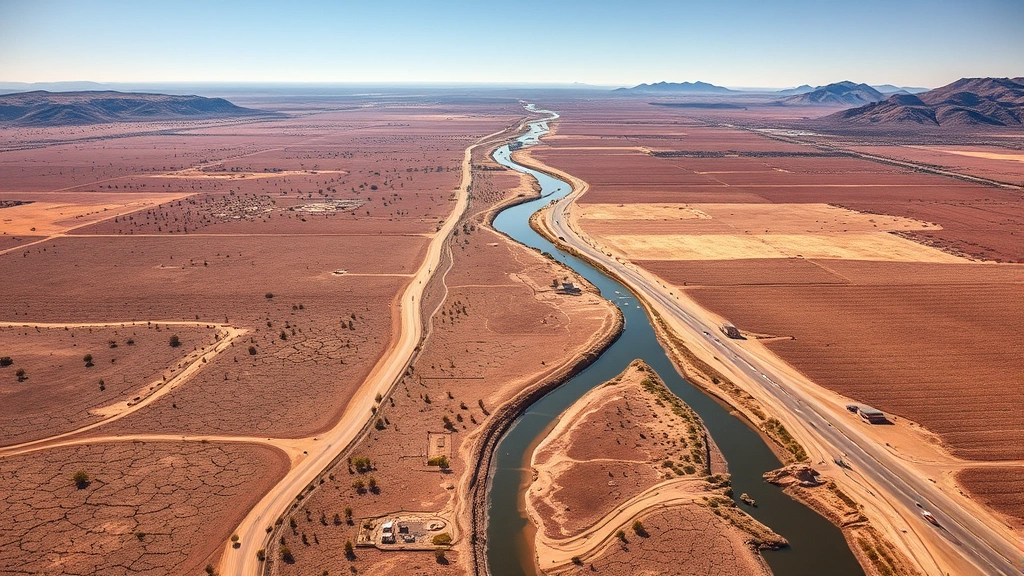
California’s agricultural sector, generating $50 billion annually and employing 375,000 workers, faces unprecedented water stress that directly translates into economic disruption and workforce challenges. The Central Valley Aquifer, which supplies 40% of groundwater to the nation’s most productive agricultural region, has experienced dramatic depletion—some areas subsiding over 28 feet due to over-extraction. This ecological crisis creates cascading economic consequences that extend far beyond irrigation costs.
Ecological economists at the World Bank have documented how water scarcity generates what they term “environmental labor market disruption.” When water availability declines, agricultural operations must reduce acreage or shift to less water-intensive crops, directly reducing employment opportunities. Simultaneously, workers face intensified conditions: shorter growing seasons compressed into hotter periods, increased pesticide application during water stress (which increases toxicity exposure), and deteriorating working conditions that qualify as environmentally-induced workplace hazards. The relationship between human environment interaction and labor outcomes becomes starkly apparent in these agricultural contexts.
Research from the University of California’s Agricultural and Natural Resources division indicates that water-stressed agricultural workers experience 23% higher rates of heat-related illness and significantly elevated stress markers. This represents a tangible economic cost: lost productivity, increased healthcare expenditures, and worker compensation claims. The California Department of Industrial Relations reports that agricultural heat illness claims have increased 247% since 2010, corresponding directly with drought intensification periods.
Beyond immediate labor impacts, water scarcity threatens the entire supply chain economics of California agriculture. Almond production, representing $5.6 billion in annual value, requires 1.4 trillion gallons annually—creating a systemic vulnerability where ecological constraints directly determine economic viability. When aquifers decline, production costs escalate dramatically, reducing profit margins and forcing operational consolidation that eliminates smaller farm operations and associated employment.
Air Quality Impact on Labor Productivity
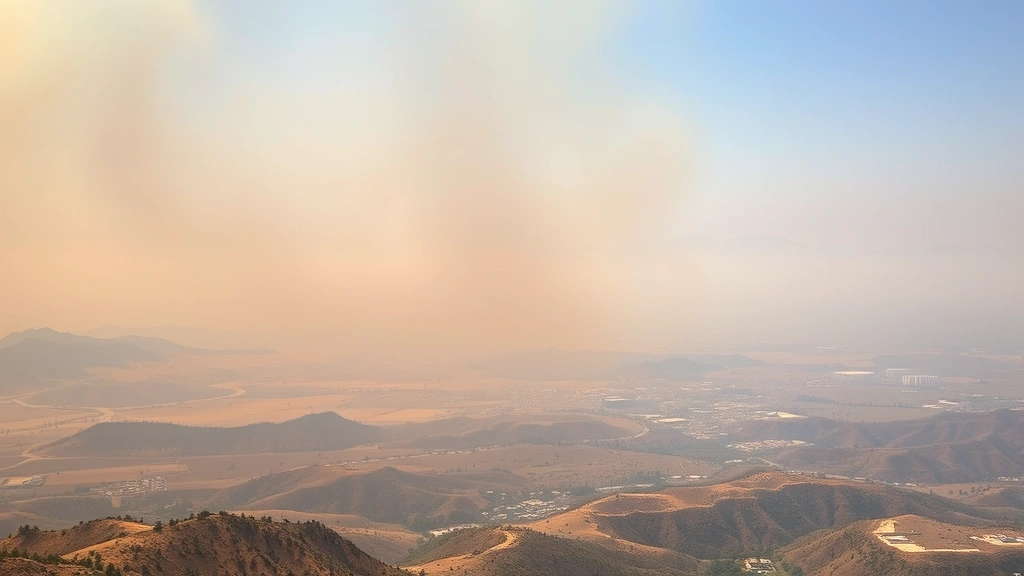
California’s San Joaquin Valley, home to America’s most productive agricultural region and significant industrial operations, routinely experiences air quality rankings among the worst in the nation. The economic implications of this ecological degradation are quantifiable and severe. When ambient ozone levels exceed EPA standards, outdoor workers experience measurable productivity declines: reduced work capacity, increased respiratory symptoms, and elevated absenteeism.
A comprehensive analysis by the United Nations Environment Programme estimated that air pollution costs California’s economy approximately $193 billion annually in health expenditures, lost productivity, and reduced life expectancy. For individual workers, poor air quality creates occupational stress that extends beyond traditional definitions. Construction workers, agricultural laborers, and outdoor maintenance crews face daily exposure to particulate matter exceeding safe thresholds, creating conditions that parallel conventional definitions of workplace hazard exposure.
The relationship between air quality and economic output is well-documented: studies show that each 10-microgram-per-cubic-meter increase in fine particulate matter correlates with 0.3-0.5% productivity reduction in outdoor-intensive industries. For California’s construction sector alone, representing $200+ billion in annual economic activity and employing 800,000 workers, air quality degradation translates into millions of lost working hours annually.
Beyond immediate productivity effects, poor air quality imposes long-term economic costs through workforce health deterioration. Workers exposed to chronic air pollution experience elevated rates of cardiovascular disease, respiratory conditions, and cognitive decline—all factors reducing lifetime earnings capacity and increasing healthcare costs. This represents what ecological economists term “natural capital depreciation”—the degradation of environmental assets that subsequently reduces human capital productivity.
Ecosystem Services Valuation
Contemporary ecological economics emphasizes quantifying ecosystem services—the tangible economic value provided by natural systems. California’s ecosystems generate an estimated $2.7 trillion in annual ecosystem services, including water purification, pollination, climate regulation, and nutrient cycling. When these systems degrade, the economic consequences manifest as increased production costs, reduced efficiency, and workforce stress.
California’s coastal ecosystems alone provide $1.3 billion annually in commercial and recreational fisheries value, supporting 50,000 direct jobs. Ocean acidification, driven by climate change and ecological degradation, threatens shellfish hatcheries and fish populations, creating economic disruption across coastal communities. Workers in fishing and aquaculture industries face declining catches, reduced employment opportunities, and increasing occupational uncertainty—conditions that create workplace stress and economic vulnerability.
Pollination services, provided primarily by bee populations and other insects, generate approximately $3.1 billion annually for California agriculture. Colony collapse disorder and habitat loss have reduced pollinator populations by 45% over the past two decades, necessitating expensive commercial pollination services or crop yield reductions. This ecological degradation directly increases production costs and reduces farmer profitability, ultimately affecting agricultural worker compensation and employment stability.
Forests, representing 45% of California’s land area, provide $2.4 billion in annual ecosystem services including carbon sequestration, water filtration, and wildfire mitigation. Catastrophic wildfire seasons—increasingly frequent due to climate change and forest management challenges—destroy these services while simultaneously creating immediate economic devastation. The 2020 fire season alone generated $10 billion in direct damages while displacing thousands of workers and creating widespread economic disruption across rural communities.
Renewable Energy Transition Economics
California’s aggressive renewable energy mandate—achieving 60% renewable electricity by 2030—represents both ecological necessity and economic transformation. The transition away from fossil fuel dependence addresses environmental degradation while simultaneously creating workforce demands and regional economic restructuring. Understanding this transition requires examining both opportunities and displacement challenges.
Solar and wind energy installations now employ 105,000 Californians, with projections indicating 250,000 jobs by 2030. However, these opportunities concentrate geographically and require specific skill sets, creating regional employment disparities. Rural communities historically dependent on fossil fuel extraction or natural resource exploitation face economic transitions that can generate workplace stress and community instability. The relationship between how to reduce carbon footprint and economic opportunity becomes apparent when examining these sectoral shifts.
Research from the International Energy Agency indicates that renewable energy transitions, while economically beneficial long-term, generate short-term employment disruption in displaced sectors. California’s experience demonstrates this pattern: coal and natural gas workers facing job displacement experience significant income reduction and occupational stress. Effective policy responses require workforce development programs, income support mechanisms, and regional economic diversification strategies—all representing public costs associated with ecological transition.
The renewable energy sector’s expansion also creates supply chain opportunities. California-based companies now lead global markets in battery technology, grid management systems, and solar panel manufacturing. This represents genuine economic value creation driven by ecological necessity, illustrating how environmental constraints can catalyze innovation and competitive advantage. However, realizing these opportunities requires sustained investment in research, infrastructure, and workforce development.
Climate-Induced Workplace Stress
Rising temperatures and increasing climate volatility create direct occupational hazards that fundamentally alter working conditions across California’s economy. Heat stress represents the most immediate manifestation: outdoor workers face daily exposure to temperatures exceeding safe thresholds, creating measurable health risks and productivity losses. California’s Labor Commissioner reports that heat-related worker injuries have increased 392% since 2010, with agricultural and construction sectors experiencing the most severe impacts.
The economic costs of climate-induced workplace stress extend beyond immediate health impacts. Worker compensation claims related to heat illness now exceed $300 million annually. Employers implementing necessary protective measures—cooling stations, additional breaks, protective equipment—incur significant operational costs that reduce profitability or necessitate price increases. These represent genuine economic costs imposed by ecological degradation, representing what economists term “environmental externalities” that markets fail to price.
Beyond heat stress, climate volatility creates broader workplace uncertainty. Workers in weather-dependent industries—agriculture, construction, outdoor recreation—face increasingly unpredictable employment patterns as climate variability increases. This generates occupational stress, income instability, and workforce retention challenges. Employers report increasing difficulties attracting and retaining workers in sectors experiencing high climate exposure, necessitating wage increases or improved working conditions that represent direct economic responses to environmental degradation.
Psychological stress associated with climate anxiety and environmental uncertainty represents an emerging economic factor. Research indicates that workers in climate-vulnerable industries experience elevated rates of anxiety disorders, depression, and stress-related conditions. While difficult to quantify, these mental health impacts reduce productivity, increase healthcare costs, and contribute to workforce instability—all representing genuine economic costs of ecological degradation.
Regional Economic Resilience
California’s economic resilience increasingly depends on developing regional capacities to adapt to ecological constraints and climate change impacts. Some regions demonstrate greater resilience through economic diversification, investment in sustainable infrastructure, and workforce development in low-carbon sectors. Understanding these regional variations provides insights into how ecological economics translates into policy and investment priorities.
The San Francisco Bay Area, despite high environmental pressures, maintains economic dynamism through concentration in technology, finance, and professional services—sectors less directly dependent on natural resource extraction or climate-sensitive activities. However, even these sectors face ecological constraints: water scarcity threatens data center operations, wildfire risk increases insurance costs and operational uncertainty, and transportation infrastructure faces climate-related vulnerabilities. The region’s relative resilience reflects economic diversification rather than environmental abundance.
Conversely, rural regions dependent on agriculture, forestry, or resource extraction face more severe ecological vulnerability and limited alternative employment opportunities. These communities experience cumulative stress from water scarcity, air pollution, wildfire risk, and climate volatility, with limited economic alternatives. This geographic concentration of ecological vulnerability and economic limitation creates what researchers term “environmental justice” challenges—where vulnerable populations bear disproportionate costs of ecological degradation with minimal capacity for adaptation.
Addressing regional economic resilience requires integrated approaches combining ecological restoration, workforce development, and economic diversification. California’s climate adaptation strategies increasingly emphasize regional resilience planning that coordinates environmental management with economic development. This reflects recognition that ecological and economic sustainability represent interconnected imperatives requiring integrated policy responses.
Investment in renewable energy for homes and distributed energy resources represents one strategy for building regional resilience while reducing ecological impact. Similarly, investment in sustainable agriculture practices, forest restoration, and water conservation infrastructure generates both environmental and economic benefits by reducing resource constraints and creating employment opportunities in green sectors.
The concept of ecological economics integration extends beyond traditional environmental policy to encompass workforce development, occupational health, and community economic planning. California’s experience demonstrates that ecological sustainability and economic prosperity represent complementary rather than competing objectives when policy frameworks explicitly integrate environmental and economic considerations.
International organizations including the World Bank increasingly recognize that natural capital accounting—systematically measuring and valuing ecosystem services—represents essential infrastructure for economic policy. California’s pioneering efforts in natural capital assessment provide models for other regions seeking to integrate ecological considerations into economic planning and investment decisions.
Research from ecological economics journals and institutes emphasizes that environmental externalities—costs imposed on society through ecological degradation—represent genuine economic inefficiencies requiring policy correction. Carbon pricing, water pricing reform, and ecosystem service payments represent mechanisms for internalizing these externalities, thereby aligning private incentives with social welfare and environmental sustainability.
FAQ
How does California’s water scarcity directly impact worker employment and wages?
Water scarcity reduces agricultural acreage and production, directly decreasing employment opportunities in farming, food processing, and related sectors. Simultaneously, water stress increases production costs, reducing profit margins and constraining wage growth. Workers face dual pressures: fewer jobs and reduced compensation for remaining positions. Additionally, water-stressed operations intensify working conditions, increasing heat exposure and chemical application risks.
What is the quantified economic cost of California’s air pollution?
The United Nations Environment Programme estimates California’s air pollution costs approximately $193 billion annually through health expenditures, lost productivity, and reduced life expectancy. This represents roughly 5% of the state’s gross domestic product—a substantial economic drag directly attributable to ecological degradation. These costs concentrate in regions with poorest air quality, creating geographic economic disadvantage.
Can California’s renewable energy transition offset economic losses from ecological degradation?
Renewable energy expansion creates substantial employment opportunities—currently 105,000 jobs with projections reaching 250,000 by 2030. However, these opportunities concentrate geographically and require specific skills, creating regional employment disparities. Long-term, the renewable energy transition addresses ecological constraints while generating economic value. Short-term, displaced workers in fossil fuel sectors experience income reduction and occupational stress requiring policy support.
How do ecosystem services translate into measurable economic value?
California’s ecosystems generate approximately $2.7 trillion in annual ecosystem services including water purification, pollination, climate regulation, and nutrient cycling. When ecosystems degrade, these services decline, necessitating expensive human alternatives or accepting reduced production. For example, declining pollinator populations require commercial pollination services costing significantly more than natural pollination, directly increasing agricultural production costs.
What policy mechanisms can address California’s ecological-economic challenges?
Effective policies include carbon pricing mechanisms, water pricing reform reflecting scarcity value, ecosystem service payments rewarding conservation, workforce development programs supporting transitions to green sectors, and regional economic diversification strategies. Natural capital accounting—systematically measuring ecosystem service value—provides foundation for evidence-based policy development integrating environmental and economic considerations.
How does climate change create occupational health risks and associated economic costs?
Rising temperatures and climate volatility create direct heat stress exposure for outdoor workers, generating health risks and productivity losses. California’s heat-related worker compensation claims exceed $300 million annually and have increased 392% since 2010. Beyond immediate health impacts, climate volatility creates employment uncertainty in weather-dependent sectors, generating occupational stress and workforce retention challenges requiring wage and benefit increases.


