Mosquitoes’ Role in Ecosystems: Scientific Insight
Mosquitoes represent one of nature’s most misunderstood organisms. While they are rightfully feared for their role as disease vectors, these insects play surprisingly complex and vital functions within global ecosystems. Understanding what do mosquitoes do for the environment reveals a nuanced picture: these creatures are simultaneously ecological engineers, food sources, and nutrient cyclers that have shaped biodiversity patterns for millions of years. Despite their negative reputation, eliminating mosquitoes entirely would trigger cascading ecological consequences that would fundamentally alter aquatic and terrestrial food webs.
The ecological significance of mosquitoes extends far beyond their larval stages in water bodies. Adult mosquitoes, larvae, and pupae collectively support hundreds of species across multiple trophic levels. Their presence influences nutrient cycling, carbon sequestration in aquatic ecosystems, and predator-prey dynamics that maintain ecosystem stability. From an economic perspective, understanding mosquito ecology informs more sustainable pest management strategies that balance human health needs with ecosystem integrity—a critical consideration as we face mounting pressures from habitat loss and climate change.
Mosquitoes as Keystone Food Sources
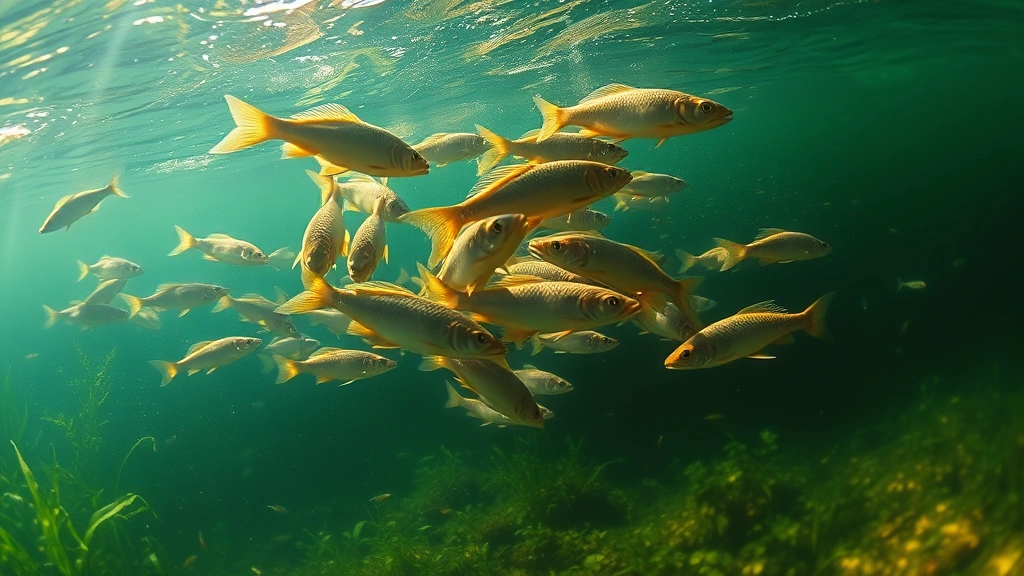
Mosquitoes occupy a critical position in food webs as energy transfer conduits between primary producers and higher-order consumers. Their larvae and pupae serve as primary food sources for fish species, dragonfly nymphs, aquatic beetles, and amphibians. Research from the World Bank’s environmental economics division highlights how disruptions to foundational food web components can trigger economic losses in fishery sectors worth billions annually. In freshwater systems, mosquito larvae can constitute 50-90% of the dietary intake for certain fish species, making them irreplaceable in maintaining aquatic productivity.
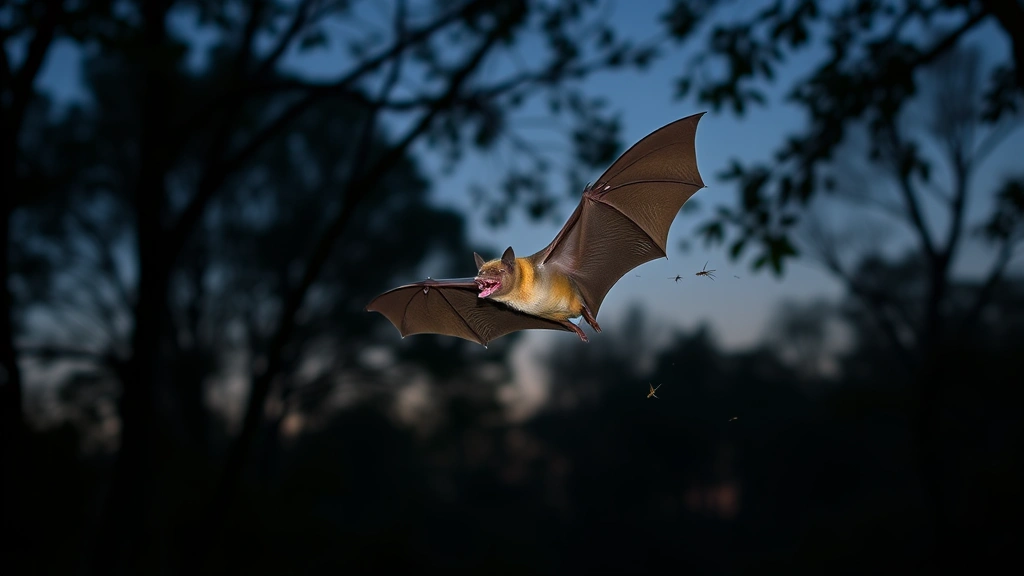
Adult mosquitoes similarly function as crucial protein sources for birds, bats, dragonflies, and other predatory insects. A single bat can consume thousands of mosquitoes nightly, with mosquitoes representing up to 80% of some bat species’ diets. This predator-prey relationship has profound implications for ecosystem services: bats provide natural pest control, pollination services, and seed dispersal—services valued at over $15 billion annually in the United States alone. The mosquito-bat relationship exemplifies how seemingly insignificant organisms drive ecosystem functions with measurable economic value.
The nutritional composition of mosquitoes makes them particularly valuable as food sources. Both larval and adult stages contain substantial proteins, lipids, and micronutrients that support consumer growth and reproduction. Female mosquitoes, which require blood meals for egg production, accumulate particularly high nutrient concentrations that are transferred to offspring and subsequently to predators. This nutrient-dense pathway means mosquito populations directly influence predator fitness, population dynamics, and ultimately ecosystem stability.
Larval Contributions to Aquatic Ecosystems
Mosquito larvae represent one of the most abundant macroinvertebrate groups in lentic (still-water) and lotic (flowing-water) systems. Their ecological roles extend beyond serving as food: they function as detritivores and filter feeders that process organic matter and suspended particles. By consuming algae, bacteria, and decaying plant material, mosquito larvae participate in decomposition processes that release nutrients back into water columns and sediments. This recycling mechanism is essential for maintaining water quality and supporting primary productivity.
The presence of mosquito larvae indicates specific water quality conditions, making them valuable bioindicators for aquatic ecosystem health. Different mosquito species have distinct habitat preferences and pollution tolerances, allowing scientists to use larval communities to assess environmental stressors. Understanding what science environment definition encompasses includes recognizing how indicator species like mosquitoes provide early warning signals for ecosystem degradation.
Larvae also influence sediment dynamics and oxygen cycling in aquatic habitats. Their movement through water columns creates turbulence that enhances gas exchange, while their grazing on biofilms prevents excessive algal growth that could trigger eutrophication. In shallow wetlands and temporary pools, mosquito larvae can reach densities exceeding 10,000 individuals per square meter, making their collective impact on nutrient cycling and water chemistry substantial.
Nutrient Cycling and Biogeochemical Processes
Mosquitoes participate in critical biogeochemical cycles that maintain ecosystem productivity. As aquatic larvae, they consume organic matter and excrete nitrogen and phosphorus compounds that are bioavailable to plants and other microorganisms. This nutrient mobilization supports phytoplankton and macrophyte production, which forms the foundation of aquatic food webs. Research published in ecological economics journals demonstrates that nutrient cycling services provided by invertebrate communities—including mosquitoes—generate ecosystem service values ranging from $5,000 to $50,000 per hectare annually in freshwater systems.
The emergence of adult mosquitoes from aquatic systems represents a significant nutrient flux from water to terrestrial environments. Emerging insects transport aquatic-derived nitrogen and phosphorus into terrestrial ecosystems, where they become available to terrestrial consumers and plants. This cross-ecosystem nutrient subsidy is particularly important in nutrient-limited systems, where aquatic insect emergence can double or triple nitrogen availability in surrounding terrestrial habitats. Spiders, birds, and insectivorous mammals that consume emerging mosquitoes subsequently redistribute these nutrients through their feces and carcasses.
Carbon sequestration represents another significant ecosystem service provided by mosquito populations. The biomass of mosquito larvae and pupae in aquatic systems represents stored carbon that enters food webs. When predators consume mosquitoes and allocate resources to growth and reproduction, they effectively transfer carbon through trophic levels. Understanding these carbon pathways is essential for comprehensive ecosystem carbon accounting and for evaluating how biodiversity loss affects climate regulation services.
Adult Mosquitoes in Terrestrial Food Webs
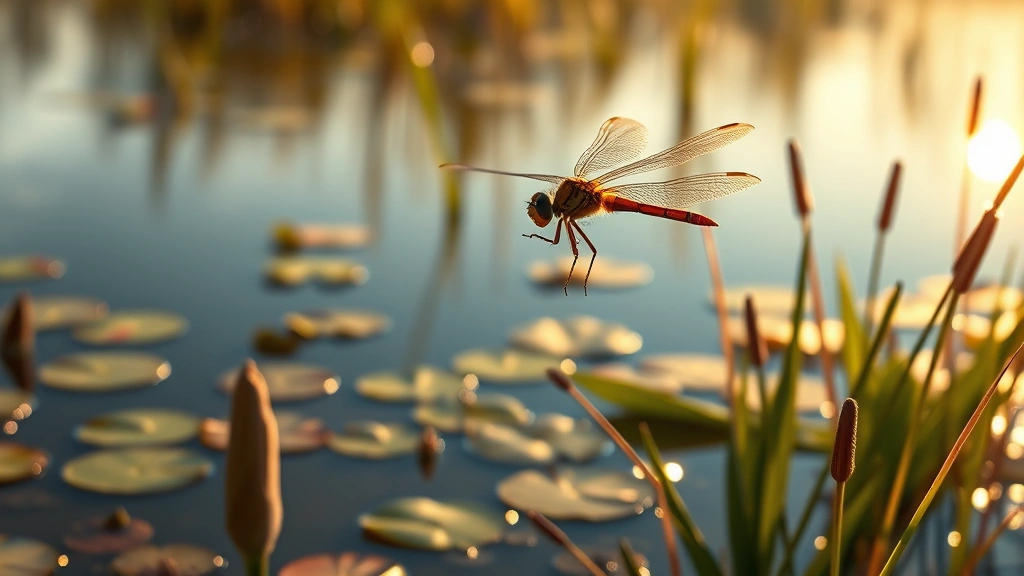
Adult mosquitoes occupy a unique ecological niche as mobile vectors connecting aquatic and terrestrial ecosystems. Their emergence from water bodies and subsequent movement through landscapes creates spatially distributed food web linkages. Swarms of emerging mosquitoes attract predators from considerable distances, creating predictable feeding opportunities that many organisms have evolved to exploit. Dragonflies, for instance, intercept emerging mosquitoes in mid-flight with hunting success rates exceeding 90%, making mosquito emergence events critical for dragonfly reproduction and population maintenance.
The temporal dynamics of mosquito emergence create seasonal pulses of energy and nutrients that terrestrial ecosystems depend upon. Spring and early summer emergence events coincide with critical breeding seasons for many bird species, providing abundant protein resources for growing chicks. Research demonstrates that bird reproductive success correlates significantly with mosquito emergence phenology—early-emerging mosquito populations support higher fledgling survival rates and improved adult condition. This phenological coupling illustrates how human environment interaction through habitat modification can disrupt critical ecological timing.
Male mosquitoes, which do not blood-feed, are particularly important pollinators and nectar consumers. They visit flowers for energy sources and in doing so transfer pollen between plants. While their contribution to pollination services is modest compared to bees and butterflies, in certain ecosystems—particularly wetlands and riparian zones—male mosquitoes constitute significant proportions of floral visitor communities. Their role becomes particularly important in high-latitude and high-altitude systems where other pollinators are scarce.
Pollination and Plant Interactions
Mosquitoes interact with flowering plants in ways that extend beyond simple nectar consumption. Their visits to flowers facilitate pollen transfer between plants, supporting plant reproduction and genetic diversity. While mosquitoes are not considered efficient pollinators compared to specialized insects, they visit diverse plant species and can travel considerable distances between flowering patches. In wetland ecosystems, where mosquito populations are particularly abundant, their collective pollination efforts represent a non-trivial contribution to plant reproductive success.
Certain plant species have evolved to depend partially on mosquito visitation for pollination. Marsh marigolds, water lilies, and various sedge species receive mosquito visits, and some evidence suggests these plants produce nectar compositions specifically attractive to mosquitoes. The co-evolutionary relationships between plants and mosquitoes, while less studied than relationships with other pollinators, reveal intricate ecological interdependencies that span millions of years.
Blood-feeding mosquitoes also influence plant ecology indirectly through their effects on animal populations. By regulating vertebrate populations and modifying animal behavior (causing avoidance of certain habitats or times), mosquitoes influence herbivory patterns, seed dispersal, and plant community composition. In tropical rainforests, mosquito-driven changes in vertebrate distribution patterns influence seed rain patterns and forest regeneration dynamics.
Economic Implications of Mosquito Ecology
The ecosystem services provided by mosquitoes generate substantial economic value, even accounting for disease transmission costs. A comprehensive economic analysis must weigh mosquito-dependent ecosystem services against disease-related expenses. According to UNEP (United Nations Environment Programme) assessments, ecosystem service disruptions from biodiversity loss in aquatic systems cost the global economy $4.3-20.2 trillion annually. Mosquitoes, as foundational components of aquatic food webs, contribute meaningfully to these valuations.
Fishery productivity depends critically on the availability of mosquito larvae and related macroinvertebrates. Global capture fisheries and aquaculture generate $150+ billion annually, with substantial portions dependent on systems where mosquitoes constitute primary food web components. In developing nations where subsistence fishing supports food security for millions, mosquito ecology directly impacts human nutrition and economic stability. Reducing mosquito populations through broad-spectrum interventions risks compromising fishery productivity and threatening food security.
The economic analysis of mosquito management strategies must incorporate ecosystem service valuations alongside disease prevention benefits. Sustainable pest management approaches that maintain ecosystem functions while reducing disease transmission represent optimal strategies for maximizing net human welfare. This perspective aligns with principles of ecological economics that recognize human economies as embedded within natural systems with finite carrying capacities.
Climate change introduces additional economic considerations into mosquito ecology. Shifting temperature and precipitation patterns alter mosquito phenology, distribution, and abundance, with cascading effects on ecosystem services. Species that depend on mosquitoes as food sources must adapt to changing resource availability, potentially reducing their fitness and population viability. Understanding these dynamics is essential for predicting future ecosystem service flows and planning adaptive management strategies.
Integration of mosquito ecology into ecosystem service frameworks represents an emerging frontier in environmental economics. Recent research from ecological research institutions demonstrates that incorporating invertebrate populations into natural capital accounting improves predictive accuracy for ecosystem service valuations. As biodiversity declines globally, recognizing the economic value of mosquitoes and other “uncharismatic” organisms becomes increasingly important for justifying conservation investments and sustainable management practices.
FAQ
What percentage of aquatic food webs depend on mosquito larvae?
Mosquito larvae constitute 30-90% of macroinvertebrate biomass in many freshwater systems, depending on habitat type. In lentic systems with moderate productivity, mosquitoes often represent 40-60% of available invertebrate prey for fish and amphibians. This variation reflects differences in water chemistry, productivity, and predator community composition.
How do mosquitoes compare to other aquatic insects in ecosystem importance?
While chironomids (midges) and mayflies often exceed mosquitoes in total biomass, mosquitoes occupy unique ecological niches as both aquatic and terrestrial organisms. Their ability to transfer nutrients across ecosystem boundaries gives them disproportionate importance relative to their biomass. Additionally, their emergence phenology and predictability make them particularly valuable prey for specialized predators.
Can ecosystems function without mosquitoes?
Ecosystems would function with reduced mosquito populations, but with diminished productivity and altered community composition. Fish populations would decline, predator species depending on mosquitoes would face resource limitations, and nutrient cycling would be impaired. Complete mosquito elimination would represent a more severe disruption than current population reductions.
How does mosquito management affect ecosystem services?
Broad-spectrum mosquito control measures reduce ecosystem service provision through food web disruptions and altered nutrient cycling. Targeted management approaches that reduce disease-vector populations while maintaining ecosystem functions represent more sustainable alternatives. Understanding ecological footprints of management practices helps identify optimal strategies.
What role do mosquitoes play in carbon cycling?
Mosquitoes participate in carbon cycling as consumers of organic matter (larval stage) and as mobile organisms transferring carbon between aquatic and terrestrial systems (adult stage). Their biomass represents stored carbon, and their predation by consumers transfers carbon through food webs. In aggregate, mosquito populations contribute meaningfully to ecosystem carbon dynamics, particularly in wetland systems.
How does climate change affect mosquito ecosystem services?
Climate change alters mosquito phenology, distribution, and abundance through direct temperature effects and indirect effects on aquatic system productivity. Warmer temperatures may extend mosquito seasons in some regions while shortening them in others. These changes disrupt the temporal synchrony between mosquito emergence and dependent predator breeding seasons, potentially reducing ecosystem service provision. Additionally, altered precipitation patterns affect breeding habitat availability and larval population dynamics.
Are there economic benefits to maintaining mosquito populations?
Yes. The ecosystem services provided by mosquitoes—fishery support, pollination, nutrient cycling, predator support—generate economic value exceeding $1 billion annually at global scales. Sustainable management approaches that balance disease prevention with ecosystem service maintenance maximize net economic and social benefits. Transitioning to sustainable practices in all sectors, including pest management, represents a comprehensive approach to environmental stewardship.
How do mosquito populations affect water quality?
Mosquito larvae influence water quality through consumption of organic matter, algae, and bacteria. Their grazing pressure prevents algal blooms that could trigger eutrophication and anoxic conditions. Additionally, their excretion releases bioavailable nutrients that support primary productivity at appropriate levels. High mosquito larval densities can improve water clarity and reduce nutrient concentrations in some systems.


