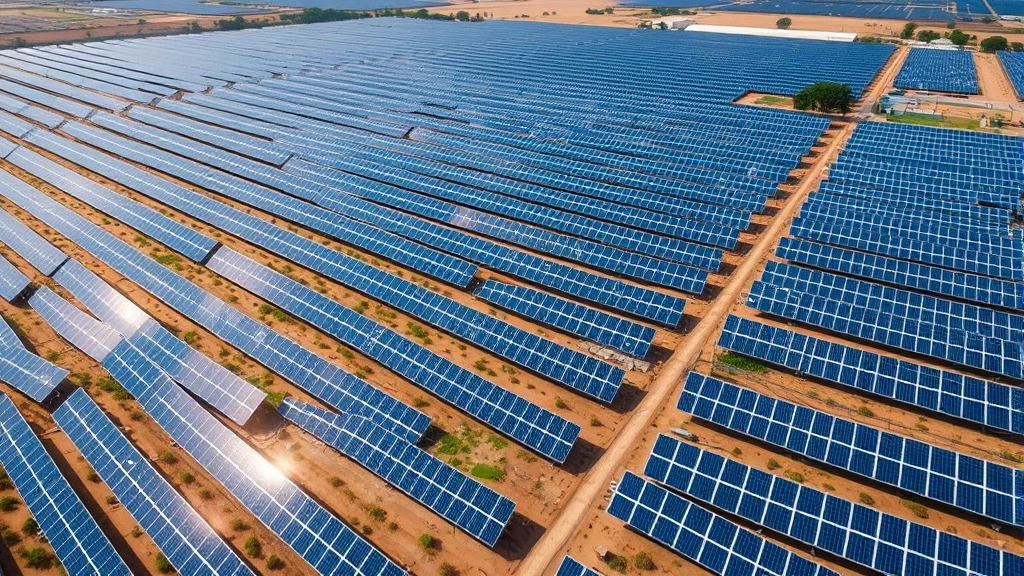
Impact of Climate Policy on Economy: A Study
Climate policy represents one of the most significant economic interventions of the 21st century, reshaping markets, investment patterns, and labor dynamics across all sectors. As governments worldwide implement increasingly stringent environmental regulations, the relationship between climate action and economic performance has become central to policy debates. While critics argue that environmental regulations impose costs on businesses and consumers, emerging evidence suggests that well-designed climate policies can stimulate innovation, create employment opportunities, and enhance long-term economic resilience. This comprehensive analysis examines how climate policies influence economic outcomes, drawing on empirical research, case studies, and economic modeling to illuminate both challenges and opportunities.
The intersection of climate policy and economic performance reflects a fundamental shift in how societies value environmental externalities. For decades, traditional economic frameworks treated environmental degradation as a cost external to market calculations. Climate policies internalize these costs through mechanisms like carbon pricing, emissions standards, and renewable energy mandates, fundamentally altering production decisions and investment allocations. Understanding these dynamics requires interdisciplinary analysis combining ecological economics, environmental policy, and macroeconomic theory.
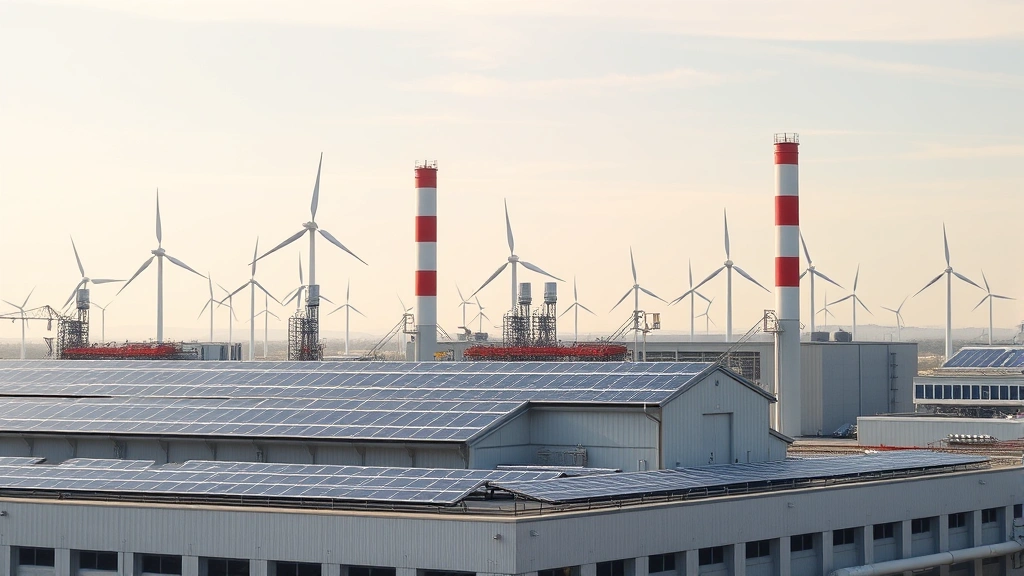
Climate Policy Mechanisms and Economic Frameworks
Climate policies operate through multiple mechanisms, each producing distinct economic effects. Carbon pricing—implemented through carbon taxes or cap-and-trade systems—represents the most direct approach to internalizing environmental costs. When governments establish a price on carbon emissions, firms face direct financial incentives to reduce their carbon footprint, triggering technological innovation and operational efficiency improvements. Regulatory approaches, including emissions standards and renewable energy mandates, operate differently by establishing prescriptive requirements that force compliance regardless of cost-benefit calculations at the firm level.
The economic theory underlying climate policy stems from the concept of negative externalities—costs borne by society that markets fail to capture in pricing mechanisms. Human environment interaction creates numerous externalities including air pollution, water contamination, and climate destabilization. By implementing climate policies, governments attempt to correct market failures by making polluters internalize environmental costs. This correction mechanism theoretically improves overall economic efficiency by ensuring prices reflect true social costs.
Research from the World Bank’s climate change initiatives demonstrates that carbon pricing mechanisms have proven effective in reducing emissions while maintaining economic growth in multiple jurisdictions. The European Union Emissions Trading System (ETS), operational since 2005, provides valuable empirical evidence regarding policy implementation at scale. Initial analyses showed that early ETS phases achieved emissions reductions without proportional GDP losses, suggesting that climate policy and economic performance need not operate as strict trade-offs.

Short-Term Economic Costs and Transition Challenges
Despite long-term benefits, climate policies impose measurable short-term costs on specific industries and workers. Fossil fuel extraction, coal-dependent power generation, and carbon-intensive manufacturing face immediate pressures when climate policies tighten. These sectors must either invest in decarbonization technologies, relocate operations, or exit markets entirely. The speed of policy implementation critically determines adjustment costs—rapid transitions create severe disruption while gradual approaches allow market adaptation.
Labor market disruptions represent particularly significant short-term challenges. Workers in coal mining, petroleum refining, and fossil fuel power generation lack easily transferable skills for alternative employment. Geographic concentration amplifies these challenges, as many fossil fuel-dependent communities lack economic diversification. Research indicates that coal miners transitioning to renewable energy jobs face 15-30% wage reductions even after retraining, reflecting skill mismatches and limited local opportunities. These distributional impacts, though economically rational from aggregate perspectives, create political resistance and social hardship.
Capital stranding poses another critical short-term cost. Existing fossil fuel infrastructure—power plants, refineries, extraction facilities—loses economic value as climate policies reduce demand. Businesses holding substantial assets in carbon-intensive industries face unexpected losses. How to reduce carbon footprint strategies often require writing off previously profitable assets, concentrating losses among current shareholders and workers while distributing benefits across society broadly.
The International Energy Agency estimates that achieving net-zero emissions by 2050 requires phasing out most fossil fuel infrastructure by 2035-2040, creating unprecedented stranded asset challenges. Financial stability risks emerge as banks and investors holding fossil fuel assets face sudden revaluations. Climate policy therefore intersects with financial regulation, as central banks increasingly recognize climate risks as material to systemic stability.
Long-Term Growth and Innovation Dynamics
Beyond short-term adjustment costs, climate policies generate significant long-term economic benefits through innovation stimulation and productivity enhancement. When policies establish credible, long-term carbon constraints, firms invest in research and development for clean technologies. This induced innovation increases productivity across the economy while reducing environmental degradation.
Historical precedent supports innovation-driven growth following environmental policies. The Clean Air Act amendments of 1990 established sulfur dioxide trading, spurring innovations that reduced compliance costs by 40% below initial projections. Firms developed unexpected technologies and operational improvements that regulators had not anticipated. This pattern—initial cost estimates declining as innovation proceeds—characterizes most environmental policy implementation.
Climate policies accelerate transitions toward renewable energy, electric transportation, and energy efficiency improvements. These transitions create new industries generating employment, investment, and economic activity. Global renewable energy investment exceeded $300 billion annually in recent years, creating supply chains, manufacturing capacity, and service sectors that did not previously exist. Renewable energy for homes adoption demonstrates how policy-driven transitions create consumer markets and entrepreneurial opportunities.
Productivity improvements emerge as firms adopt cleaner technologies. Energy efficiency investments reduce operating costs, manufacturing innovations decrease waste and increase output per unit input, and circular economy approaches create value from previously discarded materials. These efficiency gains compound over decades, substantially increasing long-term GDP growth relative to business-as-usual scenarios.
The International Renewable Energy Agency documents that renewable energy deployment correlates with declining technology costs through learning curves and scale economies. Solar photovoltaic costs declined 90% over the past decade, wind costs dropped 70%, and battery storage costs fell 89%. These cost reductions, driven substantially by policy-induced demand growth, make clean energy economically competitive without subsidies in many markets.
Employment and Sectoral Transformation
Climate policy drives substantial employment reallocation across sectors, generating net job creation despite losses in fossil fuel industries. Renewable energy installation, grid modernization, energy efficiency retrofitting, and sustainable manufacturing create labor-intensive activities requiring diverse skill levels. The International Labour Organization estimates that clean energy transitions could create 24 million net jobs globally by 2030, offsetting fossil fuel sector losses.
Employment quality varies across sectors. Renewable energy jobs typically offer wages comparable to or exceeding fossil fuel employment, though geographic mismatches create transition challenges. Energy efficiency retrofitting generates local, non-tradable employment that cannot relocate internationally, potentially benefiting communities currently dependent on fossil fuels. However, skill requirements differ substantially—renewable energy technicians require different training than coal miners, necessitating significant workforce development investments.
How ecosystem services help humans and the environment relates directly to employment through nature-based climate solutions. Reforestation, wetland restoration, and sustainable agriculture create employment while sequestering carbon and enhancing biodiversity. These nature-based solutions often generate co-benefits including improved water quality, enhanced agricultural productivity, and recreational opportunities, multiplying economic returns beyond carbon sequestration.
Sectoral transformation extends beyond energy into transportation, construction, and agriculture. Electric vehicle adoption creates opportunities in battery manufacturing, charging infrastructure, and vehicle servicing while disrupting traditional automotive employment patterns. Building retrofits generate construction employment and reduce operational energy costs. Sustainable agriculture practices increase labor requirements while potentially enhancing yields and soil quality.
Carbon Pricing and Market Efficiency
Carbon pricing mechanisms—either explicit taxes or cap-and-trade systems—represent economically efficient approaches to climate policy by allowing markets to discover lowest-cost abatement opportunities. When firms face uniform carbon prices, they reduce emissions from the most cost-effective sources first, minimizing total compliance costs. This market mechanism outperforms prescriptive regulations that mandate specific technologies regardless of cost differences across firms.
Carbon tax implementation varies internationally, with rates ranging from $1 per ton in Poland to $130 per ton in Sweden. Higher carbon prices accelerate emissions reductions and innovation but impose greater economic adjustment costs. Optimal pricing balances climate effectiveness against economic disruption, requiring careful policy calibration. Most economic analyses suggest carbon prices between $50-100 per ton achieve substantial emissions reductions while maintaining reasonable transition timelines.
Cap-and-trade systems establish emissions caps while allowing firms to trade allowances, creating market prices reflecting scarcity. The EU ETS demonstrated that trading systems reduce compliance costs by 20-30% relative to prescriptive approaches, as firms trade allowances to equalize marginal abatement costs. However, initial allowance allocation—whether through auction or free distribution—generates significant distributional consequences affecting competitiveness and equity.
Revenue from carbon pricing generates fiscal resources for government investment in clean energy, workforce development, and equity programs. Properly designed carbon pricing with revenue recycling can reduce overall economic costs while addressing distributional concerns. Studies examining revenue-neutral carbon tax proposals with rebates show minimal aggregate economic impacts while substantially reducing emissions.
Regional Economic Disparities and Just Transition
Climate policy impacts distribute unevenly across regions, creating significant equity challenges. Fossil fuel-dependent regions face concentrated costs while benefits from renewable energy deployment may accrue elsewhere. Developing nations dependent on fossil fuel exports confront revenue losses and economic contraction. These distributional asymmetries require explicit policy attention through just transition mechanisms.
Just transition frameworks address equity concerns by supporting affected workers, communities, and regions through targeted investments in economic diversification, skills training, and social protection. Successful just transition programs combine income support during transitions, education and retraining for new employment, infrastructure investments in affected regions, and community engagement in decision-making. However, implementation varies substantially, with some regions receiving adequate support while others face inadequate assistance.
International dimensions of climate policy create additional equity challenges. Developed nations achieved prosperity through historical carbon emissions that now exceed sustainable levels, while developing nations argue for rights to similar development pathways. Climate finance mechanisms attempt to address these concerns by transferring resources from developed to developing nations for clean energy and adaptation. However, current climate finance flows remain substantially below estimated needs, creating ongoing tensions.
Within nations, low-income communities often experience disproportionate climate policy costs while bearing greater climate change impacts. Environmental justice frameworks emphasize ensuring that climate policies do not concentrate burdens on vulnerable populations while distributing benefits broadly. This requires explicit attention to distributional consequences through progressive policy design, targeted support programs, and inclusive decision-making processes.
Policy Design for Optimal Economic Outcomes
Effective climate policy design balances climate effectiveness, economic efficiency, and distributional equity through careful attention to multiple design dimensions. Policy stringency—how rapidly and aggressively emissions must decline—determines economic adjustment speed. Gradual, predictable policy stringency allows market adaptation and reduces transition costs compared to abrupt policy shifts.
Policy credibility substantially influences economic responses. Firms invest in clean technology only when confident that climate policies will persist. Frequent policy reversals or uncertainty regarding long-term commitment undermines investment in clean infrastructure. Institutional design ensuring cross-party support and long-term commitment enhances credibility and reduces economic disruption.
Complementary policies address market failures beyond carbon emissions. Research and development subsidies accelerate innovation in nascent clean technologies where private returns fall short of social returns. Workforce development programs ensure workers possess skills for emerging opportunities. Infrastructure investments support transitions toward sustainable transportation and energy systems. Combining carbon pricing with complementary policies typically achieves climate goals at lower economic cost than carbon pricing alone.
Sustainable fashion brands exemplify how policy frameworks can support sectoral transitions. Fashion industry climate policies combining emissions standards, circular economy requirements, and sustainable material incentives drive innovation while supporting worker transitions. Similar sectoral approaches across industries enhance policy effectiveness.
International policy coordination amplifies economic benefits while reducing leakage risks where high-carbon production relocates to jurisdictions with weaker policies. Carbon border adjustment mechanisms attempt to level competitive playing fields by imposing carbon costs on imports from jurisdictions with weaker climate policies. However, such mechanisms create trade tensions and require careful design to ensure compatibility with international trade rules.
The UNEP Emissions Gap Report documents that current policy stringency remains insufficient to achieve Paris Agreement goals. Strengthening climate policies requires overcoming political obstacles, addressing distributional concerns, and managing economic transitions. Evidence increasingly demonstrates that well-designed climate policies generate net economic benefits through innovation, efficiency improvements, and employment creation, though distributional challenges require explicit policy attention.
Research from ecological economics journals shows that climate policy stringency correlates with green technology patents and clean energy investment, demonstrating innovation responses. Studies examining carbon pricing implementation across jurisdictions document employment growth in clean energy sectors exceeding fossil fuel job losses within 10-15 years, though transition periods create genuine hardship for affected workers.
FAQ
How do climate policies affect short-term economic growth?
Short-term effects vary by policy design and implementation speed. Gradual policies produce minimal GDP impacts as firms adapt incrementally. Rapid policies create larger short-term costs through capital stranding and labor market disruption. Most analyses suggest well-designed climate policies reduce short-term GDP growth by 0.1-0.5% annually, while poorly designed policies create larger disruptions. However, these short-term costs must be weighed against climate damages avoided through emissions reductions.
Do carbon taxes harm competitiveness?
Carbon taxes increase costs for carbon-intensive industries, potentially reducing competitiveness relative to firms in jurisdictions without carbon pricing. However, carbon border adjustment mechanisms can equalize costs for imports, protecting domestic industries. Additionally, innovation spurred by carbon pricing often reduces long-term production costs, enhancing competitiveness. Many carbon-taxing jurisdictions maintain competitive advantage in clean technology sectors.
What evidence exists regarding employment impacts?
Empirical studies examining renewable energy deployment show net job creation despite fossil fuel sector losses. The International Labour Organization projects 24 million net jobs from clean energy transitions by 2030. However, geographic and skill mismatches create localized unemployment in fossil fuel regions. Successful transitions require workforce development investments and regional economic diversification strategies.
How do climate policies affect low-income households?
Climate policies can increase energy costs for low-income households dependent on fossil fuels, though efficiency improvements eventually reduce consumption and costs. Carbon pricing with rebates or revenue recycling can make policies progressive, with low-income households receiving net transfers. Energy efficiency improvements particularly benefit low-income households by reducing energy burdens.
Can climate policies stimulate innovation?
Yes, substantial evidence demonstrates that climate policies accelerate clean technology innovation. Carbon pricing, renewable energy mandates, and emissions standards all induce research and development investment. Patent data shows clean technology patents increase following policy implementation. Learning curves and scale economies then reduce technology costs, making clean energy economically competitive.
What role do international agreements play in climate policy effectiveness?
International agreements like the Paris Agreement establish shared climate goals and facilitate coordination, reducing leakage risks and enabling technology transfer. However, enforcement mechanisms remain limited, and national policies ultimately determine actual emissions outcomes. Stronger international coordination through carbon pricing harmonization and emissions trading linkages could enhance cost-effectiveness.


