Human-Environment Interaction: A Critical Overview
The relationship between humanity and the natural world has evolved dramatically over millennia, transitioning from simple subsistence interactions to complex, globally interconnected systems of resource extraction, transformation, and consumption. Today’s human-environment interaction encompasses everything from atmospheric carbon cycles to urban water systems, agricultural practices to industrial manufacturing—each representing a dynamic interplay between human needs and ecological boundaries. Understanding these interactions requires an interdisciplinary approach that integrates ecological science, economics, social systems, and policy analysis to comprehend both the mechanisms driving environmental change and the potential pathways toward sustainable coexistence.
The urgency of examining human-environment relationships has intensified as planetary boundaries face unprecedented pressure. Global population exceeds 8 billion, with consumption patterns concentrated in high-income nations creating disproportionate ecological footprints. Simultaneously, billions in developing regions aspire to improved living standards, creating tensions between development imperatives and environmental conservation. This article provides a comprehensive analysis of how humans interact with their environment, the consequences of these interactions, and the economic and ecological frameworks emerging to guide more sustainable futures.
Defining Human-Environment Interaction Systems
Human-environment interaction represents the complex, reciprocal relationships through which people modify ecosystems while simultaneously depending on them for survival and prosperity. This interaction occurs across multiple scales—from individual household decisions about energy consumption to international agreements governing carbon emissions—and involves feedback loops where environmental changes influence human societies, which respond through policy, technology, and behavioral adaptations.
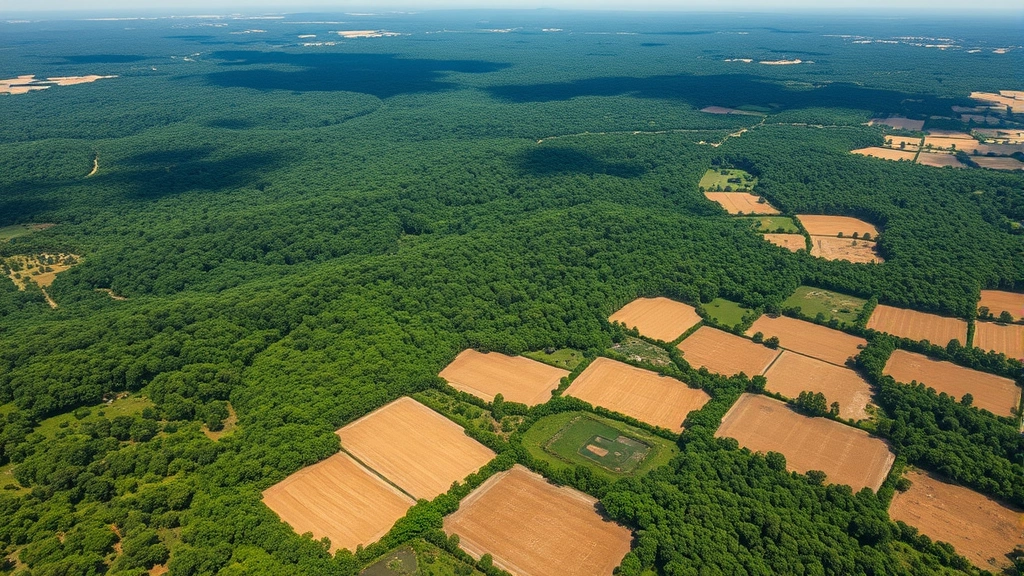
The concept encompasses several dimensions: resource extraction (harvesting timber, minerals, fossil fuels, water), land transformation (converting forests to agriculture, wetlands to urban areas), pollution and waste generation (atmospheric emissions, water contamination, solid waste), and species and habitat modification (domestication, extinction, conservation). Each dimension involves trade-offs between immediate human benefits and long-term ecological stability. For instance, clearing a forest for agriculture provides food security but eliminates carbon storage capacity and biodiversity habitat. Understanding these trade-offs requires examining both biophysical realities and human value systems that determine which outcomes societies prioritize.
Modern human-environment systems are characterized by unprecedented complexity. Supply chains span continents, connecting consumers in wealthy nations with resource extraction sites in developing regions, often obscuring the environmental costs embedded in products. Digital technologies enable remote sensing of environmental change and optimization of resource use, yet simultaneously drive energy consumption and electronic waste generation. These systems operate within physical constraints—finite mineral deposits, regeneration rates of renewable resources, absorption capacities of air and water—that create fundamental limits to growth under current consumption models.

Historical Evolution of Human-Nature Relationships
For approximately 300,000 years, human societies existed as hunter-gatherers with relatively limited capacity to transform landscapes at scale. The Neolithic Agricultural Revolution, beginning roughly 12,000 years ago, fundamentally altered human-environment interactions by enabling permanent settlements, population growth, and deliberate ecosystem modification through cultivation and domestication. Agricultural societies developed sophisticated water management systems, terraced hillsides, and crop rotation practices—early examples of intentional environmental engineering that sometimes enhanced ecosystem productivity while frequently reducing biodiversity.
The Industrial Revolution (1760-1840) marked an exponential acceleration in human environmental impact. The transition from renewable biomass energy (wood, animal power, human labor) to fossil fuels (coal, then petroleum and natural gas) unlocked stored solar energy accumulated over millions of years. This energy surplus powered mechanized production, transportation networks, and chemical industries, enabling unprecedented material consumption and population growth. Simultaneously, industrial societies began generating pollution at scales exceeding natural assimilation capacities—atmospheric carbon dioxide concentrations rose from 280 ppm in 1800 to 420 ppm today, fundamentally altering Earth’s radiation balance.
The 20th century witnessed the Great Acceleration, where resource extraction, manufacturing, and waste generation increased exponentially. Population grew from 1.6 billion (1900) to 7.9 billion (2020), while per capita resource consumption in wealthy nations increased 5-10 fold. Synthetic chemicals, plastics, and nuclear materials introduced novel compounds into ecosystems with unknown long-term consequences. Agricultural intensification through mechanization, irrigation, and chemical inputs increased food production dramatically but degraded soil quality, reduced crop genetic diversity, and contaminated groundwater across vast regions. This period established the Anthropocene—a geological epoch defined by human dominance over planetary systems.
Mechanisms of Environmental Impact
Human activities impact the environment through multiple interconnected mechanisms. Land use change represents perhaps the most spatially extensive impact, with approximately 50% of Earth’s ice-free land surface now under human management. Deforestation alone eliminates 10 million hectares annually, removing carbon sinks while releasing stored carbon. Agricultural expansion drives habitat loss for 68% of vertebrate species decline documented since 1970. Urbanization concentrates human populations and infrastructure, creating heat islands, fragmenting habitats, and generating concentrated pollution sources.
Resource extraction removes materials from ecosystems at rates often exceeding regeneration. Fisheries harvest 90 million tons annually, with 35% of marine fish stocks overharvested. Freshwater extraction exceeds sustainable levels in many aquifers—the Ogallala Aquifer underlying the American Great Plains has declined 30% since 1960. Mineral extraction generates massive waste volumes; producing one ton of copper generates 99 tons of mine waste. Fossil fuel extraction involves drilling, mountaintop removal, and tar sands operations that fragment landscapes and contaminate water systems.
Pollution and emissions alter atmospheric composition, water quality, and soil chemistry. Anthropogenic greenhouse gas emissions—primarily carbon dioxide from fossil fuel combustion—have increased atmospheric CO₂ by 50% since pre-industrial times. Agricultural runoff creates dead zones where rivers meet oceans; the Mississippi River’s hypoxic zone covers 6,000-7,000 square kilometers. Industrial and urban wastewater introduces heavy metals, pharmaceuticals, and microplastics into aquatic ecosystems. Plastic production has generated 8.3 billion tons of plastic waste since 1950, with 5-13 million tons entering oceans annually.
Biological modification through domestication, selective breeding, and genetic engineering alters species composition and evolutionary trajectories. Invasive species spread through global trade networks, outcompeting native species and transforming ecosystem functions. Monoculture agriculture replaces diverse natural communities with genetically uniform crops, increasing vulnerability to pests and climate variability. Simultaneously, conservation efforts have preserved some species from extinction, demonstrating human capacity for positive environmental intervention when priorities align.
Ecosystem Services and Human Wellbeing
Despite human capacity to damage ecosystems, all human societies depend fundamentally on ecological functions that cannot be replaced by technology. Ecosystem services encompass the benefits humans derive from natural systems: provisioning services (food, water, materials), regulating services (climate stabilization, flood control, pollination), supporting services (nutrient cycling, soil formation), and cultural services (recreation, spiritual values, aesthetic appreciation).
Economic valuation attempts to quantify these services, revealing their immense value. The Millennium Ecosystem Assessment estimated global ecosystem services worth $125 trillion annually—more than 1.5 times global GDP. Pollination services alone provide $15 billion annually to global agriculture, delivered by wild and managed bees. Wetlands provide water filtration, storm surge protection, and carbon storage worth thousands of dollars per hectare annually. Forests sequester carbon, prevent erosion, regulate water cycles, and harbor genetic resources for agriculture and medicine.
Yet ecosystem service valuation presents philosophical challenges. Reducing nature to monetary terms may facilitate economic decision-making but risks instrumentalizing ecosystems, suggesting they have value only insofar as they benefit humans. Indigenous communities have maintained sustainable relationships with specific ecosystems for millennia through cultural practices that view humans as ecosystem participants rather than external beneficiaries. Contemporary conservation increasingly incorporates indigenous knowledge systems, recognizing that community-managed lands often maintain higher biodiversity than protected areas without local engagement.
The relationship between ecosystem health and human wellbeing is non-linear and threshold-dependent. Degradation below critical points triggers abrupt state changes—nutrient-enriched lakes shift to algal dominance, coral reefs transition to seaweed-covered rubble, forests convert to grasslands. These transitions often prove difficult or impossible to reverse, representing permanent losses of ecosystem services and options for future generations. Understanding these thresholds requires long-term ecological monitoring and adaptive management approaches that adjust practices based on ecosystem responses.
Economic Perspectives on Environmental Interaction
Mainstream economic models have historically treated the environment as an infinite source of resources and waste absorption capacity. This assumption, embedded in national accounting systems that measure GDP without subtracting resource depletion or pollution damages, has enabled economic growth that simultaneously degrades natural capital. A nation could clearcut its forests, deplete its fisheries, and contaminate its aquifers while GDP increased—a perverse accounting that treats asset liquidation as income.
Ecological economics challenges this framework, emphasizing that Earth’s biophysical systems operate within non-negotiable limits. The planetary boundaries framework, developed by Johan Rockström and colleagues, identifies nine critical Earth system processes: climate change, biodiversity loss, land system change, freshwater depletion, biogeochemical flows, ocean acidification, atmospheric ozone depletion, chemical pollution, and atmospheric aerosol loading. Current human activity exceeds safe operating spaces in at least six boundaries, creating compounding risks where changes in one system trigger cascades in others.
The World Bank’s environmental initiatives increasingly incorporate natural capital accounting, attempting to measure how resource depletion and environmental degradation reduce true economic wealth. Studies applying this framework reveal that many developing nations are experiencing declining genuine wealth despite rising GDP, as resource extraction exceeds sustainable levels and pollution damages accumulate. Conversely, countries investing in renewable energy transition and ecosystem restoration demonstrate that environmental protection and economic development need not conflict.
Circular economy models propose alternatives to linear extraction-production-disposal systems. Rather than extracting virgin materials, manufacturing products, and discarding waste, circular systems emphasize material cycling, product longevity, repair and remanufacturing, and biological nutrient decomposition. Implementing circular economy principles requires redesigning production systems, developing new business models, and shifting consumer expectations toward sufficiency rather than endless accumulation. Early implementations show promise—some companies have reduced material inputs 30-50% while maintaining or improving product quality.
Carbon pricing mechanisms attempt to internalize climate externalities by assigning monetary costs to greenhouse gas emissions. Carbon taxes and cap-and-trade systems create financial incentives for emission reductions, though effectiveness depends on price levels and policy design. At current carbon prices ($50-100 per ton CO₂), incentives remain insufficient to drive complete energy system transformation, yet higher prices face political resistance in fossil fuel-dependent economies. Complementary policies including renewable energy subsidies, efficiency standards, and infrastructure investment prove necessary alongside carbon pricing.
Climate and Biogeochemical Cycles
Human activities have fundamentally altered Earth’s biogeochemical cycles—the processes through which chemical elements cycle between living organisms and the physical environment. The carbon cycle has been disrupted by extracting and burning fossil fuels, transferring carbon stored underground for millions of years into the atmosphere over mere centuries. Atmospheric CO₂ concentration now exceeds levels not seen for 3 million years, with consequences cascading through climate systems and ocean chemistry.
The nitrogen cycle has been dramatically altered by synthetic fertilizer production, which now fixes more nitrogen than all natural terrestrial processes combined. Excess nitrogen runoff eutrophies waterways, creating anoxic zones where aquatic life cannot survive. The phosphorus cycle faces depletion concerns, as phosphate rock mining—a finite, non-renewable resource—provides essential agricultural nutrients. Unlike nitrogen, which can be synthesized from atmospheric air, phosphorus has no substitute; current reserves may sustain only 50-100 years of agriculture at current application rates.
Climate change, driven primarily by atmospheric CO₂ accumulation, represents perhaps the most consequential human-environment interaction. Rising temperatures alter precipitation patterns, extend growing seasons in some regions while creating droughts in others, and trigger ecosystem shifts affecting agriculture, fisheries, and water availability. Warming oceans reduce oxygen content and alter nutrient cycling, threatening marine food webs. Sea level rise from thermal expansion and ice sheet melting threatens coastal communities and agricultural lands; 40% of global population lives within 100 kilometers of coastlines.
Climate impacts interact with other environmental stressors in synergistic ways. Warmer temperatures increase wildfire frequency and severity, converting forests to grasslands and releasing stored carbon. Stressed ecosystems become more vulnerable to pests and diseases—warmer winters enable bark beetle populations to expand northward, devastating boreal forests across North America and Siberia. Agricultural productivity faces simultaneous pressure from climate variability, soil degradation, and water scarcity, threatening food security for billions dependent on vulnerable agricultural systems.
Urban-Rural Dynamics
Approximately 56% of humanity now lives in urban areas, with projections reaching 68% by 2050. Urban concentration creates efficiency opportunities—cities can provide services (water, sanitation, transportation, energy) more efficiently per capita than dispersed populations—yet simultaneously generates concentrated environmental impacts. Urban areas occupy only 3% of land surface but consume 75% of global resources and generate equivalent proportions of waste.
Cities depend on extensive hinterlands for resource extraction and waste absorption. A typical city of 1 million people requires resource flows equivalent to the productivity of 10,000-30,000 square kilometers of land—an ecological footprint dozens of times larger than the city’s physical area. This dependence creates distant environmental impacts often invisible to urban consumers; understanding and reducing carbon footprints requires tracing supply chains back to resource extraction sites.
Urban development transforms local environments dramatically. Impervious surfaces (concrete, asphalt) prevent water infiltration, increasing flooding and reducing aquifer recharge while eliminating habitat for soil organisms. Urban heat islands raise temperatures 2-5°C above surrounding areas, increasing cooling energy demand and altering precipitation patterns. Yet cities also concentrate opportunities for sustainable intervention—dense development enables efficient public transportation, renewable energy systems, and circular material flows. Successful urban sustainability requires integrating green infrastructure (parks, green roofs, restored wetlands) with compact development and clean energy systems.
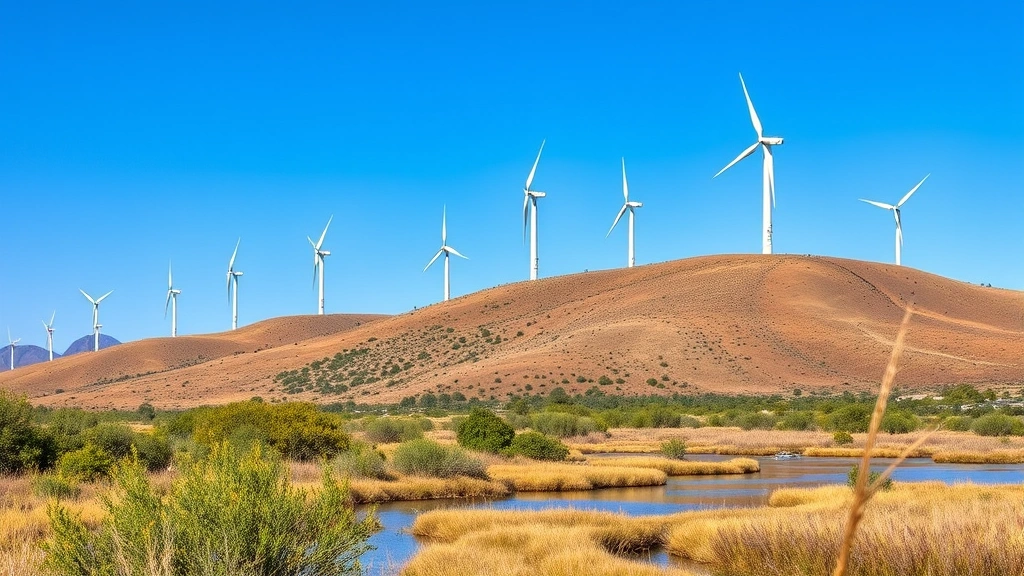
Rural areas, often primary sites of resource extraction, face distinct environmental pressures. Agricultural land use change drives deforestation and wetland conversion; renewable energy development increasingly competes for rural land. Mining operations fragment landscapes and contaminate water systems. Simultaneously, rural areas often harbor highest biodiversity, provide carbon storage through forests, and maintain ecosystem services benefiting urban populations. Sustainable development requires balancing rural livelihood needs with ecosystem protection, often requiring payments for ecosystem services or alternative income sources reducing pressure on natural resources.
Pathways to Sustainable Interaction
Transitioning toward sustainable human-environment interaction requires systemic changes across energy, agriculture, industry, transportation, and consumption systems. Energy transition from fossil fuels to renewables represents a fundamental requirement, as fossil fuels account for 75% of global greenhouse gas emissions. Renewable energy technologies (solar, wind, hydroelectric, geothermal) have achieved cost parity with fossil fuels in many contexts, yet global energy infrastructure requires decades to transform. Accelerating transition requires policy support through carbon pricing, renewable energy mandates, and infrastructure investment alongside technological innovation in energy storage and grid management.
Agricultural transformation toward agroecological practices can maintain or improve productivity while regenerating soil, reducing chemical inputs, and enhancing biodiversity. Practices including crop rotation, intercropping, agroforestry, and integrated pest management reduce dependency on synthetic inputs while building resilience to climate variability. Simultaneously, reducing meat consumption—particularly in wealthy nations where consumption far exceeds nutritional needs—would decrease agricultural pressure on land and water resources. Plant-based protein production requires 80-90% less land than beef production for equivalent nutrition, offering significant environmental benefits alongside potential health improvements.
Sustainable fashion exemplifies circular economy principles applied to specific sectors. Fast fashion generates 92 million tons of textile waste annually while consuming vast water and chemical inputs. Transitioning toward durable, repairable garments produced from recycled or regeneratively grown materials can dramatically reduce environmental impact. Similar transformations apply across consumer goods—building durability, repairability, and recyclability into product design reduces material throughput while maintaining function.
Nature-based solutions increasingly complement technological approaches. Restoring forests, wetlands, and grasslands provides carbon sequestration, water filtration, flood control, and biodiversity habitat simultaneously. Protecting existing ecosystems often proves more cost-effective than restoring degraded ones; conservation spending of $1 generates ecosystem service benefits worth $7-15. Indigenous land management, which maintains 80% of global biodiversity despite covering only 22% of land area, demonstrates that conservation and human communities can coexist beneficially when indigenous rights and resource management authority receive recognition and support.
Governance transformations prove essential alongside technological and individual behavior changes. International agreements including the Paris Climate Accord establish frameworks for coordinated action, though implementation remains inconsistent. National policies combining carbon pricing, renewable energy mandates, efficiency standards, and protected area expansion create enabling conditions for systemic change. Yet policies often face resistance from incumbent industries benefiting from current systems. Successful transitions require building political coalitions supporting change, investing in affected workers and communities, and demonstrating that sustainable alternatives offer comparable or superior quality of life.
Ultimately, sustainable human-environment interaction requires recognizing that ecological and economic systems are not separate domains but deeply interconnected. Environmental protection is not a luxury good affordable only by wealthy nations but a prerequisite for long-term human prosperity and survival. The transition presents profound challenges requiring coordinated action across scales and sectors, yet simultaneously offers opportunities to build more equitable, resilient, and fulfilling societies aligned with planetary boundaries.


