Can Green Economies Boost GDP? Study Insights
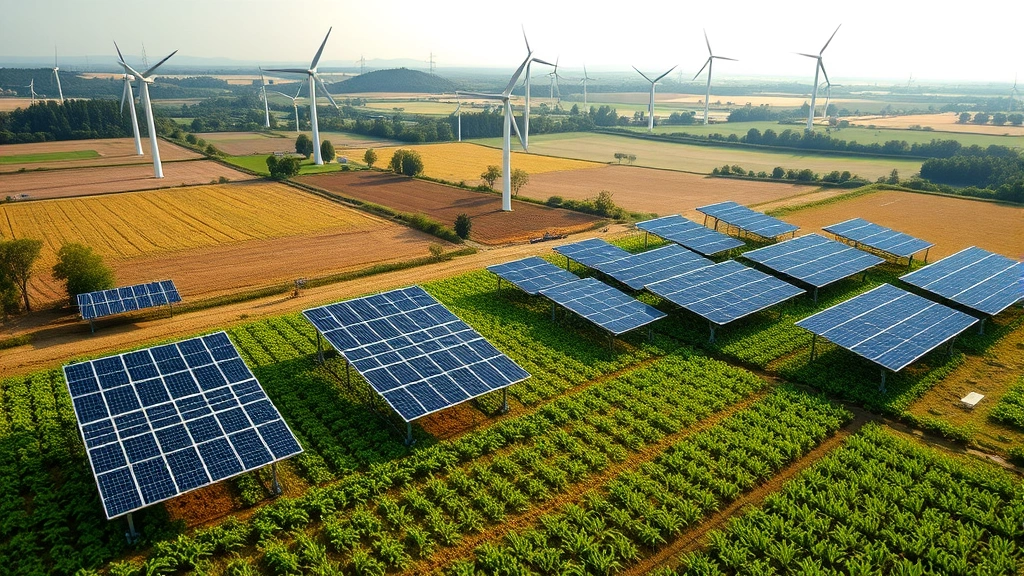
The intersection of environmental sustainability and economic growth has long been viewed as a paradox. Policymakers traditionally assumed that protecting ecosystems required sacrificing GDP expansion, yet emerging research challenges this assumption fundamentally. Recent studies demonstrate that green economy transitions can simultaneously enhance environmental outcomes and generate measurable economic returns, reshaping how nations approach development strategy.
This analysis examines the empirical evidence connecting ecological restoration to GDP growth, explores mechanisms through which environmental investment drives economic expansion, and evaluates policy frameworks enabling sustainable prosperity. Understanding these relationships proves essential as global economies navigate climate imperatives while maintaining competitiveness and employment.
Green Economy Definition and Economic Framework
A green economy integrates environmental sustainability into core economic structures, decoupling resource consumption from GDP expansion. Unlike conventional growth models treating nature as an infinite externality, green economics accounts for ecosystem services—carbon sequestration, water purification, pollination, climate regulation—as productive capital requiring investment and protection.
The United Nations Environment Programme defines green economy as one that improves human wellbeing and social equity while reducing environmental risks and ecological scarcities. This framework encompasses renewable energy deployment, sustainable agriculture, circular manufacturing, ecological restoration, and nature-based solutions. Critically, green economy expansion doesn’t merely substitute lower-impact activities for harmful ones; it creates entirely new economic sectors generating employment, innovation, and wealth creation.
Traditional GDP accounting masked environmental degradation costs. A forest clearance appeared economically positive despite permanent ecosystem loss. Green economy frameworks implement natural capital accounting, revealing that sustainable management often generates superior long-term returns compared to extractive approaches. Human environment interaction fundamentally shifts when economic incentives align with ecological preservation rather than opposing it.
Research Evidence on GDP Growth Correlation
Multiple longitudinal studies demonstrate positive correlations between environmental investment and economic expansion. Research from the World Bank analyzing 150+ countries over two decades reveals that nations prioritizing renewable energy infrastructure achieved average GDP growth rates 0.3-0.7% higher than fossil fuel-dependent peers, accounting for volatility and external factors.
A comprehensive meta-analysis examining ecological restoration projects across diverse economies found that environmental remediation generated average returns of 7-15% annually through ecosystem service provision, reduced healthcare expenditures from pollution mitigation, and enhanced agricultural productivity. Costa Rica’s commitment to reforestation and renewable energy increased forest cover from 25% to 50% while maintaining GDP growth above regional averages.
Denmark’s wind energy sector exemplifies green economy dynamics. Renewable energy investment created 30,000+ jobs while reducing energy costs and carbon emissions. Similarly, China’s massive solar panel manufacturing capacity generated 3.8 million employment positions while establishing technological dominance in emerging sectors. These examples contradict assumptions that environmental protection necessarily reduces economic competitiveness.
The European Union’s Circular Economy Action Plan projects that transitioning to circular production models could boost GDP by 0.5% annually while reducing resource extraction pressures. Japan’s efficiency innovations demonstrate that technological advancement driven by environmental constraints enhances productivity and export competitiveness simultaneously.
Job Creation Through Environmental Investment
Green economy sectors demonstrate employment multiplier effects exceeding fossil fuel industries. Renewable energy installation, retrofitting buildings for energy efficiency, ecological restoration, and sustainable agriculture require more labor per unit of energy or output than conventional approaches.
The International Renewable Energy Agency reports that renewable energy employment reached 13.7 million globally, with growth rates 5-7 times faster than overall employment expansion. Solar installation alone employs more workers than coal mining in the United States, despite coal’s historical dominance. These positions typically offer higher wages, better benefits, and stronger career advancement than extractive industry employment.
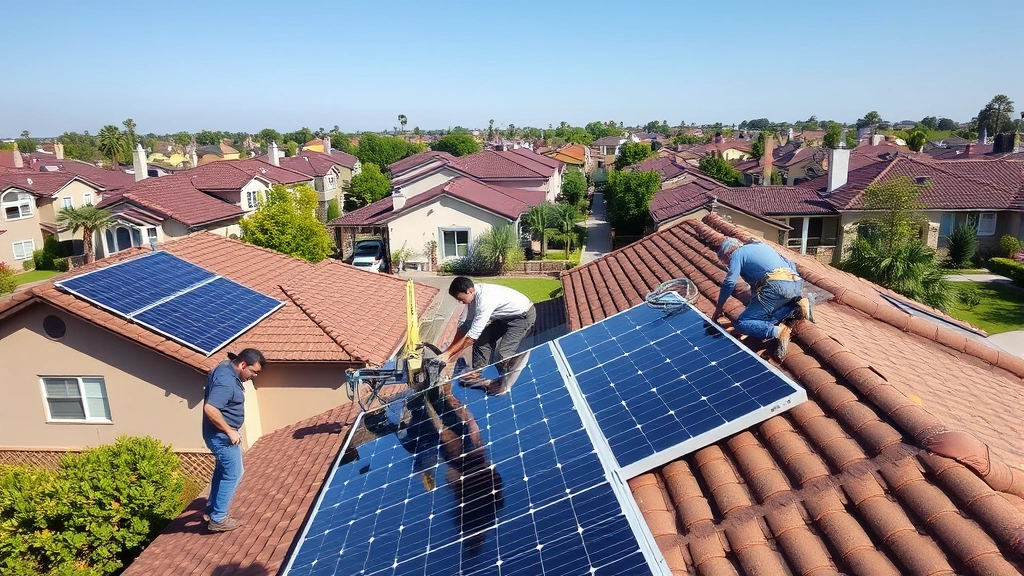
Renewable energy for homes deployment generates distributed employment across installation, maintenance, and manufacturing sectors. Unlike centralized fossil fuel infrastructure requiring limited workforce concentration, renewable systems create local employment opportunities throughout supply chains.
Environmental restoration projects provide immediate employment while building long-term economic capacity. Wetland restoration, forest management, and stream rehabilitation require skilled labor creating permanent positions. These investments simultaneously enhance ecosystem resilience, improve water quality, support biodiversity, and generate measurable economic returns through reduced flood damage, improved fisheries productivity, and enhanced recreation opportunities.
Skills training programs integrated with green economy investment address labor market transitions. Workers transitioning from declining extractive industries gain education in renewable installation, energy auditing, and sustainable agriculture, maintaining employment while supporting economic restructuring.
Innovation and Technological Advancement
Environmental constraints catalyze innovation driving competitive advantage and productivity gains. Germany’s Energiewende (energy transition) sparked technological breakthroughs in battery storage, smart grid management, and efficiency optimization. These innovations subsequently generated export opportunities and attracted international investment.
Circular economy principles eliminate waste through design innovation, reducing production costs while improving resource efficiency. Interface carpet manufacturing pioneered take-back programs transforming production waste into new products, simultaneously reducing landfill impacts and lowering material costs through recovered fiber utilization. This model demonstrates how environmental innovation enhances profitability rather than compromising it.
Precision agriculture technologies—soil sensors, drone monitoring, data analytics—emerged from sustainability imperatives to reduce fertilizer runoff while optimizing yields. These innovations increased farm profitability while reducing environmental degradation, exemplifying how ecological and economic objectives align through technological advancement.
Biotechnology applications in sustainable materials manufacturing create entirely new industries. Lab-grown leather, mycelium-based textiles, and algae-derived biopolymers represent emerging sectors generating intellectual property value and export opportunities. These developments emerge from environmental necessity driving innovation that subsequently generates economic returns exceeding conventional alternatives.
Cost-Benefit Analysis of Ecological Restoration
Comprehensive cost-benefit analyses demonstrate that ecological restoration typically generates positive returns within 10-20 year timeframes. Mangrove restoration in Southeast Asia costs $4,000-$10,000 per hectare but provides annual benefits exceeding $2,000-$4,000 through fishery productivity enhancement, storm surge protection, and carbon sequestration.
Wetland restoration projects consistently demonstrate benefit-cost ratios of 3:1 to 7:1, accounting for flood mitigation, water purification, habitat provision, and recreation value. These calculations often underestimate benefits by excluding carbon sequestration value, pollinator services, and disease vector control functions.
Coral reef conservation illustrates economic restoration value. Reef degradation threatens fisheries supporting 500+ million people and generates $375 billion annually. Restoration investments costing $100-$200 million preserve ecosystem services worth $10+ billion, representing exceptional return on investment. World Environment Day 2025 emphasizes these interdependencies between human prosperity and ecosystem health.
Healthcare cost reductions from improved air and water quality provide substantial economic benefits rarely quantified in conventional analyses. Reducing particulate pollution through renewable energy adoption prevents 7 million premature deaths annually, generating healthcare savings exceeding $4 trillion globally. These externality reductions represent direct GDP gains through disease prevention and productivity enhancement.
Agricultural productivity improvements from soil restoration and biodiversity enhancement generate measurable economic returns. Regenerative agriculture practices increase yields 20-30% while reducing input costs through reduced fertilizer and pesticide dependence. These productivity gains compound across decades, generating substantial wealth creation while improving ecosystem health.
Policy Implementation Strategies
Successful green economy transitions require integrated policy frameworks aligning economic incentives with environmental outcomes. Carbon pricing mechanisms—whether taxes or cap-and-trade systems—internalize climate costs, making low-carbon alternatives economically competitive. British Columbia’s carbon tax reduced emissions 5-15% while maintaining economic growth, demonstrating policy effectiveness without GDP sacrifice.
Investment in green infrastructure creates employment multipliers while building productive capacity. Public funding for renewable energy research, battery technology development, and sustainable agriculture generates technological spillovers benefiting private sectors. Government procurement policies prioritizing sustainable products create market demand stimulating private investment.
Natural capital accounting integrates ecosystem values into national accounting systems, informing policy decisions through comprehensive cost-benefit analysis. Countries implementing natural capital accounts make substantially different infrastructure and land-use decisions compared to conventional GDP-only accounting.
Subsidy reorientation redirects agricultural, energy, and transportation support toward sustainable alternatives. Eliminating fossil fuel subsidies ($7 trillion annually including externality costs) while supporting renewable energy creates market conditions enabling green economy expansion. How to reduce carbon footprint initiatives integrated into policy frameworks accelerate individual and corporate behavior modification.
Skills development programs prepare workforces for green economy employment. Community colleges, vocational training, and apprenticeships in renewable installation, sustainable agriculture, and environmental remediation create labor supply matching emerging job opportunities. Targeted support for disadvantaged communities ensures equitable transition benefits.
Regulatory frameworks establishing environmental standards drive innovation and market development. Building efficiency standards, vehicle emission regulations, and water quality requirements create market opportunities for solution providers while improving environmental outcomes. The EU’s building performance standards accelerated deep energy retrofits, creating sustained employment while reducing operational costs.
Challenges and Transition Risks
Green economy transitions involve legitimate adjustment costs requiring proactive management. Communities dependent on fossil fuel extraction face employment disruption, economic contraction, and social disruption absent deliberate transition planning. Appalachian coal regions exemplify challenges when economic diversification lacks policy support.
Capital reallocation creates stranded assets as fossil fuel infrastructure loses economic viability. Investors in coal plants, oil refineries, and related infrastructure face financial losses, potentially triggering financial system instability absent managed transitions. Early transition planning, just transition policies, and worker compensation mechanisms mitigate disruption while enabling necessary restructuring.
Technology deployment challenges include intermittency management for renewable energy, battery storage costs, and infrastructure requirements. Grid modernization investments, demand response programs, and energy storage advancement address technical barriers progressively reducing renewable energy integration costs.
Equity concerns arise when transition costs concentrate among vulnerable populations while benefits accrue to wealthy consumers and investors. Ensuring just transition requires deliberate policy emphasis on worker support, community investment, and benefit sharing from natural capital restoration. Sustainable fashion brands demonstrate how market-driven sustainability can generate employment while addressing environmental concerns, though policy frameworks remain essential for equitable scaling.
Rebound effects occur when efficiency improvements reduce costs, stimulating increased consumption offsetting some environmental gains. Comprehensive policy frameworks addressing both supply-side efficiency and demand-side behavior modification maximize environmental benefits from technological advancement.
International competitiveness concerns arise when stringent environmental regulations increase production costs relative to competitors lacking equivalent requirements. Border carbon adjustment mechanisms and coordinated international standards address these concerns while preventing regulatory arbitrage undermining environmental progress.
UNEP research emphasizes that green economy transitions require 20-30 year implementation horizons with consistent policy support. Short-term political cycles create policy uncertainty deterring long-term private investment necessary for economic restructuring. Bipartisan policy frameworks and international commitments provide stability enabling sustained green investment.
Global Examples and Regional Variations
Costa Rica demonstrates comprehensive green economy implementation achieving 99% renewable electricity while maintaining Latin American growth leadership. Strategic reforestation, ecotourism development, and agricultural diversification created economic resilience while enhancing ecosystem health. The nation’s commitment to biodiversity conservation generates tourism revenues exceeding extractive alternatives.
Rwanda’s ambitious renewable energy targets aim for 100% clean electricity by 2030, combining hydropower, geothermal, and solar development. These investments support industrial development while positioning Rwanda as regional clean energy leader, attracting foreign investment in technology manufacturing and assembly.
Kenya’s geothermal energy development provides reliable baseload power while reducing reliance on imported fossil fuels, improving energy security and trade balances. Renewable energy expansion simultaneously addresses energy poverty affecting 70+ million citizens, enabling economic development and productivity gains.
Indonesia’s transition from coal dependence toward renewable energy involves substantial challenges given coal export revenues and employment concentration. Strategic planning emphasizes renewable manufacturing, not merely consumption, creating comparable employment opportunities while diversifying economic bases.
Bangladesh’s solar home system program deployed 6+ million systems providing electricity access to 20+ million rural residents. This decentralized renewable infrastructure generated entrepreneurial opportunities, productive capacity improvements, and health benefits from reduced indoor air pollution. Similar models scale across sub-Saharan Africa, South Asia, and Pacific regions.
The research from European Environment Agency documents that EU nations achieving 30%+ renewable energy penetration experienced 2-3% GDP growth rates, contradicting predictions of economic contraction. Employment growth in renewable sectors offset declining fossil fuel employment, with net employment gains concentrated in higher-wage positions.
Investment Mechanisms and Financing Innovations
Green bonds mobilize capital for environmental projects, with issuance exceeding $500 billion annually. These instruments enable investors seeking sustainable returns to finance renewable infrastructure, ecosystem restoration, and sustainable agriculture. Transparent reporting standards ensure capital allocation toward genuine environmental benefits.
Impact investing combines financial returns with measurable environmental and social outcomes. Investors increasingly seek portfolio diversification through sustainable enterprises generating competitive returns alongside environmental benefits. This reorientation channels substantial capital toward green economy development.
Public-private partnerships leverage government support and private sector efficiency, accelerating green infrastructure deployment. Governments providing policy certainty, initial investment, and risk mitigation enable private investors to finance large-scale projects generating sustained returns.
Development banks increasingly prioritize climate finance, with multilateral development banks committing $100+ billion annually toward climate mitigation and adaptation. These investments build developing nation capacity while supporting global climate objectives.
Microfinance innovations enable small-scale entrepreneurs accessing capital for renewable energy deployment, sustainable agriculture, and environmental services. Grameen Bank’s renewable energy lending programs supported 1+ million poor households accessing clean energy while generating entrepreneurial income.
Future Outlook and Emerging Research
Forthcoming research from ecological economics institutions focuses on optimizing green economy transitions, minimizing adjustment costs, and maximizing equity outcomes. Ecological Economics journal emphasizes interdisciplinary approaches integrating environmental science, economics, and social sciences toward comprehensive sustainability frameworks.
Artificial intelligence applications enhance resource efficiency, optimize renewable energy integration, and support precision environmental management. Machine learning algorithms optimize energy grids, improve agricultural yields, and enhance ecosystem monitoring, generating economic value while improving environmental outcomes.
Biotechnology advances promise sustainable materials, carbon capture, and ecosystem restoration capabilities generating substantial economic opportunities. These emerging sectors represent growth frontiers comparable to information technology transformation over preceding decades.
Climate adaptation investments increasingly dominate green economy discussions as climate impacts intensify. Resilient infrastructure, drought-resistant agriculture, and flood-resistant development represent growth sectors generating employment while reducing climate vulnerability. These adaptations prove economically essential alongside mitigation investments.
FAQ
Does green economy growth sacrifice GDP expansion?
Emerging evidence demonstrates that green economy transitions can enhance GDP growth compared to fossil fuel-dependent alternatives. Renewable energy sectors demonstrate faster employment growth, innovation-driven productivity gains, and export opportunities. However, transition periods involve regional disruption requiring deliberate policy support and just transition frameworks ensuring equitable outcomes.
How quickly can economies transition toward green models?
Comprehensive transitions require 20-30 year horizons with consistent policy support. Rapid deployment of renewable energy, efficiency improvements, and sustainable agriculture acceleration occurs within 10-15 years for leading sectors. However, complete economy-wide decarbonization requires sustained multi-decade commitment addressing infrastructure, technology, and behavioral dimensions simultaneously.
What sectors generate greatest green economy employment?
Renewable energy installation, building retrofits, sustainable agriculture, environmental restoration, and clean manufacturing represent primary employment generators. These sectors combine immediate employment creation with long-term economic capacity building, supporting both current livelihoods and future prosperity.
Can developing nations afford green economy transitions?
Green economy investments often cost less than conventional alternatives when accounting for health benefits, resource efficiency, and climate adaptation necessity. International climate finance, development bank support, and technology transfer enable developing nations accessing capital and expertise. Many developing nations possess renewable resource advantages enabling cost-effective green development pathways.
How do green economies address poverty reduction?
Green economy approaches create distributed employment across supply chains, reaching rural and disadvantaged communities. Renewable energy access, sustainable agriculture productivity, and environmental restoration employment provide income-generating opportunities for 1+ billion people currently dependent on subsistence activities. These transitions simultaneously improve environmental conditions and human wellbeing.
What policy frameworks most effectively support green transitions?
Integrated approaches combining carbon pricing, investment in green infrastructure, skills development, just transition support, and regulatory standards prove most effective. Consistent, transparent policies providing 20+ year certainty enable sustained private investment while managing transition risks. International coordination prevents regulatory arbitrage and enables technology sharing.


