Urban Design’s Impact on Ecosystems: A Comprehensive Study
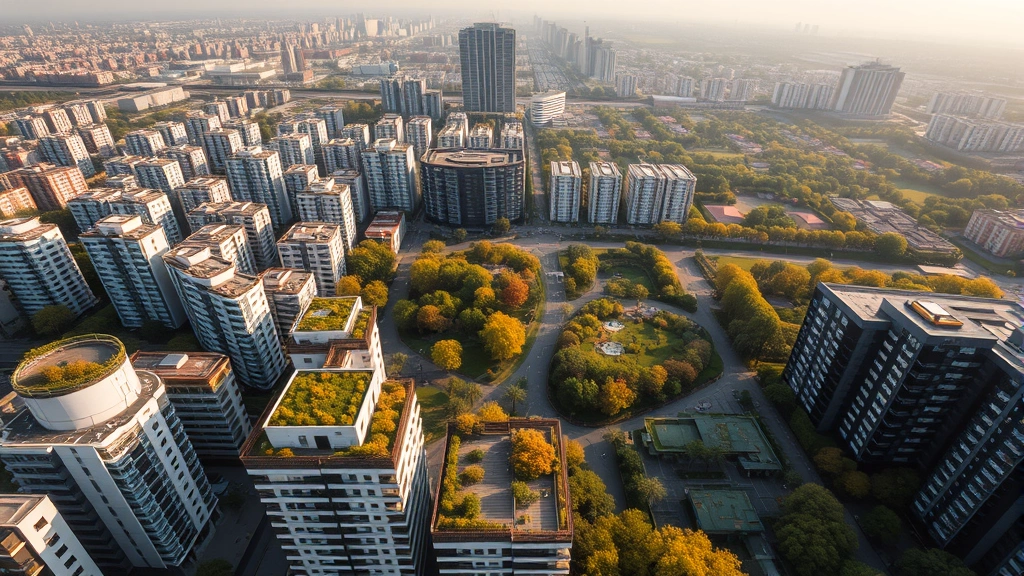
Urban design represents one of the most powerful tools for reshaping our relationship with natural ecosystems. As cities expand to accommodate nearly 56% of the global population—a figure projected to reach 68% by 2050 according to United Nations data—the decisions architects and planners make today will determine whether urban environments become ecological dead zones or thriving hybrid spaces that support both human and natural communities. The intersection of urban design and environmental stewardship presents an unprecedented opportunity to demonstrate that development and conservation need not exist in opposition.
The ecological consequences of poor urban planning manifest across multiple scales: from the loss of pollinator habitats in residential neighborhoods to the disruption of continental migration corridors and the alteration of regional climate patterns. Conversely, thoughtfully designed cities can generate significant ecological benefits, sequester carbon, filter water, and provide refuge for biodiversity. This study examines the mechanisms through which urban design influences ecosystem health, explores case studies of successful ecological integration, and presents evidence-based strategies for creating cities that regenerate rather than degrade their surrounding environments.
How Urban Design Shapes Ecological Systems
Urban design fundamentally restructures the physical landscape, creating novel environments that operate according to different ecological rules than natural or agricultural systems. The urban form—characterized by impervious surfaces, fragmented green spaces, and concentrated infrastructure—creates what ecologists term “urban ecosystems,” distinct biological communities shaped by human intervention. Understanding this transformation requires examining the specific mechanisms through which design decisions propagate ecological consequences.
The replacement of permeable soils with concrete and asphalt eliminates crucial habitat for soil microorganisms, earthworms, and fungi that form the foundation of terrestrial food webs. Research from ecological economics demonstrates that a single hectare of urban greenspace can support 40-50% of the species diversity found in equivalent natural habitats, yet cities typically dedicate only 5-15% of their land to parks and green corridors. This habitat fragmentation creates what conservation biologists call “extinction debt”—ecosystems that appear stable today but face inevitable species loss due to insufficient area and connectivity.
The human-environment interaction within cities generates unique stressors including light pollution, noise disturbance, chemical contamination, and thermal stress. Nocturnal insects experience disorientation from artificial lighting, disrupting pollination networks and predator-prey relationships. Urban noise masks communication signals for birds and amphibians, reducing breeding success rates by 20-40% in some species. The cumulative effect of these stressors creates an environment fundamentally incompatible with many native species, yet simultaneously optimal for invasive generalists and disease vectors.
However, urban design also presents opportunities for ecological restoration at unprecedented scales. Strategic placement of green infrastructure can recreate habitat corridors, moderate environmental stressors, and restore ecosystem services that benefit both human residents and wildlife populations. The key determinant of ecological outcomes lies not in urbanization itself, but in the specific design choices that shape urban form.
Green Infrastructure and Biodiversity Conservation
Green infrastructure encompasses vegetated systems integrated into urban landscapes: green roofs, living walls, street trees, urban forests, wetland parks, and ecological corridors. These elements provide multiple ecosystem services while simultaneously supporting biodiversity conservation. A World Bank analysis of 150 cities found that each 1% increase in urban green space correlates with a 0.04°C reduction in local temperatures and 2-3% improvement in air quality metrics.
Green roofs demonstrate particularly high ecological value relative to their footprint. Research indicates that extensive green roofs (4-6 inches of growing media) support 40-60 plant species and provide habitat for pollinators, spiders, and decomposer arthropods. When implemented across 20% of available roof area in a typical mid-sized city, green roofs can increase local bird populations by 15-25% and enhance rainwater retention by 40-80%, reducing stormwater flooding events. The economic value of these services—calculated through avoided flood damage, reduced cooling costs, and extended roof lifespan—typically exceeds installation costs within 15-20 years.
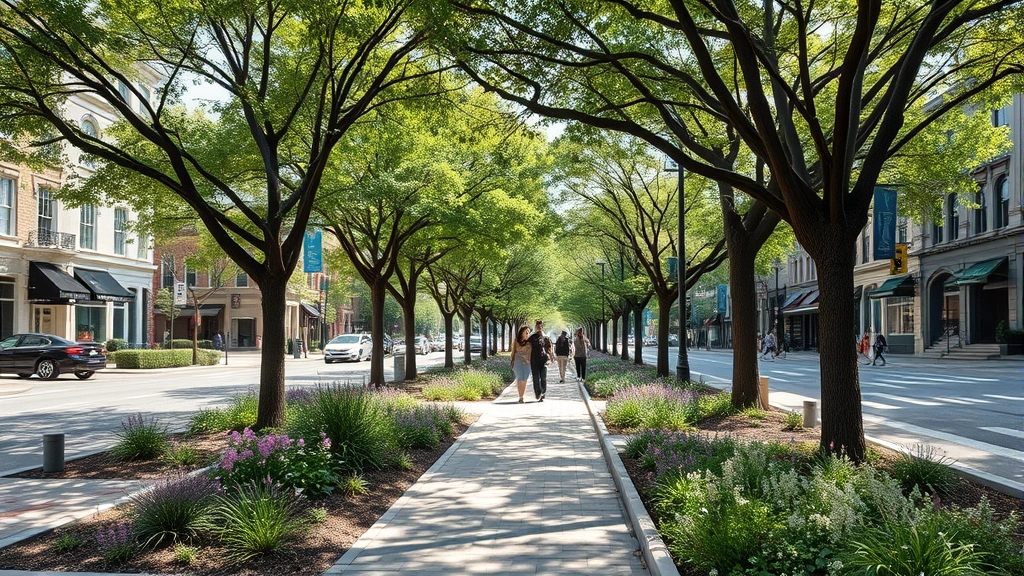
Urban tree canopy presents perhaps the most cost-effective mechanism for biodiversity support. A mature urban forest canopy provides food sources for 300+ insect species, which in turn support songbird populations, bats, and other vertebrates. Trees moderate the physical environment through transpiration cooling, air pollutant removal, and noise attenuation. However, species composition profoundly affects ecological outcomes. Native species-dominated plantings support 3-4 times more specialized insects than monocultures of ornamental exotics. Cities like Melbourne and Singapore have achieved 40% increases in arthropod diversity through systematic conversion to native-heavy street tree programs.
Connectivity between green spaces fundamentally determines their ecological effectiveness. Isolated patches of vegetation function as “ecological islands,” unable to support viable populations of mobile species and lacking sufficient genetic diversity for long-term persistence. Linear corridors—riparian buffers, greenways, and planted boulevards—enable species movement between patches, permit range shifts in response to climate change, and maintain genetic connectivity. Cities implementing comprehensive corridor networks report 50-70% higher biodiversity in connected versus isolated patches of similar size.
Urban Heat Island Effect and Climate Regulation
The urban heat island (UHI) effect—whereby cities experience temperatures 2-8°C higher than surrounding rural areas—represents one of urban design’s most significant ecological consequences. This phenomenon results from the replacement of vegetation with heat-absorbing dark surfaces, the concentration of anthropogenic heat from vehicles and buildings, and the reduction of evaporative cooling from eliminated water bodies and vegetation. The UHI intensifies heat waves, increases energy consumption for cooling, elevates ground-level ozone formation, and creates selective pressure favoring heat-tolerant species while excluding cold-adapted taxa.
Urban design interventions can substantially mitigate UHI effects. High-albedo (reflective) surfaces reduce solar absorption by 40-60% compared to conventional dark asphalt. Green roofs lower building surface temperatures by 30-40°C and reduce building cooling energy demand by 25-75% depending on climate and building characteristics. Street tree canopy reduces surface temperatures beneath crowns by 20-45°C through shading and transpiration. When implemented comprehensively—combining cool surfaces, green roofs, expanded tree canopy, and water features—cities can reduce ambient temperatures by 1-3°C, with greater benefits in lower-income neighborhoods typically experiencing the most severe UHI effects.
These temperature reductions generate cascading ecological benefits. Lower urban temperatures reduce heat stress on native species, expand suitable habitat ranges for cold-adapted organisms, and reduce metabolic stress that compromises immune function and reproductive success. Research from tropical cities demonstrates that UHI mitigation can shift local species composition, permitting forest-specialist species to persist in urban fragments previously too hot for survival. The economic value of UHI mitigation—calculated through reduced cooling costs, decreased heat-related mortality, and avoided ozone formation damage—ranges from $5-15 per square meter annually in temperate cities and $20-50 per square meter in tropical regions.
Water Management Through Design Innovation
Urban water systems represent one of the most dramatically altered ecosystem types, with conventional engineering approaches emphasizing rapid conveyance of stormwater through impervious pipes and treatment plants. This approach eliminates riparian wetlands, disrupts groundwater recharge, concentrates pollutants, and reduces habitat for aquatic species. Ecological urban design reverses these approaches through low-impact development (LID) strategies that capture, infiltrate, and filter precipitation where it falls.
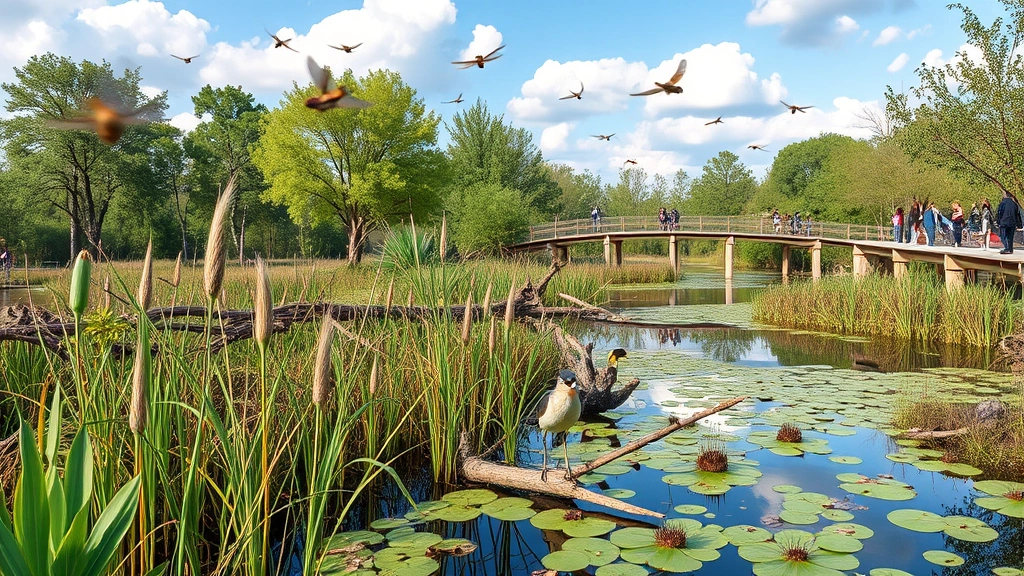
Bioswales, rain gardens, and constructed wetlands replace conventional stormwater infrastructure, providing multiple ecological functions simultaneously. These vegetated systems filter pollutants—removing 70-95% of suspended sediments, 60-80% of nutrients, and 50-90% of heavy metals—while enabling groundwater recharge and providing habitat for aquatic insects, amphibians, and wetland plants. A study of 50 North American cities implementing LID found that 30% green infrastructure coverage reduced peak stormwater flows by 40-60%, eliminated combined sewer overflows in 60% of cases, and increased urban wetland habitat by an average of 8 hectares per 10,000 residents.
Water-sensitive urban design extends beyond stormwater management to encompass comprehensive water cycle restoration. Cities implementing these approaches maintain visible water features—restored streams, retention ponds, wetland parks—that moderate local climate, support biodiversity, and provide psychological and recreational benefits. Singapore’s “ABC Waters” program demonstrates this approach at scale, converting 1,000+ hectares of drainage infrastructure into ecological corridors that provide 50,000+ hectares of new habitat while simultaneously improving water quality and reducing flooding risk.
The economic case for ecological water management proves increasingly compelling. Conventional gray infrastructure requires $5,000-15,000 per hectare for installation and $500-2,000 annually for maintenance. Green infrastructure costs $2,000-8,000 per hectare with similar maintenance costs, yet provides additional benefits including temperature moderation, air quality improvement, and recreational value worth an estimated $1,000-5,000 annually. Cities like Philadelphia have calculated that full implementation of green stormwater infrastructure would cost $8-10 billion less than conventional approaches while providing superior ecological outcomes.
Economic Dimensions of Ecological Urban Design
The economic analysis of ecological urban design reveals that environmental benefits and financial viability converge rather than conflict. Ecosystem services provided by urban green infrastructure—carbon sequestration, water filtration, pollination, pest control, temperature moderation—represent genuine economic value, quantifiable through avoided costs of conventional infrastructure or through stated preference methods.
A comprehensive UNEP analysis of 27 cities found that urban green infrastructure provides ecosystem services valued at $250-2,500 per hectare annually, with higher values in dense urban cores where alternative services are expensive. The reduction of carbon footprint through urban design—via reduced transportation demand, lower building energy consumption, and carbon sequestration through vegetation—constitutes significant value. A typical ecological urban district sequesters 3-8 tons of carbon per hectare annually, equivalent to the emissions from 2-5 vehicles.
Property value analysis demonstrates that ecological features command premium prices. Proximity to parks increases residential property values by 5-20%, commercial property values by 10-30%, and rental rates by 3-8%. Green building certifications (LEED, WELL, Living Building Challenge) correlate with 3-4% higher sale prices and 6-12% lower operating costs. These premiums reflect both tangible benefits (reduced energy consumption, improved health outcomes) and intangible factors (aesthetic value, psychological well-being, community identity).
The employment implications of ecological urbanism extend across multiple sectors. Green infrastructure installation and maintenance generates 1.5-2.5 jobs per $1 million invested, compared to 0.5-1.0 jobs for conventional infrastructure. Urban agriculture and horticultural enterprises create local employment while providing food security and ecosystem services. Ecological restoration and monitoring demand skilled labor across ecology, engineering, and design disciplines. Cities implementing comprehensive ecological urban programs report 10-15% increases in green-sector employment within 10 years.
However, equitable distribution of ecological benefits remains contested. Research consistently demonstrates that low-income neighborhoods experience disproportionately lower green space access, canopy coverage, and ecosystem services. The “environmental justice” dimension of urban design requires intentional policies ensuring that ecological benefits reach all residents, not merely affluent communities. Progressive cities implement requirements for equitable park access, community benefits agreements, and targeted green infrastructure investment in underserved neighborhoods.
Case Studies in Ecological Urbanism
Copenhagen’s transformation into a bicycle-oriented, climate-resilient city demonstrates how comprehensive design approaches generate ecological benefits at metropolitan scale. By prioritizing cycling infrastructure, the city reduced transportation-related emissions by 62% while simultaneously creating habitat corridors, reducing heat island effects, and improving air quality. The integration of stormwater wetlands throughout the city provides 15,000+ hectares of habitat for waterfowl and amphibians while reducing flooding risk by 40%. These changes correlate with 35% increases in biodiversity metrics and property values within 1 km of green corridors.
Curitiba, Brazil pioneered bus rapid transit (BRT) systems that reduced private vehicle use by 40%, simultaneously decreasing emissions and freeing urban land for green space. The city’s network of linear parks—occupying former industrial corridors—provides habitat connectivity while enabling pedestrian and cycling movement. Integration of native Atlantic Forest species increased bird populations by 250% over 30 years while providing carbon sequestration equivalent to removing 500,000 vehicles annually.
Singapore’s transformation from a concrete-dominated city-state into a “garden city” demonstrates ecological urbanism at high density. The comprehensive implementation of green roofs (covering 30% of buildings), vertical gardens, and ecological corridors increased urban biodiversity by 180% while reducing ambient temperatures by 2-3°C. The integration of renewable energy systems with green infrastructure—solar panels on green roofs, wind turbines on tall buildings—creates synergistic benefits through temperature moderation and pollinator habitat provision. These investments have enhanced Singapore’s competitiveness for high-value business sectors while improving residents’ quality of life.
Bogotá’s ciclovía program—closing 120 km of streets to vehicles every Sunday for pedestrian and cycling use—demonstrates how temporary urban design interventions generate ecological and social benefits. The program increased active transportation adoption by 30%, reduced ambient noise by 15-20 dB in affected areas, and improved air quality by 12-18%. The social benefits—increased community interaction, reduced inequality perception, improved mental health metrics—provide co-benefits complementing ecological gains.
Policy Frameworks and Implementation Challenges
Translating ecological urban design principles into policy and practice faces multiple institutional, financial, and technical obstacles. Conventional zoning codes, developed during the automobile era, encode sprawl patterns that preclude ecological integration. Parking requirements mandate vast impervious surfaces; setback requirements prevent street tree establishment; single-use zoning eliminates mixed-income neighborhoods that support diverse transportation modes and reduce commute distances.
Progressive cities address these obstacles through comprehensive zoning reform. Portland, Vancouver, and Melbourne have eliminated minimum parking requirements, enabling conversion of parking spaces to green infrastructure and reducing development costs by 15-25%. Form-based codes emphasizing street design over use categories permit ecological integration while maintaining design predictability. Sustainability-focused urban planning increasingly incorporates ecological performance standards, requiring new development to achieve net-positive impacts on biodiversity and ecosystem services.
Financing mechanisms present critical implementation challenges. Green infrastructure requires upfront capital investment, yet benefits accrue over decades and often distribute across multiple stakeholders. Public-private partnerships, green bonds, and ecosystem service markets enable risk-sharing and capital mobilization. Performance-based payments—compensating property owners for ecosystem service provision—create ongoing revenue streams supporting maintenance. The World Bank’s Green Infrastructure Finance initiative documents growing deployment of these mechanisms, with $50+ billion annually mobilized for ecological urban infrastructure globally.
Technical capacity represents another constraint, particularly in lower-income countries. Ecological urban design requires integration of expertise across disciplines—ecology, engineering, architecture, social science—demanding new educational and professional development approaches. Cities increasingly employ chief sustainability officers and ecological design specialists, yet demand far exceeds available talent. International knowledge transfer, capacity-building partnerships, and digital tools enable wider implementation despite resource constraints.
Social acceptance of ecological urbanism varies substantially. Residents accustomed to conventional infrastructure may perceive green infrastructure as less efficient or aesthetically inferior. Effective implementation requires sustained public engagement, demonstration projects, and communication emphasizing co-benefits. Cities documenting improvements in property values, health outcomes, and recreational opportunities achieve faster public adoption than those emphasizing environmental abstractions.
Frequently Asked Questions
How does urban design affect local species populations?
Urban design determines habitat availability, connectivity, and environmental conditions through landscape structure. Ecological urbanism that incorporates green corridors, native vegetation, and reduced chemical inputs supports 50-300% higher species richness than conventional urban designs. Conversely, fragmented landscapes with limited green space support only the most generalist species, typically invasive or commensal with humans.
Can cities truly regenerate ecosystems rather than degrade them?
Yes, evidence from leading ecological cities demonstrates that urban design can create net-positive ecological outcomes. Cities implementing comprehensive green infrastructure, habitat restoration, and pollution reduction achieve increases in biodiversity, carbon sequestration, and ecosystem service provision. The key requirements include sufficient land allocation to green infrastructure (minimum 25-30% of urban area), native species prioritization, and long-term management commitment.
What are the most cost-effective ecological urban design interventions?
Street tree establishment provides exceptional return on investment—$2-5 of benefits per $1 invested annually through energy savings, stormwater reduction, and air quality improvement. Bioswales and rain gardens cost 30-50% less than conventional stormwater infrastructure while providing superior long-term performance. Urban agriculture and community gardens generate multiple benefits with minimal capital requirements.
How does ecological urban design address climate change?
Urban design influences climate change through multiple pathways: reduced transportation emissions via compact, mixed-use development; lower building energy consumption through design and vegetation; carbon sequestration through vegetation; and enhanced climate resilience through green infrastructure managing extreme precipitation and heat events. Comprehensive ecological urbanism can reduce per-capita emissions by 40-60% compared to sprawling conventional development.
What role do local communities play in ecological urban design?
Community engagement proves essential for successful ecological urbanism. Residents generate crucial knowledge about local ecological conditions, preferred species, and management approaches. Community stewardship programs distribute maintenance responsibility, reduce costs, and generate social cohesion. Equitable design processes ensuring meaningful participation by low-income and marginalized communities prevent ecological gentrification and ensure benefits reach all residents.
How does ecological urban design address water scarcity in arid regions?
Even in water-limited environments, ecological urban design provides crucial benefits. Native xeriscaping replaces water-intensive ornamental landscapes; rainwater harvesting systems capture scarce precipitation; constructed wetlands recycle greywater; and reduced urban heat island effects decrease evaporative water losses. These approaches simultaneously support drought-adapted biodiversity and enhance human water security.


