Can Green Economy Boost GDP? Analyst Insights
The relationship between environmental sustainability and economic growth has evolved from a perceived trade-off into a potential catalyst for prosperity. Policymakers, economists, and business leaders increasingly ask whether transitioning to a green economy can simultaneously protect ecosystems and expand gross domestic product. Recent analyses suggest the answer is more nuanced than simple yes or no—the green economy presents both substantial opportunities and implementation challenges that will determine whether nations can achieve genuine economic growth while reducing environmental degradation.
The green economy represents a fundamental restructuring of production and consumption systems toward sustainability. Unlike conventional economics that often externalizes environmental costs, green economic frameworks integrate ecosystem services, natural capital, and long-term sustainability into GDP calculations. This shift matters because traditional GDP measurements fail to account for resource depletion, pollution, and climate impacts—metrics that increasingly influence investment decisions, consumer behavior, and regulatory environments across developed and developing nations.
Understanding whether green economy transitions boost GDP requires examining empirical evidence, economic mechanisms, sectoral transformations, and the role of policy frameworks. This analysis draws from ecological economics research, environmental policy studies, and real-world case studies demonstrating how nations are positioning themselves within the global green economy worth an estimated $2 trillion annually.
Green Economy Fundamentals and GDP Mechanisms
The green economy operates through multiple channels that influence GDP calculations and economic growth trajectories. At its core, this model recognizes that natural capital depletion represents a hidden economic cost that conventional GDP ignores. When forests are harvested unsustainably or aquifers depleted, traditional GDP counts these as economic gains rather than capital loss—a fundamental accounting error that distorts policy priorities.
Green economy frameworks correct this by valuing ecosystem services: carbon sequestration, water purification, pollination, climate regulation, and biodiversity preservation. According to World Bank analyses, ecosystem services globally provide approximately $125 trillion in value annually. When economies transition toward sustainable practices, they convert these hidden environmental costs into measurable economic factors that influence investment decisions, corporate valuations, and national accounting systems.
The GDP growth mechanism functions through several pathways. First, efficiency improvements reduce input costs—renewable energy now costs less than fossil fuels in many regions, directly improving profit margins and productivity measures. Second, innovation in green technologies creates entirely new industries and market opportunities. Third, risk reduction from climate and environmental stability attracts capital investment and reduces insurance costs. Fourth, health improvements from reduced pollution lower healthcare expenditures and increase workforce productivity.
Understanding human environment interaction proves essential for analyzing how economic systems respond to environmental constraints. When societies recognize ecological limits, they develop technologies and practices that work within those boundaries—often generating economic value in the process.
Empirical Evidence from Leading Green Economies
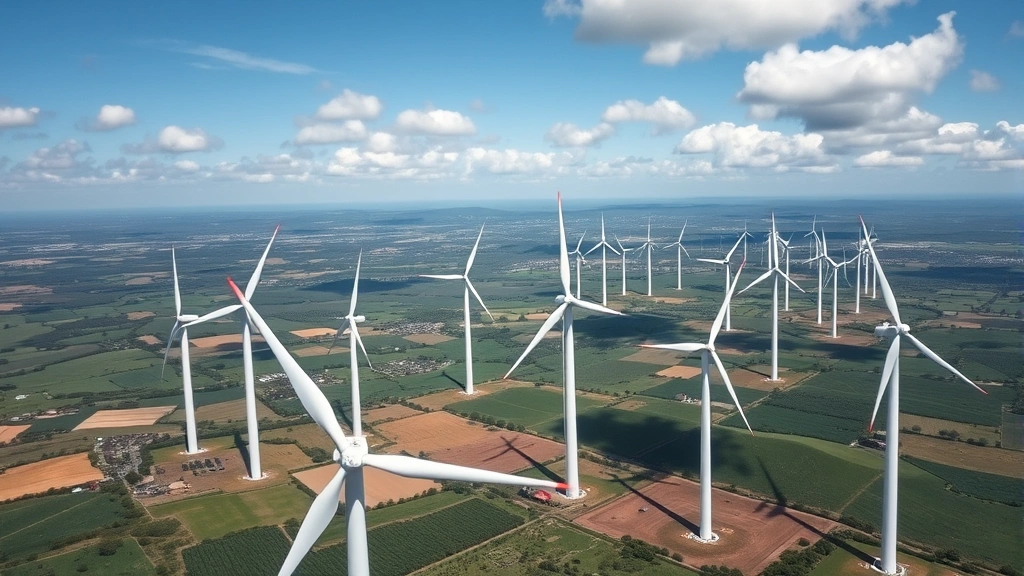
Denmark provides compelling evidence that green economy transitions can sustain robust GDP growth. Since 1990, Denmark has reduced CO2 emissions by 47% while growing GDP by 80%—demonstrating that decoupling economic growth from emissions is achievable. Wind energy comprises 80% of Denmark’s electricity generation, creating a €16 billion renewable energy sector employing over 90,000 workers. This transition occurred not through economic contraction but through strategic investment in green industries, efficiency standards, and carbon pricing mechanisms.
Germany’s experience offers additional insights into green economy scalability. The Energiewende (energy transition) targeted renewable energy expansion to 80% by 2050 while maintaining industrial competitiveness. Between 2010-2020, Germany grew GDP despite reducing energy consumption, demonstrating that absolute decoupling between economic output and resource use is feasible within industrialized economies. The renewable energy sector employs approximately 300,000 Germans, surpassing traditional fossil fuel employment.
Costa Rica presents a developing nation case study with remarkable results. By protecting 99% of forest cover through payments for ecosystem services and renewable energy investment, Costa Rica achieved 99.6% renewable electricity generation while maintaining 3-4% annual GDP growth rates. The country’s green economy strategy attracted sustainable tourism investment, premium agricultural exports, and tech sector development—demonstrating that environmental protection and economic growth reinforce rather than contradict each other in emerging markets.
China’s green economy initiatives, despite implementation challenges, reveal the scale of potential transformation. Investment in renewable energy, electric vehicles, and energy efficiency reached $546 billion in 2022—more than all other nations combined. While environmental quality remains contested, renewable capacity additions, electric vehicle manufacturing, and battery technology innovations create substantial GDP contributions and employment opportunities across multiple sectors.
Research from UNEP (United Nations Environment Programme) indicates that green economy transitions in 64 developing nations generated average GDP growth rates 2-3 percentage points higher than business-as-usual scenarios, while simultaneously improving environmental indicators. This evidence contradicts persistent arguments that environmental protection requires economic sacrifice.
Sectoral Growth Drivers in Green Transitions
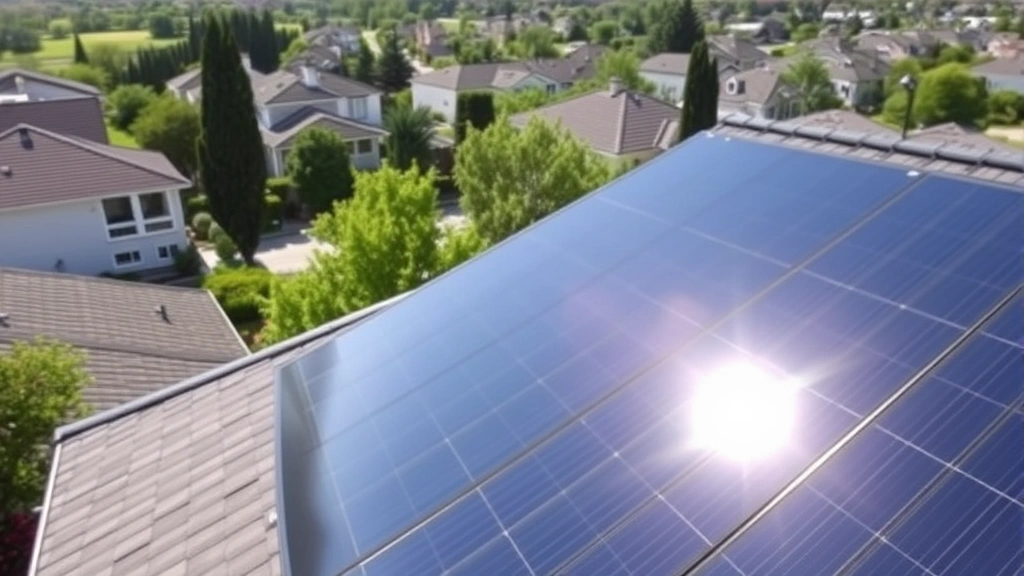
Renewable energy represents the most mature green economy sector, with global capacity reaching 4.4 terawatts by 2024. The sector generates direct employment in manufacturing, installation, maintenance, and grid modernization, plus indirect employment in supply chains. Solar panel production costs declined 90% over two decades, creating competitive advantages in cost-per-kilowatt comparisons against fossil alternatives. This price trajectory drives market expansion—renewable electricity now comprises 30% of global generation and continues accelerating.
Energy efficiency retrofitting creates substantial economic activity while reducing operational costs. Building sector improvements—insulation, HVAC systems, smart controls—typically achieve 20-30% energy reduction with payback periods of 3-7 years. The retrofit market employs skilled trades workers, engineers, and technicians in distributed, non-outsourceable positions. Unlike centralized energy generation, efficiency improvements distribute economic benefits across local communities, supporting small and medium enterprises.
Sustainable agriculture and forestry represent critical sectors where environmental stewardship directly enhances economic productivity. Regenerative agriculture practices—cover cropping, reduced tillage, rotational grazing—rebuild soil carbon while improving yields by 10-15% over time. Premium markets for sustainably produced goods command price premiums of 15-50%, creating revenue opportunities for farmers adopting green practices. Agroforestry systems integrate timber, food, and carbon sequestration revenue streams, increasing land productivity and farmer incomes.
Electric vehicle manufacturing and battery production emerged as explosive growth sectors. Global EV sales reached 13.6 million units in 2023, up 35% year-over-year. The sector requires entirely new supply chains—battery materials, semiconductor components, charging infrastructure—creating millions of manufacturing and installation jobs. Battery gigafactories represent capital-intensive investments generating substantial regional economic development. Additionally, EV manufacturing enables developing nations to leapfrog traditional automotive manufacturing stages, positioning emerging economies competitively in high-value manufacturing.
Circular economy businesses—recycling, remanufacturing, refurbishment, waste-to-resource conversion—generate economic value from materials traditionally discarded. The circular economy currently employs 18 million workers globally, with projections exceeding 50 million by 2050. These sectors create local employment, reduce raw material extraction pressures, and often achieve higher profit margins than linear production models by capturing value from end-of-life products.
For broader context on sectoral transitions, exploring renewable energy for homes reveals how distributed generation creates residential economic opportunities through reduced utility costs, property value increases, and energy independence benefits.
Job Creation and Human Capital Development
Green economy transitions demonstrate superior employment characteristics compared to fossil fuel sectors. Renewable energy jobs outnumber coal mining employment by 12:1 globally, with superior wage profiles and safety records. Solar installation technicians earn median wages of $48,000 annually with strong job security, while positions require shorter training periods than traditional trades. Wind turbine technicians command $56,000+ wages, reflecting specialized skill requirements and safety premiums.
Employment distribution patterns differ fundamentally between fossil and green sectors. Fossil fuel industries concentrate jobs in extraction, transportation, and power generation—often in geographically limited regions dependent on single resource bases. Green economy jobs distribute across manufacturing, installation, maintenance, and recycling—geographically dispersed, skill-diverse, and resilient to regional economic shocks. This distribution pattern strengthens regional economies and reduces geographic inequality.
Skills development and workforce transition represent critical GDP growth mechanisms. Green sector employment typically requires technical training, certifications, and ongoing professional development—creating educational sector expansion and human capital accumulation. Nations investing in workforce development for green transitions generate multiplier effects: trained workers increase productivity, command higher wages, and contribute greater tax revenue. Germany’s apprenticeship system, adapted for green sectors, demonstrates how workforce development directly supports GDP growth while ensuring economic transitions don’t leave workers behind.
The green economy creates employment for populations historically excluded from high-wage opportunities. Women comprise 40-50% of renewable energy sector employment in some regions—higher than traditional energy sectors. Developing nations’ green transitions often employ youth populations, addressing unemployment while building human capital. This inclusive employment pattern generates broader social benefits: reduced inequality, improved health outcomes, and greater social stability—factors that economic research links to sustained GDP growth.
Investment Flows and Capital Reallocation
Global green investment reached $1.1 trillion in 2022, representing 8% of total capital investment. This capital reallocation from fossil fuel sectors toward renewable energy, efficiency, and sustainable infrastructure directly influences GDP growth through investment multipliers. Every dollar invested in renewable energy generates $1.40-$2.00 in economic activity—higher multipliers than fossil fuel investment because renewable projects employ more workers per dollar invested and source more materials from domestic supply chains.
Financial market transformation accelerates green investment flows. Environmental, Social, and Governance (ESG) funds exceeded $35 trillion in assets under management by 2023, redirecting capital toward sustainable enterprises. This institutional shift reflects both values-based investing and financial risk recognition—climate risks, resource scarcity, and regulatory changes threaten fossil fuel asset values while creating opportunities in green sectors. Capital markets increasingly price environmental risk into valuations, accelerating transitions toward green economy dominance.
Sovereign wealth funds, pension funds, and insurance companies—managing trillions in assets—divested from fossil fuels, reallocating capital toward renewable energy, sustainable infrastructure, and green technology companies. This reallocation mechanism ensures capital flows toward highest-return investments in emerging markets, accelerating green economy development. Nations attracting green investment experience GDP growth acceleration as capital finances infrastructure development, manufacturing expansion, and business creation.
Corporate investment patterns reflect green economy recognition. Technology companies invest heavily in renewable energy to power data centers—Apple, Google, and Microsoft collectively committed to 100% renewable electricity. Manufacturing companies adopt renewable energy and efficiency practices to reduce operational costs and meet supply chain requirements from major customers. These corporate commitments drive investment in green infrastructure, creating employment and GDP contributions beyond direct renewable energy sectors.
Policy Frameworks Enabling Economic Growth
Carbon pricing mechanisms—emissions trading systems and carbon taxes—create market signals that drive green economy transitions while generating government revenue. The EU Emissions Trading System generates €25+ billion annually in government revenue, funding green infrastructure investments and workforce transition programs. Carbon prices incentivize efficiency improvements and renewable energy adoption by making environmental costs explicit in economic calculations. Properly designed carbon pricing simultaneously drives environmental improvements and GDP growth by redirecting investment toward productive green sectors.
Renewable energy standards and feed-in tariffs guaranteed investment returns, enabling massive renewable capacity expansion. Germany’s feed-in tariff system generated €200+ billion in renewable energy investment, creating an entire industry. These policy mechanisms reduce investment risk, attracting capital that might otherwise remain in fossil fuel sectors. By establishing long-term market certainty, policy frameworks enable business planning and employment commitments that multiply GDP impacts.
Green industrial policy—targeted investment in emerging sectors like battery manufacturing, electric vehicles, and renewable equipment—enables nations to capture value-added manufacturing opportunities. South Korea’s green industrial policy positioned it as a global leader in battery technology and EV manufacturing, generating high-wage jobs and export revenues. China’s industrial policy investments in solar panels and electric vehicles created dominant global positions worth hundreds of billions in annual revenue.
Circular economy regulations—extended producer responsibility, waste reduction standards, recycling requirements—create market opportunities for waste management, remanufacturing, and resource recovery businesses. These regulatory frameworks convert waste streams into economic inputs, generating business revenue and employment while reducing extraction pressures on natural resources.
Understanding how to reduce carbon footprint at policy levels reveals mechanisms for systemic emissions reductions that simultaneously drive economic restructuring toward higher-productivity sectors.
Challenges and Transition Costs
Green economy transitions impose genuine costs that economists must acknowledge. Coal miners and fossil fuel workers face employment displacement without automatic transition to green sectors. Regional economies dependent on coal extraction or petroleum refining experience significant disruption. These transition costs concentrate geographically and demographically, creating political resistance and social hardship that complicates policy implementation. Successful transitions require substantial investment in worker retraining, income support, and regional economic diversification—costs that reduce near-term GDP growth even as long-term benefits accumulate.
Infrastructure replacement represents enormous capital requirements. Transitioning electricity systems from centralized fossil fuel generation to distributed renewable sources requires grid modernization, storage systems, and transmission upgrades. Transportation infrastructure transitions toward electric vehicles require charging networks and manufacturing capacity development. Building retrofits for energy efficiency demand sustained capital investment. These upfront costs reduce current GDP growth as capital deploys toward future productivity rather than current consumption.
Technology maturation remains incomplete in critical sectors. Long-duration energy storage, green hydrogen production, sustainable aviation fuels, and green cement production require technological breakthroughs and cost reductions. Investment in these emerging technologies doesn’t generate current GDP contributions while development occurs—the returns manifest only when technologies achieve commercial viability. This innovation timing creates apparent GDP reduction during development phases preceding commercial deployment.
Rebound effects partially offset efficiency gains. When energy becomes cheaper through efficiency improvements, consumers increase energy consumption, partially offsetting savings. Analogously, as renewable energy costs decline, total energy consumption increases. While this represents genuine economic benefit—consumers enjoy improved welfare through increased services—it complicates emissions reduction and creates misalignment between efficiency improvements and absolute environmental goals.
Developing nations face particular challenges in green transitions. Limited capital availability restricts investment in expensive renewable infrastructure. Technology transfer from developed nations remains contested and expensive. Agricultural transitions away from fossil fuel-intensive practices reduce yields during transition periods before soil regeneration improves productivity. These challenges mean green transitions in developing nations may temporarily reduce GDP growth before long-term benefits materialize.
Future Outlook for Green GDP Growth
Economic modeling from the International Monetary Fund and OECD projects that rapid green transitions could increase global GDP by 2-4% by 2050 compared to business-as-usual scenarios. These projections incorporate avoided climate damages, health improvements from reduced pollution, employment growth, and innovation benefits. More aggressive transitions could generate even larger GDP gains if technological breakthroughs in energy storage, carbon capture, and sustainable materials accelerate cost declines.
The green economy increasingly demonstrates superior financial returns compared to fossil fuel investments. Renewable energy projects achieve 8-12% returns, competitive with traditional infrastructure while offering superior risk profiles. Battery technology improvements reduce costs faster than previous projections suggested—lithium-ion battery costs declined 89% since 2010, with further declines anticipated. These improving economics accelerate capital reallocation toward green sectors independent of policy mandates.
Emerging opportunities in nature-based solutions—ecosystem restoration, regenerative agriculture, blue carbon—represent additional GDP growth vectors. Ecosystem restoration projects generate immediate employment while creating long-term productivity improvements through soil regeneration, water cycle restoration, and biodiversity enhancement. These nature-based solutions often achieve superior returns compared to infrastructure-heavy alternatives while generating co-benefits across multiple economic sectors.
Technological convergence between renewable energy, electrification, and digital technologies creates multiplicative opportunities. Smart grids, artificial intelligence optimization, and Internet of Things integration enable energy systems optimization that maximizes renewable utilization while minimizing storage requirements. These digital-physical convergences create new industries and business models that generate substantial GDP contributions while solving fundamental energy system challenges.
For broader understanding of how economies transition toward sustainability, exploring sustainable fashion brands reveals how consumer-facing sectors demonstrate green economy viability and profitability in competitive markets.
The analytical consensus increasingly recognizes that green economy transitions can boost GDP while simultaneously improving environmental outcomes. This represents a fundamental shift from previous assumptions that environmental protection required economic sacrifice. Evidence from leading green economies, investment flow patterns, employment trends, and technological trajectories all point toward green transitions as economically rational strategies that generate superior returns compared to business-as-usual development paths.
However, realizing these GDP gains requires sustained policy commitment, strategic investment in workforce development, and management of transition costs concentrated among vulnerable populations and regions. Nations that implement comprehensive green economy frameworks—combining carbon pricing, industrial policy, investment in emerging sectors, and worker transition support—position themselves competitively within the evolving global economy while capturing disproportionate gains from green sector growth.
For deeper exploration of environmental-economic interactions, reviewing natural environment teaching resources illuminates how educational systems prepare populations for green economy participation and leadership.
FAQ
Does green economy growth require sacrificing GDP?
No. Empirical evidence from Denmark, Germany, Costa Rica, and other nations demonstrates that green economy transitions can sustain or accelerate GDP growth. Renewable energy expansion, energy efficiency improvements, and sustainable sector development generate employment, investment, and productivity gains that exceed GDP contributions from business-as-usual scenarios. However, transition periods may create localized disruptions requiring policy support for affected workers and regions.
Which green sectors generate the most GDP growth?
Renewable energy, energy efficiency retrofitting, electric vehicle manufacturing, and sustainable agriculture represent the largest green GDP contributors. Renewable energy already comprises 30% of global electricity generation with accelerating growth. EV manufacturing represents the fastest-growing sector with 35% annual growth rates. Energy efficiency retrofitting creates distributed employment across all regions. Circular economy sectors—recycling, remanufacturing, waste recovery—generate increasing GDP contributions as regulatory frameworks expand.
How quickly can green transitions boost GDP?
GDP impacts manifest across different timeframes. Direct employment in renewable energy and efficiency sectors generates immediate GDP contributions. Infrastructure investments create near-term economic activity. Technological maturation and cost reductions accelerate over 5-10 year periods. Avoided climate damages and health improvements accumulate over decades. Comprehensive analysis suggests green transitions can increase GDP growth rates by 0.5-1.0 percentage points within 5-10 years, with larger gains accumulating over longer periods.
What policy frameworks most effectively boost green GDP?
Carbon pricing mechanisms, renewable energy standards, green industrial policy, and circular economy regulations create the strongest GDP growth drivers. These frameworks establish market certainty, redirect investment toward green sectors, and create business opportunities for sustainable enterprises. Complementary investments in workforce development ensure labor availability for green sector expansion. Regional economic diversification support helps transition-affected communities adapt to structural economic changes.
Can developing nations achieve green GDP growth?
Yes, though challenges differ from developed nations. Developing nations with abundant renewable resources—solar, wind, hydroelectric potential—can achieve competitive advantages in renewable energy production and manufacturing. Leapfrogging traditional infrastructure development stages enables emerging economies to build green systems from inception. However, capital constraints, technology access limitations, and agricultural transition complexities require substantial international support through climate finance, technology transfer, and capacity building investments.


