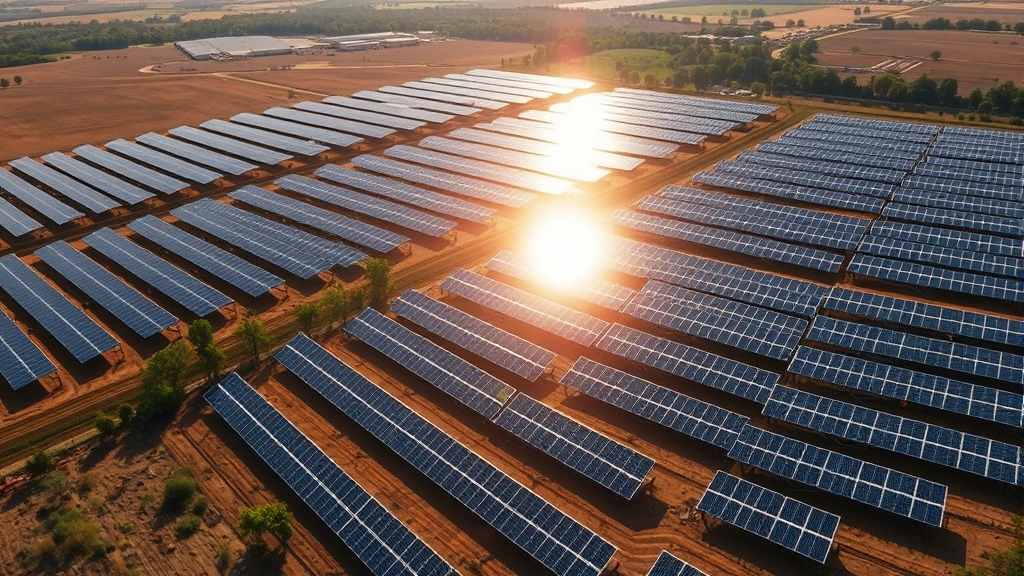
Can Green Policies Boost Economic Growth? Study Insights
The intersection of environmental protection and economic prosperity has long been framed as a trade-off: choose environmental protection or economic growth, but rarely both. However, emerging research and real-world case studies challenge this conventional wisdom. Green policies—ranging from carbon pricing mechanisms to renewable energy investments—are increasingly demonstrating capacity to simultaneously advance environmental objectives and stimulate robust economic growth. This paradox, once considered contradictory, now represents one of the most compelling opportunities for policymakers seeking sustainable development pathways.
The global economy faces a critical juncture. Climate change, biodiversity loss, and resource depletion threaten economic stability, yet transitioning to sustainable systems requires substantial investment and structural transformation. Recent studies from leading economic institutions suggest that strategic green policies can unlock trillions in economic value while addressing environmental degradation. Understanding these mechanisms—and the evidence supporting them—is essential for governments, businesses, and citizens navigating the economic security implications of environmental stewardship.

The Economic Case for Green Policy
Traditional economic analysis treated environmental degradation as an externality—a cost borne by society rather than reflected in market prices. This fundamental accounting error created perverse incentives, allowing polluters to profit while ecosystems deteriorated. Green policies correct this market failure by internalizing environmental costs, creating economic signals that reflect true resource scarcity.
Recent research from the World Bank demonstrates that environmental damage costs approximately 4-6% of global GDP annually when accounting for air pollution, water degradation, and climate impacts. By contrast, green policy investments typically represent 1-3% of GDP, offering substantial net economic benefits. Carbon pricing, renewable energy subsidies, and circular economy initiatives create new markets worth hundreds of billions annually.
The relationship between environmental protection and economic growth follows an inverted-U curve at low income levels but becomes strongly positive at higher development stages. Wealthy nations implementing comprehensive green policies experience improved productivity, reduced healthcare costs from pollution abatement, and enhanced worker well-being. Understanding environmental degradation’s economic consequences helps contextualize why policy intervention generates positive returns.
Renewable energy exemplifies this dynamic. Solar and wind capacity now costs less than fossil fuels in most markets, and this cost advantage continues expanding. Transitioning energy systems creates immediate economic activity through construction, manufacturing, and installation, while generating long-term savings through reduced fuel expenditures and avoided climate damages. Studies indicate that renewable energy transitions generate 2-3 times more employment per dollar invested than fossil fuel infrastructure.

Job Creation and Labor Market Transformation
Green policies catalyze profound labor market shifts. The renewable energy sector now employs over 12 million people globally, exceeding fossil fuel employment in many developed nations. Energy efficiency retrofitting, sustainable agriculture, ecosystem restoration, and clean technology manufacturing create diverse employment opportunities across skill levels and geographic regions.
Unlike fossil fuel industries concentrated in specific regions and vulnerable to automation, green economy jobs distribute widely. Rural communities benefit from agricultural sustainability initiatives and forest conservation programs. Urban centers gain manufacturing hubs for solar panels, batteries, and electric vehicles. This geographic diversity strengthens regional economies and reduces economic vulnerability to commodity price shocks.
Crucially, green jobs typically offer higher wages and better working conditions than displaced fossil fuel positions. A worker transitioning from coal mining to solar installation often experiences wage increases alongside improved safety standards. Training and reskilling programs—funded through green policy mechanisms—facilitate smooth labor transitions, addressing equity concerns that might otherwise undermine policy support.
The International Labour Organization estimates that climate action policies could create 24 million net jobs by 2030, particularly in developing economies where green infrastructure development remains nascent. These employment gains compound through multiplier effects as workers spend wages in local economies, supporting retail, healthcare, and service sectors.
Innovation and Technological Advancement
Green policies function as powerful innovation catalysts. Renewable energy subsidies, emissions regulations, and carbon pricing create market incentives for technological breakthroughs. Battery technology, for instance, has advanced dramatically as electric vehicle demand surged—costs declining 90% over two decades while performance improved exponentially. This innovation trajectory demonstrates how environmental policy can accelerate technological progress.
R&D investment in clean technologies generates spillover benefits across economic sectors. Materials science innovations from battery development benefit aerospace and medical industries. Efficiency improvements from building retrofits enhance manufacturing processes. Digital technologies enabling grid management optimize supply chains across industries. These cross-sectoral benefits multiply green policy’s economic impact beyond direct environmental improvements.
Developing economies particularly benefit from technology transfer accompanying green policy implementation. Rather than repeating the polluting industrialization pathway of developed nations, emerging markets can leapfrog directly to clean technologies. This accelerates convergence in living standards while avoiding environmental degradation that would necessitate costly remediation later.
Risk Mitigation and Economic Resilience
Environmental degradation creates substantial economic risks. Extreme weather events cost the global economy $150-300 billion annually in direct damages, with indirect costs through supply chain disruption and productivity losses often exceeding direct impacts. Biodiversity loss threatens agricultural productivity and ecosystem services worth trillions. Resource depletion creates geopolitical tensions and price volatility affecting economic stability.
Green policies mitigate these risks by reducing environmental pressures and building adaptive capacity. Renewable energy systems prove more resilient than centralized fossil fuel infrastructure, less vulnerable to supply disruptions. Sustainable agriculture maintains soil health and water availability, ensuring long-term food security. Forest conservation prevents erosion and flooding, protecting communities and infrastructure.
Insurance and financial sectors increasingly recognize environmental risk as economic risk. UNEP reports that environmental liability costs have grown 400% over the past two decades. Green policies reduce these liabilities while creating investment opportunities. Green bonds, now exceeding $500 billion annually, attract capital seeking both financial returns and environmental impact.
Economic resilience strengthens competitiveness. Nations implementing comprehensive green policies experience lower vulnerability to resource price shocks, climate impacts, and technological disruption. This stability attracts investment, reduces insurance costs, and enhances credit ratings—macroeconomic advantages translating to lower borrowing costs and faster growth.
International Competitiveness and Trade
Green policies reshape international trade dynamics. Nations leading clean technology development capture disproportionate export value. Denmark generates €7 billion annually from wind technology exports despite having modest population. Germany’s renewable energy sector employs over 300,000 people, many in high-skilled manufacturing. These export sectors create trade surpluses and strengthen currency positions.
Carbon border adjustment mechanisms—increasingly implemented by major economies—create competitive advantages for early-adopting nations. Firms in countries with strict emissions standards develop superior technologies, positioning them advantageously as global standards tighten. Conversely, laggards face tariffs and market access restrictions, eroding competitiveness.
Supply chain resilience becomes competitive advantage as environmental regulations require diversified sourcing and reduced vulnerability to single-region disruptions. Green policies incentivizing circular economy models reduce material costs and supply chain risks. Firms implementing these practices gain competitive advantages through lower input costs and reduced regulatory risk.
International investment increasingly flows toward nations with strong environmental governance. Sovereign wealth funds and institutional investors representing trillions in assets now explicitly consider environmental risk in allocation decisions. Green policy commitment signals institutional quality and reduces political risk, attracting capital at favorable rates.
Case Studies: Real-World Evidence
Costa Rica: This nation demonstrates that green policy and economic growth prove compatible at middle-income levels. Since 2015, Costa Rica has generated 99% of electricity from renewable sources while maintaining 4-5% average GDP growth. Tourism—dependent on environmental quality—generates 20% of export revenue, creating economic incentives for conservation. The renewable energy transition eliminated fuel import dependence, improving trade balance and economic stability.
Germany’s Energiewende: Germany’s transition to renewable energy—despite higher costs than some alternatives—generated net economic benefits. Over 300,000 renewable energy jobs now exceed coal employment. Export-oriented green technology manufacturing strengthens trade position. While transition challenges emerged, overall economic performance remained robust, demonstrating that ambitious environmental policy need not compromise growth.
Bangladesh’s Climate Adaptation: Facing severe climate vulnerability, Bangladesh implemented green infrastructure policies. Mangrove restoration reduced storm surge damages by 25% in protected areas while creating sustainable livelihoods for 200,000+ workers. Sustainable agriculture initiatives increased yields 30% while reducing input costs through reduced chemical dependence. These policies simultaneously addressed environmental degradation and economic development.
Rwanda’s Green Recovery: Post-conflict Rwanda implemented ambitious environmental policies including forest conservation and renewable energy development. These initiatives attracted international climate finance and green investment, contributing to 8% average annual GDP growth—among Africa’s highest. Environmental policy became development strategy, demonstrating applicability in lower-income contexts.
Learn more about how human environment interaction shapes economic outcomes through these diverse global examples.
Challenges and Implementation Barriers
Despite compelling evidence, green policy implementation faces substantial obstacles. Transition costs concentrate geographically and temporally while benefits distribute widely and over longer periods. Coal communities experience immediate employment losses years before renewable energy sectors generate equivalent jobs. This temporal and spatial mismatch creates political resistance despite net economic benefits.
Incumbent fossil fuel industries—politically powerful and economically entrenched—actively oppose green policies. Lobbying, disinformation campaigns, and regulatory capture delay implementation and weaken policy effectiveness. Overcoming these obstacles requires political will, public engagement, and institutional reform.
Developing nations face financing constraints limiting green policy implementation. While green bonds have grown, funding remains insufficient for necessary infrastructure transformation. Debt burdens and competing development priorities constrain green investment capacity. International climate finance, currently inadequate at $100 billion annually against $1+ trillion needs, must expand substantially.
Policy design critically affects economic outcomes. Poorly designed carbon taxes create regressive impacts on low-income households without generating sufficient emissions reductions. Renewable subsidies creating technological lock-in waste resources. Successful policies require careful design incorporating distributional equity, technological flexibility, and adaptive management.
Discover practical approaches to reducing carbon footprint that align with broader economic policy objectives, and explore renewable energy for homes as entry points for policy engagement.
International coordination challenges complicate policy effectiveness. Without coordinated action, nations implementing strict green policies face competitive disadvantages as production shifts to unregulated jurisdictions—”carbon leakage.” Addressing this requires international agreements establishing minimum standards, carbon pricing mechanisms, and technology transfer frameworks.
IMAGE_2
The World Economic Forum estimates that achieving climate goals requires $130 trillion in cumulative investment through 2050—substantial but economically feasible given global GDP projections. Financing mechanisms combining public investment, green bonds, carbon pricing revenues, and private capital can mobilize necessary resources. The question becomes not “can we afford green policies?” but “can we afford not to implement them?” given climate damages and resource depletion trajectories.
Policy Mechanisms Driving Economic Growth
Effective green policies employ diverse mechanisms, each generating distinct economic pathways. Carbon pricing—through taxes or cap-and-trade systems—creates market incentives for emissions reductions while generating government revenue. Revenue recycling through tax reductions, dividends, or green investments amplifies economic benefits. Studies indicate well-designed carbon pricing generates net GDP growth through efficiency improvements and innovation stimulation.
Renewable energy subsidies accelerate technology cost reductions through scale economies and learning-by-doing. As deployment increases, costs decline exponentially—a pattern evident across solar, wind, and battery technologies. Subsidies phase out as technologies achieve cost competitiveness, creating time-limited support rather than permanent dependence.
Energy efficiency standards mandate technological improvements reducing operational costs faster than initial investment requirements. Building codes requiring superior insulation, appliance efficiency standards, and industrial equipment regulations generate immediate energy savings exceeding upfront costs. These policies prove particularly economically beneficial, offering negative-cost emissions reductions.
Green infrastructure investment directly stimulates economies through construction employment while generating lasting asset value. Renewable energy systems, public transit, and ecosystem restoration create jobs and productive assets simultaneously. Multiplier effects amplify initial investment impacts as workers spend wages and firms purchase inputs.
Circular economy policies reducing waste and extending product lifecycles create new business models and employment. Extended producer responsibility, recycling infrastructure investment, and remanufacturing incentives generate economic activity while reducing resource extraction pressures. Emerging economies particularly benefit as circular economy development precedes resource depletion.
Explore how sustainable fashion brands demonstrate circular economy principles generating profitability through environmental responsibility.
IMAGE_3
Future Outlook and Emerging Evidence
Emerging research increasingly validates green policy’s economic benefits. IMF studies demonstrate that climate policies implemented gradually create smoother economic transitions than delayed action forcing abrupt transformation. Early action reduces adjustment costs while allowing technological maturation and workforce adaptation.
Artificial intelligence and digital technologies amplify green policy effectiveness. Smart grids optimize renewable energy distribution, reducing system costs. Machine learning improves industrial efficiency, identifying waste reduction opportunities. Blockchain enables circular economy tracking and verification. These technologies enhance green policy economics while creating high-value employment.
Nature-based solutions—forest conservation, wetland restoration, regenerative agriculture—generate economic returns through ecosystem services while sequestering carbon. Recent valuation methods quantifying biodiversity benefits in monetary terms reveal that conservation often generates positive financial returns beyond carbon values, particularly when accounting for tourism, water purification, and agricultural productivity benefits.
The convergence of green policy with broader development objectives strengthens political feasibility and economic impact. Health benefits from air quality improvement, food security gains from sustainable agriculture, and water availability improvements from ecosystem protection create co-benefits justifying investment independent of climate considerations. Communicating these diverse benefits builds broader political coalitions supporting sustained policy commitment.
FAQ
Do green policies reduce economic growth?
No. Comprehensive research indicates well-designed green policies generate net economic benefits through innovation stimulation, job creation, risk reduction, and efficiency improvements. Short-term transition costs exist in specific sectors, but economy-wide effects prove positive. The question is not whether green policies cost economically, but how to manage transition equity.
Which green policies generate strongest economic returns?
Energy efficiency standards and renewable energy investments typically generate highest returns, offering negative-cost emissions reductions and substantial employment creation. Carbon pricing mechanisms prove economically efficient when revenue is recycled productively. Combination approaches prove more effective than single-policy solutions.
How do developing nations implement green policies given financing constraints?
International climate finance, green bonds, public-private partnerships, and technology transfer mechanisms enable developing nation participation. Many green policies—particularly efficiency improvements and sustainable agriculture—require minimal capital while generating immediate returns. Prioritizing high-return interventions maximizes impact within budget constraints.
What timeline is required for green policies to generate net economic benefits?
Benefits vary by policy type. Energy efficiency improvements generate returns within 3-5 years. Renewable energy systems achieve payback within 5-10 years depending on location and technology. Ecosystem restoration and circular economy transitions require longer timelines (10-20 years) but generate substantial long-term value. Immediate benefits include job creation and innovation stimulus.
How do green policies affect international competitiveness?
Nations implementing green policies first develop technological advantages in clean technology sectors. Carbon border adjustment mechanisms increasingly penalize laggard nations. Early adoption positions firms competitively as global standards tighten. Supply chain resilience and reduced resource vulnerability strengthen competitive positions.
What role does government play in green policy implementation?
Governments establish policy frameworks (carbon pricing, standards, subsidies), invest in infrastructure, fund research and development, and manage transition support. Private sector innovation and investment respond to policy signals, driving technological advancement and market transformation. Effective implementation requires government-private sector collaboration.
Return to Blog Home for additional environmental economics analysis.


