
Cleanliness Boosts Economy: Studies Show Impact on Environment and Growth
The relationship between cleanliness and economic prosperity extends far beyond aesthetic preferences or personal hygiene standards. Recent economic research demonstrates that environmental cleanliness—encompassing air quality, water purity, waste management systems, and sanitation infrastructure—directly correlates with measurable economic benefits. When we examine human environment interaction, cleanliness emerges as a critical variable affecting productivity, healthcare costs, tourism revenue, and long-term sustainable growth.
Studies from leading economic institutions reveal that nations investing heavily in cleanliness infrastructure experience reduced healthcare expenditures, increased worker productivity, and enhanced environmental quality that attracts investment and talent. The economic case for cleanliness is compelling: every dollar spent on sanitation and environmental cleanup generates multiplier effects throughout the economy, reducing disease burden, extending workforce participation, and creating employment opportunities in green sectors.
This comprehensive analysis explores the quantifiable economic impacts of cleanliness on environment and development, examining mechanisms through which environmental hygiene translates into measurable financial gains, improved human capital, and sustainable prosperity.
Economic Value of Clean Water and Sanitation Systems
Access to clean water and functional sanitation infrastructure represents one of the most fundamental investments in economic development. According to World Bank analyses, every dollar invested in water and sanitation infrastructure generates an average return of four to twelve dollars through improved health outcomes, increased productivity, and reduced healthcare expenditures. The economic multiplier effect is particularly pronounced in developing economies where waterborne diseases currently claim millions of productive work hours annually.
The relationship between cleanliness and economic output becomes evident when examining countries with robust water treatment and sanitation systems compared to those lacking adequate infrastructure. Nations with comprehensive water management systems experience lower disease incidence, particularly among children under five years old. This translates directly into human capital accumulation—children who avoid waterborne illnesses attend school more regularly, perform better academically, and ultimately contribute more productively to the economy as adults.
Industrial sectors demonstrate similar patterns. Manufacturing facilities operating in regions with clean water access maintain higher production efficiency and lower equipment maintenance costs. Food and beverage industries, pharmaceutical manufacturing, and textile production all depend critically on water quality. The economic cost of water contamination extends beyond direct health impacts to include production shutdowns, equipment damage, and regulatory penalties.
Examining biotic environment examples reveals how ecosystem health depends on water cleanliness. Agricultural productivity, fisheries output, and aquaculture ventures all suffer when water systems become contaminated. In regions dependent on fishing and aquaculture for food security and export revenue, water pollution directly reduces economic output and employment opportunities.
Healthcare Cost Reduction Through Environmental Cleanliness
Environmental cleanliness generates substantial healthcare savings by preventing disease transmission and reducing pollution-related illness burdens. Research from the World Health Organization documents that improved sanitation and waste management reduce disease transmission rates by 30-50 percent, translating into billions of dollars in prevented healthcare costs globally.
The economic burden of pollution-related diseases includes direct medical costs (hospitalization, medication, treatment) and indirect costs (lost productivity, premature mortality, disability). Air pollution alone costs the global economy approximately $5 trillion annually when accounting for healthcare expenses and productivity losses. Water contamination generates similar economic drains through typhoid, cholera, hepatitis, and parasitic infections that incapacitate workers and overwhelm healthcare systems.
Respiratory diseases linked to poor air quality and environmental contamination represent a significant economic burden in developing nations. Workers suffering from chronic respiratory conditions miss approximately 15-20 percent more workdays than healthy peers, reducing individual productivity and organizational output. Healthcare systems struggling with pollution-related disease management face budget constraints that limit investment in other critical areas like education and infrastructure development.
The economic analysis of cleanliness benefits extends to reduced pharmaceutical costs. Regions maintaining clean environments require fewer antibiotics and antimicrobial treatments, reducing both individual healthcare expenditures and the broader economic burden of antimicrobial resistance. This connects to broader environmental sustainability discussions regarding the intersection of cleanliness, health, and economic resilience.
Productivity Gains and Labor Market Effects
Environmental cleanliness directly affects worker productivity through multiple mechanisms. Employees in clean work environments demonstrate higher cognitive function, fewer sick days, and enhanced motivation. Research in occupational health economics demonstrates that workplace cleanliness correlates with 5-15 percent productivity improvements across diverse sectors.
The mechanism operates through several channels: reduced disease transmission in clean facilities, improved air quality supporting respiratory health, and psychological benefits of clean environments that enhance focus and morale. Manufacturing facilities implementing comprehensive cleanliness protocols report reduced accident rates, lower absenteeism, and improved quality control outcomes.
Labor force participation rates improve significantly in regions with strong environmental cleanliness infrastructure. Women, in particular, experience expanded economic participation opportunities when sanitation infrastructure reduces time spent on water collection and health management. This demographic shift generates substantial economic multipliers as expanded female labor force participation increases household incomes and consumer spending.
The relationship between environmental cleanliness and human capital development operates across the lifespan. Children growing up in clean environments develop stronger cognitive abilities, maintain better school attendance, and achieve higher educational attainment—factors that compound into lifetime earnings premiums averaging 10-20 percent. This intergenerational transmission of human capital gains represents perhaps the most significant long-term economic benefit of environmental cleanliness.
Environmental Cleanliness and Tourism Revenue
Tourism represents a significant economic sector in many nations, and environmental cleanliness directly influences tourism attractiveness and revenue generation. Clean beaches, unpolluted water bodies, and pristine natural environments attract international tourists willing to spend substantial resources on travel and accommodations. Conversely, regions experiencing environmental degradation witness tourism decline and associated economic losses.
The economic value of clean natural environments for tourism can be quantified through property values, hotel occupancy rates, and tourist spending patterns. Coastal regions maintaining water quality and beach cleanliness generate 30-50 percent higher tourism revenue than comparable regions with environmental degradation. This revenue translates into employment, business development, and tax revenue supporting broader economic development.
Environmental cleanliness also protects tourism infrastructure investments. Coastal erosion, coral bleaching, and water pollution threaten long-term viability of tourism-dependent economies, particularly small island nations and developing countries reliant on nature-based tourism. The economic case for maintaining environmental cleanliness becomes particularly compelling when considering opportunity costs of tourism sector decline.
Ecotourism specifically depends on environmental cleanliness and ecosystem health. Visitors pay premium prices for experiences in pristine natural environments, generating revenue that economically incentivizes environmental protection. This creates positive feedback loops where economic returns from cleanliness support further environmental investment and maintenance.
Waste Management Economics and Job Creation
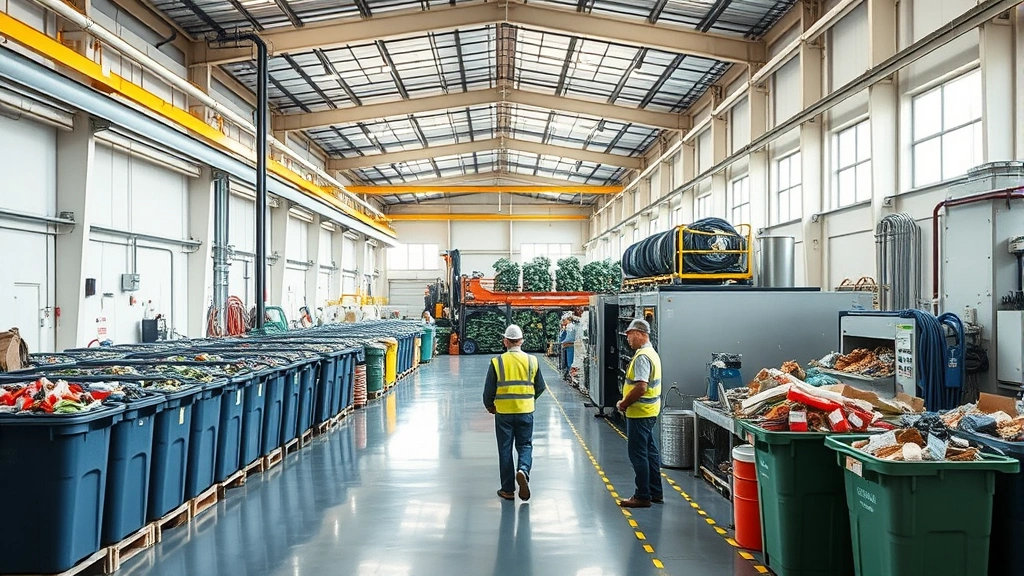
Comprehensive waste management systems generate substantial economic activity while maintaining environmental cleanliness. The global waste management industry employs millions of workers and generates hundreds of billions in annual economic value through collection, treatment, recycling, and disposal services.
Cleanliness-focused waste management creates employment across skill levels. Collection workers, sorting facility staff, recycling center operators, and advanced treatment facility technicians represent diverse employment opportunities. Developing nations implementing modern waste management infrastructure experience employment growth in these sectors, reducing unemployment and generating tax revenue.
The economic value extends beyond direct employment to include secondary industries. Recycling industries transform waste materials into valuable commodities, creating manufacturing opportunities and reducing raw material extraction costs. Metal recycling alone saves industries billions annually compared to virgin material extraction, while reducing environmental degradation from mining operations.
Waste-to-energy technologies represent emerging economic opportunities linked to environmental cleanliness. Facilities converting waste into electricity or heat generate renewable energy while managing waste, creating dual economic benefits. These facilities support renewable energy transitions while maintaining environmental standards through proper waste management.
Air Quality and Economic Performance
Air quality represents a critical but often undervalued component of environmental cleanliness with direct economic implications. Research from ecological economics journals documents that regions experiencing poor air quality suffer productivity losses, increased healthcare costs, and reduced investment attraction.
The economic impact of air pollution manifests through multiple channels. Workers in polluted environments experience reduced cognitive performance and increased respiratory illness, directly reducing productivity. Cities with poor air quality struggle to attract talent and investment, as individuals and businesses prioritize locations with clean air and associated health benefits.
Real estate economics demonstrates clear air quality premiums. Properties in clean-air regions command 5-20 percent price premiums compared to equivalent properties in polluted areas. This capitalization of air quality into property values represents quantifiable market recognition of cleanliness’s economic value. Regions improving air quality through emission reduction initiatives witness corresponding real estate appreciation and increased tax revenue.
The economic case for air quality improvement strengthens when considering health effects across populations. Particulate matter and ozone pollution generate healthcare costs exceeding $100 billion annually in developed nations alone, with developing nations experiencing proportionally higher burdens relative to healthcare system capacity. Improving air quality through pollution control represents direct investment in population health and economic productivity.
Investment Attraction and Real Estate Value
Environmental cleanliness significantly influences investment decisions and real estate valuation. Institutional investors, multinational corporations, and individual developers prioritize locations with strong environmental standards and clean conditions. This preference translates into capital flows toward clean regions and away from polluted areas, creating economic winners and losers based on environmental management quality.
The relationship between environmental cleanliness and real estate values operates through multiple mechanisms. Clean environments support higher population density, enabling efficient urban development and reducing infrastructure costs per capita. Commercial properties in clean districts command premium rents and experience higher occupancy rates. Residential properties in clean neighborhoods attract higher-income residents, supporting school funding and municipal services.
When examining strategies to reduce carbon footprint, environmental cleanliness emerges as complementary objective supporting both climate and economic goals. Cities implementing comprehensive cleanliness and sustainability initiatives attract green investment, support business development in clean sectors, and build reputational capital attracting talent and tourism.
Foreign direct investment flows increasingly favor regions demonstrating strong environmental management. Multinational corporations establishing operations prioritize locations with clean water, clean air, and effective waste management systems. This preference reflects both regulatory compliance requirements and risk management considerations—operating in polluted regions creates regulatory, reputational, and operational risks that corporations increasingly avoid.
The economic literature on environmental economics increasingly recognizes cleanliness as critical infrastructure comparable to transportation, energy, and communications systems. Investment in cleanliness infrastructure generates returns comparable to traditional infrastructure investments while providing broader social and environmental benefits beyond direct economic metrics.
Examining sustainable business practices reveals how environmental cleanliness integrates with broader economic competitiveness. Companies implementing comprehensive cleanliness and sustainability standards gain market advantages through premium pricing, brand loyalty, and operational efficiency.
Cleanliness as Economic Infrastructure
Contemporary economic analysis increasingly treats environmental cleanliness as critical infrastructure comparable to transportation networks, energy systems, and communication infrastructure. This analytical shift reflects growing recognition that cleanliness underpins economic productivity across sectors and demographics.
The infrastructure perspective reveals cleanliness investments as foundational rather than supplementary. Just as transportation infrastructure enables commerce and economic integration, cleanliness infrastructure enables human health, productivity, and environmental stability necessary for sustained economic growth. Underfunding cleanliness infrastructure creates constraints limiting economic potential across multiple dimensions.
Developing economies face particular challenges in cleanliness infrastructure investment. Limited fiscal resources force difficult prioritization decisions, yet economic evidence increasingly demonstrates that cleanliness investments generate returns justifying priority allocation. Organizations like UNEP emphasize that cleanliness infrastructure investments represent economically rational development priorities supporting multiple sustainable development goals simultaneously.
The intergenerational dimension of cleanliness infrastructure becomes evident when considering long-term economic impacts. Children growing up with clean water, clean air, and effective sanitation develop greater human capital, achieving higher educational and earnings outcomes. These effects compound across generations, creating persistent economic advantages for regions maintaining environmental cleanliness standards.
FAQ
How much economic value does environmental cleanliness generate?
Research estimates environmental cleanliness generates economic returns of 4-12 dollars for every dollar invested in sanitation and water infrastructure. Additionally, improved air quality, waste management, and ecosystem health generate billions in prevented healthcare costs and productivity gains annually across the global economy.
Which economic sectors benefit most from environmental cleanliness?
Tourism, agriculture, manufacturing, healthcare, and real estate sectors experience particularly pronounced benefits from environmental cleanliness. These sectors directly depend on clean water, clean air, and ecosystem health for operational efficiency and revenue generation.
How does cleanliness affect developing economies differently than developed economies?
Developing economies typically experience larger proportional economic returns from cleanliness investments due to higher disease burdens and productivity losses from environmental degradation. However, fiscal constraints often limit investment capacity, creating a paradox where cleanliness investments would generate highest returns in regions with lowest investment capacity.
What role does cleanliness play in climate change economics?
Environmental cleanliness and climate action reinforce each other. Reducing air pollution through emission controls supports climate goals while generating immediate health and economic benefits. Clean energy transitions simultaneously reduce pollution and greenhouse gas emissions, creating co-benefits that enhance economic justification for climate action.
How do property values respond to environmental cleanliness improvements?
Research documents 5-20 percent property value premiums in clean-air regions compared to polluted areas. Real estate markets rapidly capitalize environmental quality improvements into prices, creating economic incentives for municipalities and property owners to maintain cleanliness standards.
Can cleanliness improvements reduce inequality?
Yes, cleanliness infrastructure investments disproportionately benefit lower-income populations experiencing highest pollution exposure and disease burdens. Equitable access to clean water, sanitation, and clean air represents a mechanism for reducing health-related inequality and supporting economic mobility.


