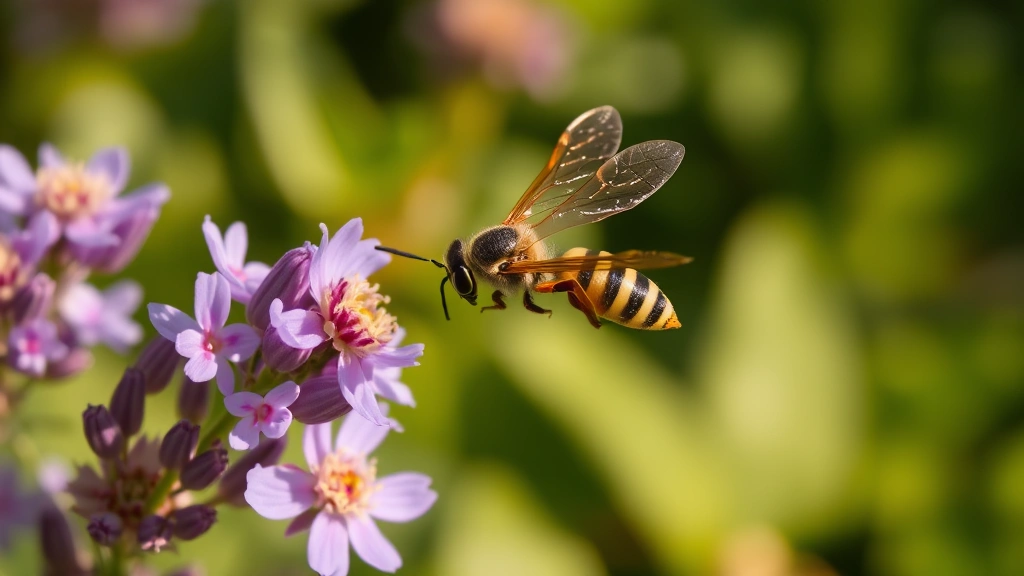
Wasps’ Role in Ecosystems: A Scientific Overview
Wasps occupy a paradoxical position in human consciousness—feared as aggressive stingers yet performing critical ecological functions that sustain biodiversity and ecosystem health. While bees dominate popular conservation discourse, wasps remain largely misunderstood despite their extraordinary ecological significance. These insects represent over 100,000 species worldwide, with only a fraction exhibiting the aggressive behavior that characterizes public perception. Understanding what wasps do for the environment reveals a complex network of ecological services that rival, and in some cases exceed, those provided by their more celebrated counterparts.
The scientific community increasingly recognizes wasps as keystone species whose contributions extend across multiple trophic levels. From predatory wasps that control arthropod populations to parasitoid species that regulate pest dynamics, from pollinators that facilitate plant reproduction to nutrient cyclers that enhance soil fertility, wasps demonstrate remarkable ecological versatility. This comprehensive analysis examines the multifaceted environmental roles of wasps, their economic implications, and their integration within broader ecosystem functioning.
Predation and Pest Control
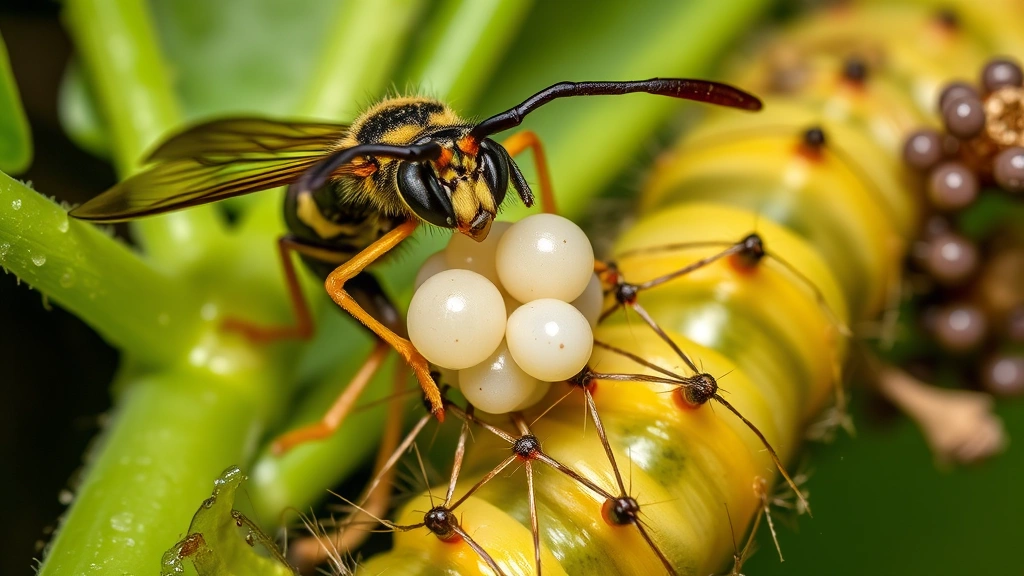
Solitary and social wasps function as apex predators within arthropod communities, providing critical biological pest control services. Hunting wasps capture insects including flies, caterpillars, spiders, and beetles, with consumption patterns varying by wasp species and season. Research demonstrates that a single paper wasp colony can consume approximately 1,000 to 1,500 insects weekly during peak foraging periods, translating to substantial pest suppression across agricultural and natural landscapes.
The economic value of wasp-mediated pest control extends beyond theoretical calculations. Agricultural systems worldwide benefit from naturally occurring wasp populations that reduce crop damage without synthetic pesticide applications. Studies quantifying these human-environment interactions reveal that preserving native wasp populations can reduce pesticide dependency by 15-30% in managed agricultural contexts. This reduction simultaneously decreases environmental contamination, protects non-target organisms, and reduces production costs for farmers implementing integrated pest management strategies.
Solitary hunting wasps exhibit remarkable specialization, with certain species targeting specific prey categories. Mud daubers preferentially hunt spiders, while tarantula hawks pursue large arachnids. This specificity enhances ecosystem stability by maintaining balanced arthropod communities. The predatory behavior of wasps represents an ancient biological control mechanism, predating human agriculture by millions of years and providing ecosystem services that human systems now attempt to replicate through costly chemical interventions.
Recent investigations published in ecological journals document wasp predation impacts on agricultural pest populations including armyworms, aphids, and caterpillars that devastate crops. The integration of wasp conservation within organic farming systems demonstrates measurable yield improvements and reduced production costs, creating economic incentives aligned with ecological preservation.
Pollination Services
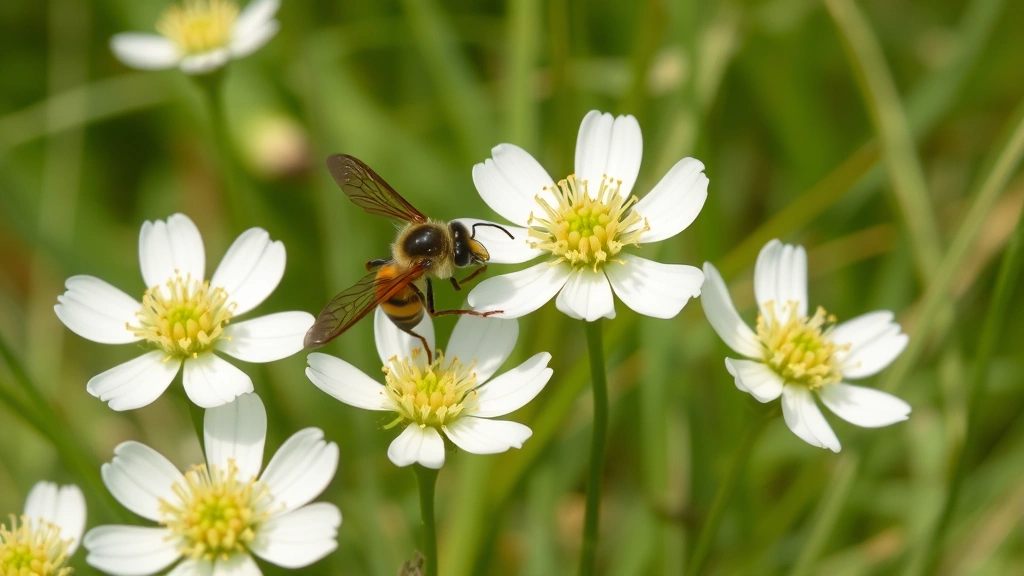
While less efficient than bees, wasps contribute substantially to pollination across diverse plant communities. Approximately 15,000 wasp species demonstrate pollinator behavior, visiting flowers for nectar and inadvertently transferring pollen between reproductive structures. This ecological service proves particularly important in ecosystems where bee populations face pressure from habitat loss, disease, or climate disruption.
Wasp pollination operates through distinct mechanisms compared to bee visitation. Wasps typically possess shorter, less specialized mouthparts, limiting their effectiveness on flowers with deep nectar reserves. However, this limitation channels wasp pollination toward plant species with accessible floral structures, including figs, which depend almost exclusively on wasp pollinators for reproduction. Fig wasps demonstrate extraordinary co-evolutionary relationships with host plants, with individual wasp species often pollinating single fig species, creating obligate mutualisms spanning millions of years.
The fig-wasp system exemplifies ecosystem complexity and interdependence. Over 750 fig species depend on specific wasp species for pollination, creating intricate ecological networks spanning tropical and subtropical regions globally. Disruption to these wasp populations threatens not merely individual plant species but entire food webs dependent on fig production. Primates, birds, bats, and terrestrial mammals rely on figs as critical food sources, particularly during seasonal scarcity periods when other resources become limiting.
Beyond fig systems, wasps pollinate numerous plant species including orchids, carrion flowers, and various herbs. The pollination services provided by wasps demonstrate particular importance in Mediterranean ecosystems, tropical rainforests, and arid regions where floral diversity and wasp abundance create substantial pollination networks. Research examining wasp visitation rates across flowering plant communities documents that wasps visit 25-40% of plant species in many ecosystems, establishing them as significant, if underappreciated, pollinators.
Parasitoid Dynamics and Population Regulation
Parasitoid wasps represent nature’s most sophisticated pest regulation mechanism, with larvae developing inside host insects and ultimately causing host mortality. Over 100,000 parasitoid wasp species exploit arthropod hosts across every terrestrial ecosystem, creating biological control systems of extraordinary complexity and effectiveness. These wasps demonstrate host-finding abilities that rival technological pest detection systems, locating prey through chemical, visual, and vibrational cues.
The ecological significance of parasitoid wasps extends beyond simple predator-prey dynamics. By regulating host populations, parasitoid wasps prevent outbreaks that would otherwise destabilize ecosystems. Herbivorous insects maintained at low densities by parasitoid pressure consume reduced quantities of plant material, allowing vegetation communities to maintain structural integrity and productivity. This cascading effect demonstrates how parasitoid wasps indirectly protect plant communities from herbivory-induced degradation.
Agricultural applications of parasitoid wasps generate measurable economic returns. Biological control programs utilizing parasitoid wasps reduce crop losses valued at billions of dollars annually across global agricultural systems. The introduction of parasitoid wasps to manage invasive arthropod species demonstrates consistent success, with establishment rates often exceeding 70% when environmental conditions prove suitable. These programs represent cost-effective alternatives to chemical pesticides, aligning agricultural productivity with environmental stewardship.
Parasitoid wasps exhibit extraordinary reproductive strategies and host selection behaviors. Some species demonstrate polyembryony, producing multiple offspring from single host insects, thereby maximizing reproductive output from limited resources. Others exhibit remarkable host-finding specificity, locating individual prey items within complex vegetation structures. These adaptations, refined through millions of years of evolution, create biological control mechanisms of unparalleled sophistication.
Nutrient Cycling and Soil Ecosystem Functions
Wasp contributions to nutrient cycling operate through multiple pathways, with adult and larval metabolism, fecal production, and carcass decomposition returning essential nutrients to ecosystems. When wasps consume arthropods, they assimilate prey biomass and subsequently excrete nutrients in forms bioavailable to plants and soil organisms. This process concentrates nutrients from diffuse arthropod populations into localized deposits, enhancing nutrient availability within specific microhabitats.
Larval development within host insects creates additional nutrient cycling mechanisms. Parasitoid larvae consume host tissues, concentrating host biomass into wasp biomass. Upon pupation completion, dead host carcasses and wasp frass deposit nitrogen, phosphorus, and micronutrients into soil systems. These nutrient deposits support microbial communities, mycorrhizal fungi, and plant growth, creating feedback loops connecting arthropod population regulation to plant productivity.
Research examining soil nutrient dynamics in ecosystems with varying wasp abundance documents significant differences in nitrogen cycling rates and soil fertility. Ecosystems supporting robust wasp populations demonstrate enhanced soil microbial activity, increased nutrient mineralization rates, and improved plant-available nutrient concentrations. These findings suggest that wasp conservation contributes to soil ecosystem services including nutrient retention, water infiltration, and carbon sequestration capacity.
The integration of wasp-mediated nutrient cycling within broader ecosystem functioning demonstrates interconnections between carbon cycling and environmental sustainability. Enhanced soil fertility supports plant productivity, increasing carbon sequestration in plant biomass and soil organic matter. This process contributes to climate regulation through carbon removal from atmospheric circulation, demonstrating how wasp conservation intersects with climate change mitigation strategies.
Food Web Integration and Trophic Dynamics
Wasps occupy multiple trophic positions within food webs, functioning simultaneously as predators, herbivores, and prey. Adult wasps consume nectar and honeydew, positioning them as primary consumers within certain contexts. Simultaneously, many wasp species hunt arthropods, establishing them as secondary consumers. This dual dietary strategy enhances ecosystem stability by enabling wasps to maintain populations across varying resource availability patterns.
Wasp larvae develop within host insects or within specialized nesting structures, creating distinct nutritional pathways. Larvae fed on host insects represent concentrated protein sources supporting rapid development, while larvae provisioned with paralyzed arthropods receive varied nutritional inputs depending on prey composition. These provisioning strategies create complex nutrient flows connecting multiple ecosystem compartments.
Predators consuming wasps—including birds, reptiles, spiders, and larger insects—depend on wasp abundance and accessibility for nutritional requirements. Insectivorous birds exhibit dietary preferences for wasps, consuming them despite potential sting risks. Certain bird species demonstrate specialized morphologies and behaviors facilitating wasp predation while minimizing sting injuries. The availability of wasp prey influences bird population dynamics, reproductive success, and community composition across diverse ecosystems.
The integration of wasps within broader food webs creates redundancy and stability within ecological communities. Loss of wasp populations cascades through food webs, affecting predators dependent on wasp prey and reducing pest control services affecting herbivores. These cascading effects demonstrate the systemic nature of ecosystem functioning and the importance of maintaining complete, functional food webs including often-overlooked taxa like wasps.
Economic Valuation of Wasp Ecosystem Services
Quantifying ecosystem services provided by wasps presents methodological challenges but yields substantial economic valuations. Pest control services alone generate estimated global values exceeding $4.7 billion annually based on calculations examining pesticide replacement costs and crop loss prevention. These valuations derive from conservative estimates utilizing market prices for chemical alternatives and documented wasp predation rates across agricultural systems.
Pollination services provided by wasps contribute additional economic value, though precise quantification proves difficult given the challenge of isolating wasp contributions from other pollinator services. Preliminary estimates suggest wasp pollination generates $500 million to $1 billion annually in agricultural and natural ecosystem contexts. These estimates increase substantially when incorporating indirect benefits including enhanced genetic diversity within plant populations and ecosystem stability improvements.
Research by World Bank economists and ecological economists increasingly incorporates insect ecosystem service valuations into natural capital accounting frameworks. These analyses demonstrate that ecosystem service values frequently exceed development benefits from habitat conversion, supporting conservation-oriented policy recommendations. Integration of wasp ecosystem service valuations within environmental policy frameworks strengthens economic arguments for habitat preservation and invasive species management.
The economic case for wasp conservation strengthens when incorporating non-market values including option values (potential future uses), existence values (intrinsic worth), and bequest values (preservation for future generations). These non-market valuations, though challenging to quantify precisely, often exceed market-based ecosystem service values, suggesting that economic arguments for wasp conservation substantially underestimate true ecological and economic significance.
Climate Change Implications and Future Ecosystem Dynamics
Climate change threatens wasp populations through multiple pathways including phenological mismatches, habitat degradation, altered precipitation patterns, and temperature extremes. Range shifts occurring at differential rates between wasps and their hosts create temporal disconnects where wasps emerge before host insects become available or after host populations decline. These phenological mismatches reduce wasp reproductive success and population viability across changing climate gradients.
Increasing temperatures expand wasp ranges poleward and upslope, potentially establishing populations in previously unsuitable regions. However, these range expansions frequently lag behind host species movements, creating regional pest outbreaks and ecosystem disruptions. Conversely, some wasp species demonstrate limited dispersal capabilities, potentially creating range gaps where historical habitat becomes unsuitable while new suitable habitat remains uncolonized.
Altered precipitation patterns threaten wasp populations through multiple mechanisms. Increased drought frequency reduces plant productivity and arthropod populations, limiting prey availability for predatory wasps. Simultaneously, drought stress increases plant susceptibility to herbivory, potentially overwhelming remaining wasp pest control capacity. Conversely, increased precipitation in some regions may enhance wasp population growth while simultaneously favoring herbivorous pest species, creating complex and region-specific climate change impacts.
The integration of wasp conservation within climate change adaptation strategies represents an underutilized approach to building ecosystem resilience. Maintaining robust, genetically diverse wasp populations enhances adaptive capacity within ecological communities facing climatic disruption. Preserving habitat connectivity facilitates range shifts and maintains source populations supporting recolonization of climatically suitable regions. These conservation approaches simultaneously address biodiversity loss, ecosystem service maintenance, and climate change adaptation.
Research examining climate change impacts on ecosystem service provision suggests that wasp-mediated services will face increasing pressure throughout the 21st century. Proactive conservation investments now reduce future costs associated with ecosystem service loss and facilitate smoother transitions toward climate-adapted ecosystem configurations. The economic case for climate-informed wasp conservation strengthens substantially when incorporating avoided costs of ecosystem service loss and enhanced resilience benefits.
FAQ
Why are wasps important to ecosystems if they seem only to sting?
Wasps provide critical ecosystem services including pest control, pollination, and nutrient cycling. While defensive stinging behavior generates negative human perceptions, most wasps rarely sting and instead focus energy on hunting prey, visiting flowers, and reproducing. The vast majority of wasp species pose no threat to humans, and their ecological contributions substantially exceed perceived risks.
How do wasps differ from bees in their ecological roles?
Wasps and bees occupy distinct ecological niches. Bees specialize in pollen collection and flower visitation, while wasps demonstrate greater dietary diversity including nectar, honeydew, and arthropod prey. Wasps provide more efficient pest control than bees and demonstrate superior parasitoid-mediated population regulation. Both groups contribute essential pollination services, but through different mechanisms and plant associations.
Can wasps control agricultural pests effectively without synthetic pesticides?
Yes, wasps provide substantial pest control benefits equivalent to 15-30% pesticide reduction in managed agricultural systems. Parasitoid wasps demonstrate particular effectiveness against invasive species and arthropod pests. Integrating wasp conservation within organic and conventional agriculture through habitat management and selective pesticide application creates robust biological control systems comparable to or exceeding chemical-only approaches.
What habitats support the greatest wasp biodiversity?
Tropical rainforests support the highest wasp species richness, with estimates suggesting one million or more wasp species exist globally. Mediterranean ecosystems, temperate deciduous forests, and grassland systems also support substantial wasp diversity. Habitat complexity, including vegetation structure, flowering plant diversity, and arthropod prey availability, determines wasp community composition and abundance.
How does ecosystem science inform wasp conservation strategies?
Ecological research examining wasp population dynamics, habitat requirements, and ecosystem service provision informs evidence-based conservation approaches. Understanding wasp ecology enables targeted habitat management, invasive species control, and climate change adaptation strategies. Integration of wasp conservation within broader biodiversity protection frameworks creates synergistic benefits across multiple ecosystem services and species groups.
What role do wasps play in fig pollination and reproduction?
Fig wasps demonstrate obligate mutualistic relationships with fig plants, with individual wasp species often pollinating single fig species. Female fig wasps enter developing figs, deposit eggs within flowers, and inadvertently pollinate floral structures during this process. Upon emergence, larvae develop within figs while adult wasps consume fig tissue. This ancient coevolutionary system demonstrates ecological interdependence and demonstrates the critical importance of wasp conservation for plant reproduction and food web stability.
How do parasitoid wasps regulate pest populations without harming non-target organisms?
Parasitoid wasps demonstrate remarkable host specificity, with most species parasitizing only a narrow range of host insects. This specificity reduces non-target impacts compared to broad-spectrum pesticides affecting multiple organism groups. Research examining parasitoid wasp host ranges documents that 70-90% of parasitoid species target fewer than five host species, creating highly selective pest control mechanisms with minimal ecosystem disruption.


