How Do Ecosystems Affect the Economy? Study Insights
The relationship between ecosystems and economic systems represents one of the most critical intersections in contemporary policy discourse. While mainstream economic models have historically treated nature as an infinite resource pool, mounting empirical evidence demonstrates that ecosystem health directly determines economic resilience, productivity, and long-term prosperity. This comprehensive analysis explores the multifaceted connections between natural systems and economic outcomes, drawing on recent research, case studies, and quantitative assessments that illuminate why ecological degradation functions as a systemic economic threat.
Ecosystems provide humanity with a continuous stream of goods and services—from pollination and water filtration to climate regulation and carbon sequestration. When these systems deteriorate, the economic consequences cascade through supply chains, labor markets, and financial systems in ways that traditional GDP measurements fail to capture. Understanding these mechanisms is essential for policymakers, business leaders, and investors seeking to build genuinely sustainable economic models.
Ecosystem Services and Economic Valuation
Ecosystem services represent the tangible and intangible benefits that natural systems provide to human economies. The United Nations Environment Programme estimates that global ecosystem services are worth approximately $125 trillion annually—a figure that dwarfs global GDP at roughly $100 trillion. This valuation includes provisioning services (food, water, raw materials), regulating services (climate, water purification, pollination), supporting services (nutrient cycling, soil formation), and cultural services (recreation, spiritual value).
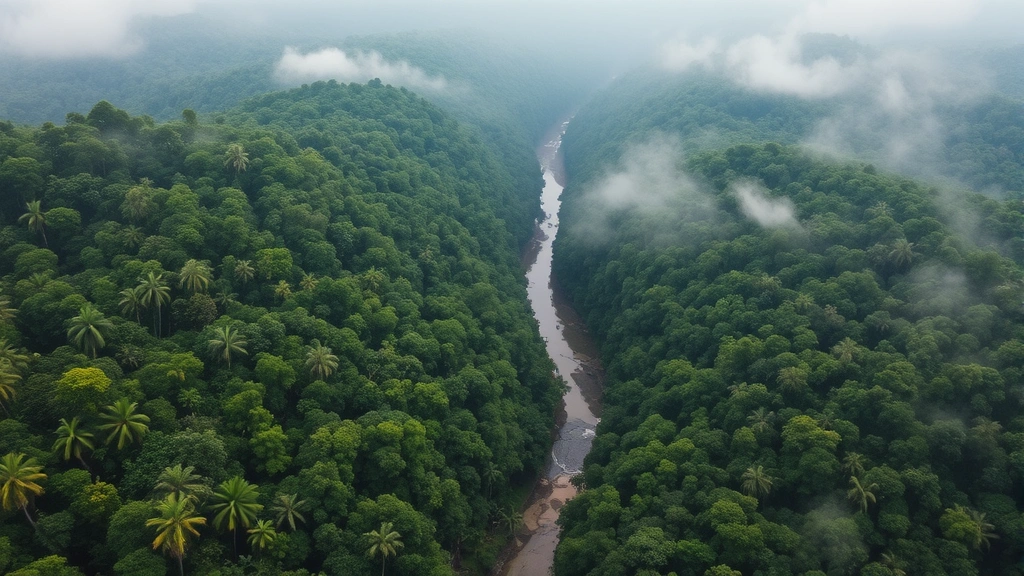
When ecosystems degrade, the economic value of these services diminishes rapidly. Tropical rainforest destruction, for instance, eliminates carbon sequestration capacity worth thousands of dollars per hectare annually. Human-environment interactions demonstrate that economic activity often externalize ecological costs, shifting them onto future generations and vulnerable populations.
The challenge of economic valuation lies in translating ecosystem services into monetary terms that influence corporate and governmental decision-making. Recent methodological advances in ecological economics enable researchers to quantify services like pollinator productivity, water purification capacity, and storm surge protection. When these values are incorporated into cost-benefit analyses, projects with apparent economic benefits often reveal significant net losses once environmental externalities are accounted for.
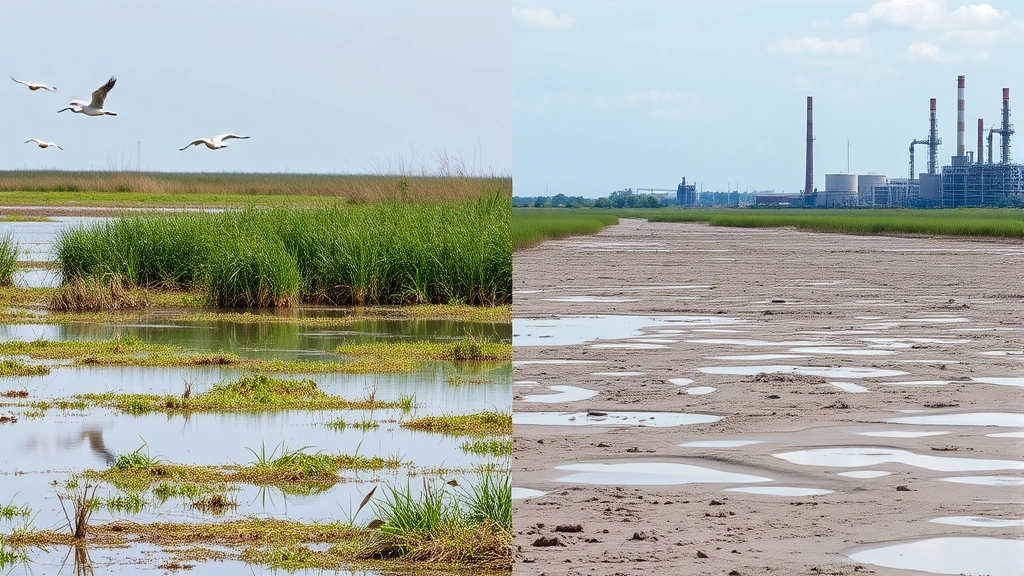
Wetland systems exemplify this valuation challenge. A single hectare of wetland provides approximately $6,000 annually in water purification services, yet conversion to agriculture or urban development generates one-time revenues of $15,000-$30,000. Without accounting mechanisms that internalize long-term ecosystem services, rational economic actors choose short-term conversion despite massive long-term losses.
Agricultural Productivity and Food Security
Agriculture remains the world’s largest employer and a fundamental economic sector supporting 1.3 billion people directly. Ecosystem health determines agricultural productivity through soil formation, pollination services, pest regulation, and water availability. Approximately 75 percent of global food crops depend partially or entirely on animal pollination, representing economic value exceeding $15 billion annually in the United States alone.
Soil degradation illustrates the economic consequences of ecosystem damage with particular clarity. The World Bank estimates that soil degradation costs the global economy $400 billion annually through reduced productivity, while also undermining the carbon storage capacity of agricultural lands. Industrial farming practices that maximize short-term yields often deplete soil organic matter, reduce microbial diversity, and increase vulnerability to drought and flooding.
Pollinator population collapse presents another critical vulnerability. Honeybee colony disorder, driven by pesticide exposure, habitat loss, and disease, threatens $15-$20 billion in annual crop value. The economic ripple effects extend beyond crop losses to include increased input costs (commercial pollination services), reduced nutritional diversity in diets, and price volatility that destabilizes rural communities. Organic food production systems demonstrate that alternative agricultural models can maintain productivity while preserving ecosystem services, though transition periods require substantial investment and policy support.
Climate variability amplified by ecosystem degradation introduces additional economic uncertainty. Deforestation and wetland destruction reduce landscape water retention capacity, intensifying both drought and flooding impacts on agricultural regions. Insurance costs rise, crop yields become more unpredictable, and investment in agricultural infrastructure faces higher risk premiums.
Water Resources and Industrial Operations
Water availability constraints represent one of the most direct pathways through which ecosystem degradation impacts economic systems. Approximately 2 billion people currently live in water-stressed regions, and this number is projected to reach 3.9 billion by 2050. Manufacturing, energy production, agriculture, and service industries all depend on reliable freshwater supplies, yet ecosystem degradation—including wetland destruction, aquifer depletion, and forest loss—reduces water availability and quality.
Hydroelectric power generation, which supplies 16 percent of global electricity, faces particular vulnerability. Reduced precipitation and altered snowmelt patterns driven by ecosystem degradation and climate change directly diminish generating capacity. Costa Rica, which generates 99 percent of its electricity from renewable sources, experienced significant economic disruptions during drought periods caused by deforestation in watershed regions. The economic value of forest ecosystem services for water regulation far exceeds timber harvesting value—yet without carbon markets or payment mechanisms for ecosystem services, economic incentives favor deforestation.
Industrial water scarcity creates supply chain vulnerabilities that extend far beyond direct water users. Semiconductor manufacturing, textile production, and food processing all require substantial water inputs. When water becomes scarce or contaminated due to ecosystem degradation, production costs rise, facilities relocate, and regional economies suffer employment losses. Reducing environmental impact across supply chains increasingly requires investments in watershed protection and ecosystem restoration.
Water quality degradation imposes additional economic costs through treatment requirements, health impacts, and ecosystem service loss. Agricultural runoff, industrial discharge, and urban pollution transform freshwater ecosystems into sources of economic liability rather than asset. The economic cost of water pollution in developing countries alone exceeds $260 billion annually in lost productivity and health expenses.
Climate Regulation and Financial Risk
Ecosystem services related to climate regulation have become central to financial risk assessment and investment decision-making. Forests, wetlands, grasslands, and ocean ecosystems sequester carbon, regulating atmospheric composition and temperature. When these systems are destroyed or degraded, carbon storage capacity is lost and stored carbon is released, accelerating climate change and increasing climate-related economic shocks.
The financial sector now recognizes climate risk as a systemic threat to asset values and economic stability. The Bank for International Settlements, the central bank for central banks, has warned that climate-related financial risks could trigger the next systemic financial crisis. Physical risks—including property damage from extreme weather, infrastructure disruption, and agricultural losses—are compounded by transition risks as economies shift away from carbon-intensive activities.
Ecosystem restoration and protection function as climate adaptation infrastructure with substantial economic returns. Mangrove restoration, for instance, provides storm surge protection worth $65,000 per hectare while sequestering carbon and supporting fisheries. Yet these services are externalized in standard economic accounting, making protection appear economically irrational compared to conversion.
Insurance markets provide quantitative evidence of climate-ecosystem-economy linkages. Catastrophe bonds and parametric insurance products now price in ecosystem degradation as a risk factor. Coastal regions experiencing wetland loss face higher insurance premiums, lower property values, and reduced investment—creating a vicious cycle of economic decline.
Biodiversity Loss and Supply Chain Vulnerabilities
Biodiversity underpins economic resilience through genetic diversity, functional redundancy, and ecosystem stability. When species diversity declines, ecosystems become more fragile, less productive, and more vulnerable to disturbances. This translates directly into economic vulnerability through supply chain disruptions, reduced productivity, and increased uncertainty.
The pharmaceutical industry exemplifies biodiversity-economy linkages. Approximately 25 percent of pharmaceutical drugs derive active compounds from plants, yet only 5,000 of 400,000 plant species have been screened for medicinal properties. Tropical forest destruction eliminates potential drug sources worth billions in future medical value. The economic loss extends beyond pharmaceutical applications to agricultural genetic diversity, industrial biotechnology, and biosecurity.
Crop genetic diversity directly impacts food security and agricultural economics. Industrial agriculture has replaced thousands of traditional crop varieties with a handful of high-yield monocultures. This genetic narrowing increases vulnerability to pests, diseases, and climate variability. The Irish Potato Famine provides a historical example of how genetic homogeneity transforms agricultural systems into economic catastrophes.
Pollinator diversity demonstrates biodiversity-economy connections with measurable precision. While honeybees receive attention, wild pollinator diversity—including bumblebees, solitary bees, butterflies, and beetles—provides essential pollination services. Studies demonstrate that agricultural systems with high pollinator diversity experience more stable yields, lower crop failures, and reduced input costs compared to systems dependent on single pollinator species.
Labor Markets and Environmental Degradation
Environmental degradation creates what might be termed hostile work environment conditions at regional and sectoral levels, though this phrase extends beyond traditional workplace safety definitions. When ecosystems degrade, labor productivity declines through multiple mechanisms: heat stress reduces worker output, air pollution causes health problems, water scarcity constrains operations, and climate variability increases workplace hazards.
Agricultural labor provides the clearest example. Heat stress from climate change and ecosystem degradation reduces agricultural worker productivity by 5-10 percent, with projections reaching 20 percent by 2050 in tropical regions. Outdoor workers in construction, mining, and agriculture face increasing occupational health risks. The economic consequences include reduced output, higher healthcare costs, and labor market transitions that destabilize rural communities.
Air pollution from ecosystem degradation and industrial activity costs the global economy approximately $5 trillion annually in health impacts, lost productivity, and premature mortality. Workers in polluted regions experience higher absenteeism, reduced cognitive function, and shortened working lives. The economic burden falls disproportionately on low-income workers and developing economies with fewer environmental protections.
Water scarcity creates labor market disruptions by constraining industrial operations and agricultural employment. When water becomes unavailable, manufacturing facilities close, agricultural seasons shorten, and workers face unemployment. Regional economic collapse follows, requiring massive social support expenditures and creating political instability.
Education about natural systems increasingly recognizes that environmental literacy directly supports economic resilience by enabling workers to understand and adapt to ecosystem changes.
Investment Implications and Future Economics
Contemporary investment analysis increasingly incorporates ecosystem health metrics into valuation models. Environmental, Social, and Governance (ESG) investing has grown to encompass $35 trillion in assets under management, reflecting recognition that ecosystem degradation represents a material financial risk. Companies with poor environmental performance face higher cost of capital, lower valuations, and restricted access to investment.
The transition to ecosystem-aware economics requires fundamental shifts in how we measure economic value. Traditional GDP accounting treats ecosystem destruction as income rather than capital depletion. If ecosystem services were properly valued and depreciation measured, global GDP growth would appear substantially lower and environmental degradation would register as economic loss rather than gain.
Natural capital accounting frameworks, endorsed by the World Bank and national governments, aim to correct this measurement failure. Countries including Costa Rica, India, and Botswana have implemented natural capital accounting that reveals true economic performance once ecosystem services are valued. Results consistently show that GDP growth achieved through ecosystem destruction represents economic decline once true asset depletion is measured.
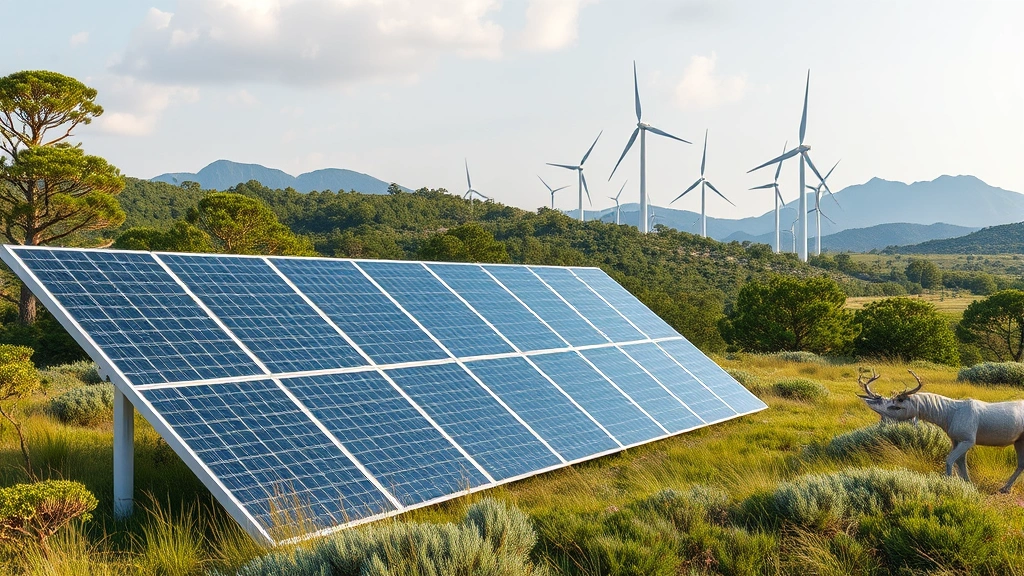
Renewable energy systems demonstrate that economic prosperity can decouple from ecosystem degradation. Renewable energy deployment has created more jobs per dollar invested than fossil fuels while reducing ecological impact. Similar decoupling is possible across agriculture, forestry, fisheries, and manufacturing with appropriate policy frameworks and investment incentives.
Research from ecological economics journals increasingly demonstrates that ecosystem protection and restoration generate higher long-term economic returns than extraction and degradation. Restoration of degraded ecosystems produces employment, carbon sequestration value, water purification benefits, and enhanced productivity that exceed the short-term gains from extraction. The challenge lies in aligning time horizons and incentive structures so that economic actors capture long-term benefits rather than externalize long-term costs.
FAQ
How much is ecosystem degradation costing the global economy?
The World Economic Forum estimates that ecosystem degradation and biodiversity loss cost the global economy $125 trillion in ecosystem services loss over the next 50 years if current trends continue. Annual costs from soil degradation, water scarcity, pollinator decline, and climate impacts already exceed $5 trillion globally, though much of this cost is externalized rather than reflected in market prices.
Which ecosystems have the greatest economic value?
Tropical forests, wetlands, coral reefs, and mangrove systems provide the highest economic value per hectare through carbon sequestration, water purification, fishery support, and storm protection. A single hectare of mangrove ecosystem provides approximately $65,000 in economic value annually through multiple services. However, all ecosystems provide essential services—even grasslands and temperate forests deliver substantial economic value through carbon storage, water regulation, and pollination support.
Can economic growth continue while protecting ecosystems?
Yes, but economic growth must be redefined to measure genuine prosperity rather than resource extraction. Decoupling economic activity from ecosystem degradation is technically feasible and economically advantageous. Renewable energy, regenerative agriculture, circular economy models, and ecosystem restoration create employment and economic value while enhancing rather than diminishing natural capital. The challenge is implementing policy frameworks that align economic incentives with ecological sustainability.
How do I incorporate ecosystem considerations into investment decisions?
Assess companies and investments using natural capital accounting frameworks that value ecosystem services. Evaluate supply chain vulnerability to water scarcity, climate variability, and biodiversity loss. Consider long-term asset stranding risks from climate regulation and pollution costs. Review corporate environmental management, restoration investments, and supply chain transparency. ESG ratings provide frameworks, though independent analysis of ecosystem-specific impacts is essential for comprehensive risk assessment.
What policy changes would align economic incentives with ecosystem protection?
Effective policies include carbon pricing that internalizes climate costs, payment for ecosystem services that compensate protection and restoration, natural capital accounting that measures true economic performance, environmental liability frameworks that hold companies responsible for ecosystem damage, and supply chain transparency requirements that expose environmental risks. Subsidy reform removing perverse incentives for degradation represents another critical policy lever.


