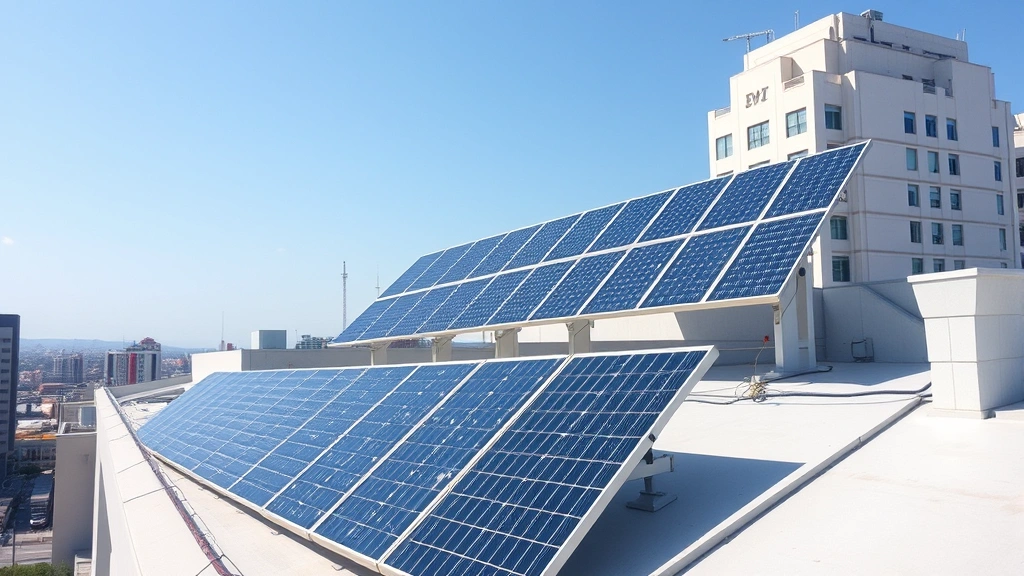
Are Green Investments Profitable? Economist Insights
The question of whether green investments generate returns comparable to traditional investments has evolved from academic curiosity to urgent market reality. As environmental degradation accelerates and climate policies tighten globally, institutional investors, governments, and corporations face a critical decision: can sustainable investments deliver both environmental and financial benefits? The evidence increasingly suggests they can, though the relationship between profitability and environmental protection remains nuanced and context-dependent.
Green investments—encompassing renewable energy, sustainable agriculture, ecosystem restoration, and clean technology—represent one of the fastest-growing sectors in global finance. According to recent data from the Global Sustainable Investment Alliance, sustainable investments reached $35.3 trillion in 2020, demonstrating substantial capital allocation toward environmental solutions. Yet skepticism persists among traditional economists who question whether these investments can match historical returns without subsidies or regulatory mandates. This comprehensive analysis examines the economic evidence, explores the mechanisms driving profitability, and addresses the critical relationship between environmental outcomes and financial performance.

The Economic Case for Green Investments
Mainstream economic theory has traditionally excluded environmental costs from investment calculations, treating natural resources as infinite and externalities as negligible. This framework fundamentally misrepresents the true profitability of green versus conventional investments. When economists integrate environmental accounting—measuring ecosystem services, resource depletion, and pollution damages—the financial picture shifts dramatically.
The World Bank estimates that natural capital depreciation costs developing nations approximately 4-5% of GDP annually. This staggering figure represents genuine wealth loss that conventional accounting ignores. Green investments address this by either restoring degraded ecosystems or preventing further deterioration, thereby protecting the natural capital base upon which all economic activity depends. Consider human environment interaction through the lens of economic productivity: healthy ecosystems generate pharmaceutical compounds, pollination services, water purification, and climate regulation worth trillions annually. Investments protecting these functions deliver returns that extend far beyond traditional financial metrics.
Renewable energy exemplifies this principle. Solar and wind installations now generate electricity at costs competitive with fossil fuels in most markets, without accounting for avoided healthcare costs from reduced air pollution. The International Energy Agency reports that air pollution from fossil fuel combustion costs the global economy $4 trillion annually in health damages and lost productivity. Green energy investments eliminate these costs while generating power, creating a compounding financial advantage invisible in conventional analysis.
Furthermore, technological learning curves demonstrate that green technologies improve profitability over time. Solar photovoltaic costs have declined 89% since 2010, while battery storage costs fell 87% in the same period. This trajectory—driven by manufacturing scale, innovation, and competition—suggests that current-generation green investments will become increasingly profitable as complementary technologies mature. An investor purchasing solar panels today benefits not only from immediate generation but from participating in an improving technological ecosystem.

Risk-Adjusted Returns and Market Performance
When evaluating investment profitability, financial analysts distinguish between absolute returns and risk-adjusted returns. Green investments increasingly demonstrate superiority on both dimensions. Environmental, Social, and Governance (ESG) funds have outperformed conventional indices over rolling 5-year and 10-year periods in multiple markets, according to MSCI research. This performance reflects several mechanisms:
- Regulatory Risk Mitigation: Companies with poor environmental records face escalating compliance costs, carbon taxes, and operational restrictions. Green-focused enterprises avoid these expenses entirely.
- Stranded Asset Risk: Traditional fossil fuel investments face potential write-downs as climate policies accelerate. Green investments benefit from supportive policy trajectories.
- Resource Security: Renewable energy insulates investors from commodity price volatility and geopolitical supply disruptions affecting oil and gas markets.
- Consumer Preference Shifts: Millennial and Gen-Z consumers increasingly favor sustainable products, creating competitive advantages for green-aligned companies.
Volatility analysis reveals that green investment portfolios often exhibit lower standard deviations than conventional alternatives, indicating more stable returns. This risk reduction stems from diversification across multiple renewable technologies and geographies, coupled with long-term power purchase agreements that guarantee revenue streams. A utility-scale solar installation with a 25-year fixed-price contract provides predictable cash flows superior to stock market investments exposed to cyclical economic conditions.
The United Nations Environment Programme documents that environmental investments generate 4-6 jobs per million dollars invested, compared to 2-3 jobs in conventional energy sectors. This employment multiplier effect creates additional economic value through consumer spending, tax revenue, and community development. For regions transitioning away from extractive industries, green investments offer economic diversification and long-term stability.
Hidden Costs and Externalities
Accurate profitability assessment requires understanding the true costs of both green and conventional investments. Traditional energy infrastructure imposes massive externalized costs—healthcare expenses from air pollution, climate change damages, ecosystem destruction—that never appear on corporate balance sheets. Environmental economics research quantifies these hidden costs, revealing that conventional investments are artificially profitable only because society subsidizes their environmental damage.
Consider coal-fired electricity generation: mining operations destroy landscapes, acid mine drainage contaminates water supplies for decades, and combustion products cause respiratory disease affecting millions. The U.S. National Academy of Sciences estimated that fossil fuel combustion’s hidden health costs reach $120 billion annually in America alone. These expenses represent genuine economic losses borne by taxpayers and patients rather than energy producers. Green investments eliminate these hidden costs while generating comparable electricity, creating net economic gains.
However, green investments possess their own externalities requiring honest assessment. Mining lithium and cobalt for battery storage creates environmental damage and labor concerns. Manufacturing solar panels requires energy-intensive silicon processing. Large hydroelectric facilities displace communities and alter ecosystems. Sophisticated green investment analysis must account for lifecycle impacts, not merely operational characteristics. The most profitable green investments are those that minimize environmental harm across their entire production and disposal cycles.
This reality connects directly to understanding biotic environment examples and their economic value. Forests, wetlands, coral reefs, and grasslands provide ecosystem services—carbon sequestration, water filtration, biodiversity habitat—worth far more than the immediate extraction value. Green investments that preserve these systems generate ongoing returns through ecosystem service provision, while extractive activities provide short-term profits followed by long-term economic losses as ecosystem functions deteriorate.
Sectoral Analysis: Which Green Investments Pay Off
Profitability varies substantially across green investment categories. Distinguishing between genuinely profitable opportunities and subsidy-dependent ventures requires rigorous sectoral analysis.
Renewable Energy Generation: Solar and wind now compete directly with fossil fuels on cost basis without subsidies in most developed markets. Grid parity has been achieved in over 150 countries, with renewable electricity costs declining below conventional generation in many regions. Large-scale solar farms generate 5-8% annual returns with minimal operational costs and 25-30 year operational lifespans. Wind installations in favorable locations produce similar returns. These investments have graduated from subsidy-dependent to genuinely profitable.
Energy Efficiency Retrofits: Building improvements—insulation, HVAC upgrades, LED lighting—generate returns through operational cost savings. Payback periods typically range from 3-7 years, after which buildings operate at reduced cost for decades. Commercial real estate values increase with energy efficiency certifications, providing capital appreciation alongside operational savings. This sector demonstrates robust profitability without policy support.
Sustainable Agriculture: Regenerative farming practices—cover cropping, reduced tillage, rotational grazing—reduce input costs while improving soil health and crop resilience. Farmers adopting these methods report 15-25% cost reductions over 5-year periods, coupled with premium pricing for certified sustainable products. The relationship between reducing carbon footprint and agricultural profitability demonstrates that environmental stewardship and financial performance align in this sector.
Ecosystem Restoration: Wetland restoration, forest regeneration, and coral reef protection generate returns through ecosystem services, carbon credits, and tourism revenue. A restored mangrove forest sequesters carbon worth $5,000-10,000 per hectare over 30 years while providing fishery habitat, storm protection, and biodiversity value. These investments require longer time horizons but deliver substantial cumulative returns.
Clean Technology Innovation: Companies developing advanced battery systems, green hydrogen production, carbon capture, and sustainable materials face higher risk but offer substantial upside potential. Early-stage investments in these sectors resemble venture capital opportunities—high failure rates offset by exceptional returns when technologies achieve market adoption.
Less profitable green investments include those dependent on continuous subsidies, such as certain biofuel production methods that require permanent price supports. Distinguishing between genuinely profitable green investments and subsidy-dependent projects requires careful analysis of underlying economics independent of policy support.
Policy Frameworks and Market Incentives
Green investment profitability operates within policy environments that create market incentives. Carbon pricing, renewable energy mandates, and environmental regulations alter the economic landscape, making green investments more competitive. This relationship raises important questions about genuine profitability versus policy-driven returns.
Carbon pricing mechanisms—whether taxes or cap-and-trade systems—internalize environmental costs by assigning monetary value to emissions. When implemented effectively, carbon pricing makes green investments profitable relative to high-emission alternatives. The European Union’s Emissions Trading System, pricing carbon at €50-80 per ton, dramatically improves renewable energy economics. However, this represents correcting market failures rather than artificial subsidy. By pricing environmental costs accurately, policy enables genuine profitability comparison.
Renewable energy mandates requiring utilities to source specified percentages from clean sources create demand for green investments. While these policies involve regulatory intervention, they address market failures in environmental accounting. Without such policies, fossil fuels appear cheaper because they externalize environmental costs. Mandates force accurate cost accounting, making green investments competitive. This parallels food safety regulations that increase production costs but prevent hidden health damages.
Tax incentives for green investments—investment tax credits, accelerated depreciation, production tax credits—represent more direct subsidies. These policies improve returns for green investments but also correct for underpricing of environmental damage. The question becomes whether policy support is temporary (allowing new industries to achieve scale before subsidy removal) or permanent (indicating underlying uncompetitive economics). Most successful green technologies follow the former pattern: subsidies decrease as industries mature and achieve cost competitiveness.
World Bank analysis demonstrates that removing fossil fuel subsidies while implementing carbon pricing would dramatically improve green investment profitability without additional support. Global fossil fuel subsidies total approximately $7 trillion annually when environmental costs are included. Redirecting even a fraction of these resources toward green investments would accelerate the transition while improving financial returns.
The relationship between renewable energy for homes and policy incentives illustrates this principle: residential solar installations have become profitable in most developed markets due to declining technology costs and appropriate policy support, but remain unaffordable in regions lacking supportive frameworks. This variation reflects policy’s role in enabling profitable investment rather than creating artificial opportunities.
Long-Term Value Creation
Evaluating green investment profitability requires extending time horizons beyond conventional financial analysis. Environmental investments generate returns across decades, while many financial analyses focus on 3-5 year periods. This temporal mismatch explains apparent underperformance of green investments when analyzed using short-term metrics.
Climate change represents the ultimate long-term risk to financial returns. Investments exposed to climate impacts—agriculture, real estate, insurance, coastal development—face deteriorating value as climate disruption accelerates. Green investments addressing climate change simultaneously protect existing investments and generate returns through environmental improvement. An investor purchasing renewable energy installations today protects their real estate portfolio from climate damages while generating electricity revenue. This compounding benefit justifies accepting lower short-term returns.
Intergenerational equity considerations add another dimension to green investment profitability. Conventional investments may generate high returns while depleting natural capital, leaving future generations with degraded environments and higher costs for environmental restoration. Green investments sacrifice some immediate returns to preserve natural capital, improving long-term societal profitability. This reflects the difference between financial returns and genuine economic returns—the latter accounting for environmental sustainability.
The concept of circular economy principles embedded in green investments creates additional long-term value. Recycling infrastructure, waste-to-energy facilities, and material recovery systems generate returns while reducing resource extraction costs and environmental damage. As virgin resource scarcity increases, circular economy investments appreciate in value while conventional linear economy models face rising input costs.
Ecological economics research, published in journals like Ecological Economics and Environmental Science & Policy, demonstrates that environmental investments generate multiplier effects through ecosystem recovery. Restored wetlands filter water, reducing treatment costs for downstream communities. Reforested areas sequester carbon, generate timber, and attract tourism. These cascading benefits create value streams extending far beyond initial investment calculations.
Green investments also generate real option value—the value of maintaining flexibility for future adaptation. Investing in renewable energy infrastructure preserves options for future energy policy changes, while fossil fuel infrastructure becomes stranded as climate policies tighten. This optionality is worth substantial premiums in uncertain environments, yet rarely appears in standard financial analysis.
FAQ
Do green investments match conventional investment returns?
In most developed markets, green investments now match or exceed conventional returns when properly accounting for risk-adjusted performance and avoided costs. Solar and wind generation compete directly with fossil fuels on cost basis. Energy efficiency investments generate returns through operational savings. Performance varies by sector and geography, requiring careful analysis of specific opportunities rather than blanket comparisons.
Are green investments subsidized?
Many green investments receive policy support, but fossil fuels receive substantially larger subsidies when environmental costs are included. The question is not whether green investments receive support, but whether support levels reflect genuine profitability or represent permanent subsidy dependence. Most mature green technologies—solar, wind, efficiency—have achieved cost competitiveness independent of subsidies.
What are the main risks in green investments?
Green investments face technology obsolescence risk (newer technologies replacing current ones), policy risk (changing political support), and operational risks common to infrastructure investments. However, these risks often appear lower than conventional investments when accounting for stranded asset risk, regulatory risk, and resource scarcity risk affecting traditional sectors.
How do environmental benefits relate to financial returns?
Environmental benefits and financial returns increasingly align rather than conflict. Investments protecting ecosystems generate ecosystem service value, carbon credits, and avoided environmental damage costs. The historical separation between environmental protection and financial profit reflected incomplete cost accounting rather than genuine economic trade-offs.
Which green investments offer highest profitability?
Mature technologies with established markets—renewable energy, energy efficiency, sustainable agriculture—offer more predictable returns than emerging technologies. However, emerging sectors like advanced batteries, green hydrogen, and carbon capture offer higher potential returns for investors accepting greater risk. Diversification across maturity levels optimizes risk-adjusted portfolio returns.
Do green investments create jobs?
Green investments generate substantially more employment per dollar invested than conventional energy or resource extraction. Renewable energy, efficiency retrofits, and ecosystem restoration are labor-intensive sectors creating local jobs. This employment multiplier effect represents genuine economic value beyond direct investment returns.


