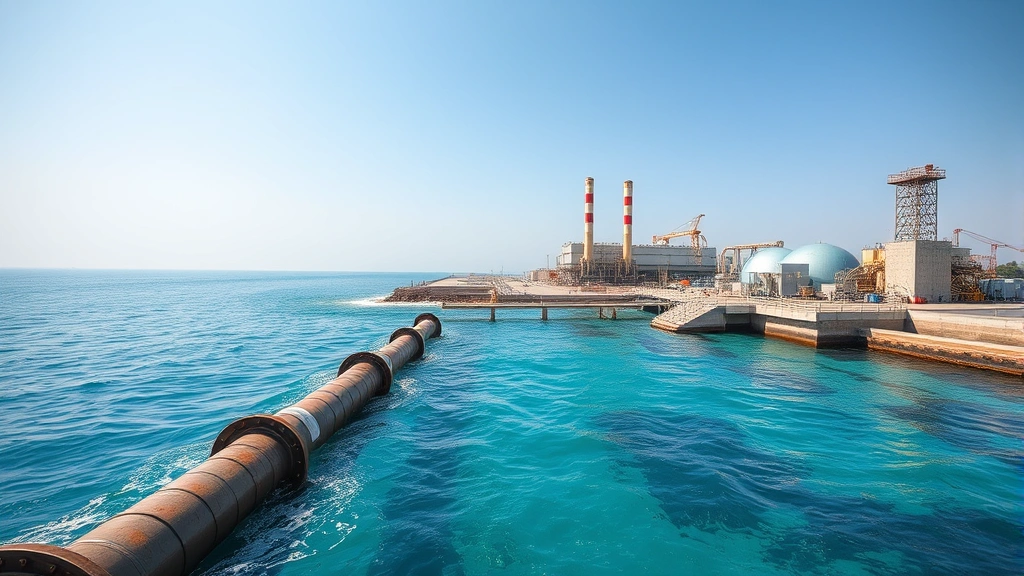
Desalination Impacts: What Science Reveals About Environmental Consequences
Desalination technology represents one of the most promising solutions to global freshwater scarcity, producing over 141 million cubic meters of drinking water daily across more than 18,000 facilities worldwide. As climate change intensifies droughts and populations concentrate in arid regions, the demand for desalination continues to accelerate exponentially. However, the claim that desalination has no known negative environmental impacts contradicts extensive scientific evidence accumulated over decades of research. This comprehensive analysis examines the documented ecological, chemical, and economic consequences of desalination operations, revealing a complex reality that demands nuanced policy responses.
Understanding desalination’s true environmental footprint requires examining multiple dimensions: energy consumption, brine discharge, chemical additives, marine ecosystem disruption, and cumulative regional impacts. While desalination provides critical freshwater access in water-stressed regions, the technology simultaneously generates significant environmental externalities that warrant serious consideration in long-term sustainability planning.
Energy Consumption and Carbon Emissions
Desalination remains one of the most energy-intensive water treatment processes available. Reverse osmosis facilities typically consume 3-6 kilowatt-hours of electricity per cubic meter of freshwater produced, while thermal desalination methods demand even greater energy inputs—up to 12-15 kWh/m³. This substantial energy requirement directly translates to greenhouse gas emissions, particularly in regions relying on fossil fuel-based electricity grids.
According to research published by the World Bank, desalination operations account for approximately 0.5% of global electricity consumption, a figure projected to double by 2050 without significant technological advancement. In the Middle East and North Africa, where desalination capacity concentrates most heavily, the sector consumes roughly 5-10% of regional electricity production. A single large-scale desalination plant operating continuously can emit between 1,000 and 2,500 metric tons of carbon dioxide annually, equivalent to removing 200-500 vehicles from roads yearly.
The carbon footprint intensifies when considering the full lifecycle: infrastructure construction, chemical manufacturing, transportation, and facility decommissioning. Renewable energy integration offers partial mitigation, yet remains economically challenging for many developing nations where water stress proves most acute. The United Nations Environment Programme identifies desalination’s energy demands as a critical barrier to climate-aligned water security strategies.
Brine Discharge and Salinity Impacts
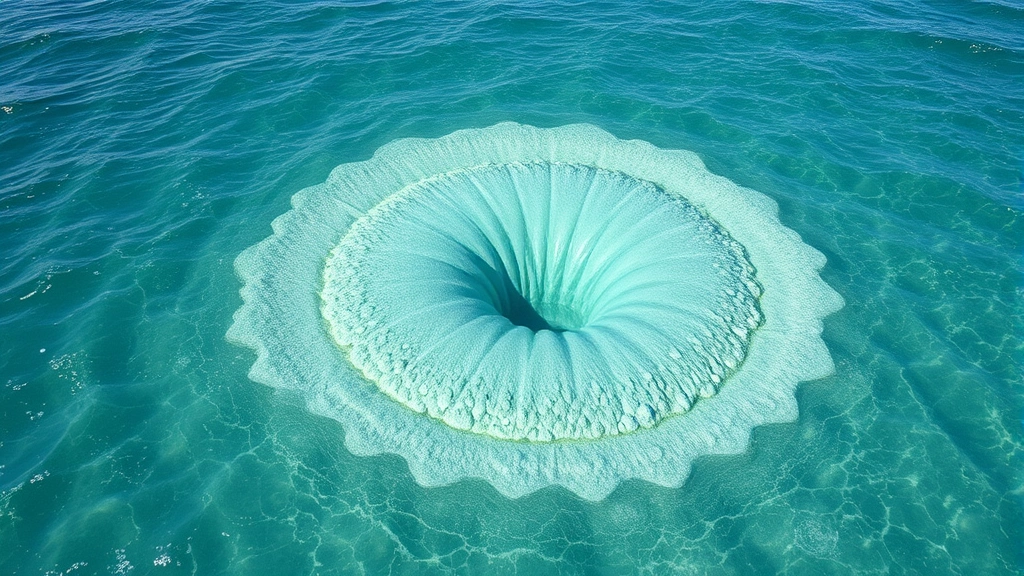
Desalination generates substantial quantities of concentrated brine—a hypersaline byproduct containing two to three times the salinity of seawater. A typical reverse osmosis facility producing one million cubic meters of freshwater annually discharges approximately 1.5 million cubic meters of brine containing dissolved minerals, chemical residues, and elevated temperature. This concentrated discharge fundamentally alters coastal marine environments.
When brine enters nearshore ecosystems, it creates density gradients and osmotic stress that disrupt marine organisms across multiple trophic levels. Benthic communities experience immediate mortality from exposure to hypersaline conditions. Fish larvae and planktonic organisms suffer reduced survival rates, impaired development, and behavioral changes. Research documented in ecological economics journals demonstrates that brine plumes can extend several kilometers from discharge points, creating persistent stress zones where biodiversity declines measurably.
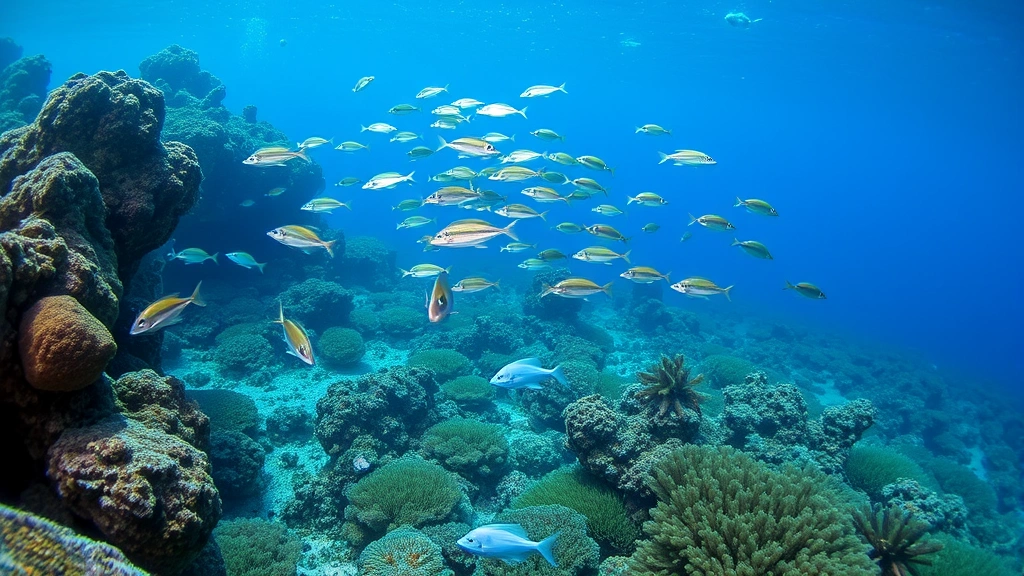
The mineral composition of brine discharge varies by source water and treatment processes, often including calcium, magnesium, potassium, and trace metals. These concentrated minerals accumulate in sediments, altering geochemical cycling and reducing habitat suitability for sensitive species. Coral reef ecosystems prove particularly vulnerable; studies from the Arabian Gulf region show significant coral bleaching and mortality correlating with proximity to desalination discharge points. The Mediterranean and Red Sea regions face similar documented impacts on endemic species and protected habitats.
Temperature elevation compounds chemical impacts. Desalination facilities typically discharge brine 2-4°C warmer than ambient seawater, creating thermal anomalies that stress thermally sensitive organisms and disrupt reproduction cycles in fish populations. Combined with elevated salinity, these thermal gradients establish barriers to larval dispersal and gene flow, fragmenting marine populations across regions.
Chemical Additives and Water Quality
Desalination processes require multiple chemical inputs that introduce contaminants into treated water and brine discharge. Coagulants (aluminum sulfate, ferric chloride), antiscalants (phosphonates, polymers), and disinfectants (chlorine, sodium hypochlorite) accumulate in operational systems and inevitably contaminate output streams. Antiscalants deserve particular attention: these organic polymers inhibit mineral precipitation in reverse osmosis membranes, yet persist in brine and resist conventional wastewater treatment.
The treated freshwater itself contains chemical residues that differ from naturally-occurring freshwater composition. Desalinated water lacks naturally dissolved minerals essential for human health and aquatic ecosystem function. When desalinated water enters rivers or groundwater systems, it alters ionic strength, pH buffering capacity, and nutrient availability. Plants and aquatic organisms adapted to specific mineral compositions experience physiological stress from osmotic imbalances.
Chlorination byproducts present additional concerns. When desalination facilities treat seawater containing organic matter, chlorine disinfection generates trihalomethanes and haloacetic acids—regulated carcinogenic compounds. These accumulate in brine discharge, potentially bioaccumulating in marine food webs. Research examining human environment interaction examples demonstrates how chemical additives from industrial processes permeate ecosystems across spatial scales.
Membrane fouling prevention requires regular chemical cleaning cycles, generating waste streams containing phosphoric acid, sodium hydroxide, and oxidizing agents. These concentrated chemical solutions demand specialized disposal or treatment, yet many facilities in developing regions lack adequate infrastructure. Consequently, cleaning waste contaminates receiving waters, compounding the chemical pollution burden already imposed by brine discharge.
Marine Ecosystem Disruption
Desalination intake systems create direct biological impacts through organism entrainment and impingement. Coastal intake pipes draw seawater containing fish eggs, larvae, plankton, and small organisms at rates exceeding 10,000-50,000 cubic meters daily for large facilities. Most organisms cannot survive passage through intake screens, pumps, and treatment processes. This represents direct mortality equivalent to removing millions of individual organisms from marine food webs annually at each facility.
Larval fish populations prove particularly vulnerable. A single desalination plant may eliminate 50-90% of fish larvae in its immediate intake zone, with documented impacts extending 5-15 kilometers downcurrent. When multiple facilities operate in proximity—as occurs in the Persian Gulf, Mediterranean, and Australian coasts—cumulative larval mortality can suppress fish recruitment across entire regions, destabilizing commercial fisheries and reducing ecosystem resilience.
The definition of environment science encompasses these interconnected biological and physical processes. Desalination disrupts energy transfer through marine food webs by removing zooplankton and larval fish that form critical links between primary producers and higher predators. Seabirds, marine mammals, and commercial fish populations experience reduced food availability, cascading through multiple trophic levels.
Habitat modification compounds these effects. Brine plumes create persistent benthic disturbance zones where sediment salinity remains elevated indefinitely. Seagrass beds, kelp forests, and coral ecosystems adjacent to discharge points experience chronic stress, reduced productivity, and simplified community structure. These habitat changes reduce ecosystem services including carbon sequestration, nutrient cycling, and biodiversity support—functions essential for ocean health and human wellbeing.
Cumulative Regional Effects
Individual desalination facilities generate measurable environmental impacts; multiple facilities operating regionally create cumulative effects exceeding simple additive impacts. The Middle East and North Africa region, home to 40% of global desalination capacity, demonstrates these cumulative consequences. In the United Arab Emirates alone, 45 major desalination facilities discharge approximately 25 million cubic meters of brine daily into the Persian Gulf—equivalent to the freshwater volume of small rivers.
Cumulative brine discharge fundamentally alters regional marine chemistry. Salinity gradients expand across broader areas, affecting larger organism populations. The Persian Gulf’s already-elevated baseline salinity increases further, creating conditions increasingly hostile to marine life. Fish populations show documented declines in abundance and diversity; commercial catches have declined 30-50% in regions of intensive desalination development over the past two decades.
Cumulative water intake creates regional-scale hydrodynamic changes. Multiple facilities withdrawing seawater simultaneously alter coastal circulation patterns, reducing water exchange with open ocean and concentrating pollutants in nearshore zones. This hydrodynamic modification amplifies chemical contamination and reduces natural flushing that might otherwise mitigate pollution impacts. Research examining environment and society interactions reveals how infrastructure density determines whether environmental impacts remain localized or achieve regional significance.
The cumulative energy demand of regional desalination infrastructure strains electrical grids and intensifies fossil fuel dependence. The Middle East generates approximately 80% of desalination facility electricity from oil and natural gas combustion, directly linking water production to carbon emissions and climate change acceleration. This creates a perverse feedback loop: climate change intensifies water scarcity, driving desalination expansion, which accelerates climate change through increased emissions.
Economic-Ecological Tradeoffs
Desalination exemplifies the fundamental tension between economic optimization and ecological sustainability. From a narrow economic perspective, desalination enables economic growth in water-scarce regions by removing freshwater availability constraints. Coastal cities can expand populations and industrial capacity without depleting limited groundwater reserves. This economic benefit concentrates among urban populations and industrial sectors, creating powerful political constituencies supporting desalination expansion.
However, ecological costs distribute across marine ecosystems and future generations with limited political representation. Fish populations decline, fisheries productivity decreases, and marine biodiversity diminishes—impacts falling primarily on fishing communities, subsistence users, and non-human organisms. This asymmetry in cost-benefit distribution reflects broader patterns in positive human impact on the environment discourse, where immediate human benefits justify environmental externalities.
Ecological economics provides frameworks for evaluating these tradeoffs more comprehensively. Research published in journals like Ecological Economics and Environmental Resource Economics demonstrates that when marine ecosystem services are valued—carbon sequestration, fisheries productivity, nutrient cycling, biodiversity support—desalination’s true cost often exceeds conventional economic analyses. A study quantifying Persian Gulf ecosystem service losses from desalination estimated damages at $2-5 billion annually, equivalent to 5-10% of regional water production economic value.
The temporal dimension adds complexity. Short-term economic gains from desalination create path dependencies locking regions into continued expansion, while ecological damages accumulate across decades. Once marine ecosystems degrade sufficiently, recovery becomes impossible even with desalination cessation. This irreversibility distinguishes desalination’s environmental impacts from reversible pollution sources.
Emerging Technologies and Solutions
Recognizing desalination’s environmental costs has stimulated research toward mitigation technologies. Renewable energy integration represents the most straightforward approach: solar-powered desalination facilities can reduce operational carbon emissions by 80-95%, eliminating the climate change acceleration component. Several demonstration projects in the Middle East, Australia, and California show technical feasibility, though economics remain challenging without substantial subsidies.
Brine management innovations offer secondary benefits. Forward osmosis, a pre-treatment technology, reduces intake volume by 20-30%, proportionally decreasing both intake-related mortality and brine generation. Brine concentration through evaporation ponds reduces discharge volume, though this approach increases land requirements and creates secondary contamination risks from pond overflow. Mineral recovery—extracting valuable salts, magnesium, and lithium from brine—can partially offset desalination costs while reducing environmental discharge, yet currently remains economically marginal.
Intake design modifications address marine organism impacts. Subsurface intakes positioned below the photic zone and thermal stratification layers reduce larval fish entrainment by 70-90% compared to surface intakes. Screening technologies with lower velocity gradients minimize organism damage. These engineering solutions increase capital costs by 15-25% but substantially reduce biological impacts. However, adoption remains inconsistent, particularly in developing regions prioritizing cost minimization.
Wastewater recycling and water demand reduction address root causes of desalination demand. Treating municipal wastewater to potable standards can supply 30-50% of urban water needs at lower environmental and economic cost than desalination. Types of environment management approaches emphasizing demand reduction through efficiency, pricing reform, and conservation prove consistently more effective than supply-side expansion. Yet these require governance changes and behavioral modifications resisting implementation across most regions.
Advanced research explores hybrid approaches combining desalination with other water sources. Managed aquifer recharge using treated wastewater and desalinated water creates strategic freshwater reserves while reducing continuous desalination demand. Integrated water resource management frameworks treating desalination as one tool among many—rather than the primary solution—distribute environmental impacts across multiple systems, reducing individual facility intensity.
The blog home contains additional resources examining sustainable water management approaches. Technological solutions alone prove insufficient without governance reforms, demand management, and genuine commitment to ecological sustainability over short-term economic expansion.
FAQ
Does desalination produce completely pure water?
Desalinated water contains residual dissolved minerals and chemical additives from treatment processes. Reverse osmosis typically removes 95-99% of dissolved salts but retains some minerals and chemical residues. The resulting water differs chemically from naturally-occurring freshwater, which contains dissolved minerals essential for human health and ecosystem function. Purely distilled water proves unsuitable for long-term consumption without mineral supplementation.
Can brine discharge be safely managed?
Brine discharge can be reduced through intake minimization and treatment optimization, but cannot be eliminated entirely without eliminating desalination itself. Dilution with treated wastewater or coastal currents provides temporary mitigation but doesn’t address underlying chemical and osmotic stress. Zero-liquid-discharge systems exist but require substantial additional processing, increasing costs by 30-50% and energy consumption by 40-60%.
What percentage of global freshwater comes from desalination?
Desalination currently provides approximately 1-2% of global freshwater supply, though this figure reaches 30-50% in water-stressed regions like the Middle East, North Africa, and Australia. As freshwater scarcity intensifies, desalination’s contribution will increase substantially, amplifying its cumulative environmental impacts unless mitigation technologies achieve widespread adoption.
Are there regions where desalination proves environmentally acceptable?
Desalination generates fewer relative environmental impacts in regions with large ocean discharge zones, low marine biodiversity, renewable energy availability, and strong environmental governance. However, even in optimal conditions, desalination creates measurable impacts on marine ecosystems and energy systems. The question becomes not whether impacts exist, but whether specific regional contexts justify particular scales of development.
How does desalination compare to other water supply options?
Desalination typically generates higher environmental impacts per unit water than surface water treatment, groundwater extraction from sustainable aquifers, and wastewater recycling. However, in water-scarce coastal regions lacking alternatives, desalination may prove preferable to unsustainable aquifer depletion or conflict-inducing water transfers. Comparative analysis requires context-specific evaluation rather than universal statements.


