Can Eco-Friendly Choices Boost the Economy? Study Says Yes
The relationship between environmental sustainability and economic growth has long been viewed as a trade-off—preserve nature or grow the economy, but not both. However, emerging research and real-world case studies challenge this outdated narrative. Recent studies demonstrate that being conscious about the environment doesn’t just protect ecosystems; it generates substantial economic returns through job creation, innovation, consumer spending, and operational efficiencies across multiple sectors.
This comprehensive analysis explores the economic mechanisms behind eco-friendly choices, examining peer-reviewed research, industry data, and policy frameworks that reveal how environmental stewardship and economic prosperity can advance simultaneously. The evidence suggests that the real question isn’t whether green choices boost the economy, but how quickly we can scale these solutions to maximize both environmental and financial benefits.
The Economic Case for Eco-Friendly Choices
The transition toward sustainable practices represents one of the largest economic opportunities of the 21st century. According to World Bank analyses, the green economy could generate $26 trillion in economic benefits through 2030 by reducing emissions, preventing ecosystem collapse, and improving public health outcomes. This figure encompasses direct financial gains from renewable energy deployment, sustainable agriculture, circular economy initiatives, and nature-based solutions.
Environmental economics research increasingly demonstrates that conventional cost-benefit analyses undervalue the true cost of environmental degradation. When properly accounting for ecosystem services—water purification, pollination, climate regulation, soil formation—the economic case for eco-friendly choices becomes overwhelming. A study published in Ecological Economics found that integrating environmental externalities into pricing mechanisms reveals that sustainable alternatives are often cheaper than conventional options when full costs are considered.
The concept of environment and society interdependence shows that economic systems are fundamentally embedded within ecological systems. Recognizing this relationship transforms environmental protection from a constraint on economic growth into a prerequisite for sustained prosperity. Companies and nations that acknowledge this reality position themselves for long-term competitive advantage.
Job Creation and Employment Growth
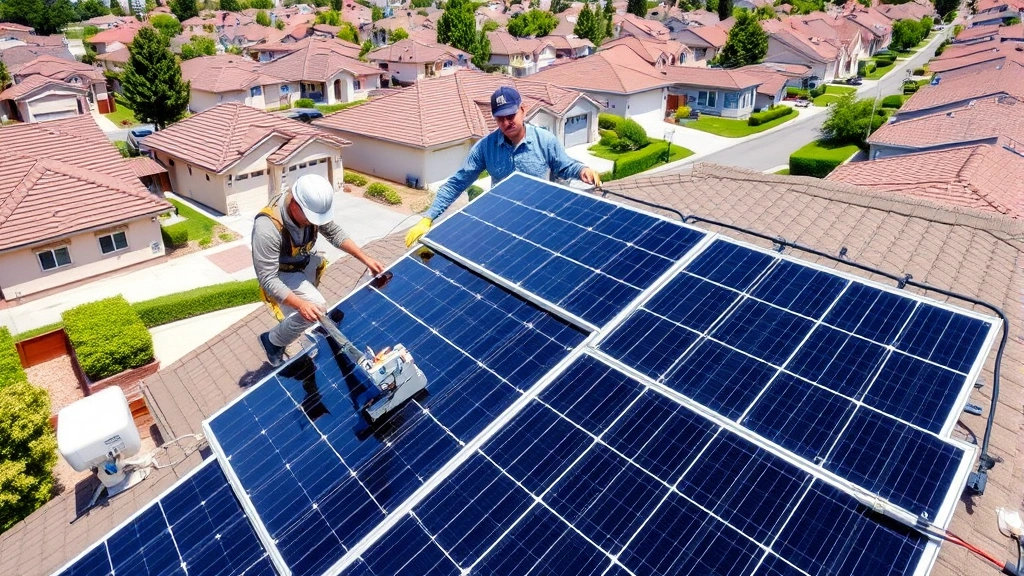
One of the most compelling economic arguments for eco-friendly choices is employment generation. The renewable energy sector alone employed over 12 million people globally in 2023, with growth rates consistently outpacing fossil fuel industries. Solar installation technicians, wind turbine engineers, sustainable agriculture specialists, and environmental consultants represent some of the fastest-growing occupations in developed and developing economies.
Research from the International Labour Organization demonstrates that the clean energy transition creates three to five times more jobs per dollar invested compared to fossil fuel industries. This employment advantage stems from renewable energy’s labor-intensive installation and maintenance requirements, distributed geographic deployment, and technological sophistication demanding skilled workers. Unlike coal mining or oil extraction, renewable energy jobs typically offer better wages, safety standards, and long-term stability.
The circular economy model—where products are designed for reuse, repair, and recycling—generates particularly high employment multipliers. Repair services, remanufacturing facilities, and waste processing industries employ workers across skill levels, from technicians to engineers. Studies show that shifting from a linear “take-make-dispose” model to circular systems increases employment by 10-30% while reducing material costs and environmental impact.
Furthermore, human environment interaction in sustainable sectors creates community benefits beyond direct employment. Local renewable energy projects, sustainable forestry initiatives, and organic farming operations strengthen regional economies by keeping capital circulating locally rather than extracting resources for distant corporations.
Consumer Behavior and Market Expansion
Consumer consciousness regarding environmental impact has fundamentally reshaped market dynamics. Global sustainable product sales reached $150 billion in 2023, with compound annual growth rates of 8-15% across major markets—far exceeding conventional product growth rates. This expansion reflects genuine consumer preference shifts, not mere marketing trends, with purchasing decisions increasingly influenced by environmental and social credentials.
Millennial and Generation Z consumers demonstrate particular commitment to sustainability, with surveys indicating 73% of these demographics willing to pay premium prices for eco-friendly products. This willingness extends across categories: sustainable fashion, organic food, electric vehicles, and green building materials all command market premiums. The economic significance is profound: brands successfully marketing environmental credentials capture market share from competitors while maintaining higher profit margins.
Being conscious about the environment has become a competitive necessity rather than optional differentiation. Companies ignoring environmental concerns face reputational damage, regulatory pressure, and talent recruitment challenges. Conversely, environmental leadership attracts customers, investors, and skilled employees, creating virtuous cycles of growth and innovation.
The market expansion extends beyond consumer goods into financial services, with sustainable investment funds growing exponentially. Environmental, Social, and Governance (ESG) investments exceeded $35 trillion globally in 2020, with institutional investors increasingly viewing environmental risk as financial risk. This capital reallocation accelerates the transition toward sustainable business models by making green investments more accessible and cost-competitive.
Innovation and Competitive Advantage
Environmental constraints drive technological innovation that generates economic value far exceeding the original environmental problem. The renewable energy revolution illustrates this dynamic: solar panel costs declined 90% over the past decade through innovation-driven manufacturing improvements, battery technology advances, and deployment scale-up. This cost reduction transformed solar from a niche technology into the cheapest electricity source in most markets.
Companies pursuing environmental innovation often discover unexpected business opportunities. Interface, the carpet manufacturer, developed closed-loop production systems to address waste concerns, ultimately reducing costs while creating new products and markets. Patagonia’s environmental commitments attracted premium customers and talented employees, driving profitability alongside sustainability. These examples demonstrate that environmental innovation frequently generates superior financial returns compared to incremental improvements in conventional business models.
Environmental science increasingly informs business strategy, with companies investing heavily in sustainability research and development. Patent data shows explosive growth in clean technology innovations: solar, wind, battery storage, carbon capture, and sustainable materials patents increased 15-fold since 2000. This innovation pipeline ensures continued economic opportunities in emerging green sectors.
The competitive advantage from environmental innovation extends to supply chain resilience. Companies with diversified, sustainable supply chains proved more resilient during recent disruptions compared to those dependent on single sources or environmentally fragile inputs. As climate impacts intensify, supply chain vulnerability becomes a material financial risk, making environmental sustainability a strategic imperative.
Cost Savings and Operational Efficiency
Beyond market opportunities, eco-friendly practices generate direct cost reductions through improved operational efficiency. Energy conservation, waste reduction, and water efficiency initiatives typically pay for themselves within 3-7 years while reducing ongoing operational expenses permanently. A study by the United Nations Environment Programme found that industrial facilities implementing comprehensive environmental management systems reduced energy costs by 15-25% and waste disposal costs by 20-40%.
These efficiency gains compound across supply chains. When manufacturers reduce material waste, transportation emissions, and energy consumption, costs decrease throughout production. Suppliers benefit from reduced input requirements, distributors from lower logistics costs, and retailers from improved inventory turnover. The aggregate economic benefit far exceeds individual company savings, creating systemic cost reductions across industries.
Building efficiency provides particularly compelling financial returns. Green building certifications (LEED, Passive House, Living Building Challenge) increase construction costs by 2-8% but reduce operational costs by 20-30% over building lifespans. Given that operational costs typically constitute 85% of building lifetime expenses, the financial advantage is substantial. Additionally, green buildings command rental premiums of 3-15%, lease faster, and maintain higher occupancy rates.
Water efficiency investments demonstrate similar return profiles. Agricultural water efficiency improvements increase crop yields while reducing water consumption—particularly valuable in water-stressed regions. Industrial water recycling systems reduce freshwater demand and wastewater treatment costs simultaneously. These efficiency gains become increasingly valuable as water scarcity intensifies and water pricing reflects true scarcity values.
Industry Transformation and New Markets
Eco-friendly choices catalyze fundamental industry transformations that create entirely new economic sectors. The electric vehicle revolution exemplifies this dynamic: automotive manufacturing is transitioning from internal combustion engines to battery electric systems, creating opportunities in battery manufacturing, charging infrastructure, recycling, and grid integration. This transformation requires massive capital investment, technological development, and workforce training—all generating economic activity and employment.
Renewable energy deployment creates analogous opportunities. Wind and solar installations require manufacturing facilities, installation services, grid modernization, energy storage systems, and smart grid technologies. These industries employ engineers, technicians, construction workers, and software developers across geographic regions. Unlike fossil fuel energy, which concentrates employment in extraction and processing, renewable energy distributes economic benefits more broadly.
The sustainable agriculture transition represents another substantial market opportunity. Organic farming, regenerative agriculture, precision agriculture technologies, and alternative protein production systems are expanding rapidly. These sectors employ agronomists, soil scientists, equipment manufacturers, and food processing specialists. Market research indicates sustainable food systems will represent 20-30% of agricultural output by 2035, generating hundreds of billions in economic value.
Nature-based solutions—wetland restoration, reforestation, regenerative agriculture, mangrove conservation—create economic value through carbon sequestration, water purification, biodiversity conservation, and climate resilience while employing local workers. These solutions often prove more cost-effective than technological alternatives while providing ecosystem co-benefits. The positive impacts on the environment by humans through restoration work demonstrate that environmental stewardship generates both ecological and economic returns.

Policy Frameworks Supporting Green Economy Growth
Government policies fundamentally shape whether eco-friendly choices deliver economic benefits or impose costs. Carbon pricing mechanisms (carbon taxes, cap-and-trade systems) correct market failures by incorporating environmental costs into pricing, making sustainable alternatives economically competitive. Research from the International Monetary Fund demonstrates that well-designed carbon pricing accelerates clean technology adoption while generating government revenue for investments in transition support.
Renewable energy subsidies and tax incentives have proven instrumental in scaling clean energy deployment to cost-competitiveness. Feed-in tariffs, investment tax credits, and accelerated depreciation schedules reduce capital costs, enabling wider adoption. As renewable costs decline through scale and innovation, subsidies can be reduced while deployment continues accelerating. This policy pathway has successfully transitioned renewable energy from niche technology to dominant electricity source in many regions.
Regulatory standards—fuel efficiency requirements, building codes, emissions standards—drive innovation while creating level playing fields where companies compete on efficiency rather than regulatory compliance costs. Standards ensure that environmental costs don’t disadvantage first-movers, accelerating industry-wide transitions. Evidence from the European Union’s environmental regulations shows that stringent standards correlate with increased innovation and competitive advantage in green technology exports.
Investment in research and development proves essential for breakthrough innovations addressing climate change and environmental challenges. Government funding for clean energy research, sustainable materials science, and environmental technologies generates spillover benefits exceeding direct returns, as knowledge becomes available for wider application. Public-private partnerships combine government funding with commercial expertise, accelerating technology development and market deployment.
Trade policies increasingly incorporate environmental standards, creating competitive advantages for nations and companies meeting rigorous sustainability criteria. Carbon border adjustment mechanisms, sustainability-linked tariffs, and environmental procurement standards reshape global trade patterns, incentivizing environmental leadership and penalizing laggards. These policies transform environmental sustainability from voluntary corporate responsibility into competitive necessity.
Challenges and Implementation Barriers
Despite compelling economic evidence, transitioning toward eco-friendly choices faces substantial implementation barriers. Incumbent industries with established infrastructure, political influence, and workforce investments resist transition. Fossil fuel producers, conventional agriculture operations, and linear economy manufacturers lobby against policies supporting sustainable alternatives, creating policy uncertainty and delayed transitions.
Financing challenges limit transition speed in developing nations and for low-income populations. While renewable energy costs have declined dramatically, upfront capital requirements remain substantial. Limited access to capital, high borrowing costs, and risk aversion among lenders slow deployment in emerging markets despite superior long-term economics. International development institutions are expanding green finance mechanisms, but gaps remain.
Workforce transition challenges require proactive policy response. Workers in declining fossil fuel industries need retraining, income support, and community investment to transition successfully to clean energy sectors. Without adequate support, regional economic disruption and political opposition to transition policies intensify. Successful transition models emphasize just transition principles: supporting affected workers, investing in community economic diversification, and ensuring transition benefits distribute equitably.
Information asymmetries and behavioral factors limit adoption of cost-saving eco-friendly choices. Consumers often undervalue long-term savings, overestimate costs, or lack information about environmental products. Businesses may not accurately assess environmental risks or opportunities. Addressing these barriers requires education, transparent information provision, and behavioral economics insights to align decision-making with actual economic and environmental interests.
Supply chain complexities and rebound effects require careful management. While efficiency improvements reduce per-unit environmental impacts, increased consumption can offset savings. Addressing this requires combining efficiency improvements with circular economy principles, consumption moderation, and systemic approaches rather than isolated technical fixes.

FAQ
Do eco-friendly choices actually boost the economy or is this greenwashing?
Rigorous peer-reviewed research, government data, and corporate financial reports demonstrate genuine economic benefits from eco-friendly choices. The renewable energy sector’s employment growth, cost reductions, and profitability provide concrete evidence. However, some corporate environmental claims are exaggerated (greenwashing), requiring scrutiny of actual environmental impact and financial returns rather than marketing narratives.
How long until eco-friendly businesses become more profitable than conventional competitors?
Timeline varies by sector, but renewable energy and energy efficiency already offer superior returns. Sustainable agriculture, circular economy businesses, and green technology companies increasingly outperform conventional competitors. As environmental costs become incorporated into pricing and consumer preferences shift, competitive advantages for eco-friendly businesses accelerate. Most analyses suggest 10-20 years for broad profitability transitions across sectors.
What sectors offer the best economic opportunities from eco-friendly transitions?
Renewable energy, sustainable agriculture, circular economy services, electric vehicle manufacturing and infrastructure, green building and retrofitting, sustainable materials, and nature-based solutions represent particularly strong opportunities. These sectors combine rapid growth, employment generation, technological innovation, and policy support.
How do developing nations benefit economically from eco-friendly choices?
Developing nations benefit through leapfrogging fossil fuel infrastructure by deploying renewable energy directly, creating local employment, reducing energy import costs, improving air quality and public health, and positioning themselves as clean technology leaders. However, financing access and technology transfer remain critical enabling factors.
What role does government policy play in making eco-friendly choices economically beneficial?
Government policy is essential for correcting market failures, removing incumbent industry barriers, financing research and development, supporting workforce transitions, and creating regulatory certainty. Without appropriate policy frameworks, market imperfections prevent eco-friendly choices from delivering their full economic potential.
Can the economy grow indefinitely if we make eco-friendly choices?
Eco-friendly choices enable decoupling of economic growth from resource consumption and environmental impact through efficiency improvements, circular economy principles, and service-oriented business models. However, physical planetary boundaries exist, suggesting that infinite material growth is impossible. Sustainable development emphasizes qualitative growth (improved wellbeing, innovation, knowledge) rather than quantitative growth in material throughput.


