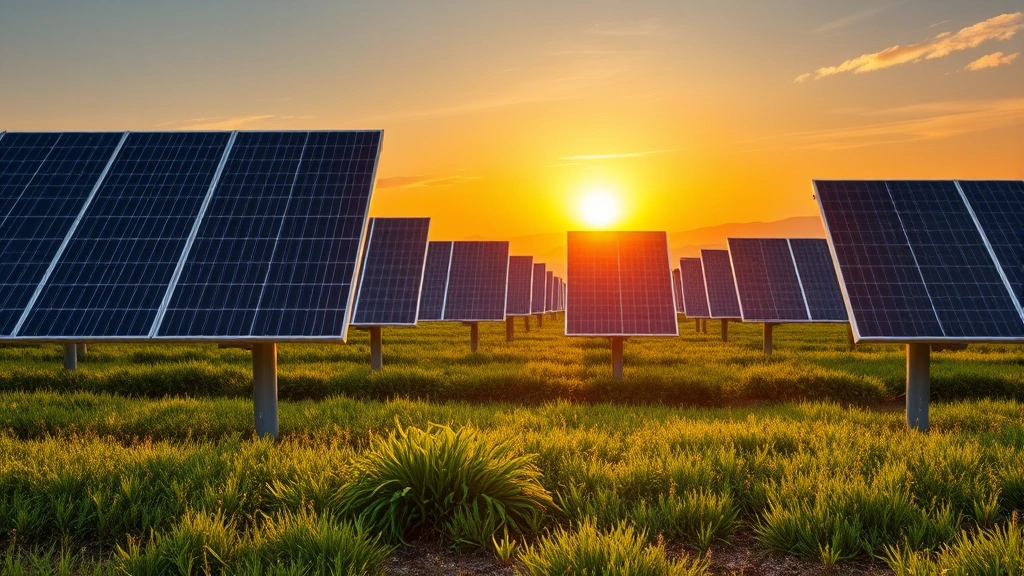
Can Green Policies Boost GDP? Economist Insights on Environmental Economics
The relationship between environmental protection and economic growth has long been debated among economists, policymakers, and business leaders. Traditionally, many viewed green policies as economic constraints—necessary burdens that slow growth and reduce competitiveness. However, a growing body of empirical evidence suggests a more nuanced reality: well-designed environmental policies can simultaneously advance ecological sustainability and strengthen economic performance. This paradigm shift reflects a fundamental change in how we understand the relationship between natural capital and economic value creation.
The question is no longer whether we can afford green policies, but rather whether we can afford not to implement them. Recent analyses from leading economic institutions demonstrate that environmental degradation imposes substantial hidden costs on economies—from healthcare expenses linked to air pollution to infrastructure damage from climate events. When these costs are properly accounted for, green policies emerge not as economic drains but as strategic investments that generate returns across multiple dimensions: job creation, innovation, resource efficiency, and long-term financial stability.
The Economics of Environmental Degradation
Understanding how green policies affect GDP requires first grasping the economic burden of environmental damage. The World Bank estimates that environmental degradation costs developing countries approximately 4-5% of annual GDP, while developed nations face losses of 2-3%. These costs manifest through multiple channels: healthcare expenses from air and water pollution, agricultural productivity losses from soil degradation, and catastrophic expenses from climate-related disasters.
Traditional GDP accounting has historically ignored these environmental externalities—costs imposed on society that don’t appear in market prices. A factory that pollutes a river increases economic output through production but externalizes cleanup costs onto communities downstream. This accounting gap has systematically undervalued the economic benefits of environmental protection. When economists change environment variables in their models to include environmental costs, the calculus shifts dramatically. Policies that appeared economically inefficient suddenly show positive net benefits.
The concept of natural capital—the stock of environmental assets including forests, fisheries, minerals, and clean air—provides the foundation for understanding why green policies boost long-term GDP. Natural capital generates flows of ecosystem services worth trillions annually: pollination, water filtration, climate regulation, and raw materials. Depleting natural capital for short-term economic gains is economically irrational, equivalent to a farmer selling off his land to fund current consumption.
Green Policy Mechanisms and GDP Growth
Green policies operate through several mechanisms to enhance economic growth. Carbon pricing—whether through taxes or cap-and-trade systems—creates financial incentives for businesses to innovate and reduce emissions. Rather than constraining growth, these mechanisms redirect economic activity toward cleaner technologies and more efficient processes. Research from leading environmental economics platforms shows that well-designed carbon pricing generates revenue that governments can reinvest in productive infrastructure or reduce distortionary taxes.
Renewable energy subsidies and mandates shift capital investment from fossil fuel infrastructure toward clean energy sectors. While this initially appears to increase costs, it triggers economies of scale and technological learning that dramatically reduce clean energy expenses. Solar and wind power costs have fallen 90% and 70% respectively over the past decade, driven partly by policy support. These cost reductions create competitive advantages for early-adopting countries and companies.
Energy efficiency standards and building codes reduce operational costs for businesses and households while decreasing environmental impact. A factory that invests in efficient lighting and heating equipment incurs upfront costs but recovers them through lower energy bills within 3-5 years. These investments also improve worker productivity and product quality, generating additional economic benefits beyond energy savings.
Environmental regulations also spur innovation in ways that create new markets and competitive advantages. Firms facing stricter pollution standards develop cleaner production technologies that become exportable goods and services. The global environmental technology market exceeds $2 trillion annually, with countries that pioneered green technologies capturing disproportionate market share. Germany’s renewable energy sector employs more workers than coal mining, demonstrating how environmental policies create net job gains.
Transportation policies exemplify how environmental regulations reshape economies productively. Stricter vehicle emissions standards have driven automotive innovation, making cars safer, more reliable, and more fuel-efficient. Investments in public transit and cycling infrastructure reduce congestion, lower transportation costs for households, and improve public health. Explore how transportation and environmental integration creates economic opportunities while reducing emissions.
Job Creation and Labor Market Effects
One of the most significant economic benefits of green policies is employment generation. Clean energy sectors employ more workers per unit of energy produced than fossil fuel industries. Solar installation, wind turbine manufacturing, energy efficiency retrofitting, and environmental restoration create jobs that cannot be outsourced and often pay competitive wages. The International Renewable Energy Agency reports that renewable energy employment exceeded 12 million globally in 2022, growing faster than overall employment.
Green jobs differ fundamentally from those displaced in declining fossil fuel sectors. While coal mining employment has contracted in most developed economies, renewable energy jobs continue expanding. This transition requires active workforce development policies: understanding careers that help the environment provides insight into emerging opportunities. Workers in declining industries need retraining support and income assistance during transitions—costs that should be weighed against broader economic gains.
The multiplier effects of green job creation amplify GDP impacts. Solar installers, wind technicians, and environmental engineers spend wages on local goods and services, supporting businesses throughout their communities. Unlike capital-intensive fossil fuel projects that concentrate wealth, green energy development often distributes economic benefits more widely. Rural communities increasingly benefit from wind and solar projects that provide land lease payments and tax revenue while creating permanent jobs.
Small and medium enterprises find particular opportunities in green sectors. Environmental remediation, sustainable agriculture, waste management, and green building services require localized knowledge and labor-intensive approaches suited to smaller firms. This democratization of opportunity contrasts with fossil fuel industries dominated by large capital-intensive corporations, potentially creating more inclusive economic growth.
Innovation and Technological Advancement
Green policies function as innovation accelerators, directing research and investment toward solving environmental challenges. When governments establish ambitious renewable energy targets, they create assured markets that justify R&D investments in battery technology, grid management systems, and efficiency improvements. This directed innovation generates spillover benefits across the economy as technologies developed for environmental purposes find applications in other sectors.
Battery technology provides a clear example. Massive investments in electric vehicle batteries, driven by emission regulations and green subsidies, have reduced battery costs from $1,200 per kilowatt-hour in 2010 to under $150 today. These cost reductions enable applications far beyond transportation: grid storage, portable power systems, and backup power for remote facilities. The innovation trajectory was predictable and achievable specifically because environmental policies created demand certainty.
Venture capital flows increasingly toward climate-tech and environmental innovation. In 2022, climate-tech startups raised over $60 billion globally, demonstrating investor confidence in green technologies’ commercial viability. These investments create high-value jobs in research, engineering, and entrepreneurship while positioning early-adopting countries as technology leaders in the fastest-growing global markets.
Green policies also drive process innovations that reduce costs across industries. When manufacturers face pressure to reduce waste and emissions, they discover efficiency improvements that lower production costs. Pollution prevention often costs less than pollution control, creating win-win opportunities where environmental protection reduces expenses. This aligns environmental goals with business profitability, a rare policy outcome that creates broad political support.
Real-World Case Studies
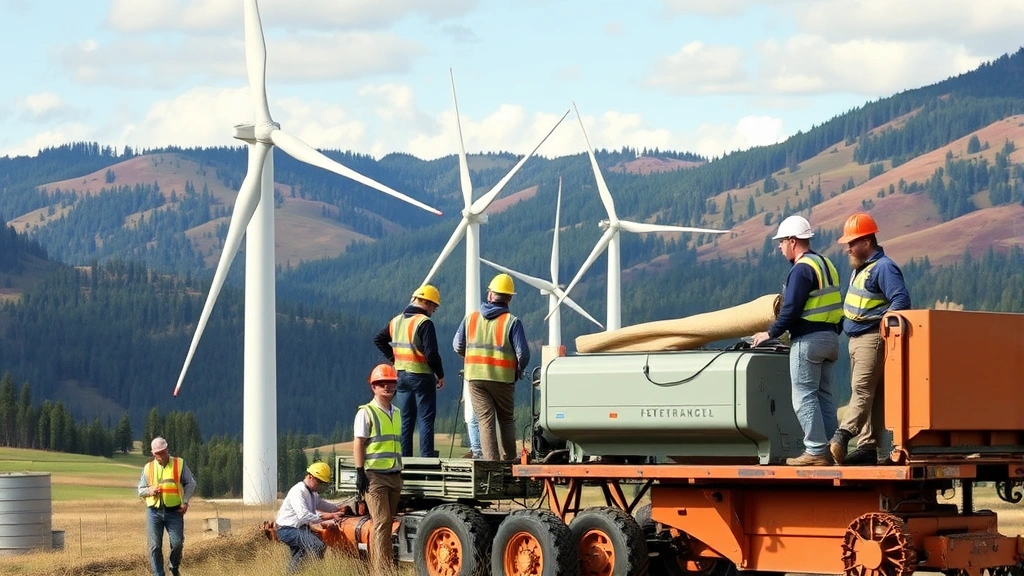
Denmark’s renewable energy transformation demonstrates green policies’ GDP compatibility. Despite aggressive wind energy targets, Denmark maintained strong economic growth while reducing emissions 80% below 1990 levels. The country became a global wind turbine technology leader, exporting equipment and expertise worldwide. Denmark’s experience shows that ambitious environmental targets and economic prosperity can coexist when policies create competitive advantages.
Costa Rica’s renewable energy sector provides another instructive example. The country generates over 99% of electricity from renewable sources, driven by policies favoring hydroelectric, wind, and geothermal power. This transition created stable, predictable electricity costs that attracted technology companies and manufacturing facilities. Costa Rica’s per-capita GDP grew faster than regional averages while achieving environmental leadership.
Germany’s Energiewende (energy transition) toward renewable electricity involved substantial policy investments and industrial restructuring. While critics predicted economic disaster, Germany maintained manufacturing competitiveness and full employment during the transition. The renewable energy sector now employs more than 300,000 workers—more than coal mining, demonstrating long-term job creation potential. Discover more about practical approaches to environmental protection that generate economic benefits.
China’s renewable energy investments exemplify how green policies can drive economic development. China now leads global renewable energy capacity, employing millions in manufacturing, installation, and grid development. While motivated partly by air quality concerns, these investments positioned China as the dominant renewable technology producer, creating enormous export opportunities and reducing energy import dependence.
The United States’ regional experiences with clean energy policies show varied but generally positive GDP impacts. States implementing aggressive renewable energy standards experienced faster employment growth in energy sectors and maintained overall economic competitiveness. California’s environmental policies, often criticized as economically restrictive, coincided with the state becoming a global technology innovation leader.
Challenges and Implementation Barriers
Despite compelling evidence that green policies can boost GDP, implementation faces substantial obstacles. Transition costs concentrate in specific industries and regions while benefits distribute broadly across society. Coal miners and fossil fuel workers face genuine hardship when energy transitions accelerate, creating political resistance even when aggregate benefits exceed costs. Successful green policy requires managing these distributional impacts through targeted support programs.
Policy design significantly affects economic outcomes. Poorly designed regulations can impose unnecessary costs without achieving environmental goals. Effective green policies balance environmental ambition with economic efficiency, using market mechanisms like carbon pricing rather than prescriptive regulations when possible. The World Bank emphasizes that policy quality matters as much as policy stringency for achieving positive economic outcomes.
Coordination across jurisdictions presents another challenge. Unilateral green policies can disadvantage domestic industries competing against firms in less-regulated jurisdictions. Border carbon adjustments and international agreements help address this problem, but negotiating coordinated policies requires political will. UNEP research demonstrates that coordinated global approaches generate larger GDP benefits than isolated national policies.
Investment in complementary infrastructure determines green policy effectiveness. Renewable energy expansion requires grid modernization and storage capacity. Electric vehicle adoption requires charging networks. Sustainable agriculture requires research and technical support. Governments must coordinate policies across multiple domains to create coherent systems that maximize economic returns. This systems-level thinking remains underdeveloped in many policy contexts.
Measurement and attribution challenges complicate policy evaluation. Isolating green policy effects from other economic factors requires sophisticated econometric analysis. Some studies find strong positive GDP effects while others find modest impacts, partly reflecting different methodologies and policy contexts. Ecological economics research increasingly emphasizes rigorous evaluation methods to distinguish genuine impacts from attribution errors.
Short-term political cycles create incentive misalignments with long-term green policy benefits. Elected officials prioritize outcomes visible within election cycles, while environmental policies often generate benefits extending decades into the future. Overcoming this temporal mismatch requires building durable political coalitions and insulating environmental policies from electoral fluctuations.
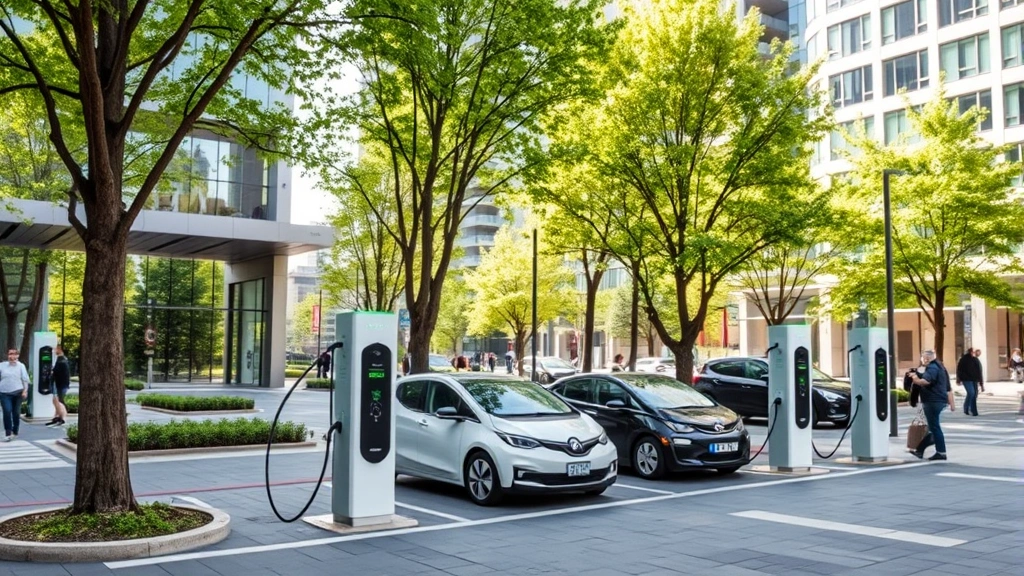
Understanding human environment interaction through an economic lens reveals how policy choices reshape these relationships. Similarly, learning whether hybrid cars benefit the environment illustrates how consumer choices and policies jointly determine outcomes. These interconnected considerations shape whether green policies ultimately boost GDP and environmental sustainability.
FAQ
How do green policies directly increase GDP?
Green policies increase GDP through multiple mechanisms: job creation in clean energy sectors, innovation-driven productivity improvements, reduced environmental damage costs, energy efficiency savings, and development of new export markets for environmental technologies. When properly designed, these benefits exceed transition costs, generating net positive economic impacts.
Don’t environmental regulations reduce business competitiveness?
Well-designed environmental policies can enhance competitiveness by driving innovation, reducing operating costs through efficiency improvements, and positioning firms as leaders in growing green markets. However, poorly designed regulations without consideration for competitiveness impacts can disadvantage businesses. Policy design quality matters significantly for economic outcomes.
What happens to workers in fossil fuel industries during green transitions?
Green transitions displace fossil fuel workers, creating genuine hardship without targeted support programs. Effective policy requires investing in worker retraining, income support during transitions, and economic diversification in affected regions. When implemented comprehensively, these transition programs enable most workers to move into new employment while maintaining living standards.
Can developing countries afford ambitious green policies?
Developing countries can often afford green policies more readily than developed nations because renewable energy now costs less than fossil fuels in many contexts. Green policies can accelerate development by avoiding pollution-related health costs, reducing energy import dependence, and capturing growing global green technology markets. However, international financial support helps accelerate transitions in poorest countries.
How long does it take for green policies to show GDP benefits?
Benefits timeline varies by policy type. Energy efficiency improvements show returns within 3-5 years. Renewable energy cost reductions become visible within 5-10 years as capacity scales. Innovation-driven benefits and avoided environmental damage costs accumulate over decades. Long-term perspectives reveal much larger benefits than short-term analyses.
What evidence supports claims that green policies boost GDP?
Extensive empirical research from OECD countries, developing nations, and specific sectors demonstrates positive GDP correlations with green policies. Case studies from Denmark, Germany, Costa Rica, and US states show strong economic performance alongside aggressive environmental policies. Meta-analyses of policy evaluations generally find positive net economic benefits, though effects vary by policy design and context.


