Balancing Economy & Ecosystems: Expert Insights on Sustainable Development
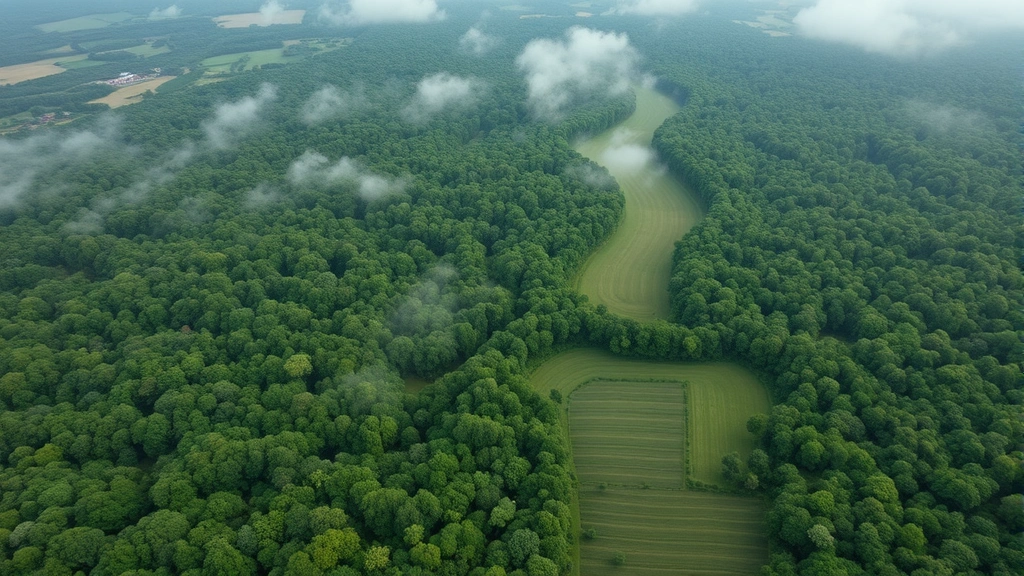
The intersection of economic growth and ecological preservation represents one of the most pressing challenges of our time. For decades, these two domains were viewed as fundamentally opposed—economic advancement seemingly required environmental compromise. However, contemporary research and real-world implementations demonstrate that thriving economies and healthy ecosystems are not mutually exclusive; rather, they are deeply interdependent. Organizations like Balanced Environments Inc. exemplify how businesses can embed ecological stewardship into their operational DNA while maintaining profitability and competitive advantage.
The paradigm shift toward integrated economic-ecological thinking reflects growing recognition that natural capital—forests, fisheries, water systems, and biodiversity—underpins all economic activity. When ecosystems degrade, economic productivity inevitably declines. Conversely, thoughtfully designed economic policies can incentivize conservation and restoration. This article synthesizes expert insights on achieving genuine balance between economic prosperity and ecosystem health, examining frameworks, case studies, and actionable strategies that forward-thinking organizations are implementing today.
Understanding Natural Capital and Economic Value
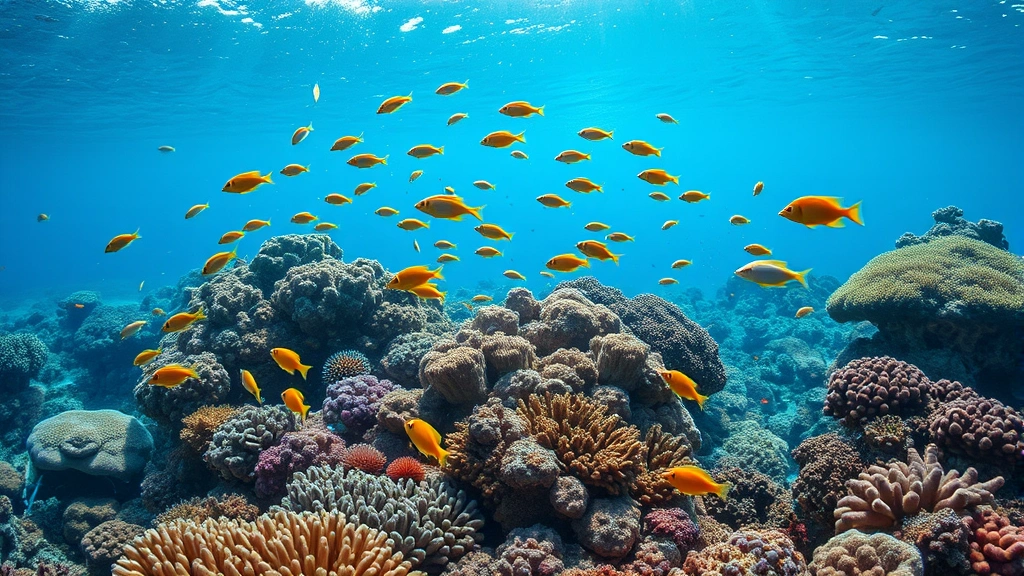
Natural capital encompasses the world’s stocks of environmental assets—soil, air, water, and living organisms—that generate flows of ecosystem services essential to human welfare. These services include provisioning services like food and freshwater, regulating services such as climate stabilization and flood control, supporting services including nutrient cycling, and cultural services that provide recreational and spiritual value. The World Bank estimates that natural capital represents approximately 26% of total wealth in low-income countries, yet remains dramatically undervalued in market transactions and policy decisions.
Economic systems have historically treated nature as an infinite resource, externalizing environmental costs onto society and future generations. This accounting failure has driven overexploitation and degradation. When a timber company harvests a forest, GDP increases from the sale, but no corresponding deduction appears for lost biodiversity, carbon sequestration capacity, or watershed protection. Similarly, when agricultural runoff creates dead zones in coastal waters, the economic loss to fisheries and tourism doesn’t offset the agricultural gain in national accounts. Understanding how our human economic activities affect the environment requires moving beyond conventional metrics.
Leading economists now advocate for natural capital accounting, where environmental assets are valued and depreciated similarly to manufactured capital. Costa Rica pioneered this approach, creating payment schemes for ecosystem services that compensate landowners for forest conservation. Between 1987 and 2015, forest coverage increased from 21% to 52% of national territory while maintaining economic growth. This demonstrates that valuing ecosystems creates economic incentives for preservation. The relationship between environment and society becomes clearer when economic mechanisms align with ecological imperatives.
The True Cost of Environmental Externalities
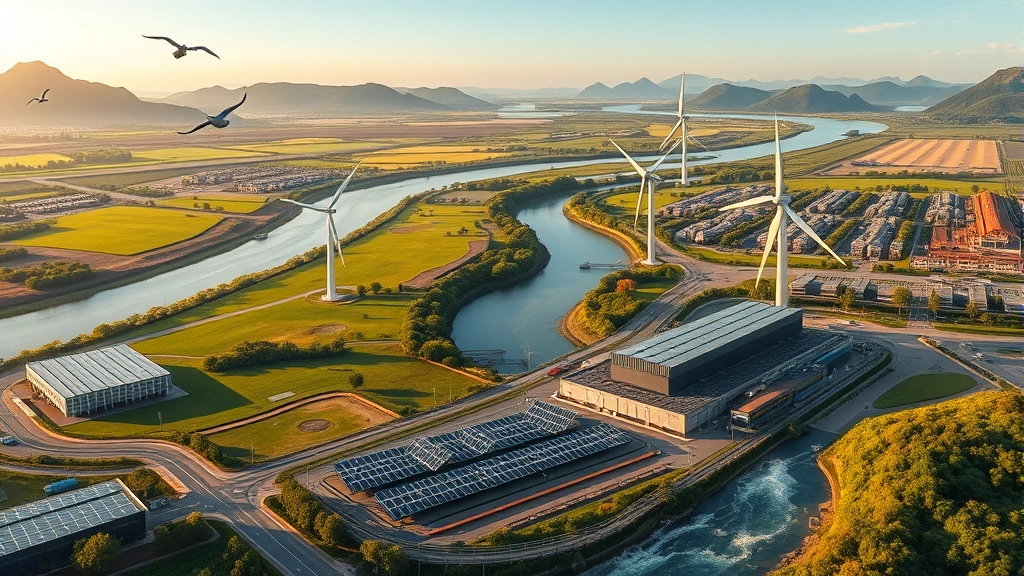
Environmental externalities—costs imposed on society and ecosystems not reflected in market prices—represent a fundamental market failure. Air pollution from coal plants causes respiratory diseases costing billions in healthcare expenses, yet electricity prices don’t include these health impacts. Ocean acidification threatens shellfish industries worth billions annually, yet carbon emissions face no price mechanism in many jurisdictions. Research published in Ecological Economics suggests that environmental externalities may represent 5-10% of global GDP, a staggering economic burden borne by the public rather than polluters.
Quantifying externalities enables more accurate economic decision-making. Studies on air pollution in developing nations reveal that health costs from particulate matter exceed 2-4% of GDP, dwarfing any short-term economic gains from unregulated industrial expansion. Water scarcity imposes enormous costs on agriculture, manufacturing, and households; yet water pricing rarely reflects actual scarcity values. Carbon emissions from fossil fuels generate climate damages—increased hurricane intensity, agricultural losses, infrastructure damage—that economists estimate at $50-100 per ton of CO2, yet most jurisdictions price carbon at $0-30 per ton.
Progressive organizations now conduct true cost accounting, incorporating environmental and social externalities into business decisions. Patagonia, for instance, regularly audits its supply chains for hidden environmental costs and adjusts procurement accordingly, even when it increases expenses. This approach reveals that sustainability isn’t merely ethical—it’s economically rational when full costs are considered. Understanding human-environment interaction through the lens of externalities reshapes how we evaluate economic policies and corporate strategies.
Policy Frameworks for Integrated Management
Effective policy bridges economic and ecological objectives through mechanisms that make environmental protection economically advantageous. Carbon pricing—whether through taxes or cap-and-trade systems—represents a foundational approach, assigning costs to emissions and incentivizing clean alternatives. The European Union Emissions Trading System, despite implementation challenges, has reduced emissions in participating sectors by approximately 35% since 2005 while maintaining economic competitiveness. Conversely, regions without carbon pricing continue experiencing rising emissions despite renewable energy availability.
Payment for ecosystem services (PES) programs create direct economic incentives for conservation. Beyond Costa Rica’s success, Mexico’s CONAFOR program has enrolled over 2.6 million hectares in forest conservation contracts, protecting watersheds and biodiversity while generating rural income. Similarly, China’s Sloping Land Conversion Program—the world’s largest PES initiative—has converted over 32 million hectares of marginal agricultural land to forest or grassland, reducing erosion, improving water quality, and sequestering carbon while supporting rural livelihoods.
Biodiversity offset policies require developers to compensate for habitat destruction through restoration elsewhere, theoretically maintaining net biodiversity. However, implementation gaps often undermine effectiveness; offsets frequently prove inadequate or never materialize. More promising are integrated land-use policies that restrict development in high-conservation-value areas while directing growth toward already-disturbed lands. The United Nations Environment Programme documents that jurisdictions combining protected areas with sustainable use zones achieve better outcomes than single-policy approaches. Regulatory frameworks must also address sustainable consumption patterns, including circular economy requirements that reduce waste generation and resource extraction pressures.
Corporate Innovation and Ecological Integration
Leading corporations increasingly recognize that long-term profitability depends on ecosystem health and social license to operate. Interface, a global carpet manufacturer, transformed its business model around circular economy principles, designing products for disassembly and recycling while reducing virgin material use by 96% since 1996. This innovation generated competitive advantages—reduced material costs, premium pricing for sustainable products, and employee attraction—while dramatically decreasing environmental impact. The company demonstrates that ecological integration drives innovation rather than constraining it.
Regenerative agriculture represents another frontier where economic and ecological interests align. Instead of extractive farming that depletes soil and requires increasing chemical inputs, regenerative practices build soil organic matter, enhance water retention, increase biodiversity, and improve resilience to climate variability. Farmers adopting these methods report 20-30% yield increases within 5-7 years, combined with reduced input costs and premium market access for regeneratively-certified products. Renewable energy adoption similarly demonstrates how ecological imperatives drive economic opportunity; solar and wind now represent the cheapest electricity sources in most markets, with costs declining 90% and 70% respectively over the past decade.
Supply chain transparency has become a competitive necessity. Consumers increasingly demand evidence that products don’t harm ecosystems or communities. Blockchain and IoT technologies enable tracking from source to consumer, allowing companies to verify sustainable sourcing and command premium prices. Unilever’s Sustainable Living Plan commits to sourcing 100% of agricultural raw materials sustainably; this requirement drove innovation in supplier practices while securing long-term supply chains against resource depletion. Corporate sustainability isn’t altruism—it’s strategic risk management and opportunity capture.
Measuring Progress: Beyond GDP
Gross Domestic Product measures economic activity but reveals nothing about ecological health or distributional equity. A nation could clearcut its forests, deplete its fisheries, and pollute its aquifers while GDP increases. This accounting failure has driven policies that sacrifice long-term wellbeing for short-term output gains. Progressive nations now adopt alternative progress metrics that integrate ecological and social dimensions.
Bhutan’s Gross National Happiness framework explicitly prioritizes environmental conservation and cultural preservation alongside economic development, with constitutional requirements that 60% of forest coverage be maintained. New Zealand adopted the Wellbeing Framework, directing budgets toward outcomes improving genuine wellbeing rather than mere GDP growth. Finland’s Inclusive and Sustainable Growth Strategy similarly emphasizes environmental quality, equality, and health as success measures alongside economic metrics. These frameworks don’t eliminate growth—they redirect it toward outcomes that actually improve human and ecological flourishing.
The Genuine Progress Indicator (GPI) adjusts GDP for environmental degradation, resource depletion, inequality, and non-market services like household work and volunteering. GPI calculations for developed nations typically show stagnation or decline since the 1980s despite rising GDP, revealing that growth has increasingly reflected redistribution of existing wealth and unsustainable resource consumption rather than genuine progress. World Bank research on Inclusive Green Growth demonstrates that economies can decouple growth from resource consumption through efficiency improvements, circular economy practices, and sectoral shifts toward services and knowledge-intensive activities.
Regional Success Models
Rwanda’s post-conflict recovery integrated ecological restoration into economic development strategy. Reforestation initiatives have expanded forest coverage from 18% to 27%, creating watershed protection, carbon sequestration, and tourism revenue. Strict regulations on charcoal production and agricultural expansion in sensitive areas have prevented the land degradation common in rapidly developing nations. Economic growth has averaged 7-8% while forest coverage increases and wildlife populations recover—demonstrating that environmental protection and development aren’t zero-sum.
Ecuador’s Yasuní-ITT Initiative represented an ambitious attempt to value ecosystem services above extractive industries. The initiative proposed leaving 846 million barrels of oil reserves underground in the Amazon, preventing estimated carbon emissions of 407 million tons, while providing economic compensation to Ecuador for foregone extraction revenue. Though ultimately unsuccessful due to insufficient international funding, it catalyzed global conversation about valuing ecosystems over extraction. The initiative’s framework—quantifying environmental value and seeking compensation for conservation—increasingly influences policy discussions worldwide.
Denmark’s transformation into a renewable energy leader demonstrates how ambitious environmental targets drive economic innovation. Renewable energy now provides 80% of electricity, with wind power supporting a world-leading turbine manufacturing industry generating €7 billion annually in exports. Rather than constraining the economy, the renewable transition created competitive advantages in green technology sectors. This model now extends to contemporary sustainability discussions across multiple sectors and geographies, showing that ecological leadership translates into economic leadership in emerging markets.
Indonesia’s mangrove restoration projects illustrate how ecosystem recovery generates multiple economic returns. Mangroves provide fish nurseries, storm protection, carbon sequestration, and coastal community livelihoods. Restoration initiatives employing local communities for planting and monitoring create employment while rebuilding ecosystems, with fishery productivity increases offsetting restoration costs within 5-7 years. This model combines job creation, poverty reduction, climate action, and biodiversity conservation—demonstrating how integrated approaches address multiple development challenges simultaneously.
FAQ
What does Balanced Environments Inc. do to integrate ecological and economic priorities?
While specific operations vary, organizations embodying the Balanced Environments Inc. philosophy typically embed natural capital accounting into financial decision-making, conduct true-cost accounting including environmental externalities, implement circular economy principles to reduce waste and resource extraction, invest in supply chain transparency and sustainable sourcing, and measure success through integrated metrics beyond profitability. They recognize that ecosystem health and economic resilience are interdependent.
How can governments effectively price environmental externalities without harming economic competitiveness?
Successful carbon pricing systems typically implement gradual increases allowing business adjustment time, provide targeted support for affected workers and communities, invest revenue in clean technology innovation, and coordinate internationally to prevent competitive disadvantages. Border carbon adjustments ensure that carbon-intensive imports face equivalent pricing to domestic production. Evidence from EU and Nordic nations shows that properly designed carbon pricing maintains competitiveness while driving emissions reductions.
What’s the relationship between biodiversity conservation and economic development?
Biodiversity underpins ecosystem services—pollination, pest control, water filtration, climate regulation—essential to agriculture, fisheries, and human health. Regions with greater biodiversity typically maintain higher long-term productivity and resilience. Economic development that destroys biodiversity ultimately undermines the natural systems supporting prosperity. Conversely, conservation-oriented development creates sustainable livelihoods through ecotourism, sustainable harvesting, and ecosystem service payments while preserving natural capital.
How do circular economy principles improve both environmental and economic outcomes?
Circular economy design eliminates waste by keeping materials in use through reuse, repair, and recycling, reducing virgin material extraction costs and waste management expenses. Companies adopting circular models report 15-25% cost savings while reducing environmental impact. Circular systems also create employment in collection, sorting, and remanufacturing, often in local communities, generating distributed economic benefits beyond conventional linear production.
Which metrics best measure progress toward balanced economic-ecological development?
Genuine Progress Indicator, Inclusive Green Growth metrics, and natural capital accounting provide more comprehensive progress measures than GDP alone. Leading nations increasingly adopt multi-dimensional dashboards including environmental quality, biodiversity trends, resource depletion rates, inequality measures, health outcomes, and subjective wellbeing alongside economic metrics. These integrated approaches reveal whether growth reflects genuine progress or unsustainable extraction.


