
What Is an Ecosystem? An In-Depth Overview
An ecosystem represents a complex, interconnected system comprising a group of all organisms and their environment, functioning together as a unified whole. This fundamental ecological concept underpins our understanding of biodiversity, environmental management, and the intricate relationships that sustain life on Earth. From the smallest pond to vast rainforests, ecosystems demonstrate how living organisms—plants, animals, fungi, and microorganisms—interact with their physical surroundings including soil, water, atmosphere, and climate.
The term “ecosystem” emerged in ecological science during the 1930s, yet the concept reflects observations that naturalists made for centuries. Understanding what constitutes an ecosystem requires examining not just individual species in isolation, but rather the dynamic web of interactions, energy flows, and nutrient cycles that characterize these biological communities. This comprehensive overview explores ecosystem structures, functions, types, and their critical importance to human civilization and economic systems.
Core Components of Ecosystems
Every ecosystem consists of two primary components: the biotic (living) and abiotic (non-living) elements. The biotic community includes all organisms—from microscopic bacteria and fungi to visible plants and animals. The abiotic environment encompasses physical factors such as temperature, precipitation, soil composition, light intensity, atmospheric pressure, and water availability. These components exist in constant interaction, creating feedback loops that regulate ecosystem stability and resilience.
The living organisms within an ecosystem occupy specific ecological niches, meaning they have particular roles, habitats, and resource requirements. Producers—primarily plants and photosynthetic organisms—convert solar energy into chemical energy through photosynthesis. Consumers, ranging from herbivores to carnivores, obtain energy by consuming other organisms. Decomposers, including bacteria and fungi, break down dead organic matter and return nutrients to the soil. This hierarchical organization ensures efficient energy utilization and nutrient cycling throughout the system.
Physical environmental factors determine which organisms can survive in any given location. Temperature ranges, moisture levels, soil pH, and nutrient availability act as limiting factors that constrain population sizes and species composition. Understanding these abiotic parameters proves essential for comprehending why human-environment interactions significantly alter ecosystem functioning. The interconnection between living communities and their physical environment creates the foundation upon which all ecological processes depend.
Energy Flow and Trophic Levels
Energy flow represents one of the most critical processes occurring within ecosystems. Solar radiation drives virtually all life on Earth, with approximately 1-2% of incident sunlight captured by photosynthetic organisms. This captured energy flows through successive trophic levels—from producers through primary consumers (herbivores) to secondary consumers (carnivores) and tertiary consumers (top predators). At each transfer between trophic levels, approximately 90% of energy dissipates as heat, while only 10% becomes incorporated into biomass available to the next level.
This energy transfer efficiency explains why ecosystems can support far more plant biomass than animal biomass. A forest containing thousands of tons of vegetation may sustain only hundreds of tons of herbivorous animals, which in turn support just tens of tons of predators. This pyramid structure has profound implications for ecosystem productivity, food web stability, and the carrying capacity for different species populations. Understanding energy flow becomes particularly important when examining how humans affect the environment through resource extraction and habitat modification.
Nutrient cycling complements energy flow in maintaining ecosystem function. Unlike energy, which flows one-directionally through ecosystems, nutrients cycle repeatedly between organisms and the abiotic environment. Carbon, nitrogen, phosphorus, and sulfur cycles demonstrate how elements move from atmosphere and soil through living organisms and back again. These biogeochemical cycles operate on timescales ranging from years to millennia, with human activities increasingly disrupting natural cycling patterns through pollution, agriculture, and industrial processes.
Biodiversity and Species Interactions
Biodiversity—the variety of life at genetic, species, and ecosystem levels—fundamentally determines ecosystem resilience and productivity. Species interactions including predation, competition, symbiosis, and parasitism create complex networks that regulate population dynamics and community structure. These relationships evolved over millions of years, creating intricate ecological balance where each species occupies a specific functional role within the broader system.
Competition occurs when multiple species require similar resources, potentially leading to competitive exclusion where superior competitors eliminate weaker ones. Predator-prey relationships maintain population control and influence species composition, as predators remove excess individuals and typically target weakened prey. Mutualistic relationships—such as flowering plants and pollinators or legumes and nitrogen-fixing bacteria—demonstrate how organisms can achieve mutual benefit through long-term evolutionary associations. These diverse interactions create stability through redundancy; when one species declines, others may perform similar functions, maintaining ecosystem services.
The loss of biodiversity represents one of the most pressing environmental challenges today. When keystone species—those with disproportionately large ecological impacts relative to their abundance—disappear, entire ecosystems may collapse. Apex predators, for example, regulate herbivore populations, preventing overgrazing that would degrade vegetation. Pollinators enable reproduction of flowering plants. Decomposers recycle nutrients. The removal of any of these functional groups creates cascading effects throughout the ecosystem. This interconnectedness underscores why protecting the environment requires understanding and maintaining these complex biological relationships.
Ecosystem Services and Economic Value
Ecosystems provide humanity with essential services that support civilization and economic activity. The United Nations Environment Programme recognizes four categories of ecosystem services: provisioning services (food, water, timber, medicinal plants), regulating services (climate regulation, water purification, pollination, pest control), supporting services (nutrient cycling, soil formation, photosynthesis), and cultural services (recreation, spiritual value, aesthetic appreciation, scientific knowledge).
Economic valuation of ecosystem services has demonstrated their tremendous monetary worth. Pollination services alone contribute an estimated $15-20 billion annually to global agriculture. Wetlands filter water, reducing treatment costs and preventing flooding—functions worth thousands of dollars per hectare annually. Forests sequester carbon, mitigating climate change while providing timber and non-timber products. Coral reefs protect coastlines from storms, support fisheries, and offer pharmaceutical compounds. Despite these enormous values, ecosystems continue to be destroyed at alarming rates because their services lack market prices, making short-term development appear economically rational despite long-term losses.
The concept of natural capital—treating ecosystems as assets producing flows of ecosystem services—has gained traction among economists and policymakers. Sustainable development requires accounting for natural capital depletion alongside traditional economic measures. When a country harvests all its forests without replanting, traditional GDP accounting shows increased income, yet the nation has depleted its productive natural capital. Incorporating ecosystem service valuation into national accounting systems would reveal the true economic cost of environmental degradation. Research from World Bank economists demonstrates that countries investing in ecosystem conservation achieve superior long-term economic outcomes compared to those pursuing extractive development models.
Major Ecosystem Types Worldwide
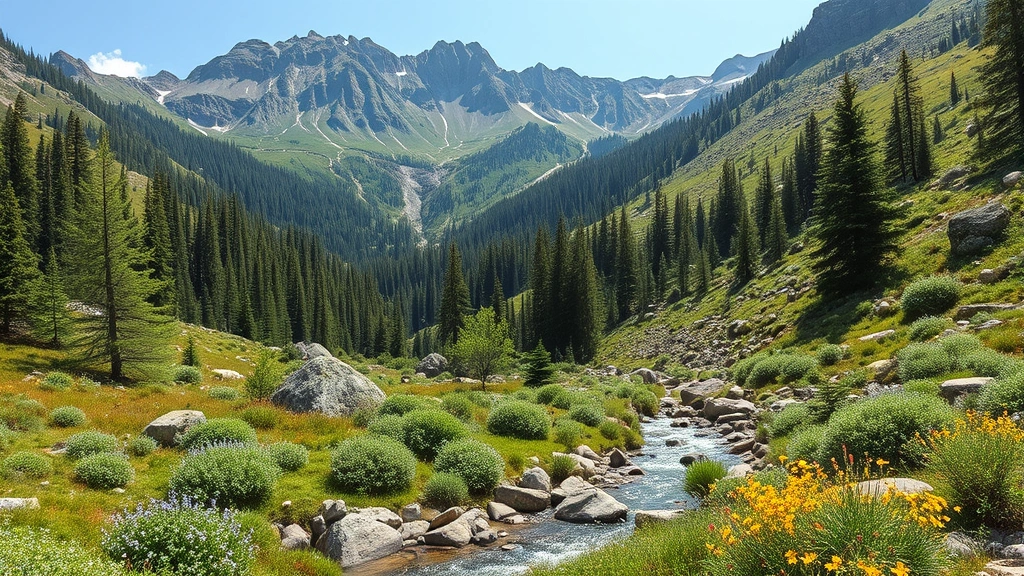
Earth contains diverse ecosystem types, each characterized by distinct climate, vegetation, and fauna. Tropical rainforests represent the most biodiverse terrestrial ecosystems, containing roughly 50% of Earth’s species despite occupying only 6% of land area. High precipitation, warm temperatures, and abundant light support dense vegetation and complex food webs. Rainforest destruction through logging and agricultural conversion eliminates species before scientists can even identify them, representing an incalculable loss of genetic and biological information.
Temperate forests in mid-latitudes experience seasonal variation with deciduous trees shedding leaves in winter. These ecosystems support significant biodiversity and provide extensive timber resources. Grasslands and savannas evolved under conditions of periodic fire and grazing, supporting large herbivore populations and their predators. These ecosystems prove particularly vulnerable to overgrazing and conversion to agriculture.
Deserts represent extreme abiotic environments with minimal precipitation, yet specialized organisms survive through remarkable adaptations. Tundra ecosystems near polar regions support low-diversity communities adapted to extreme cold and short growing seasons. Aquatic ecosystems including freshwater lakes, rivers, and marine environments demonstrate different organizational principles than terrestrial systems. Ocean ecosystems range from productive coastal zones to deep-sea environments with unique chemosynthetic communities.
Each ecosystem type provides distinct ecosystem services and supports different economic activities. Understanding these differences proves essential for positive human impact on the environment, as management strategies must align with specific ecosystem characteristics and constraints. Attempting to impose uniform conservation approaches across different ecosystem types typically fails because it ignores local ecological conditions and socioeconomic contexts.
Threats and Ecosystem Degradation
Modern ecosystems face unprecedented threats from human activities. Habitat destruction—the conversion of natural ecosystems to agriculture, urban development, and industrial uses—represents the primary driver of biodiversity loss globally. Climate change alters temperature and precipitation patterns, disrupting the timing of seasonal events and shifting species ranges. Many organisms cannot adapt quickly enough to these rapid changes, resulting in local extinctions and ecosystem collapse.
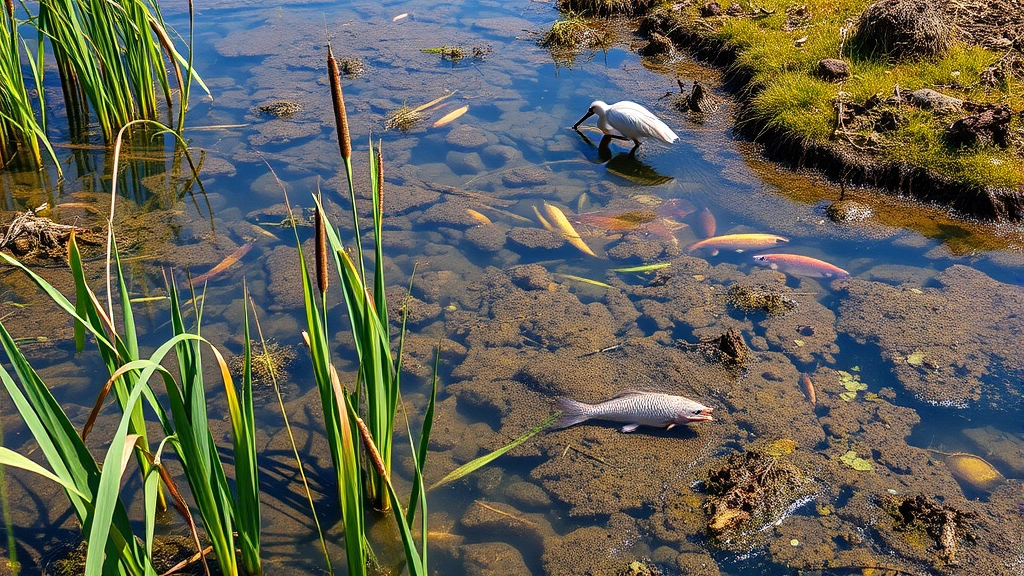
Pollution introduces toxic substances into ecosystems, disrupting organism physiology and food webs. Plastic pollution accumulates in oceans, ingested by marine organisms with lethal consequences. Agricultural runoff creates nutrient-enriched dead zones in coastal waters where aquatic life cannot survive. Invasive species, introduced through global trade and travel, outcompete native species and transform ecosystem structure. Overexploitation through overfishing, excessive hunting, and unsustainable harvesting removes key species faster than populations can reproduce.
The concept of ecosystem resilience describes the capacity of systems to recover from disturbances. Degraded ecosystems with low biodiversity demonstrate reduced resilience, making them vulnerable to collapse from additional stresses. A forest weakened by logging becomes more susceptible to insect outbreaks and fire. A coral reef stressed by warming waters becomes more vulnerable to disease. As humans push ecosystems past critical thresholds, the potential for recovery diminishes, and alternative stable states may emerge that prove resistant to restoration efforts.
Conservation and Restoration Strategies
Addressing ecosystem degradation requires integrated conservation and restoration approaches. Protected areas—national parks, nature reserves, and marine sanctuaries—preserve representative ecosystems and allow populations to recover. However, protected areas must be sufficiently large and connected to maintain viable populations and ecosystem processes. Isolated reserves surrounded by degraded landscapes provide limited conservation benefit.
Restoration ecology focuses on actively rebuilding degraded ecosystems toward historical or desired conditions. Reforestation projects plant native trees to restore forest structure and function. Wetland restoration reconnects waterways and reestablishes natural water cycling. Stream restoration removes dams and restores natural flow regimes. These efforts require significant investment and patience, as ecosystem recovery typically requires decades or centuries. Research from ecological economics journals demonstrates that restoration investments generate positive economic returns through recovered ecosystem services, though these benefits often accrue over long timeframes.
Sustainable resource management balances human needs with ecosystem conservation. Sustainable forestry maintains forest cover while harvesting timber, preserving habitat and ecosystem services. Sustainable agriculture integrates crop production with ecosystem conservation through techniques like agroforestry, cover cropping, and reduced tillage. Marine protected areas allow fish populations to recover while still permitting sustainable harvesting outside reserve boundaries. These approaches recognize that human societies depend on ecosystem services and that long-term economic prosperity requires maintaining ecosystem function.
The UNEP’s Making Peace with Nature initiative emphasizes that halting biodiversity loss and ecosystem degradation requires transforming economic systems toward sustainability. This includes reforming agricultural and industrial practices, eliminating subsidies that encourage ecosystem destruction, and incorporating ecosystem service valuation into policy decisions. International agreements like the Convention on Biological Diversity establish targets for ecosystem protection, though implementation remains inconsistent across nations.
Understanding human-environment interaction at systemic levels reveals that ecosystem conservation and human wellbeing represent complementary rather than competing goals. Healthy ecosystems provide clean water, stable climate, food security, and economic opportunities. The economic analysis of ecosystem services demonstrates that conservation investments typically generate returns far exceeding their costs when ecosystem services are properly valued. Transitioning toward sustainable economic models requires recognizing that ecosystems represent essential infrastructure supporting all human activity.
Frequently Asked Questions
What is the difference between an ecosystem and a biome?
An ecosystem represents a specific community of organisms and their immediate physical environment, typically with defined boundaries. A biome comprises multiple ecosystems sharing similar climate, vegetation, and fauna across large geographic regions. For example, a particular forest represents an ecosystem, while the temperate forest biome includes forests across multiple continents with similar characteristics. Biomes operate at larger spatial scales than individual ecosystems.
How do humans depend on ecosystems?
Humans depend fundamentally on ecosystem services for survival and wellbeing. Ecosystems provide food through agriculture, fisheries, and wild harvesting. They supply fresh water through natural filtration and storage. They regulate climate through carbon sequestration. They pollinate crops, decompose waste, and provide medicines, materials, and cultural benefits. Understanding this dependence reveals that environmental degradation directly threatens human security and prosperity.
Can ecosystems recover from damage?
Ecosystems demonstrate varying recovery capacities depending on damage severity, ecosystem type, and available time. Some ecosystems recover relatively quickly if disturbances cease—grasslands may recover from fire within years, and forests may recover from logging within decades. However, severe degradation, particularly when multiple stressors operate simultaneously, may prevent recovery. Once ecosystems cross critical thresholds, they may shift to alternative stable states resistant to restoration. Prevention proves far more cost-effective than restoration.
What role do microorganisms play in ecosystems?
Microorganisms including bacteria, archaea, and fungi occupy critical ecological roles despite their invisibility. Decomposers break down dead organic matter, returning nutrients to soil and enabling nutrient cycling. Nitrogen-fixing bacteria convert atmospheric nitrogen into forms usable by plants. Mycorrhizal fungi establish symbiotic relationships with plant roots, enhancing nutrient uptake. Soil microorganisms regulate nutrient availability and soil structure. The biomass of microorganisms in soil often exceeds that of all visible organisms combined, highlighting their fundamental importance to ecosystem function.
How do ecosystem changes affect human economies?
Ecosystem degradation reduces ecosystem service provision, directly impacting human economies. Fishery collapse from overfishing eliminates protein sources and employment. Deforestation reduces timber supplies and increases flood frequency and severity. Pollinator decline threatens crop production. Degraded water quality increases treatment costs. Climate change from ecosystem-mediated carbon cycle disruption generates economic costs through extreme weather, agricultural losses, and infrastructure damage. Economic analyses increasingly demonstrate that ecosystem conservation represents sound investment in long-term prosperity. Research from conservation biology institutions shows that ecosystem-based adaptation to climate change often proves more cost-effective than technological solutions.


