Washington Youth Summit: Impact on Ecosystems & Economy
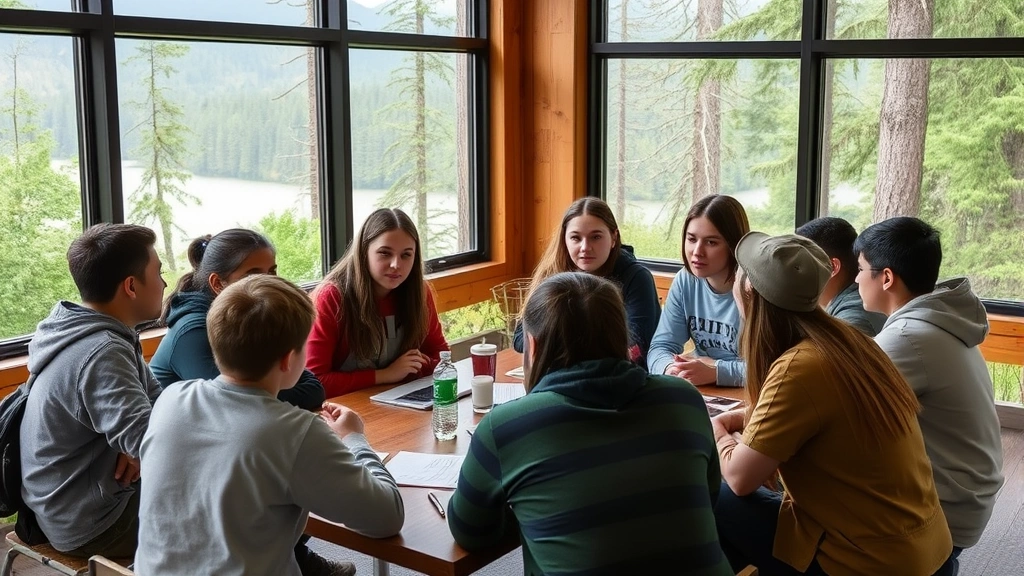
The Washington Youth Summit on the Environment represents a critical convergence of generational activism and evidence-based environmental policy. Young people across Washington State gathered to articulate their vision for ecological restoration and economic resilience, recognizing that environmental degradation and economic instability are inseparable crises. This summit underscores a fundamental shift in how youth perceive the relationship between natural systems and human prosperity—moving beyond the false dichotomy that environmental protection and economic growth are mutually exclusive.
Washington State’s youth are confronting unprecedented ecological pressures: salmon population collapse, old-growth forest decline, urban heat islands, and air quality deterioration. Simultaneously, they inherit an economy increasingly vulnerable to climate-related disruptions, supply chain vulnerabilities linked to ecosystem degradation, and the costs of environmental remediation. The summit serves as a platform where this generation articulates solutions grounded in ecological economics—the framework that recognizes the economy as a subsystem of Earth’s finite ecosystems rather than treating nature as an infinite resource base.
This comprehensive analysis examines the Washington Youth Summit’s implications for both natural systems and economic structures, exploring how youth-led environmental advocacy translates into measurable ecosystem outcomes and long-term economic transformation.
Understanding the Summit’s Ecological Framework
The Washington Youth Summit operates within a sophisticated understanding of environment and society interconnections. Young environmental advocates recognize that ecosystem health directly determines economic viability. Forests don’t merely provide timber; they regulate hydrological cycles, sequester carbon, and generate the clean water upon which regional agriculture and urban populations depend. Salmon populations aren’t merely cultural symbols; they drive nutrient cycling, support commercial fisheries worth hundreds of millions annually, and sustain indigenous economies.
The summit’s framework emphasizes natural capital accounting—the practice of measuring ecosystem services in economic terms. Washington’s forests sequester approximately 2.1 gigatons of carbon dioxide equivalent, representing natural infrastructure worth trillions in climate regulation services. The Puget Sound estuary provides nursery habitat for commercial fish species, with ecosystem service valuations exceeding $1 billion annually. When youth participants advocate for ecosystem protection, they’re simultaneously advocating for preservation of economic assets that conventional GDP accounting systematically undervalues.
This ecological literacy reflects a generational shift in environmental consciousness. Rather than viewing environmental protection as a cost imposed upon the economy, summit participants understand ecosystem restoration as investment in economic resilience. Human environment interaction frameworks discussed at the summit emphasize regenerative practices—activities that restore ecological function while generating economic value. Urban forestry programs create jobs while reducing urban heat effects and stormwater runoff. Wetland restoration generates carbon sequestration while improving water quality. Native plant restoration supports pollinator populations essential for agricultural productivity.
Economic Implications of Youth Environmental Action
The summit’s policy recommendations carry profound economic implications. Youth advocates propose substantial investments in green infrastructure, renewable energy transitions, and ecosystem restoration—initiatives that simultaneously address ecological decline and create employment pathways. Washington State’s clean energy economy already employs over 140,000 workers, exceeding fossil fuel employment. Youth summit participants recognize that accelerating this transition generates economic opportunity alongside ecological benefit.
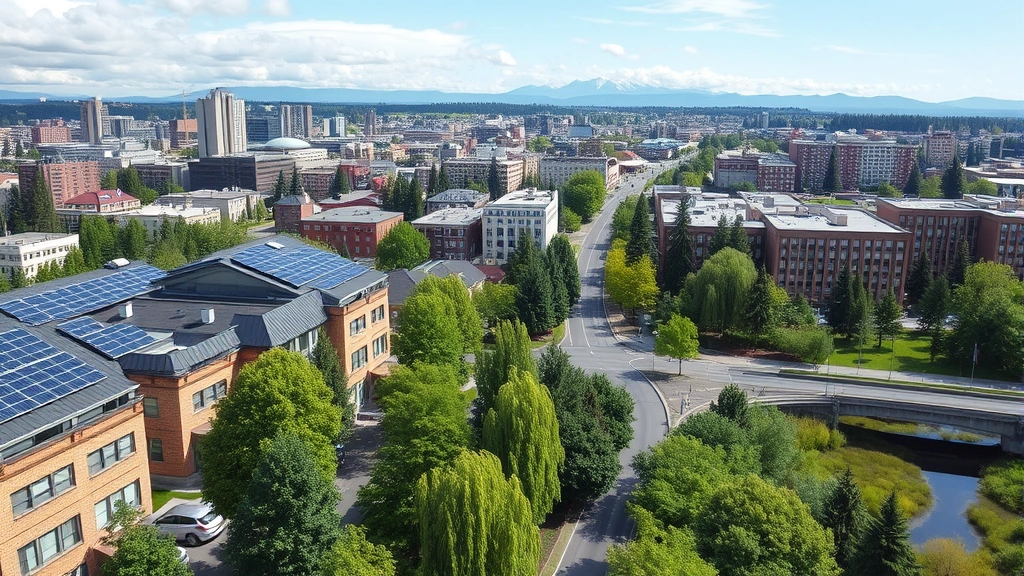
Consider the economics of renewable energy for homes and communities. Distributed solar installations reduce household energy costs while decreasing grid vulnerability and carbon emissions. Battery storage systems create manufacturing employment while enabling grid stability. Heat pump technology replaces fossil fuel heating, improving indoor air quality while reducing operational costs. These aren’t merely environmental interventions; they’re economic restructuring that shifts capital flows from extractive industries toward distributed, regenerative systems.
The summit addresses what ecological economists term "uneconomic growth"—expansion of GDP that occurs through ecosystem degradation, with social costs exceeding benefits. Salmon population collapse generates negative economic impacts: commercial fishery losses, reduced tourism revenue, diminished indigenous subsistence economies, and increased aquaculture costs. Yet conventional accounting attributes GDP growth to expanded aquaculture production, completely obscuring net economic loss. Youth advocates at the summit demand accounting reforms that internalize environmental costs, enabling genuine assessment of economic policy impacts.
Employment transition represents a critical economic consideration. Washington’s fossil fuel and extractive industries employ thousands of workers with substantial incomes and benefits. Youth summit participants acknowledge this reality while proposing strategic transition support: retraining programs, income support during transitions, and targeted investment in renewable energy manufacturing and ecosystem restoration projects in fossil fuel-dependent communities. This represents sophisticated economic reasoning—recognizing that ecological transformation requires managing distributional consequences rather than ignoring them.
Ecosystem Services and Regional Biodiversity
Washington’s ecosystems provide quantifiable services that directly support human wellbeing and economic activity. The summit emphasizes biodiversity conservation as economic necessity rather than luxury. Pollinator populations—including native bees, butterflies, and other arthropods—generate ecosystem services valued at $15-20 billion annually across North American agriculture. Washington’s agricultural economy, concentrated in the Willamette Valley and Central Washington, depends almost entirely upon pollinator-delivered services. Pesticide use, habitat fragmentation, and monoculture practices simultaneously degrade biodiversity and reduce agricultural productivity.
The summit addresses forestry economics with particular sophistication. Old-growth forests provide carbon storage, watershed protection, and habitat provision that far exceed their timber value. A mature Douglas fir forest sequesters approximately 500 tons of carbon per acre—representing climate regulation services worth thousands of dollars annually. Young forest advocates recognize that converting old-growth to plantations eliminates these services while generating one-time timber revenues. This represents what economists term "capital liquidation"—converting renewable natural capital into cash while destroying the asset’s productive capacity.
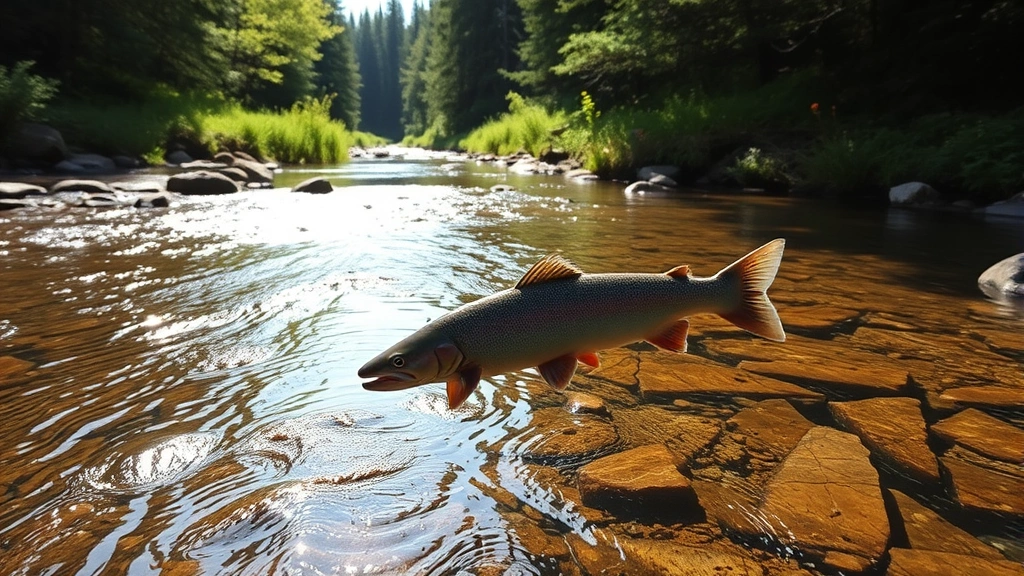
Aquatic ecosystem services receive substantial summit attention. Healthy salmon populations depend upon complex habitat networks: cold-water streams with intact riparian vegetation, estuarine marshes that provide nursery habitat, and ocean conditions that support forage fish populations. Each ecosystem component provides services: temperature regulation, nutrient cycling, water filtration, and erosion control. Dam removal, stream restoration, and estuary protection represent investments in aquatic infrastructure that generate returns through fishery productivity, recreational value, and cultural significance.
The summit’s biodiversity focus extends to agricultural systems. Monoculture agriculture represents ecosystem simplification that generates short-term productivity gains while creating long-term vulnerability. Pest outbreaks intensify as natural predator populations decline. Soil degradation accelerates as microbial diversity decreases. Regional crop diversity declines, increasing vulnerability to disease and climate variability. Youth advocates propose integrated environmental analysis of agricultural systems that accounts for these systemic costs, enabling policy support for regenerative farming practices that restore soil health, increase biodiversity, and improve long-term productivity.
Youth Leadership in Environmental Policy
The Washington Youth Summit demonstrates how generational environmental consciousness translates into policy influence. Young participants bring several distinctive perspectives to environmental governance. First, they possess direct stakes in long-term outcomes—policies implemented today will shape their lived experience across 50+ year horizons. This temporal perspective combats the myopic decision-making that prioritizes short-term extraction over long-term sustainability.
Second, youth environmental advocates bring sophisticated understanding of interconnected crises. Rather than addressing climate change, biodiversity loss, and economic inequality as separate problems, summit participants recognize them as expressions of the same fundamental issue: economic systems that externalize environmental costs and concentrate benefits among privileged populations. This systemic perspective enables identification of solutions that simultaneously address multiple crises.
Third, youth bring digital fluency and communication capabilities that amplify environmental advocacy. Social media platforms enable rapid mobilization, documentation of environmental impacts, and narrative construction that shapes public understanding. The summit itself generates substantial media coverage, raising environmental issues’ political salience and creating pressure for policy response.
Summit recommendations address policy mechanisms spanning multiple scales. At the state level, youth advocates propose strengthened environmental regulations, increased funding for ecosystem restoration, and economic instruments that internalize environmental costs. At the local level, they advocate for land use planning that prioritizes ecosystem protection, urban greening, and community engagement in environmental decision-making. At the individual level, they promote behavior change toward reduced consumption, sustainable transportation, and dietary patterns with lower environmental footprints.
Regional Carbon Economy and Climate Mitigation
Washington State’s commitment to carbon neutrality by 2050 provides policy context for youth environmental advocacy. The summit emphasizes that achieving this target requires transformation across all economic sectors: energy, transportation, agriculture, forestry, and industry. Youth participants recognize that incremental efficiency improvements prove insufficient; the challenge demands fundamental restructuring of how the regional economy produces energy, moves goods and people, and processes materials.
Energy sector transformation receives summit priority. Washington’s electricity grid already achieves approximately 70% renewable generation through hydropower and wind resources. However, decarbonizing heating, transportation, and industrial processes requires substantial additional renewable capacity. Youth advocates propose accelerated deployment of solar installations, offshore wind development, and battery storage infrastructure. These investments simultaneously reduce carbon emissions and create employment in manufacturing, installation, and maintenance.
Transportation electrification represents another critical focus. Light-duty vehicles represent Washington’s largest transportation emissions source. Accelerating electric vehicle adoption requires charging infrastructure investment, vehicle manufacturing capacity development, and policy incentives that overcome purchase price premiums. Public transportation expansion reduces per-capita emissions while improving mobility for populations unable to afford personal vehicles. Active transportation infrastructure—bicycle networks, pedestrian pathways—enables low-carbon mobility while improving public health.
Industrial emissions present greater mitigation challenges. Cement, steel, and chemical production generate substantial greenhouse gases through both energy consumption and chemical processes. Summit participants recognize that decarbonizing these sectors requires technology innovation, material substitution, and potential demand reduction. Circular economy principles—minimizing material throughput through reuse, repair, and recycling—reduce both production emissions and natural resource extraction.
Natural climate solutions receive summit emphasis. Reforestation and afforestation sequester carbon while restoring habitat. Wetland restoration stores carbon in soils while improving water quality. Regenerative agriculture builds soil carbon while improving productivity. These nature-based solutions provide co-benefits—biodiversity enhancement, water cycle restoration, community employment—alongside climate mitigation.
Water Systems and Agricultural Sustainability
Washington’s water systems face mounting pressures from climate change, population growth, and agricultural demand. The summit addresses water sustainability as interconnected challenge affecting ecosystem health and economic viability. Glacial melt provides crucial summer streamflow during dry seasons; climate warming reduces glacier extent, decreasing late-summer water availability. Groundwater depletion in Central Washington threatens agricultural sustainability. Urban water demand grows with population expansion while ecosystem water requirements remain constant.
Summit participants propose water management approaches balancing human needs with ecosystem requirements. Environmental flow standards ensure that sufficient water remains in streams to support salmon, riparian vegetation, and aquatic ecosystems. Water efficiency improvements reduce demand through agricultural irrigation optimization, industrial water recycling, and urban conservation. Stormwater management captures precipitation for groundwater recharge rather than channeling it to streams, reducing flooding while improving water availability.
Agricultural sustainability receives substantial summit attention. Washington’s agricultural sector generates approximately $12 billion annually while consuming approximately 75% of state water resources. Conventional irrigation practices involve substantial waste through evaporation and runoff. Summit advocates propose drip irrigation adoption, soil moisture monitoring, and crop selection aligned with regional water availability. These practices reduce water consumption while improving productivity and reducing fertilizer runoff.
Regenerative agriculture practices improve water infiltration and retention while building soil carbon. Cover cropping, reduced tillage, and diverse crop rotations enhance soil structure, enabling greater water storage and reducing irrigation requirements. These practices simultaneously improve water availability, reduce input costs, and sequester carbon. The summit emphasizes that agricultural sustainability requires policy support—crop insurance reforms, subsidy restructuring, and technical assistance—enabling farmer transitions toward regenerative practices despite short-term profitability challenges.
FAQ
What specific outcomes emerged from the Washington Youth Summit on the Environment?
The summit produced policy recommendations spanning renewable energy acceleration, ecosystem restoration funding, environmental regulation strengthening, and youth participation mechanisms in environmental governance. Participants documented commitments from state agencies and elected officials to implement specific recommendations within defined timelines. The summit also generated substantial media coverage, raising environmental issues’ political salience and creating public pressure for policy action.
How do youth environmental advocates address economic concerns about environmental protection costs?
Youth participants employ sophisticated economic analysis demonstrating that environmental protection generates net economic benefits through job creation, avoided climate damages, and preserved ecosystem services. They acknowledge short-term transition costs while emphasizing that delaying action increases total costs substantially. They propose targeted support for workers and communities dependent upon fossil fuel industries, recognizing that equitable transitions require managing distributional consequences rather than ignoring them.
What role do indigenous communities play in Washington environmental advocacy?
Indigenous nations possess treaty rights to salmon and other resources, providing legal standing for environmental protection. Traditional ecological knowledge informs sustainable management practices developed across centuries. Youth advocates emphasize that environmental justice requires centering indigenous leadership and supporting tribal sovereignty in environmental decision-making. The summit included substantial indigenous youth participation and addressed historical injustices in environmental policy.
How does the Washington Youth Summit connect to broader climate action movements?
The summit participates in global youth climate advocacy, connecting local environmental challenges to international climate commitments. Participants engage with World Bank environmental initiatives and international climate frameworks. They recognize that Washington’s climate action contributes to global emissions reduction while acknowledging that global cooperation proves essential for preventing catastrophic climate change.
What mechanisms enable youth to influence environmental policy implementation?
The summit establishes youth advisory councils that participate in state agency decision-making. Participants gain technical expertise in environmental policy, enabling them to provide informed input on regulatory development and program design. Youth voting power increases as participants age, creating electoral incentives for elected officials to respond to environmental demands. Social media mobilization enables rapid grassroots pressure for policy implementation, increasing accountability.
How do individual carbon footprint reduction efforts contribute to broader climate mitigation?
Individual behavior change creates demand for low-carbon products and services, spurring business innovation and investment. Collective individual action demonstrates political support for climate policies, enabling elected officials to pursue ambitious measures. However, the summit emphasizes that individual action proves insufficient without systemic change—policy reforms that restructure energy systems, transportation networks, and industrial processes. Effective climate action requires simultaneous attention to individual behavior and systemic transformation.
What role does sustainable consumption play in environmental protection?
Sustainable consumption reduces material throughput, decreasing extraction pressures on ecosystems and associated environmental damage. Fashion industry transformation—through sustainable material sourcing, ethical labor practices, and circular design principles—reduces water consumption, chemical pollution, and textile waste. However, summit participants recognize that consumption reduction faces cultural barriers and requires policy support through sustainable product accessibility and affordability. They emphasize that consumption patterns reflect economic structures and marketing pressures, not merely individual preferences.


