
How Transport Affects Ecosystems: Study Insights from Transportation Research
Transportation systems form the circulatory network of modern economies, yet their environmental consequences ripple through ecosystems with profound and often underestimated intensity. Recent research published in Transportation Research Part D: Transport and Environment reveals that the relationship between mobility infrastructure and ecological health is far more complex than simple emissions accounting. From habitat fragmentation to chemical pollution and disruption of species migration patterns, transport networks fundamentally reshape the biophysical landscape and ecosystem services that sustain both human and non-human communities.
Understanding these interconnections requires an interdisciplinary approach that bridges transportation engineering, conservation biology, and ecological economics. The peer-reviewed literature increasingly demonstrates that transport-related impacts extend far beyond carbon dioxide emissions—affecting soil composition, water quality, species distribution, and the capacity of ecosystems to provide essential services like pollination, water purification, and climate regulation. This analysis synthesizes current research to illuminate how human environment interaction through transport infrastructure creates cascading ecological consequences.
Direct Habitat Loss and Fragmentation
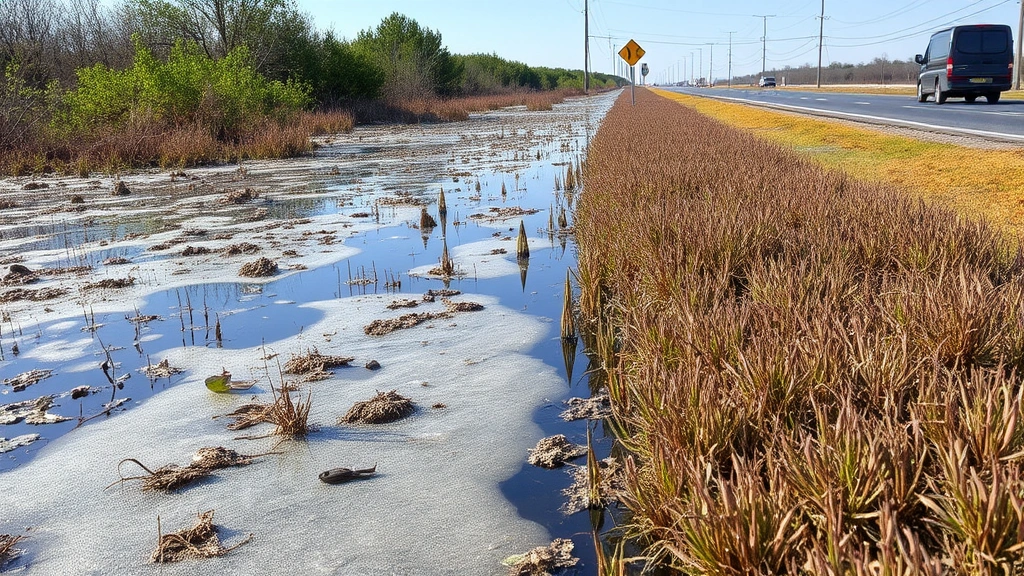
Transportation infrastructure represents one of the most extensive anthropogenic land uses globally, consuming approximately 1-2% of total land area in developed nations while fragmenting remaining natural habitats into isolated patches. Roads, highways, railways, and aviation facilities directly convert ecosystems into impervious surfaces, eliminating vegetation, soil structure, and the microhabitats that countless species depend upon for survival. The World Bank estimates that transportation infrastructure development drives habitat conversion at rates exceeding 1.5 million hectares annually across emerging economies.
Beyond direct habitat loss, fragmentation creates what conservation biologists term “landscape permeability barriers.” When transportation corridors bisect continuous habitats, they isolate populations of animals and plants, reducing genetic diversity and increasing extinction risk. A seminal study in Biological Conservation documented that road networks reduce effective habitat connectivity by 50-80% in temperate forest ecosystems. This fragmentation proves particularly devastating for large-bodied species requiring extensive home ranges—apex predators, migratory ungulates, and long-distance dispersing plants face dramatically reduced survival prospects.
The cumulative effect of fragmentation extends across trophic levels. Predator-prey dynamics shift when populations become isolated; plant reproduction fails when pollinators cannot traverse transportation barriers; and ecosystem resilience declines as species pools contract. Environment and society intersections become particularly acute when transportation expansion occurs in biodiversity hotspots—regions harboring disproportionate concentrations of endemic species found nowhere else on Earth.
Emissions, Air Quality, and Vegetation Stress
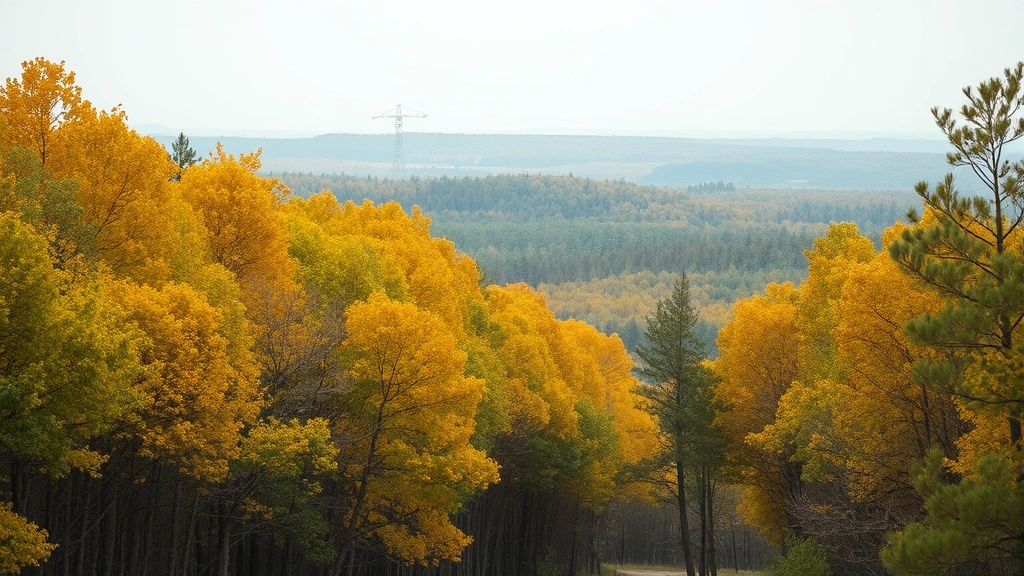
Transportation accounts for approximately 27% of global greenhouse gas emissions, with road vehicles responsible for roughly 72% of transport-related carbon dioxide. Yet emissions impact extends far beyond climate forcing. Nitrogen oxides (NOx), particulate matter (PM2.5), volatile organic compounds (VOCs), and ground-level ozone generated by vehicle combustion create localized air quality degradation that damages vegetation and disrupts ecosystem functioning.
Phytotoxic air pollutants accumulate in leaf tissues, disrupting photosynthetic efficiency and reducing carbon fixation rates. Research from the United Nations Environment Programme indicates that vegetation within 500 meters of major highways experiences 15-35% reductions in net primary productivity compared to unpolluted control sites. Ozone—formed through photochemical reactions involving NOx and VOCs—proves particularly destructive, causing visible foliar injury and accelerating senescence across sensitive species including native trees, wildflowers, and agricultural crops.
The ecological consequence involves reduced energy availability flowing through food webs. When primary productivity declines, herbivores receive less nutritional resources, carnivores experience prey scarcity, and entire trophic structures become destabilized. Simultaneously, air pollution alters species composition by favoring pollution-tolerant species while eliminating sensitive indicators of ecosystem health. This homogenization reduces biodiversity and ecosystem functional diversity—the range of ecological roles different species perform.
How to reduce carbon footprint initiatives increasingly recognize that transportation transformation represents perhaps the most critical lever for climate mitigation while simultaneously addressing localized air quality degradation.
Water Pollution from Transport Infrastructure
Transportation networks alter hydrological cycles and introduce diverse pollutants into aquatic ecosystems through multiple pathways. Road runoff contains heavy metals (lead, zinc, cadmium), hydrocarbons, tire wear particles, and de-icing salts that accumulate in soils and leach into groundwater and surface waters. Studies published in Environmental Science & Technology demonstrate that roadside soils contain heavy metal concentrations 2-10 times higher than background levels, with contamination extending 50-200 meters from pavement edges.
De-icing salts—applied to maintain winter road safety in temperate regions—create particularly persistent ecological problems. Sodium and chloride ions accumulate in roadside wetlands and groundwater, increasing osmotic stress on freshwater organisms and altering plant community composition. Wetlands adjacent to salted roads experience shifts from native salt-sensitive species toward halophytic generalists, reducing habitat quality for specialized amphibians, invertebrates, and migratory waterfowl. The World Bank estimates that road salt application across North America and Europe exceeds 24 million tonnes annually, creating long-term soil salinization that persists for decades after application cessation.
Tire wear particles represent an emerging contaminant of concern. As vehicle tires abrade against pavement, they release microplastics and associated chemical additives into the environment. Recent research indicates that tire wear constitutes a major source of microplastic pollution in freshwater and marine ecosystems, with concentrations in roadside sediments exceeding 1,000 particles per liter. These particles bioaccumulate in aquatic food webs, with documented toxicological effects on invertebrates, fish, and filter-feeding organisms.
Wildlife Mortality and Behavioral Changes
Road mortality represents a significant source of unnatural death for wildlife populations globally. Estimates suggest that vehicles kill between 1-4 billion vertebrates annually across the United States alone, with comparable or higher rates in regions with extensive road networks and high vehicle densities. This mortality proves non-random—larger-bodied species, slow-moving organisms, and animals with seasonal migration requirements suffer disproportionately high road mortality rates.
Beyond direct mortality, transportation infrastructure alters animal behavior in ways that reduce reproductive success and survival. Noise pollution from vehicles increases stress hormone levels in wildlife, impairing immune function and reproductive output. Animals modify movement patterns to avoid roads, creating behavioral barriers that function similarly to physical barriers in fragmenting populations. Predator-prey dynamics shift near roads as some species avoid road noise while others exploit road-associated carrion, creating ecological traps where animals suffer elevated mortality rates while exhibiting attraction toward roads.
Amphibians prove particularly vulnerable to transportation impacts due to their biphasic life cycles requiring seasonal migrations between aquatic breeding habitat and terrestrial feeding habitat. Road networks that intersect migration corridors create mortality bottlenecks, with single roads eliminating 10-50% of migrating populations in documented cases. The cumulative effect across multiple road crossings has contributed to amphibian population declines in regions with high road density, exacerbating broader amphibian extinction crises.
Noise Pollution and Ecosystem Disruption
Transportation generates continuous acoustic pollution that fundamentally disrupts animal communication, stress physiology, and behavioral ecology. Road noise levels typically range from 70-90 decibels near highways, far exceeding natural soundscapes in most ecosystems (typically 40-60 decibels). This noise elevation masks animal vocalizations, preventing birds from detecting predators, mates, and territorial rivals, and disrupting acoustic communication across diverse taxa.
Research in Ecology Letters demonstrates that chronic noise exposure impairs cognitive function in birds and mammals, reducing problem-solving ability and increasing susceptibility to predation. Stress hormones (cortisol) remain chronically elevated in animals exposed to transportation noise, diverting metabolic resources away from growth and reproduction toward stress management. This physiological cost translates into reduced fecundity, delayed sexual maturity, and increased mortality rates in populations experiencing chronic noise exposure.
Insect communities prove particularly sensitive to noise pollution. Studies indicate that chronic noise reduces arthropod abundance by 10-40% in roadside habitats compared to quiet controls, likely through stress-induced mortality and avoidance behaviors. Since insects constitute the base of most terrestrial food webs and provide critical ecosystem services including pollination and decomposition, noise-driven insect declines cascade through entire ecosystems, affecting bird populations, plant reproduction, and nutrient cycling.
Economic Valuation of Transport Externalities
Ecological economics increasingly applies monetary valuation to environmental externalities—costs imposed on ecosystems and society that market prices fail to capture. The external costs of transportation (excluding direct fuel and vehicle costs) include air pollution health impacts, climate change damages, habitat loss, and water contamination. Estimates from ecological economics research suggest these externalities range from €0.08 to €0.30 per vehicle-kilometer in developed nations, translating to annual hidden costs exceeding $500 billion globally.
When transportation decisions exclude these external costs, markets systematically undervalue ecosystem preservation and overvalue transportation expansion. This creates perverse incentives favoring infrastructure development that destroys natural capital while generating private profits concentrated among transportation companies and land developers. Ecorise Daily Blog explores how renewable energy for homes and sustainable infrastructure represent alternatives to carbon-intensive transportation.
Progressive policy frameworks increasingly internalize these externalities through mechanisms including carbon pricing, congestion charges, and ecosystem service payments. The European Union’s Sustainable and Smart Mobility Strategy explicitly targets external cost internalization, with mechanisms designed to make transportation prices reflect true environmental costs. Research from the International Union for Conservation of Nature demonstrates that price signals reflecting true environmental costs reduce transportation demand by 15-25%, triggering modal shifts toward lower-impact transport modes.
Mitigation Strategies and Sustainable Solutions
Addressing transportation’s ecological impacts requires multi-scalar interventions spanning technological innovation, land-use planning, and behavioral change. Electric vehicle deployment reduces tailpipe emissions, though lifecycle analyses reveal that electricity generation source determines net environmental benefit—electric vehicles powered by renewable electricity achieve 70-90% emissions reductions compared to internal combustion vehicles, while coal-powered electricity provides minimal benefit.
Green infrastructure solutions including wildlife crossing structures, habitat corridors, and permeable pavements reduce fragmentation and pollution impacts. Ecoducts and wildlife overpasses enable species movement across transportation barriers, with documented success restoring genetic connectivity in previously fragmented populations. Permeable pavements reduce stormwater runoff and associated pollution, while vegetated roadside buffers intercept air pollutants and heavy metals before they contaminate soils and water resources.
Modal shift toward public transit, walking, and cycling represents perhaps the most ecologically transformative strategy. Urban areas with developed public transit networks and pedestrian infrastructure experience 40-60% lower per-capita transportation emissions compared to car-dependent regions. Sustainable fashion brands increasingly partner with low-impact transportation providers, recognizing that supply chain sustainability requires addressing mobility impacts.
Land-use planning that concentrates development near transit nodes and reduces sprawl addresses root causes of transportation demand. Compact, mixed-use urban development reduces average trip distances and increases transit viability, achieving transportation demand reduction without requiring behavior change. Research from the International Council for Local Environmental Initiatives demonstrates that compact development patterns reduce transportation energy consumption by 30-50% compared to sprawling alternatives.
FAQ
What ecosystem services are most affected by transportation infrastructure?
Transportation impacts multiple ecosystem services including pollination (through habitat loss and air pollution), water purification (through chemical contamination), climate regulation (through emissions and vegetation loss), and pest control (through disruption of predator-prey dynamics and arthropod declines). Research indicates that in regions with high road density, ecosystem service provision declines by 20-40% compared to roadless reference areas.
How do transportation emissions compare to other anthropogenic greenhouse gas sources?
Transportation accounts for approximately 27% of global greenhouse gas emissions, making it the third-largest sectoral source after energy (73%) and agriculture (18%). Within transportation, road vehicles dominate (72% of transport emissions), followed by aviation (11%), shipping (10%), and rail (1%). Notably, transportation emissions continue increasing while other sectors achieve decarbonization through renewable energy adoption.
Can wildlife adaptation mitigate transportation impacts over evolutionary timescales?
While some species exhibit short-term behavioral adaptation to roads (learning to cross at specific locations, timing movements to avoid peak traffic), evolutionary adaptation to transportation impacts occurs too slowly to prevent population declines. Generation times for most vertebrates exceed 5-10 years, while road networks expand at decadal timescales, preventing evolutionary tracking. Additionally, adaptation to one impact (e.g., noise tolerance) provides no protection against other impacts (e.g., road mortality), limiting adaptive capacity.
What role does transportation play in invasive species dispersal?
Transportation networks facilitate invasive species establishment by creating dispersal corridors and introducing propagules across biogeographic barriers. Vehicle tires, ballast water in ships, and aircraft cargo all transport viable organisms to novel environments. Research indicates that invasive species abundance correlates strongly with road density and proximity to transportation hubs, with roads acting as invasion pathways along which non-native species establish and spread into surrounding natural areas.
How do transportation impacts vary between developed and developing nations?
Developing nations experience particularly acute transportation-ecosystem conflicts due to rapid infrastructure expansion in biodiversity hotspots, limited environmental regulation enforcement, and funding constraints for mitigation measures. Conversely, developed nations have begun implementing green infrastructure and modal shift strategies, though historical transportation expansion has already eliminated much biodiversity. Climate justice frameworks increasingly highlight that developing nations bear disproportionate ecological costs from transportation expansion driven by consumption in developed nations.
What transportation mode minimizes ecological impact?
Electric rail transit powered by renewable electricity represents the lowest-impact mechanized transportation mode, with lifecycle emissions 80-95% lower than personal vehicles and land requirements 90% lower than roads. Walking and cycling achieve zero operational emissions and minimal land consumption but serve limited trip distances. In aggregate, sustainable urban systems combine compact development, high-quality transit, and active transportation, achieving transportation with minimal ecological footprint.


