
The intersection of environmental sustainability and economic growth has emerged as one of the most critical policy debates of our time. Green jobs—employment in sectors that contribute to preserving or restoring environmental quality—represent a compelling opportunity to address climate change while simultaneously stimulating economic development. From renewable energy installations to sustainable agriculture and ecosystem restoration, these positions promise both ecological benefits and workforce expansion. However, the question remains: can green jobs truly deliver the economic boost that policymakers and economists increasingly advocate for?
This comprehensive analysis examines the empirical evidence, expert perspectives, and economic mechanisms underlying green employment growth. We explore how the transition to a low-carbon economy can generate meaningful job creation, the challenges that persist in scaling these opportunities, and the policy frameworks necessary to maximize economic returns while ensuring workplace quality and environmental integrity.

Understanding Green Jobs and Economic Impact
Green jobs encompass a diverse range of occupations that directly or indirectly contribute to environmental preservation and restoration. According to the International Labour Organization, these positions span renewable energy development, energy efficiency retrofitting, sustainable forestry, organic agriculture, pollution control, waste management, and conservation work. The economic significance of this sector extends beyond simple employment numbers; it reflects fundamental shifts in how economies produce energy, manage resources, and value natural capital.
The relationship between environmental protection and economic activity has traditionally been viewed as antagonistic. However, contemporary ecological economics demonstrates that sustainable resource management and economic prosperity can be complementary objectives. Green jobs represent the practical manifestation of this convergence, creating employment while simultaneously addressing market failures in environmental externalities.
Research from the World Bank indicates that investments in green sectors generate higher employment-to-investment ratios compared to fossil fuel industries. For every million dollars invested in renewable energy, studies show approximately 7-8 jobs are created, compared to 2-3 jobs in conventional energy infrastructure. This employment intensity reflects the labor-heavy nature of installation, maintenance, and support services in emerging green industries.
Employment Growth in Renewable Energy Sectors
The renewable energy sector exemplifies the employment potential of green economic transitions. Solar photovoltaic installation has emerged as one of the fastest-growing occupations globally, with the U.S. Bureau of Labor Statistics projecting 50% job growth in solar installer positions over the next decade. Wind energy technician roles similarly demonstrate robust expansion, particularly in regions with strong resource endowments and supportive policy frameworks.
Beyond direct installation roles, renewable energy development generates substantial indirect employment. Manufacturing supply chains for solar panels, wind turbines, and battery systems create factory positions, quality control roles, and logistics employment. Engineering, design, and project management positions proliferate as projects scale. Additionally, carbon footprint reduction initiatives in commercial and residential sectors drive demand for energy auditors, retrofit specialists, and efficiency consultants.
The International Renewable Energy Agency reports that the renewable energy sector employed approximately 12.7 million people globally in 2021, with solar accounting for nearly 4.3 million positions. This represents a 5.3% year-over-year increase, substantially outpacing overall employment growth rates in most developed economies. Crucially, these positions span skill levels from entry-level installation work to advanced engineering roles, providing pathways for workforce development across educational backgrounds.
Multiplier Effects and Economic Stimulus
Economic theory demonstrates that green job creation generates multiplier effects throughout broader economies. When workers in renewable energy, energy efficiency, and environmental restoration sectors earn wages, they spend these resources on local goods and services—groceries, housing, transportation, entertainment. This spending stimulates demand for non-green sectors, creating secondary employment in retail, construction, healthcare, and hospitality.
The multiplier magnitude depends on several factors: local supply chain development, wage levels, and regional economic structure. Studies by ecological economists estimate that green job multipliers range from 1.5 to 2.5, meaning that each direct green job generates 0.5 to 1.5 additional jobs in supporting sectors. This compares favorably with fossil fuel industries, which often exhibit lower multipliers due to capital intensity and international supply chains.
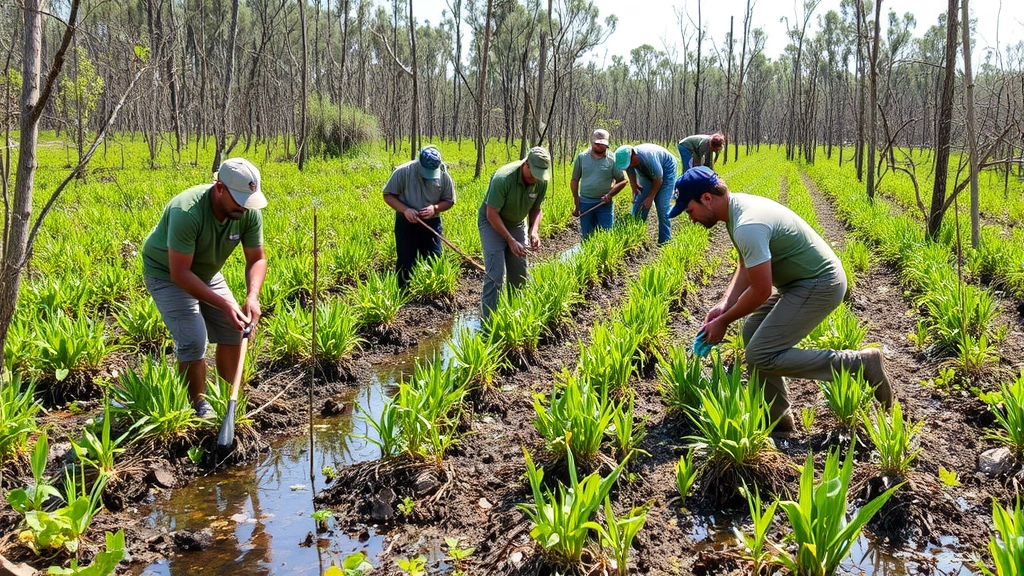
Furthermore, different environmental sectors generate varying economic impacts. Renewable energy installations concentrate benefits regionally, supporting local construction and manufacturing. Energy efficiency retrofitting of building stock distributes employment across communities. Ecosystem restoration and conservation work often targets economically disadvantaged areas, providing targeted economic stimulus to regions with limited alternative opportunities.
Fiscal stimulus analysis reveals that green investments generate faster economic returns than conventional infrastructure spending. The International Monetary Fund has documented that green stimulus spending produces greater GDP expansion per dollar invested compared to traditional infrastructure projects, particularly when implemented during economic downturns when labor and capital resources remain underutilized.
Workplace Quality and Sustainable Development
While green job expansion offers economic promise, the quality and sustainability of these positions warrant careful examination. Not all employment in environmental sectors constitutes “good jobs” in development economics terminology. Positions must provide adequate compensation, safe working conditions, skill development opportunities, and pathways for advancement to meaningfully contribute to sustainable development.
Research reveals concerning patterns in certain green sectors. Solar installation work, despite rapid growth, frequently involves precarious employment arrangements, with workers classified as independent contractors lacking benefits or job security. Wage levels in some renewable energy positions remain below median earnings, particularly in emerging markets where labor costs drive competitive advantages. Additionally, occupational safety data indicates elevated injury rates in some green sectors, including rooftop solar installation and wind turbine maintenance—roles involving significant height hazards.
The concept of human-environment interaction extends to workplace conditions themselves. Sustainable development requires that environmental protection not occur through exploitation of workers or creation of hazardous occupational conditions. International frameworks, including the United Nations Environment Programme guidelines for just transitions, emphasize that green job creation must incorporate labor protections, living wages, and inclusive employment practices.
Progressive policy frameworks increasingly mandate “green and decent jobs” standards, requiring that environmental sector employment meet labor rights criteria. The European Union’s Green Deal explicitly connects climate ambitions to social sustainability, ensuring that economic transition benefits workers and communities equitably. These frameworks address concerns that green jobs might replicate patterns of precarious employment that characterize modern labor markets, particularly in developing economies.
Regional Economic Diversification
Green job creation offers particular economic potential for regions dependent on declining fossil fuel industries. Coal-producing regions, petroleum-extraction communities, and manufacturing areas affected by energy transition face substantial economic disruption without proactive diversification strategies. Green sectors provide alternative employment pathways, though successful transition requires targeted policy support.
Case studies demonstrate varying outcomes. Germany’s renewable energy expansion created approximately 300,000 jobs while managing coal industry decline, though regional disparities emerged between eastern and western employment growth. The United States’ clean energy sector now employs more workers than fossil fuels, yet geographic concentration in specific states limits benefits for traditional energy-dependent regions. Scotland’s offshore wind development has catalyzed port infrastructure investment and supply chain development, generating employment beyond direct turbine installation.
Successful regional transition requires complementary policy investments: workforce retraining programs, infrastructure development, research institution support, and targeted incentives for green industry establishment. When implemented comprehensively, green sector growth can exceed employment losses from fossil fuel phase-out, particularly in regions with strong renewable resources or manufacturing capabilities.
Challenges in Green Job Scaling
Despite substantial opportunities, significant barriers constrain green job creation at the scale required for comprehensive energy transition. Capital requirements for renewable infrastructure remain substantial, particularly in developing economies with limited access to financing. Technology costs have declined dramatically—solar photovoltaic costs dropped 89% since 2010—yet upfront capital needs still exceed many nations’ investment capacity.
Workforce development presents a critical constraint. Green sectors require specialized technical skills that existing labor forces may lack. Training pipeline development takes time, and educational institutions struggle to expand capacity rapidly. Geographic mismatches emerge when green jobs concentrate in specific regions while displaced workers remain elsewhere, requiring substantial migration or retraining investments.
Policy uncertainty undermines green job expansion. Renewable energy sectors depend heavily on subsidies, tax incentives, and regulatory mandates. Inconsistent policy frameworks create investment volatility, deterring both employer hiring and worker training investments. Several nations have experienced green sector employment collapse following subsidy reductions, demonstrating the sector’s policy sensitivity.
Supply chain constraints increasingly limit growth. Solar panel manufacturing concentration in specific countries creates bottlenecks. Battery production capacity lags demand for electric vehicles and grid storage. Critical mineral extraction for renewable technologies raises its own environmental and labor concerns, potentially shifting rather than eliminating environmental externalities.
Additionally, the broader discussion of environmental economics must address whether green job creation occurs through genuine economic expansion or primarily through substitution of existing employment. If green sectors simply redirect workers from other industries without net employment growth, macroeconomic stimulus effects diminish substantially.
Concerns about environmental science applications in workplace contexts also emerge. Some green jobs involve hazardous materials—battery recycling, solar panel disposal, wind turbine decommissioning—requiring careful occupational health management. Without proper regulation, these roles could create new workplace hazards while addressing environmental challenges.
FAQ
How many green jobs currently exist globally?
Approximately 12.7 million people work in renewable energy sectors alone, with millions more employed in energy efficiency, sustainable agriculture, ecosystem restoration, and environmental management. The International Labour Organization estimates broader green employment at 50+ million positions when including all environmental and sustainability-related occupations.
Do green jobs pay as well as conventional employment?
Green job wages vary substantially by sector and skill level. Renewable energy engineering positions offer competitive compensation exceeding conventional energy sector wages. However, installation and maintenance roles often provide below-median earnings, particularly in developing markets. Energy efficiency retrofitting and conservation work similarly exhibit wage variation based on specialization and experience.
Which green sectors offer the most employment growth?
Solar energy installation, wind technician roles, energy efficiency retrofitting, and ecosystem restoration demonstrate strongest growth rates. Battery manufacturing and electric vehicle production increasingly dominate employment expansion in developed economies. Sustainable agriculture and forestry provide substantial employment in developing regions.
Can green job creation alone address unemployment?
While green sectors demonstrate significant growth potential, comprehensive solutions to unemployment require broader economic policies including macroeconomic stimulus, education investment, and sectoral diversification beyond environmental employment. Green jobs represent important components of employment strategies but operate within larger economic contexts.
What policies most effectively support green job creation?
Research identifies investment tax credits, production incentives, workforce development funding, and regulatory mandates as effective policy mechanisms. Carbon pricing mechanisms create market incentives for green sector expansion. Regional development support targeting economically disadvantaged areas amplifies employment distribution benefits.
How do green jobs address climate change?
Green employment directly reduces greenhouse gas emissions through renewable energy deployment, energy efficiency improvements, and carbon sequestration in ecosystem restoration. Indirectly, green jobs create political constituencies supporting climate policy, generating feedback effects that strengthen broader decarbonization commitments.


