
Texas Economy & Environment: A Symbiotic Relationship?
Texas stands at a critical juncture where economic ambitions and environmental stewardship intersect. The Lone Star State’s economy, ranked second largest in the United States, has historically relied on resource extraction and energy production—sectors that fundamentally shape the landscape and climate. Yet as environmental consciousness grows and climate impacts intensify, Texas faces mounting pressure to reconcile rapid economic expansion with ecological preservation. This tension raises a fundamental question: can the Texas economy and environment truly support one another, or are they destined for conflict?
The answer lies not in choosing between prosperity and protection, but in understanding how they are intricately connected. Economic health depends on stable ecosystems, clean water, and livable communities. Conversely, environmental degradation erodes economic foundations through resource depletion, health costs, and infrastructure damage. Texas’s future hinges on building genuine symbiosis—where economic growth strengthens rather than weakens environmental systems.
Texas’s Economic Foundation and Environmental Trade-offs
Texas’s $2.4 trillion economy generates roughly 9% of U.S. GDP, positioning it as a global economic powerhouse. This remarkable growth stems from strategic advantages: abundant natural resources, geographic positioning for trade, and business-friendly policies. However, this economic model has consistently prioritized extraction and development over conservation, creating substantial environmental debts that are now coming due.
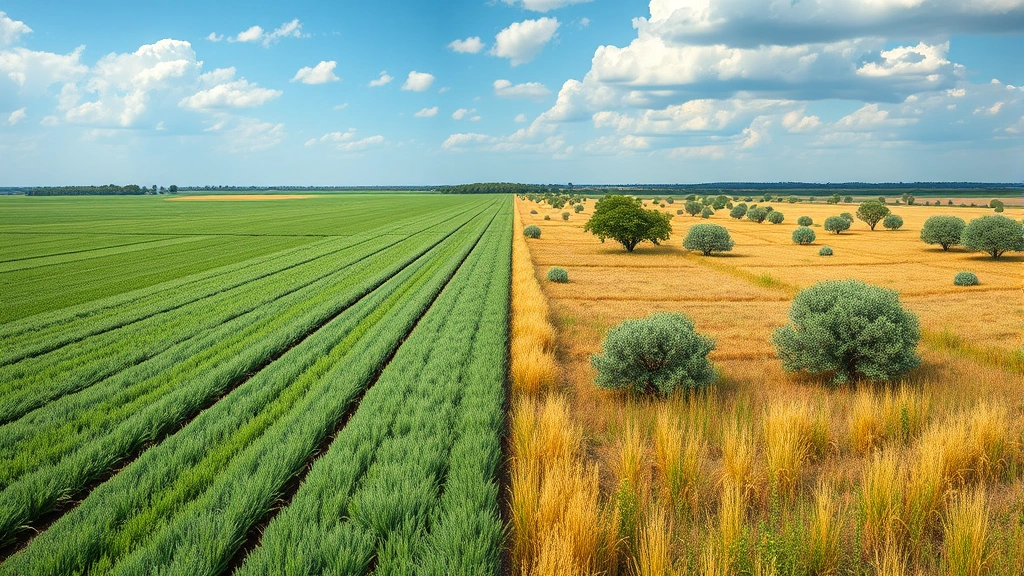
The relationship between environment and society in Texas exemplifies how economic systems reshape natural systems. Oil and gas extraction has generated $1.3 trillion in state revenue over decades, but has also left behind contaminated aquifers, methane emissions, and degraded landscapes. Similarly, agricultural expansion—particularly cotton and cattle ranching—has transformed approximately 85% of Texas’s original grasslands and prairies into pasture and cropland, fundamentally altering biodiversity and soil structure.
These trade-offs were historically viewed as acceptable costs of progress. Economic metrics celebrated job creation and tax revenue while environmental costs remained externalized—not counted in GDP, not reflected in corporate balance sheets, and not compensated to affected communities. Understanding the types of environment affected reveals the scope: terrestrial ecosystems, aquatic systems, atmospheric composition, and soil quality have all been compromised to fuel economic growth.
Energy Sector Dominance and Climate Implications
No sector better exemplifies the Texas economy-environment paradox than energy production. Texas leads the nation in oil production (9.5 million barrels daily), natural gas output, and increasingly, renewable energy capacity. The energy sector represents approximately 8-10% of state GDP and directly employs over 500,000 Texans. This dominance has delivered prosperity but also locked Texas into carbon-intensive development patterns.
Texas accounts for roughly 8% of U.S. carbon emissions despite being one state, reflecting its energy-intensive economy and heavy industrial base. These emissions contribute to climate change, which paradoxically threatens the economic systems that generated them. Rising temperatures increase cooling demands, stress water supplies, reduce agricultural productivity, and increase infrastructure maintenance costs. A World Bank analysis estimated climate impacts could reduce Texas GDP by 1-2% by 2050 without mitigation.
The terrestrial environment of Texas experiences direct impacts: extended droughts reduce soil moisture and vegetation productivity, heat waves stress livestock and crop systems, and changing precipitation patterns increase flood risk. Coastal areas face compound threats from sea-level rise and increased hurricane intensity, threatening the Port of Houston—which handles 28% of U.S. petrochemical trade.
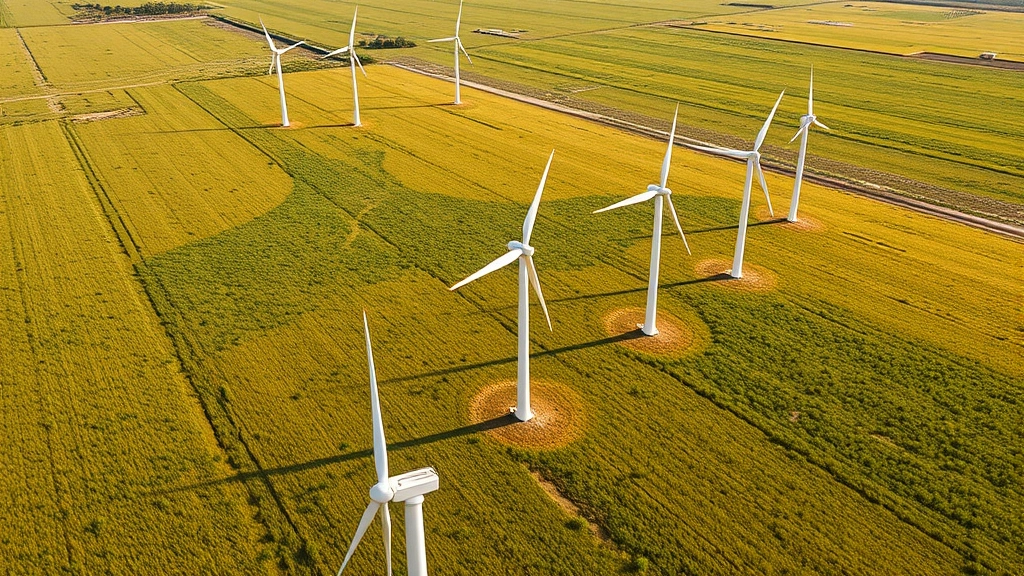
Yet Texas simultaneously leads renewable energy expansion, with wind capacity exceeding 43 GW and solar growing rapidly. This contradiction—simultaneous fossil fuel dominance and renewable leadership—reflects the complexity of Texas’s energy transition. The state’s wind boom demonstrates that economic growth and emissions reduction are not mutually exclusive, but transitioning the broader economy requires deliberate policy choices.
Water Security as Economic Necessity
Water represents perhaps the most fundamental connection between Texas’s economy and environment. The state’s $20 billion agricultural sector, $400+ billion manufacturing base, and growing urban centers all depend on reliable water supplies. Yet Texas faces chronic water stress driven by population growth, climate variability, and unsustainable extraction patterns.
The Ogallala Aquifer, which underlies the Texas Panhandle and supports extensive irrigation, has declined by approximately 30% since the 1930s. This depletion threatens $10+ billion in annual agricultural production and affects 2 million people dependent on the aquifer for drinking water. Similarly, surface water systems face pressure from competing demands: agriculture (80% of use), municipal supply (10%), and industrial needs (10%). Climate change intensifies these pressures by altering precipitation patterns and increasing evaporation rates.
Water security directly impacts economic competitiveness. Manufacturing facilities, data centers, and refineries require substantial water inputs. Population growth—Texas added 4 million residents in the last decade—increases municipal demand. Yet human-environment interaction in water management often prioritizes short-term extraction over long-term sustainability. Groundwater regulations remain weak compared to western states, and surface water allocation reflects historical rather than hydrological realities.
The economic cost of water stress manifests through reduced agricultural productivity, manufacturing constraints, infrastructure investments, and health impacts. Conversely, sustainable water management—through efficiency improvements, groundwater recharge, and ecosystem restoration—generates economic benefits. Studies show that agricultural water-use efficiency investments yield 3-5 dollars in economic return per dollar invested.
Agriculture, Land Use, and Soil Health
Agriculture remains central to Texas’s economy and identity, generating $25+ billion annually and employing 250,000 people directly. Yet conventional agricultural practices have degraded the soil systems underlying this productivity. Intensive tillage, monoculture cropping, and overgrazing have reduced soil carbon content, decreased water infiltration, and eroded topsoil at rates exceeding natural formation by 10-fold in some regions.
The Blackland Prairie, once Texas’s most productive agricultural region, exemplifies this transformation. Originally supporting diverse native grasses and wildlife, it now consists primarily of cotton monocultures dependent on synthetic fertilizers and pesticides. This shift increased short-term yields but reduced soil health, biodiversity, and resilience to drought and pests. The economic logic was straightforward: maximize production per acre through external inputs. The ecological consequence was equally clear: degrade the natural capital upon which long-term productivity depends.
Regenerative agriculture practices—cover cropping, reduced tillage, rotational grazing, and diversified cropping systems—offer pathways to restore both ecological function and economic resilience. Research demonstrates that regenerative systems build soil carbon, improve water retention, reduce input costs, and maintain yields over time. Adoption remains limited, constrained by upfront transition costs, technical knowledge gaps, and commodity price structures that reward volume over sustainability.
Ranching, which occupies approximately 130 million acres of Texas, similarly faces sustainability challenges. Overgrazing degrades vegetation and soil, reduces wildlife habitat, and increases erosion. Yet well-managed grazing can enhance ecosystem function, build soil carbon, and support diverse wildlife. The economic model matters: ranches managed for maximum livestock production often degrade ecological systems, while those managed for ecosystem health alongside production create genuine symbiosis.
Urban Growth and Ecosystem Fragmentation
Texas’s urban areas—particularly the Dallas-Fort Worth, Houston, Austin, and San Antonio metropolitan regions—are expanding rapidly, driven by population growth and economic opportunity. Urban expansion fragments ecosystems, eliminates habitat, increases impervious surfaces, and stresses water supplies. Yet cities also represent economic concentration and opportunity for sustainable development.
Urban sprawl generates substantial economic costs beyond environmental degradation: longer commutes increase transportation expenses, dispersed development increases infrastructure costs per capita, and ecosystem loss reduces ecosystem services (pollination, water filtration, flood mitigation, temperature regulation). Studies estimate that sprawl development costs 5-10% more per household than compact development while generating fewer ecosystem services.
Conversely, dense urban development can reduce per-capita resource consumption, support public transportation, preserve agricultural lands and natural areas, and create vibrant, economically productive communities. Austin’s tech boom occurred in a relatively compact urban area, generating wealth while maintaining green space access. Yet Austin’s success has driven rapid expansion, threatening the Hill Country ecosystem and water supplies that attracted initial development.
Ecosystem fragmentation extends beyond direct land conversion. Roads, power lines, and urban development create barriers to wildlife movement, disrupt hydrological patterns, and alter microclimates. The economic value of these disruptions—reduced pollination, altered water cycling, species extinction—remains largely unquantified and uncompensated. The Ecorise Daily blog explores how these connections shape policy and practice across diverse ecosystems.
The Texas Campaign for Environmental Action
Recognition of these challenges has spurred growing environmental advocacy, including the Texas Campaign for the Environment—a coalition of organizations working to align Texas’s economy with ecological sustainability. This movement challenges the assumption that environmental protection and economic growth are opposed, instead arguing that genuine prosperity requires ecological stability.
The campaign focuses on multiple fronts: advancing renewable energy transition, protecting water resources, restoring natural ecosystems, supporting sustainable agriculture, and promoting sustainable urban development. These initiatives recognize that environmental quality generates economic value through improved health, enhanced productivity, and reduced disaster costs. A UNEP assessment found that environmental investments in Texas could generate $50+ billion in economic benefits through improved health, agricultural productivity, and avoided climate damages.
Policy proposals include stronger water conservation standards, investment in ecosystem restoration, incentives for renewable energy and sustainable agriculture, land-use planning that prioritizes compact development, and pollution control regulations. Each proposal faces opposition from incumbent industries and stakeholders benefiting from current arrangements, yet economic analysis increasingly supports environmental measures as economically rational investments.
The campaign reflects broader recognition that Texas’s economy and environment are not separate systems requiring trade-offs, but integrated systems where environmental degradation undermines economic foundations. This perspective aligns with ecological economics research demonstrating that natural capital depletion, though not reflected in GDP, represents genuine economic loss.
Green Economy Opportunities and Transition Pathways
The clean energy sector represents Texas’s fastest-growing economic opportunity. Renewable energy, energy efficiency, sustainable agriculture, ecological restoration, and environmental technology all generate substantial economic activity while improving environmental outcomes. Texas’s wind industry alone supports 25,000 jobs and generates $1.8 billion annually in economic activity.
Beyond wind, emerging opportunities include solar development (currently 3 GW capacity with rapid growth potential), battery storage technology, grid modernization, sustainable forestry, regenerative agriculture, ecotourism, and environmental consulting. These sectors often generate higher-value employment than extractive industries, require less water, and create more distributed economic benefits. A comprehensive economic analysis projected that Texas could create 150,000+ net new jobs through clean energy transition by 2030.
Transition challenges are substantial. Fossil fuel workers and communities deserve support through retraining programs, pension protection, and economic diversification investment. Oil and gas companies have invested in political influence to slow transition. Energy price structures often fail to reflect environmental costs, disadvantaging clean alternatives. Yet economic analysis increasingly demonstrates that transition costs are substantially lower than climate damage costs.
Sustainable agriculture represents another major opportunity. Texas could develop premium markets for regeneratively-produced goods, build agricultural tourism, and capture carbon credit value through soil carbon sequestration. Processing and distribution of local agricultural products generates additional employment. These shifts require institutional change—agricultural education, market development, supply chain investment—but generate economic resilience alongside environmental benefits.
Building True Economic-Environmental Symbiosis
Creating genuine symbiosis between Texas’s economy and environment requires systemic change across multiple domains. This transformation is not primarily technical—the technologies exist for renewable energy, sustainable agriculture, and ecosystem restoration. Rather, it requires institutional, political, and cultural change aligned with ecological reality.
Economic accounting must internalize environmental costs. GDP growth that depletes aquifers, degrades soil, and increases emissions represents false prosperity. Carbon pricing, water pricing reflecting scarcity, and natural capital accounting would reveal true economic performance and incentivize sustainable practices. World Bank research demonstrates that comprehensive environmental accounting typically reveals that environmental protection generates net economic benefits.
Policy must align incentives with sustainability. Subsidies for fossil fuels, water extraction, and unsustainable agriculture should be redirected toward renewable energy, ecosystem restoration, and sustainable agriculture. Land-use planning should prioritize compact development and ecosystem protection. Water allocation should reflect long-term sustainability rather than historical entitlements. Agricultural programs should support transition to regenerative practices.
Investment in natural capital restoration—reforestation, wetland restoration, prairie recovery, stream restoration—generates immediate employment while building long-term economic resilience. These investments improve water infiltration, enhance biodiversity, sequester carbon, and increase ecosystem service provision. Economic analysis demonstrates that ecosystem restoration typically yields 5-15 dollars in benefits per dollar invested.
Education and cultural change must accompany policy and investment shifts. Understanding environment science fundamentals and ecological economics principles reveals how environmental protection serves economic interests. Texas’s agricultural heritage, outdoor recreation culture, and natural beauty provide cultural foundations for environmental stewardship aligned with long-term prosperity.
The symbiosis Texas seeks is not a balance between opposing forces, but recognition that economic and environmental systems are integrated. Ecosystem health enables economic productivity; economic prosperity enables investment in environmental protection. Texas’s challenge is building institutions, policies, and markets that reinforce this symbiosis rather than undermining it.
This transformation faces resistance from incumbent interests and requires political will. Yet Texas’s economic strength, technological capability, and natural resource endowment position it to lead this transition. States and nations watching Texas’s choices will likely follow successful models. The question is not whether Texas’s economy and environment can support one another—they must, or both will decline together. The question is whether Texas will build institutions and policies that recognize and strengthen this interdependence.
” alt=”Texas landscape showing natural and developed areas transitioning”>
” alt=”Renewable energy infrastructure in Texas landscape”>
FAQ
How much of Texas’s economy depends on natural resources?
Approximately 15-20% of Texas’s economy directly depends on natural resource extraction and agriculture. However, a much larger portion indirectly depends on ecosystem services—water provision, pollination, climate regulation, and flood mitigation. Studies suggest that ecosystem services provide $50+ billion annually in economic value to Texas, far exceeding the direct value of resource extraction.
Can Texas transition to renewable energy without economic disruption?
Transition requires deliberate management of workforce and community impacts. However, clean energy sectors are growing faster than fossil fuel sectors, creating net job growth. Economic analysis suggests managed transition over 20-30 years can generate more employment than current fossil fuel dependence while reducing long-term climate and health costs. Key factors include worker retraining, pension protection, and investment in affected communities.
What role does the Texas Campaign for the Environment play in policy?
The campaign functions as advocacy coalition, bringing together environmental organizations, scientists, and concerned citizens to influence policy through public education, legislative advocacy, and community organizing. While not directly controlling policy, such campaigns shift political feasibility by demonstrating constituent support for environmental measures and providing technical expertise to policymakers.
How does water scarcity affect Texas’s economic future?
Water scarcity threatens agriculture, manufacturing, and population growth. The Ogallala Aquifer depletion could reduce agricultural production by 20-30% within 30-50 years without intervention. Manufacturing and municipal water costs will increase substantially. Proactive investment in water efficiency, groundwater recharge, and alternative supplies can mitigate these impacts, but requires immediate action and sustained investment.
What economic opportunities exist in ecosystem restoration?
Ecosystem restoration generates employment in restoration work, monitoring, and management while providing ecosystem services worth far more than restoration costs. Carbon credit markets, ecotourism, and premium agricultural products also create economic value. Studies suggest that Texas could create 50,000+ jobs in ecosystem restoration while improving environmental outcomes.


