
Deep Sea Recovery’s Economic Impact: Study Insights
The recovery of bodies and materials from deep water environments represents a critical intersection of maritime operations, forensic science, and economic policy. Recent studies reveal that deep sea recovery operations generate substantial economic impacts across multiple sectors, from specialized salvage industries to coastal community development. Understanding these economic dimensions provides insight into how environmental challenges drive innovation, create employment, and reshape regional economies.
Deep water recovery operations have evolved significantly over the past two decades, driven by advances in submersible technology, remote sensing capabilities, and international maritime regulations. The economic implications extend beyond immediate operational costs, influencing insurance markets, legal frameworks, and investment in marine infrastructure. This comprehensive analysis examines the multifaceted economic consequences of deep sea recovery efforts and their broader implications for sustainable ocean management.

Understanding Deep Sea Recovery Operations
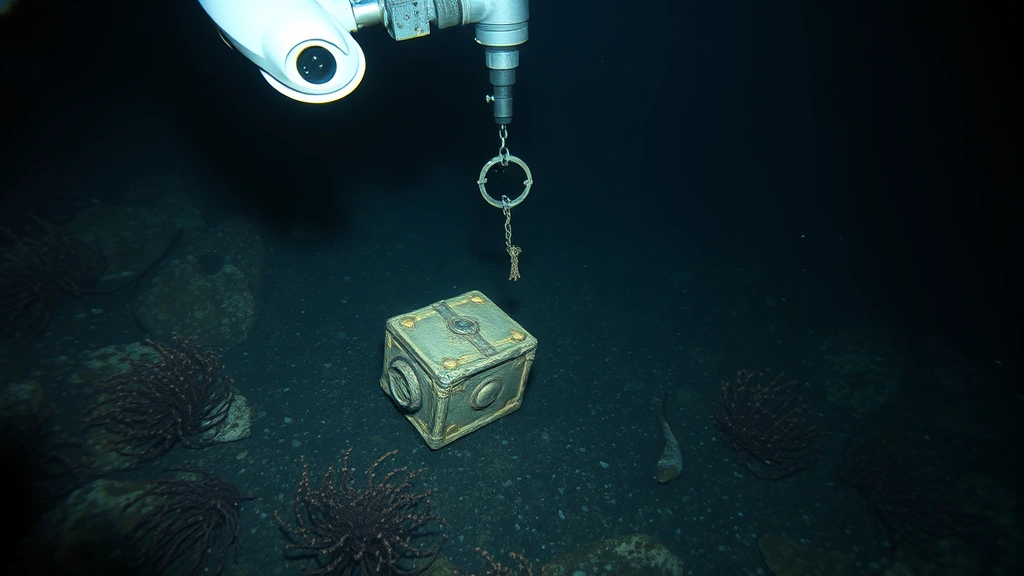
Deep sea recovery encompasses the specialized operations required to locate, access, and retrieve human remains, vessels, cargo, and environmental samples from ocean depths exceeding 200 meters. These operations demand sophisticated equipment, highly trained personnel, and significant capital investment. The complexity increases substantially with depth, water conditions, and environmental factors such as pressure, temperature, and currents.
The economic foundation of deep sea recovery rests on several critical factors. First, the regulatory environment established by international maritime law creates demand for professional recovery services. Second, insurance requirements and legal liability drive organizations to invest in recovery capabilities. Third, technological advancement has made previously impossible recovery operations economically feasible, expanding the addressable market.
Recent initiatives from organizations like the World Bank have documented how maritime infrastructure investments, including recovery capabilities, contribute to broader economic development. The study of these operations reveals important patterns in how specialized services create value chains that benefit multiple stakeholders across geographic regions.
Economic Drivers and Market Growth
The deep sea recovery market has experienced compound annual growth rates exceeding 8-12% over the past decade, according to industry analysis. This expansion reflects several converging economic factors. Increased maritime traffic generates more incidents requiring recovery services. Growing international commerce means higher-value cargo recovery operations. Climate change impacts ocean conditions, creating more hazardous situations requiring professional intervention.
The economic value generated by successful recovery operations extends across multiple dimensions. When bodies are recovered, families gain closure and can proceed with inheritance settlements, insurance claims, and legal proceedings. Maritime disasters that previously resulted in total loss now enable partial cargo recovery, reducing economic losses for shipping companies and insurers. Environmental contamination from sunken vessels can be addressed through professional recovery, preventing long-term ecological and economic damage.
Market analysis reveals that deep sea recovery services command premium pricing, reflecting the specialized nature of operations and inherent risks. A single major recovery operation can generate revenues exceeding $5-15 million, depending on complexity and duration. This economic incentive has sparked investment in human environment interaction technologies that enhance operational capabilities while reducing costs.
The insurance industry serves as a primary driver of demand for recovery services. Marine insurance policies frequently include provisions for recovery operations, creating a contractual obligation to attempt salvage. This generates consistent revenue streams for specialized recovery companies and incentivizes continuous technological improvement.
Employment and Workforce Development
Deep sea recovery operations create specialized employment across multiple skill levels and geographic locations. Submersible pilots require extensive training and certification, commanding salaries in the $120,000-$200,000 annual range. Marine engineers, ROV (remotely operated vehicle) operators, forensic specialists, and project managers form the core technical workforce. Support roles include logistics coordinators, safety officers, and data analysts.
The workforce development implications are significant. Coastal regions with established recovery industries experience reduced unemployment and attract talent from broader geographic areas. Educational institutions have responded by developing specialized certification programs in marine salvage operations and deep water exploration. These training programs represent an investment in human capital that extends benefits beyond individual companies to entire regional economies.
Employment multiplier effects amplify the direct job creation. Recovery companies require support services including equipment maintenance, supply chain management, transportation, and hospitality. A single major recovery operation might employ 50-100 people directly while supporting another 100-150 jobs indirectly through supply chains and service provision.
Gender inclusion in recovery operations has improved substantially, with women now comprising approximately 15-20% of technical roles in major recovery companies. This shift reflects broader economic trends toward inclusive hiring practices and recognizes the diverse skill sets required for complex maritime operations.
Technology Investment and Innovation
The economic impact of deep sea recovery extends significantly into technology development and innovation. Companies operating in this sector invest 12-18% of revenues into research and development, creating spillover benefits across marine technology industries. Advances in submersible design, sensor technology, and autonomous systems developed for recovery operations find applications in scientific research, offshore energy development, and environmental monitoring.
Investment in recovery technology has catalyzed broader oceanic innovation. Advances in deep-sea robotics, pressure-resistant materials, and communication systems developed for recovery operations benefit the entire marine technology ecosystem. Environment variables python programming techniques adapted from recovery operations support data analysis in oceanographic research and environmental management.
The economic value of technology spillovers is substantial. Innovations developed for recovery operations reduce costs in offshore oil and gas exploration, renewable energy installation, and scientific research. A single technological breakthrough in submersible efficiency might generate hundreds of millions in economic value across multiple industries.
Venture capital investment in deep sea technology companies has increased dramatically, with funding rounds exceeding $500 million annually in recent years. This capital influx accelerates innovation cycles and attracts world-class talent to the sector, creating virtuous cycles of improvement and expansion.
Insurance and Risk Management Implications
The insurance industry’s engagement with deep sea recovery creates complex economic relationships. Marine insurers must evaluate recovery probabilities, operational costs, and risk factors when setting premiums and coverage limits. This analysis drives investment in recovery capabilities, as insurers recognize that successful recovery operations reduce overall claim costs.
Risk management frameworks developed for recovery operations have broader applications in maritime commerce. Understanding the economics of deep water operations improves overall risk assessment for shipping companies, port operators, and logistics providers. This improved risk quantification allows more efficient capital allocation across the maritime industry.
The economics of insurance create incentives for prevention, mitigation, and recovery. Companies investing in advanced navigation systems, crew training, and vessel maintenance reduce incidents requiring recovery operations. Simultaneously, those same companies recognize that recovery capabilities represent valuable insurance, justifying investment in partnerships with specialized recovery firms.
Reinsurance markets have developed sophisticated models for pricing recovery-related risks, creating a secondary market that distributes risk across global financial institutions. This market development attracts institutional capital to maritime sectors and improves overall economic efficiency in ocean-related industries.
Regional Economic Benefits
Specific geographic regions have emerged as centers of deep sea recovery excellence, generating concentrated economic benefits. Coastal areas with established recovery infrastructure, skilled workforces, and supporting industries experience significant competitive advantages. Regions including Northern Europe, Singapore, and the Gulf of Mexico have developed clusters of recovery expertise that attract international business.
Regional economic development studies demonstrate that recovery industry presence correlates with broader maritime sector growth. Regions hosting major recovery companies experience increased investment in port infrastructure, marine education, and research facilities. These spillover effects create diversified economic bases less vulnerable to sector-specific downturns.
Local supply chains supporting recovery operations generate economic activity beyond direct employment. Equipment manufacturers, maintenance providers, fuel suppliers, and logistics companies all benefit from recovery industry presence. Economic modeling suggests that each direct job in recovery operations supports 1.5-2.0 additional jobs in supporting industries.
Tourism and research activities benefit from recovery industry infrastructure. Submersible technology developed for recovery operations enables marine scientific research, educational programs, and ecotourism activities. This diversification of economic activity reduces regional dependence on any single industry and builds more resilient economies.
Government investment in recovery infrastructure generates long-term returns through tax revenue, employment stability, and reduced social service demands. Regions that proactively develop recovery capabilities position themselves to capture larger shares of growing global markets for specialized maritime services.
Environmental Economics Perspective
From an environmental economics standpoint, deep sea recovery operations represent investments in natural capital preservation and ecosystem protection. When sunken vessels leak fuel, chemicals, or hazardous materials, environmental damage can extend across decades and hundreds of kilometers of ocean. Professional recovery operations prevent these damages, preserving ecosystem services worth billions in economic value.
The concept of ecosystem services valuation applies directly to recovery operations. Preventing contamination of fishing grounds, maintaining water quality, and protecting marine biodiversity all generate quantifiable economic value. Research from the United Nations Environment Programme demonstrates that investment in prevention and recovery typically costs a fraction of environmental remediation expenses following contamination events.
Carbon footprint considerations complicate the economic analysis. Recovery operations require energy-intensive submersible operations, transportation, and support systems. However, these emissions typically prove minimal compared to environmental damages prevented through successful recovery. Life cycle assessments demonstrate net positive environmental outcomes for most recovery operations, particularly those preventing major contamination events.
The economic value of maintaining human environment interaction balance in ocean ecosystems extends beyond direct ecosystem services. Healthy marine ecosystems support fisheries, tourism, and pharmaceutical research worth trillions in economic value. Recovery operations that prevent ecosystem degradation represent investments in maintaining these valuable systems.
Economic policy frameworks increasingly recognize the need to account for environmental externalities in maritime operations. This shift creates economic incentives for investment in recovery capabilities that prevent environmental damage. Carbon pricing mechanisms and ecosystem service valuations make recovery operations economically attractive even when direct revenue might be limited.
Research from ecological economics journals demonstrates that integrating environmental considerations into maritime economic analysis substantially increases the calculated value of recovery operations. Studies published in journals focused on ecological economics research reveal that accounting for prevented environmental damage increases recovery operation value by 200-400% compared to traditional financial analysis.
The intersection of deep sea recovery and environmental protection creates opportunities for how to reduce carbon footprint initiatives in maritime sectors. Companies implementing recovery operations can simultaneously pursue emissions reduction strategies, creating competitive advantages in increasingly environmentally conscious markets.
International policy frameworks including the International Maritime Organization’s environmental regulations increasingly mandate recovery capabilities for high-risk vessels. This regulatory shift creates sustained economic demand for recovery services and justifies long-term industry investment.
The economic case for recovery operations strengthens as environmental valuation methodologies mature. As governments implement more sophisticated approaches to valuing ecosystem services and environmental damage prevention, the economic attractiveness of investment in recovery capabilities increases substantially.
FAQ
What is the typical cost of a deep sea recovery operation?
Deep sea recovery operation costs vary dramatically based on depth, duration, and complexity. Simple operations at moderate depths might cost $500,000-$2 million, while major operations at extreme depths can exceed $15-20 million. These costs typically include equipment mobilization, specialized personnel, insurance, and operational expenses over weeks or months of work.
How do recovery operations contribute to local economies?
Recovery operations generate economic benefits through direct employment, technology development, supply chain activity, and knowledge spillovers. Regions hosting recovery infrastructure experience increased investment in supporting services, educational programs, and research facilities. Multiplier effects typically generate 1.5-2.0 additional jobs for each direct recovery industry job.
What technological advances have improved recovery economics?
Advances in submersible design, autonomous systems, sensor technology, and communication systems have dramatically improved recovery operation efficiency and reduced costs. Innovations in materials science enable deeper operations, while improvements in robotics reduce operational complexity and risk. These advances have expanded the market for recovery services by making previously impossible operations economically feasible.
How do insurance considerations affect recovery operations?
Insurance requirements drive substantial demand for professional recovery services. Marine insurers evaluate recovery probabilities when setting premiums and coverage limits, creating economic incentives for companies to invest in recovery capabilities. Risk management frameworks developed for recovery operations improve overall maritime industry efficiency and capital allocation.
What environmental benefits result from recovery operations?
Recovery operations prevent environmental contamination from sunken vessels, protecting marine ecosystems and preserving ecosystem services worth billions in economic value. Preventing fuel leaks, chemical spills, and hazardous material releases avoids long-term environmental damage and associated remediation costs. Life cycle assessments typically show net positive environmental outcomes for recovery operations.
How do educational programs support the recovery industry?
Specialized certification programs in marine salvage, submersible operations, and deep water exploration develop skilled workforces required for recovery operations. Educational institutions collaborate with industry to ensure curriculum relevance and create pathways for career advancement. These programs represent investments in human capital that benefit entire regional economies.
What role does international maritime law play in recovery economics?
International maritime law establishes regulatory frameworks that create demand for professional recovery services. Regulations requiring recovery attempts for high-value cargo and hazardous materials generate sustained economic activity. Legal liability frameworks incentivize companies to invest in recovery capabilities and professional partnerships.


