
Human Innovations Boosting Ecosystems: Recent Findings
For decades, the narrative surrounding human influence on the environment has centered on degradation, deforestation, and climate disruption. Yet emerging research reveals a compelling counternarrative: humans possess remarkable capacity for ecological restoration and innovation that actively strengthens ecosystem health. From regenerative agriculture to advanced wildlife corridors, contemporary innovations demonstrate that human ingenuity, when guided by ecological principles, can reverse environmental damage and create thriving natural systems. This shift represents not naive optimism but evidence-based recognition of humanity’s potential as an ecological force for renewal.
The intersection of human innovation and ecosystem restoration has become one of the most dynamic fields in environmental science. Scientists, entrepreneurs, and communities worldwide are implementing solutions that go beyond sustainability—they actively enhance biodiversity, restore degraded lands, and strengthen ecological resilience. Understanding these positive impacts requires examining specific innovations, their mechanisms, and their measurable outcomes across diverse ecosystems globally.
Regenerative Agriculture and Soil Restoration
Regenerative agriculture represents one of humanity’s most impactful innovations for ecosystem enhancement. Unlike conventional farming that depletes soil through monoculture and chemical inputs, regenerative practices build soil carbon, increase water retention, and restore microbial communities that form the foundation of terrestrial ecosystems. Recent studies indicate that regenerative farms sequester 2-4 tons of carbon dioxide per acre annually while simultaneously improving crop yields and farm profitability.
The mechanisms behind this success involve cover cropping, reduced tillage, diverse crop rotations, and integrated livestock management. These practices mimic natural ecosystem succession, allowing soil organisms to flourish and creating conditions where plants develop deeper root systems. A World Bank analysis documented that transitioning 25% of global agricultural land to regenerative practices could sequester enough carbon to offset a decade of global emissions while enhancing food security for over 1 billion people.
Farmers implementing positive impact of human activities on environment strategies report increased earthworm populations, improved water infiltration, and enhanced pest predation by beneficial insects. In sub-Saharan Africa, regenerative agriculture has transformed 40 million hectares, restoring productivity to degraded lands while supporting livelihoods for smallholder farmers. These innovations demonstrate that feeding humanity and restoring ecosystems are complementary goals rather than competing interests.
The economic benefits extend beyond carbon sequestration. Regenerative farms require fewer external inputs, reducing dependency on synthetic fertilizers and pesticides. Soil health improvements create natural drought resilience, protecting farmers from climate volatility. Market premiums for regeneratively-grown products have increased 300% over the past five years, creating financial incentives that align farmer prosperity with ecological restoration.
Technological Innovations in Conservation
Digital technology and artificial intelligence have revolutionized ecosystem monitoring and species protection. Acoustic sensors deployed across rainforests now detect illegal logging activities in real-time, enabling rapid response from conservation teams. Computer vision algorithms trained on millions of camera trap images can identify individual animals, track population dynamics, and detect poaching attempts with accuracy exceeding 98%.
Drone technology enables landscape-scale ecosystem assessment previously impossible through traditional methods. Conservation teams use thermal imaging and multispectral analysis to identify stressed vegetation, monitor wetland health, and track invasive species expansion. In Southeast Asia, drone-assisted reforestation has increased tree survival rates from 40% to 87% by enabling precise targeting of planting locations and automated monitoring of seedling establishment.
Understanding how humans affect the environment through technology reveals that innovation itself is neutral—its ecological outcome depends entirely on application. Blockchain technology now tracks sustainable supply chains, enabling consumers to verify that their purchases support ecosystem protection. DNA barcoding has identified thousands of previously unknown species, fundamentally changing conservation prioritization by revealing biodiversity hotspots requiring urgent protection.
Satellite technology provides unprecedented capacity for landscape monitoring. The Global Forest Watch platform, powered by satellite imagery analysis, tracks deforestation in near real-time across tropical regions. This transparency has enabled governments and corporations to identify illegal logging operations within days rather than years, fundamentally shifting power dynamics toward conservation enforcement. Machine learning algorithms process petabytes of environmental data, identifying ecological patterns invisible to traditional analysis and predicting ecosystem tipping points before they occur.
Citizen science platforms have democratized environmental monitoring, enabling millions of people to contribute observations to global biodiversity databases. iNaturalist now hosts over 150 million observations, creating the world’s largest repository of species occurrence data. This crowdsourced approach has discovered hundreds of new species, documented range expansions of climate-threatened species, and identified conservation priorities informed by global rather than regional perspectives.

Urban Green Infrastructure
Cities, often perceived as ecological wastelands, have become laboratories for ecosystem restoration through innovative green infrastructure. Green roofs and living walls transform building surfaces into miniature ecosystems supporting pollinators, reducing urban heat island effects, and managing stormwater runoff. Cities implementing comprehensive green infrastructure programs report 40-60% reductions in flooding, improved air quality, and urban temperatures 2-5°C cooler than conventional cities.
Rewilding urban spaces through the removal of unnecessary pavement and creation of native plant corridors has restored habitat connectivity within cities. Toronto’s restoration of the Don River valley transformed a degraded industrial zone into thriving wetland supporting 700+ plant species and numerous wildlife populations. These projects demonstrate that human environment interaction need not result in ecological loss—thoughtful design can create urban spaces that support both human wellbeing and ecosystem health.
Vertical gardens and urban forests provide measurable ecological benefits. A single street tree provides annual ecosystem services (air purification, stormwater management, cooling, noise reduction) valued at $200-500. Cities investing in urban forestry programs have increased canopy cover by 20-35%, creating corridors that enable wildlife movement through metropolitan areas. Singapore’s transformation into a “City in a Garden” increased green space by 40% while maintaining rapid urban development, proving that density and nature are compatible.
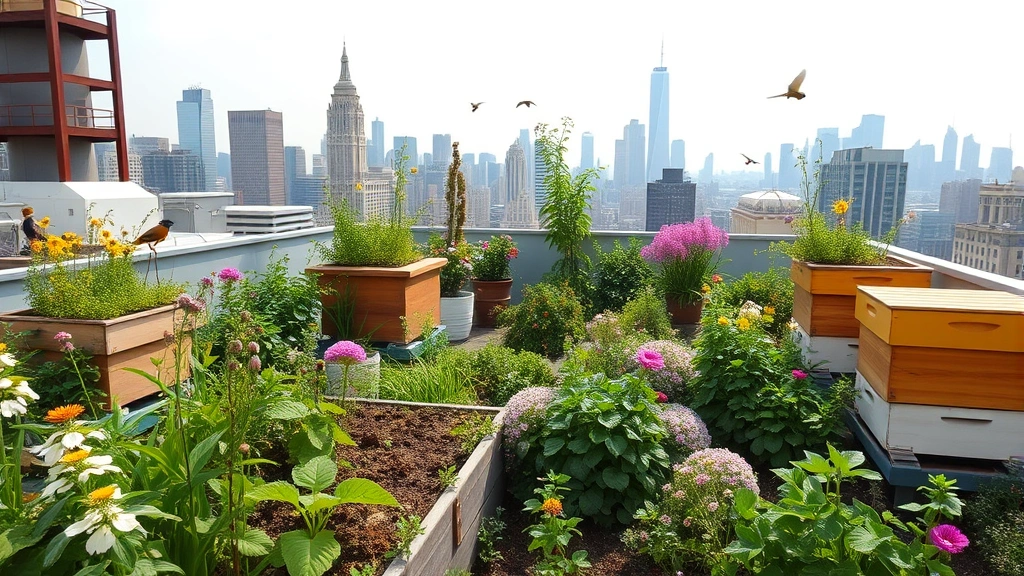
Pollinator-friendly urban gardens have increased bee populations in cities to levels exceeding nearby agricultural areas. Rooftop apiaries in New York City produce honey with lower pesticide residues than suburban honey, reflecting the reduced chemical inputs in urban environments compared to conventional farming. These initiatives have created urban ecosystems more biodiverse than surrounding rural areas, reversing the historical assumption that cities represent ecological dead zones.
Marine Ecosystem Recovery
Ocean conservation innovations have reversed decline in previously devastated marine ecosystems. Coral restoration programs now maintain nurseries of climate-resilient coral species, with success rates for transplanted colonies reaching 85% survival. The Reef Restoration Foundation has restored 60,000 corals across Australian reefs, demonstrating that active intervention can accelerate recovery in systems experiencing climate stress.
Marine protected areas, when effectively enforced, enable fish populations to recover to biomass levels not seen in decades. The Phoenix Islands Protected Area experienced 400% increases in large fish biomass within five years of protection implementation. These recovery patterns reveal that ocean ecosystems possess remarkable regenerative capacity when human extraction pressure is removed, supporting optimism about marine restoration potential.
Technological innovations enable restoration at unprecedented scales. Autonomous underwater vehicles now map seafloor habitats, identify optimal locations for kelp forest restoration, and monitor recovery progress. Oyster reef restoration projects have rebuilt ecosystem engineering structures that support thousands of species, improve water quality, and provide coastal protection exceeding $1 million per mile of restored reef in ecosystem services.
Fishing practice innovations reduce bycatch while maintaining food security. Selective fishing gear modifications have reduced unintended species capture by 70-90% in multiple fisheries. Ecosystem-based fisheries management, which considers entire food webs rather than single species, has stabilized fish populations while maintaining catches that support food security for 3+ billion people dependent on seafood protein.
Community-Led Restoration Projects
Indigenous and local communities have pioneered ecosystem restoration approaches refined through centuries of ecological knowledge. Indigenous land management practices, including controlled burning regimes, have proven superior to fire suppression for maintaining ecosystem health, reducing catastrophic wildfires, and supporting biodiversity. Countries recognizing indigenous land rights have achieved conservation outcomes matching or exceeding those of government-managed protected areas at a fraction of the cost.
Community-based natural resource management in Africa has transformed conservation outcomes. Namibia’s communal conservancy program, which returned wildlife management authority to local communities, increased wildlife populations by 300% while generating income that supported rural development. This model demonstrates that environment and society interests align when governance structures enable equitable benefit distribution from conservation.
Participatory restoration programs in Asia have engaged millions of people in ecosystem recovery. Vietnam’s mangrove restoration initiative involved 300,000 community members in replanting efforts, recovering 50,000 hectares of coastal wetland that now protects communities from typhoons while supporting fisheries supporting 2+ million people. These projects generate social cohesion, environmental education, and economic opportunity simultaneously.
Community seed banks and crop diversity preservation initiatives protect agricultural biodiversity while strengthening food security. In Mexico, indigenous communities maintain 35,000+ traditional corn varieties, preserving genetic diversity that underpins crop resilience to climate variability. These efforts represent essential insurance against monoculture vulnerability while honoring cultural heritage and supporting farmer autonomy.
Economic Models Supporting Ecological Health
Payment for ecosystem services models have created financial mechanisms enabling conservation investment. Costa Rica’s Payment for Environmental Services program pays landowners for forest conservation, achieving 99% forest recovery since 1987 despite high deforestation pressure in surrounding regions. This approach demonstrates that ecosystem protection becomes economically rational when conservation generates greater financial returns than conversion.
Carbon credit markets, despite imperfections, have mobilized billions of investment in ecosystem protection. Forest conservation projects have generated $2+ billion in carbon finance, funding reforestation across Africa, Asia, and Latin America. While carbon markets require rigorous verification to prevent fraud, emerging blockchain-based systems enable transparent tracking and verification of ecosystem outcomes.
Sustainable fashion innovations represent another domain where human creativity enhances environmental outcomes. Sustainable fashion brands utilizing regeneratively-grown fibers and innovative dyeing processes reduce water consumption by 90% compared to conventional textile production. These economic innovations prove that consumer demand can drive production systems toward ecological compatibility.
Ecological economics frameworks, increasingly adopted by governments, internalize environmental costs into economic decision-making. UNEP’s natural capital accounting initiatives enable nations to measure economic progress accurately by accounting for environmental depletion. Countries implementing these frameworks have redirected investment toward ecosystem restoration, recognizing that environmental degradation represents economic loss rather than costless growth.
Impact investing in ecosystem restoration has grown 400% over the past decade, with institutional investors recognizing that environmental degradation poses systemic financial risks. This capital reallocation is enabling restoration projects at scales previously impossible, transforming ecosystem recovery from charitable activity to mainstream investment strategy. Nature-based solutions now receive institutional support comparable to technological interventions, reflecting recognition of their effectiveness and economic returns.
The evidence demonstrates conclusively that human innovation, when aligned with ecological principles, enhances ecosystem health while supporting human wellbeing. Regenerative agriculture, conservation technology, urban green infrastructure, marine restoration, community-led initiatives, and supportive economic models collectively create conditions where human activity strengthens rather than diminishes natural systems. These innovations are not speculative future possibilities—they operate at scale today, generating measurable benefits for biodiversity, carbon sequestration, food security, and human communities simultaneously.
The transition toward regenerative human-ecosystem relationships requires scaling these proven approaches, removing policy barriers that incentivize degradation, and redirecting capital toward restoration. This transformation is economically rational, scientifically justified, and increasingly achievable. Understanding recent findings on ecosystem restoration reveals that humanity’s ecological future depends not on reducing human influence but on transforming its character—from extractive to regenerative, from degrading to enhancing, from short-term to perpetual stewardship of the living systems upon which all prosperity ultimately depends.
FAQ
How can regenerative agriculture improve ecosystem health beyond soil restoration?
Regenerative agriculture creates cascading ecological benefits. Diverse crop rotations and reduced chemical inputs support pollinator populations, enhance natural pest control through predatory insect communities, improve water infiltration and groundwater recharge, increase carbon sequestration in both soil and plant biomass, and create habitat corridors for wildlife. These interconnected benefits strengthen ecosystem resilience while improving farm productivity and profitability.
What is the role of technology in modern conservation efforts?
Technology enables conservation at unprecedented scales through real-time monitoring, species identification, poaching prevention, and landscape assessment. Artificial intelligence analyzes environmental data to identify conservation priorities, while blockchain ensures transparency in sustainable supply chains. However, technology serves conservation goals most effectively when combined with community engagement and traditional ecological knowledge rather than as a replacement for them.
Can urban areas truly support significant biodiversity?
Yes. Cities with comprehensive green infrastructure programs support biodiversity levels matching or exceeding surrounding agricultural areas. Green roofs, restored waterways, native plant corridors, and urban forests create habitat mosaics supporting thousands of species. These ecosystems provide crucial services including pollination, pest control, air purification, and stormwater management while improving human health and wellbeing.
How do marine protected areas restore fish populations?
Marine protected areas remove extraction pressure, enabling fish populations to recover through natural reproduction. Protected ecosystems experience trophic cascades where recovering predator populations control herbivorous species, allowing macroalgae recovery and ecosystem stabilization. Evidence demonstrates that well-enforced protected areas increase fish biomass 4-10 fold within 5-10 years, supporting food security in surrounding fishing communities through spillover effects.
What economic mechanisms incentivize ecosystem restoration?
Payment for ecosystem services programs directly compensate conservation through carbon credits, water quality improvements, and biodiversity protection. Impact investing channels institutional capital toward restoration projects. Sustainable product markets create premium pricing for regeneratively-produced goods. Natural capital accounting enables governments to measure true economic progress by accounting for environmental values, redirecting policy and investment toward restoration.


