
How Biodiversity Boosts Economy: Study Insights
Recent economic research demonstrates a compelling relationship between biodiversity conservation and economic prosperity. Far from being a trade-off between environmental protection and financial growth, emerging evidence suggests that robust ecosystems generate substantial economic returns through ecosystem services, job creation, and risk mitigation. This paradigm shift challenges conventional development models that treat nature as an infinite resource to exploit rather than a foundational economic asset requiring strategic investment.
The intersection of ecology and economics reveals that biodiversity loss represents one of the most significant yet undervalued economic risks facing global markets. When we examine the mechanisms through which biological diversity translates into measurable economic benefits, we uncover sophisticated relationships spanning pollination services, carbon sequestration, water purification, disease regulation, and cultural values. Understanding these connections requires interdisciplinary analysis combining ecological science, environmental economics, and financial assessment methodologies.

Ecosystem Services and Economic Valuation
Ecosystem services—the benefits humans derive from natural systems—constitute a critical but often invisible component of global economic output. The World Bank’s natural capital accounting framework estimates that ecosystem services globally contribute between $125 trillion and $145 trillion annually in economic value. This staggering figure dwarfs global GDP, yet traditional economic accounting systems fail to capture these contributions, creating systematic undervaluation of conservation investments.
Pollination services alone represent approximately $15 billion to $20 billion in annual agricultural value across developed nations. Bees, butterflies, and other pollinators maintain genetic diversity in crop populations while ensuring productivity in approximately 75% of global food crops. When biodiversity declines, pollinator populations collapse, directly threatening food security and farmer profitability. Research on human-environment interaction demonstrates that agricultural regions with higher biodiversity exhibit greater crop yield stability and resilience to climate variability.
Water purification services provided by wetlands, forests, and riparian ecosystems prevent costly treatment infrastructure investments. A single hectare of wetland can filter water at costs 50-75% lower than engineered water treatment facilities. Coastal wetlands additionally provide storm surge protection, reducing hurricane damage by 20-30% in protected regions. Environment and society relationships fundamentally depend on these hydrological services, yet development pressures consistently destroy wetland ecosystems for short-term economic gain.
Carbon sequestration in forests and marine ecosystems represents another quantifiable economic service. Tropical forests store approximately 250 tons of carbon per hectare, providing climate regulation worth an estimated $2,000-$6,000 per hectare over a 25-year period when valued at social cost of carbon metrics. This economic value justifies conservation expenditures that typically cost $100-$500 per hectare annually, creating favorable cost-benefit ratios even before considering additional ecosystem services.
Pharmaceutical development depends critically on genetic diversity. Approximately 25% of modern pharmaceutical drugs derive active compounds from plants, yet only 1% of tropical plant species have been screened for medicinal properties. The economic value of undiscovered pharmaceutical potential in remaining biodiversity exceeds $10 trillion when considering development costs and market values. Biodiversity loss represents destruction of unquantified economic assets before their value can be realized.
Biodiversity’s Role in Global Supply Chains
Modern supply chains depend entirely on biodiversity-dependent inputs, yet few companies systematically assess biological risks affecting production. Agricultural supply chains demonstrate particular vulnerability: coffee, cocoa, vanilla, and palm oil production all depend on specific ecosystem conditions and pollinator populations. Climate variability and biodiversity loss create supply shocks that propagate through global markets, affecting prices and corporate profitability.
Genetic diversity within crop species determines agricultural resilience. Modern monoculture systems sacrifice genetic diversity for short-term yield optimization, creating vulnerability to disease outbreaks and climate stress. Maintaining seed banks and wild relatives of crop species represents biodiversity investment that prevents catastrophic supply disruptions. The Irish Potato Famine demonstrates historical consequences of genetic homogeneity; modern supply chains face similar risks from reduced crop diversity.
Textile and fashion industries increasingly recognize biodiversity dependence. Sustainable fashion brands increasingly emphasize biodiversity in supply chain management, recognizing that cotton, silk, and wool production requires healthy soils, water systems, and pest control ecosystems. Regenerative agriculture practices that enhance biodiversity reduce input costs while improving fiber quality and supply chain resilience.
Fisheries represent biodiversity-dependent supply chains facing acute economic risk. Approximately 3.2 billion people depend on fish as primary protein sources, while 260 million depend on fishing-related employment. Overfishing and habitat destruction have collapsed numerous fisheries, destroying regional economies. Marine biodiversity conservation directly protects $150 billion in annual fishing industry value while enabling ecosystem recovery supporting future productivity.
Pharmaceutical and cosmetics industries depend on wild species collection and genetic resources. Biopiracy—commercial exploitation of genetic resources without benefit-sharing—represents estimated annual losses of $40-$80 billion to developing nations. Conversely, understanding how humans affect the environment through sustainable genetic resource management creates economic opportunities through bioprospecting agreements and technology transfer arrangements.
Employment and Green Economy Growth
Biodiversity conservation generates employment across multiple sectors at rates exceeding extractive industries. Environmental management, restoration ecology, sustainable agriculture, and ecotourism create jobs requiring diverse skill levels and educational backgrounds. Studies by the International Labour Organization document that conservation-related employment increased 15-20% annually during 2010-2020, outpacing overall employment growth.
Ecotourism represents the fastest-growing tourism sector, generating $600 billion annually with growth rates of 5-10% per year. Biodiversity-rich regions attract international visitors willing to pay premium prices for authentic natural experiences. Costa Rica generated $4.5 billion in ecotourism revenue by protecting 25% of its territory, directly benefiting 50,000+ workers while maintaining ecosystem services worth an estimated $9 billion annually.
Restoration ecology creates labor-intensive employment opportunities across degraded landscapes. Wetland restoration, forest regeneration, and grassland recovery projects employ thousands while enhancing biodiversity and ecosystem service provision. These projects generate multiplier effects through local supply chains and service provision, with job creation costs typically 20-40% lower than conventional infrastructure projects.
Sustainable agriculture practices emphasizing biodiversity create employment opportunities in agroforestry, organic farming, and integrated pest management. These approaches reduce chemical input costs while improving soil health and water retention, increasing farmer profitability. Reducing carbon footprint through regenerative agriculture simultaneously enhances biodiversity, improves soil carbon stocks, and increases farm resilience to climate variability.
Green finance and impact investing create financial sector employment while directing capital toward biodiversity-positive enterprises. The sustainable finance market exceeded $35 trillion in 2020, growing 15% annually. Biodiversity-focused investment funds now number in the hundreds, managing billions in assets dedicated to conservation and sustainable use of biological resources.
Climate Resilience and Financial Risk Management
Biodiversity directly correlates with ecosystem resilience—the capacity to recover from disturbances and maintain function under stress. Diverse ecosystems demonstrate greater stability in productivity and ecosystem service provision across environmental fluctuations. From financial risk management perspective, biodiversity represents insurance against climate volatility, disease outbreaks, and market disruptions.
Forests with high species diversity show 20-30% greater carbon storage capacity compared to monoculture plantations. Diverse forest compositions develop complex root systems improving water infiltration, reducing flooding risk and supporting consistent water flows during droughts. These hydrological services protect downstream infrastructure, agricultural production, and urban water supplies, generating economic value vastly exceeding conservation costs.
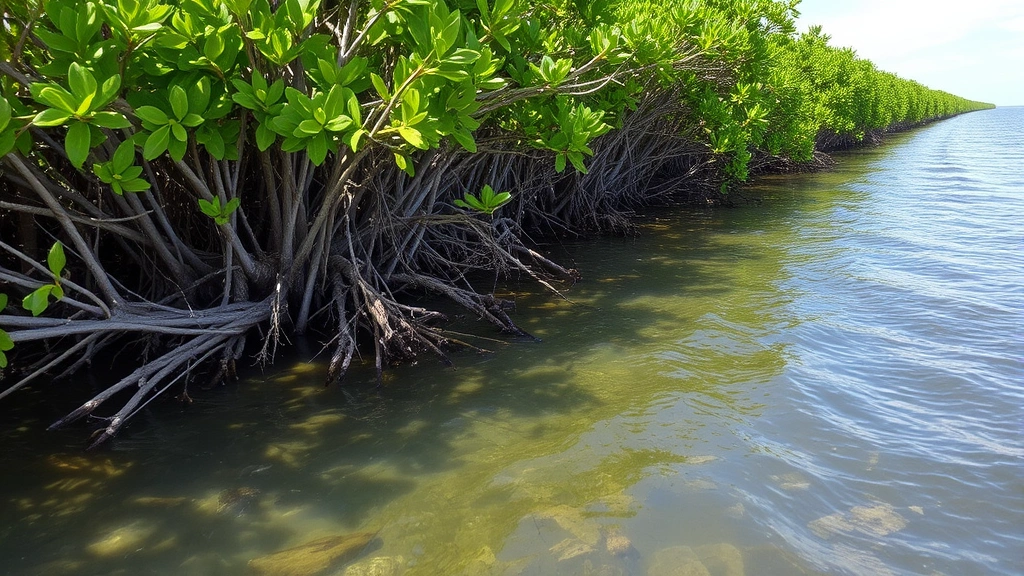
Mangrove ecosystems demonstrate exceptional climate resilience value. These biodiverse coastal systems provide nursery habitat for 80% of commercial fish species while protecting coastlines from storm surge. Mangrove loss has cost developing nations an estimated $40 billion in storm damage, fishery collapse, and saline intrusion damages over the past two decades. Mangrove restoration costs approximately $5,000 per hectare but provides $12,000-$15,000 in annual ecosystem service values.
Soil biodiversity determines agricultural resilience to climate stress. Diverse soil microbial communities enhance water retention, nutrient availability, and pathogen suppression. Soils with high biodiversity maintain productivity across 20-30% greater precipitation variability compared to degraded soils. This resilience becomes increasingly valuable as climate change increases weather extremes, directly protecting farmer incomes and global food security.
Disease regulation services provided by biodiversity reduce pandemic risk and healthcare costs. Natural ecosystems with high species diversity demonstrate lower zoonotic disease spillover rates, reducing pandemic emergence probability. Our blog explores these ecological-epidemiological connections in greater depth, examining how ecosystem health determines human health outcomes.
Case Studies: Biodiversity Investment Returns
Costa Rica’s biodiversity conservation strategy demonstrates measurable economic returns justifying large-scale investment. Between 1987-2010, Costa Rica invested $500 million in protected area management and forest restoration while reducing deforestation from 75% to 52% of territory. Simultaneously, ecotourism revenue increased from $400 million to $3.5 billion, while ecosystem service values (water provision, carbon sequestration, pollination) increased by an estimated $5 billion annually. Return on conservation investment exceeded 10:1 within two decades.
Madagascar’s biodiversity conservation efforts reveal economic benefits despite lower ecotourism revenue than Costa Rica. Madagascar contains 90% endemic species found nowhere else, making conservation both scientifically critical and economically valuable. International conservation funding ($200-$300 million annually) supports ecosystem services protecting agricultural productivity while creating sustainable employment alternatives to forest destruction. Economic modeling suggests biodiversity conservation generates 2-3x greater long-term value compared to forest conversion scenarios.
Indonesia’s mangrove restoration projects demonstrate rapid economic recovery from ecosystem degradation. Between 2010-2020, Indonesia restored 100,000 hectares of mangrove ecosystems through government and NGO partnerships. Restoration costs averaged $3,000 per hectare, while ecosystem service recovery (fisheries, storm protection, carbon sequestration) reached $8,000-$12,000 per hectare within 8-10 years. Fishery communities dependent on mangrove habitat experienced income recovery averaging 40% within five years of restoration.
Kenya’s wildlife conservation model generates $1.2 billion annually from ecotourism while supporting 280,000 direct and indirect jobs. Wildlife habitat conservation protects pastoral livelihoods dependent on rangeland ecosystems supporting cattle and wildlife coexistence. Economic analysis demonstrates that wildlife conservation generates 3-4x greater long-term value for pastoral communities compared to livestock-only production systems, while maintaining cultural traditions and ecosystem services.
Brazil’s Atlantic Forest restoration initiatives reveal employment and economic benefits from large-scale ecosystem recovery. A 2018 commitment to restore 15 million hectares created 350,000+ jobs in restoration, nursery operations, and related services. Economic modeling suggests restoration generates $15-$20 billion in ecosystem service value over 30 years while creating permanent employment in regions facing economic decline from agricultural consolidation.
Policy Integration and Economic Incentives
Economic valuation of ecosystem services informs policy frameworks that align conservation with financial incentives. Payment for ecosystem services (PES) programs compensate landowners for conservation actions, creating market mechanisms that internalize biodiversity value. The United Nations Environment Programme documents over 550 PES programs globally, channeling $17 billion annually toward conservation through market mechanisms.
Carbon credit markets represent the largest PES mechanism, valuing forest carbon sequestration at $50-$150 per metric ton depending on market conditions. This pricing mechanism creates financial incentives for forest conservation and restoration competing with agricultural conversion. However, carbon markets alone undervalue biodiversity by ignoring non-carbon ecosystem services; integrated valuation approaches incorporating pollination, water, and disease regulation services increase conservation incentive values by 300-500%.
Biodiversity offset policies require developers to compensate for ecosystem loss through restoration or conservation investments. These policies embed biodiversity value in development costs, shifting economic incentives away from destructive land use. Effective offset programs demonstrate 1:1 or better ecological outcomes, meaning each hectare lost generates conservation or restoration of equivalent habitat elsewhere. The Food and Agriculture Organization reports that offset policies increased conservation investment by $8-$12 billion annually across implementing jurisdictions.
Green infrastructure investments integrate biodiversity conservation with urban economic development. Wetland restoration for stormwater management costs 20-50% less than gray infrastructure while providing habitat, recreational, and water quality benefits. Cities implementing green infrastructure strategies report 15-25% reduction in flooding damages while increasing property values in adjacent areas by 5-10%. The World Wildlife Fund documents that green infrastructure investments generate $4-$8 in ecosystem service value for every dollar invested.
Agricultural subsidy reform represents critical policy lever for biodiversity economics. Current global agricultural subsidies ($700+ billion annually) predominantly support monoculture and chemical-intensive practices destructive to biodiversity. Redirecting 10-15% of these subsidies ($70-$105 billion) toward biodiversity-enhancing agriculture would create transformative economic incentives. Economic models suggest such reorientation would increase farmer profitability by 20-30% while improving food security and ecosystem health.
Corporate accountability policies increasingly require biodiversity impact assessment and mitigation. EU Deforestation Regulation and similar frameworks establish supply chain liability for ecosystem destruction, creating market incentives for sustainable sourcing. These policies redirect $100+ billion annually in corporate spending toward biodiversity-positive suppliers, demonstrating that regulatory frameworks can harness market mechanisms for conservation.
International biodiversity financing mechanisms now channel $5-$10 billion annually toward developing nation conservation. The Global Environment Facility, Green Climate Fund, and bilateral conservation financing support ecosystem protection in regions with highest biodiversity and lowest development capacity. Economic analysis demonstrates that conservation investment in developing nations generates 5-10x greater biodiversity outcomes per dollar compared to developed nation conservation, creating efficiency rationales for international financing.
FAQ
How do economists measure biodiversity’s economic value?
Economists employ multiple valuation approaches including market pricing (ecotourism revenue, agricultural value), replacement cost (water treatment infrastructure costs), contingent valuation (willingness-to-pay surveys), and benefit transfer (applying values from studied ecosystems to similar unstudied systems). Comprehensive biodiversity valuation integrates these approaches with natural capital accounting frameworks, revealing that biodiversity typically generates $5,000-$50,000 in annual ecosystem service value per hectare depending on ecosystem type and location.
What percentage of global economic output depends on biodiversity?
World Economic Forum estimates that $44 trillion in economic value (55% of global GDP) depends directly or indirectly on ecosystem services underpinned by biodiversity. This dependence spans agriculture, fishing, water provision, climate regulation, disease control, and pollination. Sectors including food production, pharmaceuticals, cosmetics, tourism, and construction all depend fundamentally on biodiversity-provided services and raw materials.
Can biodiversity conservation compete economically with resource extraction?
Yes, long-term economic analysis demonstrates that biodiversity conservation generates greater economic value than extractive industries across most ecosystem types. While extraction provides short-term concentrated benefits, conservation generates sustained flows of diverse ecosystem services supporting broader populations. Economic studies of conversion scenarios consistently find that ecosystem conservation generates 3-10x greater net present value compared to conversion to agriculture, timber, or mineral extraction when accounting for ecosystem service flows over 50+ year timeframes.
How do climate change and biodiversity loss interact economically?
Climate change accelerates biodiversity loss through habitat disruption, altered precipitation patterns, and temperature extremes, while biodiversity loss reduces ecosystem resilience to climate impacts. This feedback loop creates compounding economic risks: climate damages reduce ecosystem capacity to provide services (carbon sequestration, water regulation, pollination), necessitating expensive technological substitutes. Integrated climate-biodiversity strategies reduce total mitigation costs by 30-50% compared to climate-only or biodiversity-only approaches.
What role do indigenous communities play in biodiversity economics?
Indigenous territories contain 80% of remaining global biodiversity despite covering only 22% of land area. Indigenous land management practices maintain biodiversity through sustainable use, fire management, and species-specific cultivation. Economic valuation reveals that indigenous territories generate ecosystem services worth $2-$5 billion annually while providing livelihoods for 400+ million people. Recognizing indigenous land rights and supporting traditional management practices represents high-return conservation investment generating economic, social, and ecological benefits.


