
Table of Contents
Introduction
Here’s something that might surprise you: going green can actually put money back in your pocket. As climate change becomes impossible to ignore, governments are rolling out green energy tax credits that make renewable energy upgrades surprisingly affordable. Think of these credits as the government’s way of saying “thank you” for choosing solar panels over fossil fuels. But how do they actually work, and more importantly—how much could you save?
Green living isn’t just a trend anymore; it’s becoming a smart financial move. Whether you’re thinking about building a rain garden or figuring out how to cut down on greenhouse gas emissions, every eco-friendly choice adds up. Green energy tax credits? They’re like the cherry on top of your sustainability sundae. Install solar panels, get a geothermal heat pump, and watch both your carbon footprint and your tax bill shrink.
Let’s be honest—the upfront cost of renewable energy can feel overwhelming. That’s exactly why these tax credits exist. They’re designed to make that sticker shock a little less shocking, whether you’re a homeowner dreaming of energy independence or a business owner looking to cut operational costs. And if you’re already exploring ways to save energy at home, tax credits can turn those energy-saving dreams into reality without breaking the bank.
But here’s what gets really interesting—these credits do more than just help your wallet. They’re creating jobs, spurring innovation, and helping clean up our air. Every solar panel installed because of a tax credit means less coal burned somewhere else. When you start looking at topics like green technology innovations and sustainability in agriculture, you realize we’re part of something much bigger than individual savings.
What You’ll Learn in This Guide
Ready to dive in? We’re going to break this down so it actually makes sense. Here’s what we’ll cover:
- Understanding the Basics: We’ll explain how green energy tax credits work without all the confusing jargon—think of it as Tax Credits 101 for real people.
- Eligibility Requirements: Find out if you qualify, which technologies count, and what boxes you need to check to make sure your project gets approved.
- Claiming Process: Step-by-step instructions for actually getting your money back, plus the paperwork you’ll need and mistakes to avoid that could cost you.
- Benefits and Challenges: The real scoop on how much you can save, what hurdles you might face, and practical tips to make the whole process smoother.
By the time you finish reading this, you’ll know exactly how to turn green energy investments into serious savings. We’ll also share some related sustainability ideas that might inspire your next eco-friendly project.
What comes next? We’re going to get into the nitty-gritty of federal, state, and local incentives. You’ll learn who qualifies for what, get clear instructions for claiming your credits, and see real examples of families and businesses who’ve made renewable energy work for their budgets. If you want even more background, checking out this guide on renewable energy for homes will give you the full picture.
Here’s the bottom line: green energy tax credits aren’t just good policy—they’re your ticket to a more sustainable future that doesn’t drain your bank account. Ready to save money while saving the planet? Let’s get started.
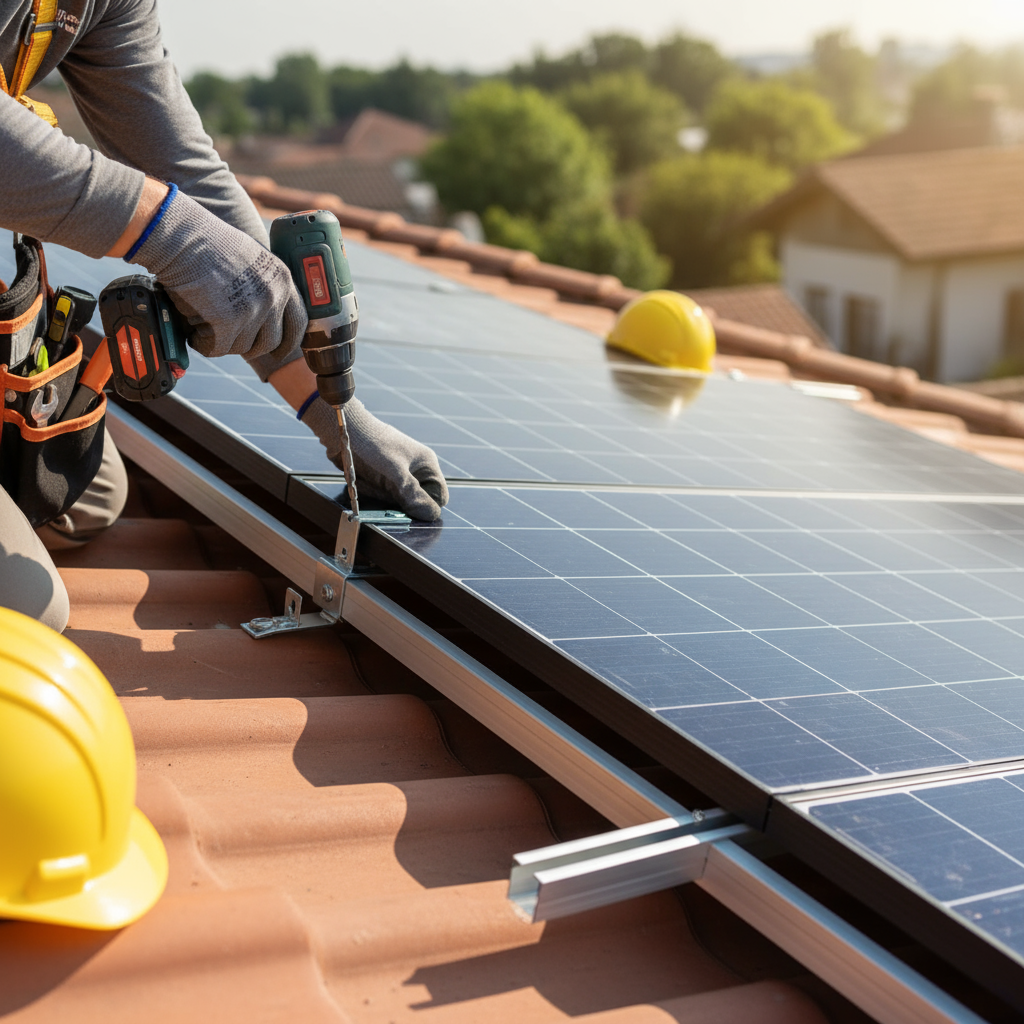
So you’ve gotten a taste of green energy tax credits, and now you’re probably wondering: what exactly are these things, and how can they help you go green without breaking the bank? Great question. Here’s the deal—these credits aren’t just government paperwork (though there is some of that). They’re actually powerful tools that can slash the upfront costs of renewable energy systems, making solar panels, wind turbines, and other clean tech way more affordable than you might think. Whether you’re a homeowner dreaming of solar panels or a business owner looking to cut energy costs, these incentives are designed to get you on board with the green energy revolution. And the best part? There are federal programs, state bonuses, and local perks all working together to make sustainable energy a smart financial move, not just an environmental one.
What Are Green Energy Tax Credits?
Think of green energy tax credits as the government’s way of saying “thanks for going green”—except instead of a pat on the back, you get cold, hard cash off your tax bill. These financial incentives come from federal, state, and local governments, all working to make renewable energy technologies more accessible to regular folks like you and me. The beauty of tax credits? They directly reduce what you owe in taxes, which means real savings on your investment in solar, wind, geothermal, or energy-efficient systems.
Now, here’s where it gets interesting. Federal credits typically offer the biggest bang for your buck, covering substantial chunks of installation costs for major renewable technologies. But don’t stop there—many states throw in their own sweeteners, and local governments often join the party with additional rebates or incentives. (It’s like stacking coupons, but for renewable energy.) This creates what I like to call a “savings sandwich”—layers of incentives that can make green energy surprisingly affordable. For anyone serious about financing their green investments smartly, understanding how these programs work together is absolutely crucial.
Here’s something worth knowing: not all tax credits are created equal. Federal incentives generally offer the largest credits and cover the big players—solar panels, wind turbines, geothermal heat pumps, and sometimes energy-efficient appliances. State and local programs? They’re often more targeted, focusing on specific technologies or regional environmental goals. Your local utility might even offer rebates for cutting your electricity use or installing energy-saving devices. The key is learning how to stack these benefits effectively. Want to know more about the technologies these credits support? Check out our guide on renewable energy for homes for the practical details.
Types of Tax Credits Explained
Let’s break down the three main categories of incentives you’ll encounter:
- Federal Tax Credits: These are the heavy hitters—nationwide incentives that can cover substantial portions of installation costs for solar energy systems, wind projects, and geothermal heat pumps. We’re talking about credits that can seriously reduce your tax liability and turn renewable investments from “nice to have” into “financially smart.”
- State-Specific Incentives: Every state has its own personality when it comes to green energy incentives. Some offer additional tax credits, others provide cash rebates or grants. These programs might support technologies the federal government doesn’t cover, or they might sweeten the deal on federal-eligible projects. Eligibility can depend on where you live, what type of property you have, or even your income level.
- Local and Utility-Based Programs: Don’t overlook these local gems. Many cities and utility companies offer rebates, net metering programs, or other incentives that reward you for generating your own renewable energy or cutting your consumption. These programs often have their own application hoops to jump through, but they can be the difference between “good savings” and “amazing savings.”
Speaking of green investments, if you’re thinking holistically about sustainability, you might want to explore our guide on how to build a rain garden. It’s a perfect complement to renewable energy systems and shows how water conservation can round out your eco-friendly efforts.
The more you understand about which technologies qualify for these incentives, the better you can plan your renewable energy strategy. And that brings us to a crucial question: do you actually qualify for these credits?
Eligibility Requirements for Green Energy Tax Credits
Alright, let’s talk about the fine print—because knowing whether you qualify is just as important as knowing these credits exist. The good news? Most eligibility requirements are pretty straightforward. The less good news? There are definitely some boxes you need to check before you can claim these benefits.
Generally speaking, eligibility comes down to three main factors: what type of technology you’re installing, what kind of property you’re putting it on, and when you’re doing the installation. Most programs require that your equipment meets specific energy efficiency standards or carries certain certifications—think of these as quality stamps that prove your investment is legit. The goal is to ensure that tax dollars are supporting genuine renewable energy advances, not just any gadget with “green” in the name.
For both homeowners and business owners, the technology list usually includes the usual suspects: certified solar panels, wind turbines, geothermal heat pumps, and energy-efficient appliances that actually reduce your energy consumption. But here’s where it gets a bit more complex—the property requirements. Some programs only work for primary residences, while others extend to commercial properties or even rental units. These distinctions matter because they can completely change your strategy for maximizing benefits and achieving long-term energy savings.
Eligible Technologies and Property Criteria
Here’s what typically makes the cut for green energy tax credits:
- Solar Energy Systems: Photovoltaic panels and solar water heaters that meet federal or state energy efficiency standards are usually the stars of the show. Solar investments consistently offer some of the most substantial credits available, which explains why solar adoption has exploded in recent years.
- Wind Turbines: These qualify when installed on-site at residential or commercial locations, but they need to meet minimum performance standards. You can’t just stick any windmill in your backyard and call it good.
- Geothermal Heat Pumps: Energy-efficient geothermal systems that can handle your heating and cooling needs while meeting certification requirements generally qualify for tax incentives. These systems can be game-changers for energy costs in the right climate.
- Energy-Efficient Appliances: Certain appliances that meet Energy Star or equivalent standards—including HVAC systems and water heaters—can qualify for local or state incentives. These might not be the flashiest green tech, but they can add up to real savings.
Want to see how this all fits into the bigger environmental picture? Our article on how to reduce greenhouse gas emissions shows why these tax credits exist in the first place and how your individual choices contribute to larger environmental goals.
Property and usage criteria add another layer of complexity that you’ll need to navigate. Residential properties often have different rules than commercial or industrial ones. Some tax credits only apply to brand-new installations, while others allow upgrades or replacements that improve energy efficiency. This flexibility encourages ongoing investment in updating existing infrastructure to greener alternatives—which is exactly what policymakers want to see.
The bottom line? Understanding both the technology requirements and property criteria will help you avoid common mistakes and set your project up for success. Get these details right, and you’ll be well-positioned to maximize the financial benefits of going green.

Here’s the bottom line: green energy tax credits are your ticket to making renewable energy actually affordable. These aren’t just feel-good incentives—they’re real money back in your pocket when you invest in solar panels, wind turbines, geothermal systems, or energy-efficient appliances. Think of them as the government’s way of saying “thanks for doing your part.” The best part? You can stack federal, state, and local credits to maximize your savings. Just make sure your setup meets the quality standards (which honestly isn’t that hard if you’re working with reputable installers).
Now, claiming these credits does require some paperwork—I won’t sugarcoat that. You’ll need receipts, certification forms, and efficiency reports. It might seem like a hassle, but trust me, it’s worth the effort. The key is staying organized from day one. Keep everything in a folder (digital or physical, whatever works for you) and you’ll breeze through the process. Yes, the paperwork can be confusing sometimes, but there’s plenty of help available if you know where to look.
Look, getting green energy tax credits isn’t just smart money management—it’s you taking a real stand for the planet. Every solar panel installed and every energy-efficient upgrade makes a difference. You’re not just saving on your electric bill; you’re part of something bigger. These credits exist because we need more people like you to make the switch. When you understand how they work and what you’re eligible for, suddenly that solar installation or heat pump upgrade doesn’t look so expensive anymore.
Ready to take your sustainability journey even further? You’ve got options. If you want to tackle water conservation next, check out our step-by-step guide on how to build a rain garden—it’s easier than you think and great for local wildlife. For immediate impact on your energy bills, our resource on effective ways to save energy at home has actionable tips you can start using today. Thinking about going all-in on renewable energy? Our complete guide to renewable energy for homes breaks down everything you need to know about smart green investments. And if you’re curious about the bigger picture, understanding sustainability in agriculture shows how these environmental practices connect across different areas of life.
The truth is, green energy tax credits remove the biggest excuse people have for not going green: cost. These incentives make eco-friendly choices accessible to regular folks, not just the wealthy early adopters. When you take advantage of these credits, you’re joining a movement that’s creating a cleaner, healthier world for everyone. Want to extend that mindset to other areas of your life? Our guide on sustainable fashion brands shows how eco-conscious choices can fit into every aspect of your lifestyle. Small steps, big impact—that’s how real change happens.
Frequently Asked Questions
-
What types of green energy projects qualify for tax credits?
- Projects involving solar, wind, geothermal, and energy-efficient upgrades typically qualify.
-
How do I claim my green energy tax credit?
- By submitting the appropriate forms and documentation when filing your tax return.
-
Are these tax credits refundable?
- Most green energy tax credits are non-refundable but can reduce your tax liability.
-
Can I combine federal and state tax credits?
- Yes, many taxpayers can combine multiple credits to maximize benefits.
-
What if I upgrade my system after claiming a tax credit?
- Additional credits may be available but depend on specific program rules.