
How Environment Shapes Society: Expert Insights
The relationship between environment and sociology represents one of the most critical intersections in contemporary social science. Environmental conditions fundamentally structure human societies, determining settlement patterns, economic systems, cultural practices, and social hierarchies. From the distribution of freshwater resources to climate zones and biodiversity hotspots, the physical environment establishes the material foundation upon which all social structures are built.
This comprehensive analysis explores how environmental factors shape societal development, social organization, and human behavior. By examining the bidirectional relationship between natural systems and human communities, we uncover the mechanisms through which ecological constraints and opportunities generate distinct social formations, inequality patterns, and collective responses.
Environmental Determinism and Social Structure
Environmental determinism—the theory that physical geography directly determines social and cultural characteristics—has long influenced sociological thinking. While early formulations of this concept faced criticism for oversimplification, contemporary environmental sociology recognizes that types of environment profoundly influence social organization without entirely determining it. The interaction between human agency and environmental constraints produces diverse social outcomes across similar ecological zones.
Geographical features such as coastlines, mountain ranges, river systems, and fertile plains establish foundational patterns for settlement and economic organization. Societies adjacent to navigable waterways historically developed stronger maritime economies and trade networks, while landlocked regions pursued different economic strategies. These environmental conditions don’t mechanistically produce specific social outcomes; rather, they establish parameters within which human communities make choices about resource management, social organization, and cultural practice.
The concept of human environment interaction acknowledges that societies simultaneously shape and are shaped by their physical surroundings. Indigenous populations across diverse ecosystems developed sophisticated management practices—from controlled burning in Australian Aboriginal societies to polyculture agroforestry in Amazonian communities—demonstrating how environmental knowledge becomes embedded in social institutions and cultural practices.
Contemporary research from the World Bank indicates that environmental conditions influence social stability, with resource scarcity correlating with increased conflict risk. However, this relationship is mediated by institutional quality, social cohesion, and economic diversification. Societies with robust governance structures and equitable resource distribution manage environmental constraints more effectively than those marked by institutional weakness.
Resource Distribution and Social Inequality
Environmental resources form the material basis of social inequality. Access to arable land, freshwater, mineral deposits, and energy sources determines wealth distribution and social hierarchies. Historical patterns of colonialism, land appropriation, and resource extraction created enduring inequalities rooted in environmental geography. Colonized regions with valuable resources experienced systematic exploitation, while colonizing nations accumulated capital and power.
Water scarcity exemplifies how environmental factors generate social stratification. In arid and semi-arid regions, control over water sources translates directly into political power and economic advantage. The Nile River, for instance, has structured Egyptian society for millennia, concentrating population and agricultural production in river valleys while leaving desert regions sparsely populated. Similar patterns appear globally, with water access determining settlement patterns, agricultural productivity, and social organization.
The distribution of mineral resources creates distinct social formations. Resource-rich regions attract capital investment, labor migration, and infrastructure development, but often experience resource curse dynamics where wealth concentration undermines democratic institutions and diversified economic development. Oil-dependent economies frequently show weaker governance, higher corruption, and greater social inequality than resource-scarce regions that developed more diversified economies.
Environmental degradation disproportionately affects marginalized populations. Low-income communities and racial minorities in industrialized nations experience higher exposure to air pollution, water contamination, and toxic waste facilities. This environmental injustice reflects historical patterns of discrimination and economic marginalization, creating overlapping vulnerabilities where social inequality intersects with ecological exposure. Understanding how do humans affect the environment requires examining these power dynamics shaping environmental distribution.
Climate, Geography, and Cultural Formation
Climate zones establish broad parameters for cultural development, subsistence strategies, and social organization. Tropical regions support high biodiversity and year-round food availability, enabling population concentration and complex social hierarchies. Temperate zones with distinct seasons encouraged food storage technologies and seasonal labor organization. Arctic environments, characterized by extreme conditions and limited growing seasons, produced distinctive hunting and herding cultures with specific social structures adapted to resource scarcity and mobility requirements.
Geographical isolation shaped cultural distinctiveness and linguistic diversity. Island populations developed unique cultural practices, while mountain valleys fostered linguistic fragmentation and distinct ethnic identities. The Mediterranean basin, with its navigable sea and favorable climate, facilitated trade networks and cultural exchange, enabling civilization development across multiple regions. Conversely, the Sahara Desert functioned as a barrier limiting direct interaction, though trans-Saharan trade routes eventually connected North African and sub-Saharan societies.
Seasonal environmental variation influences social rhythm and temporal organization. Agricultural societies developed calendars synchronized with planting and harvest cycles, embedding environmental awareness into religious practices and social rituals. Monsoon patterns shaped settlement patterns and migration cycles across South and Southeast Asia. El Niño oscillations influenced pre-Columbian Andean societies, with drought periods correlating with social upheaval and political reorganization.
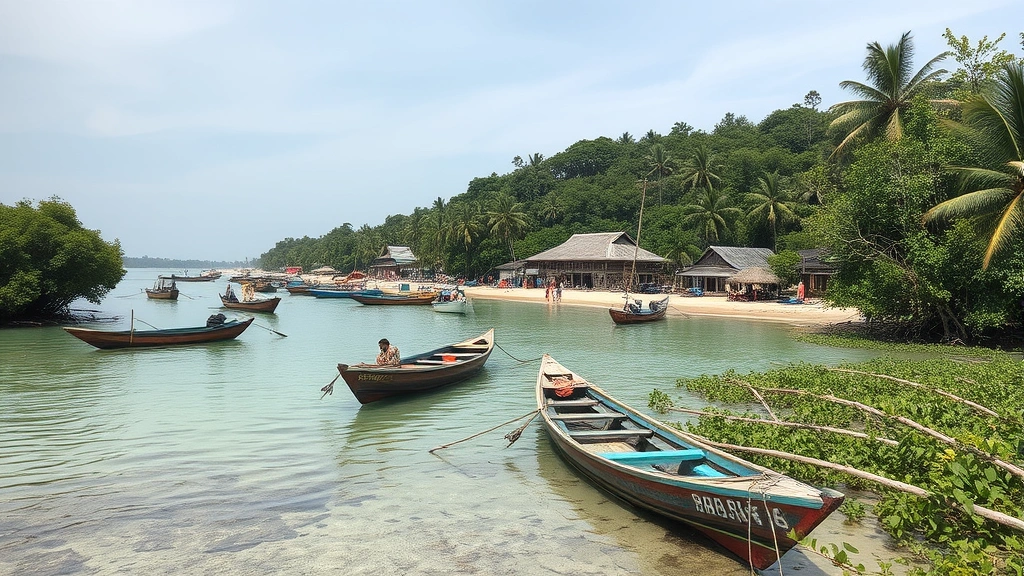
Climate change currently reshapes cultural practices and social organization. Indigenous communities in Arctic regions experience transformation of traditional hunting practices as ice patterns change. Pacific Island nations face existential threats from rising sea levels, forcing consideration of climate migration and cultural preservation. Agricultural communities worldwide adapt crop selections and planting schedules to shifting temperature and precipitation patterns, restructuring seasonal social practices.
Urban Environments and Social Dynamics
Urban environments represent humanly created ecosystems that concentrate populations, infrastructure, and social complexity. City development requires massive environmental modification—wetland drainage, forest clearing, river channelization—creating novel ecological conditions. These modified environments generate distinctive social dynamics characterized by density, diversity, and anonymity.
Urban density produces intense social interaction, enabling cultural innovation, economic specialization, and institutional development. Cities historically functioned as centers of trade, governance, and cultural production, attracting migrants seeking economic opportunity. High population concentration reduces per-capita environmental impact compared to dispersed settlement, though concentrated waste generation creates localized pollution problems.
Environmental conditions within cities structure social experience and inequality. Neighborhoods adjacent to industrial facilities, highways, or waste treatment plants experience higher pollution exposure and lower property values, concentrating low-income populations in environmentally hazardous locations. Urban green space distribution reflects and reinforces social inequality, with affluent neighborhoods featuring parks, gardens, and tree canopy while low-income areas experience concrete deserts and limited recreational space.
Climate variations across urban landscapes—urban heat island effects where cities experience 5-7°C higher temperatures than surrounding rural areas—disproportionately affect vulnerable populations. Low-income neighborhoods with less vegetation and more impervious surfaces experience more extreme heat exposure, increasing heat-related mortality during extreme weather events. This environmental inequality has direct health consequences, widening mortality disparities across social classes.
Environmental Crises and Social Cohesion
Environmental disasters temporarily restructure social relationships, challenging normal hierarchies and revealing underlying social bonds. Hurricane Katrina’s 2005 devastation of New Orleans exposed racial and class inequalities in disaster preparedness, evacuation capacity, and recovery resources. Wealthier residents evacuated successfully while poor residents, lacking transportation and resources, faced catastrophic exposure. Post-disaster recovery reinforced existing inequalities, with wealthier neighborhoods rebuilding rapidly while low-income areas experienced prolonged displacement.
Environmental crises can generate social movements and collective action. The 1986 Chernobyl nuclear disaster mobilized anti-nuclear movements across Europe and North America, fundamentally shifting energy policy discourse. Air pollution crises in major cities—London’s 1952 smog killing thousands, contemporary Beijing air quality crises—generated public health movements and environmental regulation.
Climate change represents an unprecedented environmental crisis with profound social implications. Rising temperatures, shifting precipitation patterns, and extreme weather increase resource competition, particularly around freshwater and arable land. Climate migration—people displaced by environmental changes—will reshape global population distribution and create international tensions. The United Nations Environment Programme projects that climate-driven migration could displace hundreds of millions by 2050, fundamentally restructuring global society.
Environmental crises disproportionately affect vulnerable populations with fewest resources for adaptation. Low-income nations dependent on climate-sensitive agriculture face food security threats from changing precipitation patterns. Small island developing states confront existential threats from rising sea levels. These environmental inequalities compound existing global inequalities, potentially generating massive population displacement and international conflict.
Ecosystem Services and Economic Systems
Ecosystems provide essential services—pollination, water purification, climate regulation, nutrient cycling—upon which human economies depend. Economic growth historically disregarded these services, treating nature as an infinite resource and waste sink. Contemporary ecological economics quantifies ecosystem service values, revealing that environmental degradation imposes massive economic costs.
Agricultural productivity depends entirely on ecosystem services. Pollinator populations, maintained through biodiversity, enable crop reproduction. Soil formation—a process requiring centuries—supports plant growth. Freshwater systems provide irrigation water while filtering contaminants. When agricultural intensification reduces biodiversity and degrades soils, it undermines the ecosystem services upon which productivity depends, creating long-term economic decline masked by short-term productivity gains.
Fisheries exemplify ecosystem service degradation’s economic consequences. Industrial fishing practices that maximize short-term catches deplete fish populations, eventually causing fishery collapse. The Atlantic cod fishery’s collapse in the 1990s devastated Newfoundland’s economy and communities dependent on fishing for centuries. Similar patterns appear globally, with overfishing undermining food security and economic livelihoods for millions dependent on marine resources.
Research from ecological economics journals demonstrates that environmental degradation imposes substantial economic costs through reduced productivity, increased disease, and resource depletion. The International Union for Conservation of Nature estimates that biodiversity loss costs trillions annually through reduced ecosystem services. However, these costs remain largely externalized in conventional economic accounting, enabling economic systems to generate growth while depleting natural capital.
Environmental Justice and Social Movements
Environmental justice movements emerged from recognition that environmental hazards concentrate in marginalized communities. The environmental justice framework links environment and society by highlighting how environmental inequality reflects and reinforces social inequality. Toxic waste facilities, industrial pollution, and environmental hazards locate disproportionately in low-income communities and communities of color, generating differential health burdens.
The environmental justice movement originated in African American communities opposing hazardous waste facility siting. Residents of Warren County, North Carolina, organized against a polychlorinated biphenyl (PCB) landfill siting in 1982, establishing the movement’s foundational principle: environmental protection cannot ignore social justice. Subsequent research confirmed that environmental hazards distribute unequally, with poor communities and communities of color bearing disproportionate exposure.
Environmental justice frameworks recognize that environmental protection requires addressing underlying social inequalities. Climate action policies that ignore distributional impacts risk creating new injustices—carbon taxes that increase energy costs for poor households, renewable energy development that displaces indigenous communities. Just transition frameworks seek to ensure that environmental protection benefits vulnerable populations rather than imposing costs upon them.
Social movements increasingly connect environmental protection with social justice. Climate justice movements highlight how climate change disproportionately affects developing nations and low-income populations despite their minimal contribution to emissions. Indigenous rights movements defend territorial control and resource sovereignty as essential to environmental protection and cultural survival. These movements recognize that definition of environment science must incorporate social dimensions and power dynamics.
Women’s environmental movements emphasize how environmental degradation particularly affects women, who provide household water and fuel collection in many developing regions. Water scarcity, deforestation, and land degradation increase women’s workload while reducing household food security and income opportunities. Feminist environmental scholarship demonstrates how gender inequality intersects with environmental vulnerability, requiring gender-integrated environmental policy.
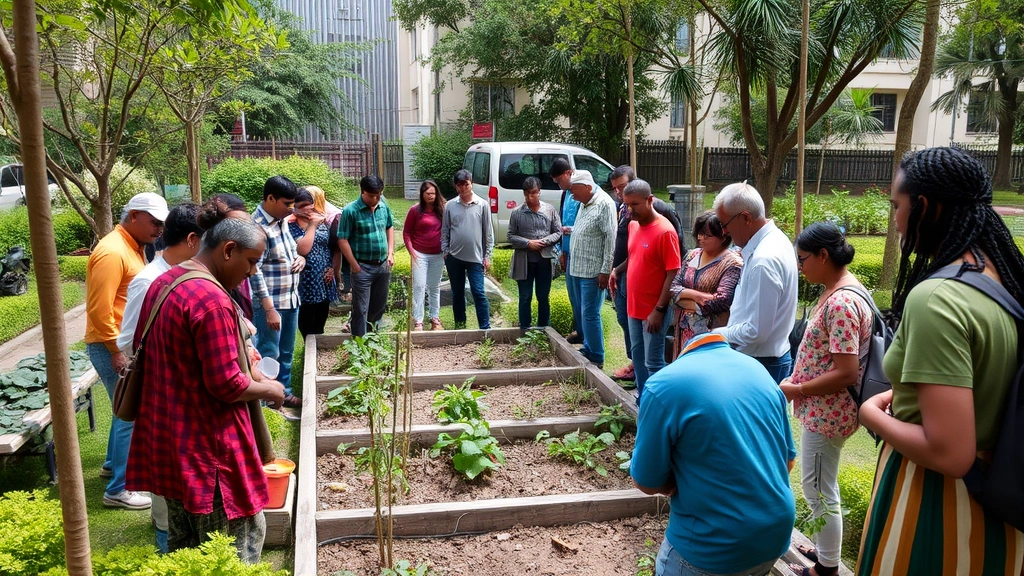
Youth climate movements represent emerging social force demanding climate action. Fridays for Future, initiated by Greta Thunberg, mobilized millions globally, emphasizing how climate change threatens young people’s futures. These movements apply pressure on governments and corporations to transition toward sustainable energy and reduce emissions, demonstrating how environmental concern generates social mobilization and political change.
” alt=”Environmental sustainability”/>
Integrating Environmental and Social Analysis
Contemporary sociology increasingly recognizes that separating social analysis from environmental context produces incomplete understanding. Environmental sociology examines how social structures interact with ecological systems, how environmental conditions shape social possibilities, and how social organizations respond to environmental challenges. This integrated approach reveals that environmental problems are fundamentally social problems requiring social solutions.
Sustainable development frameworks attempt to balance environmental protection with social development, though implementation remains contested. Weak sustainability assumes that human capital and natural capital are interchangeable, permitting environmental degradation if economic growth compensates. Strong sustainability recognizes that certain natural systems—climate stability, biodiversity, freshwater—are irreplaceable and require protection regardless of economic costs. These contrasting frameworks reflect different assumptions about environment-society relationships.
The transition toward circular economy models represents emerging effort to restructure economic systems around environmental limits. Rather than linear extraction-production-disposal, circular approaches minimize resource extraction and waste generation through reuse, repair, and recycling. This systemic transformation requires restructuring production technologies, consumption patterns, and business models—fundamentally reshaping how societies organize economic activity.
Degrowth and post-growth frameworks question whether infinite economic growth remains compatible with planetary boundaries. Research from ecological economics institutions demonstrates that wealthy nations have already surpassed sustainable resource consumption levels. Achieving global sustainability requires wealthy nations to reduce material consumption while enabling developing nations to meet basic needs—a transition requiring fundamental restructuring of economic systems and consumption patterns.
” alt=”Community environmental stewardship”/>
FAQ
How does the physical environment directly influence social organization?
Physical environment establishes material conditions for human settlement and subsistence. Geographic features determine resource availability, population carrying capacity, and economic possibilities. Societies develop distinct institutions and cultural practices adapted to their environmental contexts. However, similar environments support diverse social organizations, demonstrating that environment influences rather than determines social outcomes.
What is environmental determinism and why is it controversial?
Environmental determinism proposes that physical geography directly determines social and cultural characteristics. Early formulations suggested that climate and geography mechanistically produced specific societies and cultures. Contemporary scholarship rejects strict determinism while acknowledging that environmental conditions establish parameters within which human societies operate. Environment and agency interact to produce social outcomes.
How do environmental conditions create social inequality?
Environmental resources distribute unevenly across geography. Control over water, arable land, minerals, and energy sources generates wealth and power disparities. Historically, colonialism concentrated environmental resources’ benefits in colonizing nations while imposing environmental costs on colonized regions. Contemporary environmental inequality reflects these historical patterns combined with ongoing resource extraction and environmental degradation concentrated in poor communities.
What role do environmental crises play in social change?
Environmental crises can mobilize social movements, challenge institutional legitimacy, and force policy changes. Climate change, biodiversity loss, and pollution crises generate public concern and political pressure for environmental protection. However, environmental crises also risk generating conflict and displacement, particularly when adaptive capacity distributes unequally across social groups.
How does environmental justice connect environmental and social protection?
Environmental justice recognizes that environmental hazards concentrate in marginalized communities, reflecting and reinforcing social inequality. Environmental protection requires addressing underlying social inequalities and ensuring that vulnerable populations benefit from environmental policies rather than bearing disproportionate costs. This integrated approach links environmental sustainability with social justice.
Can economic growth remain compatible with environmental sustainability?
This question remains contested among economists and environmental scientists. Weak sustainability assumes economic growth can compensate for environmental degradation. Strong sustainability recognizes that certain environmental systems are irreplaceable and require protection regardless of economic costs. Achieving global sustainability likely requires wealthy nations to reduce material consumption while developing nations meet basic needs—a transition requiring fundamental economic restructuring.


