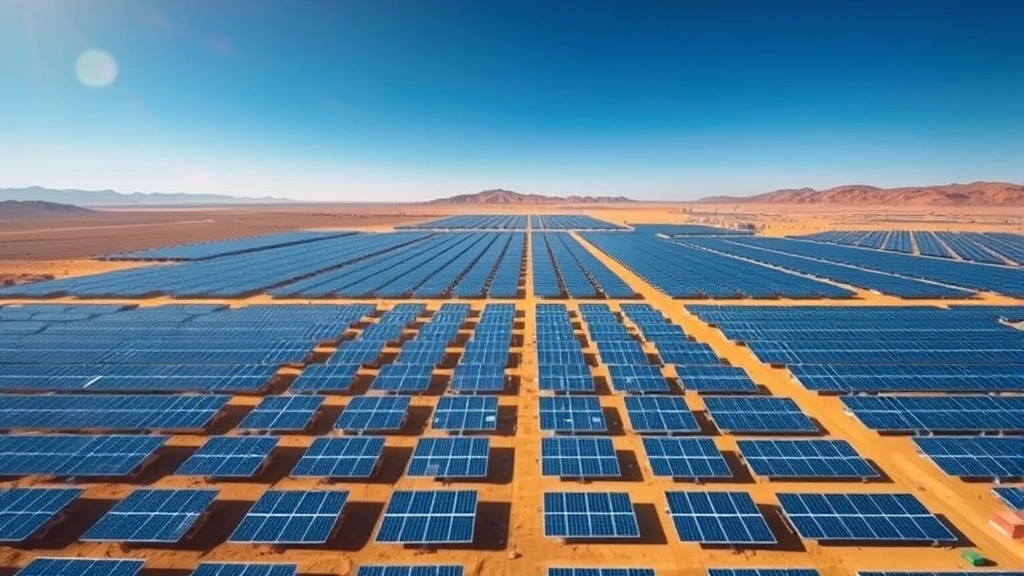
Can Green Energy Boost Global Economy? Study Insights
The intersection of renewable energy expansion and economic growth has become one of the most compelling debates in contemporary policy circles. Recent comprehensive studies reveal that green energy transitions not only mitigate environmental degradation but simultaneously generate substantial economic returns through job creation, technological innovation, and energy cost reduction. This paradigm shift challenges the long-held assumption that environmental protection and economic prosperity are mutually exclusive objectives.
As nations worldwide commit to carbon neutrality targets, understanding the economic mechanics of green energy adoption becomes essential for policymakers, investors, and environmental stewards. The evidence increasingly suggests that renewable energy infrastructure represents not merely an environmental imperative but a transformative economic opportunity with multiplier effects across multiple sectors and geographies.
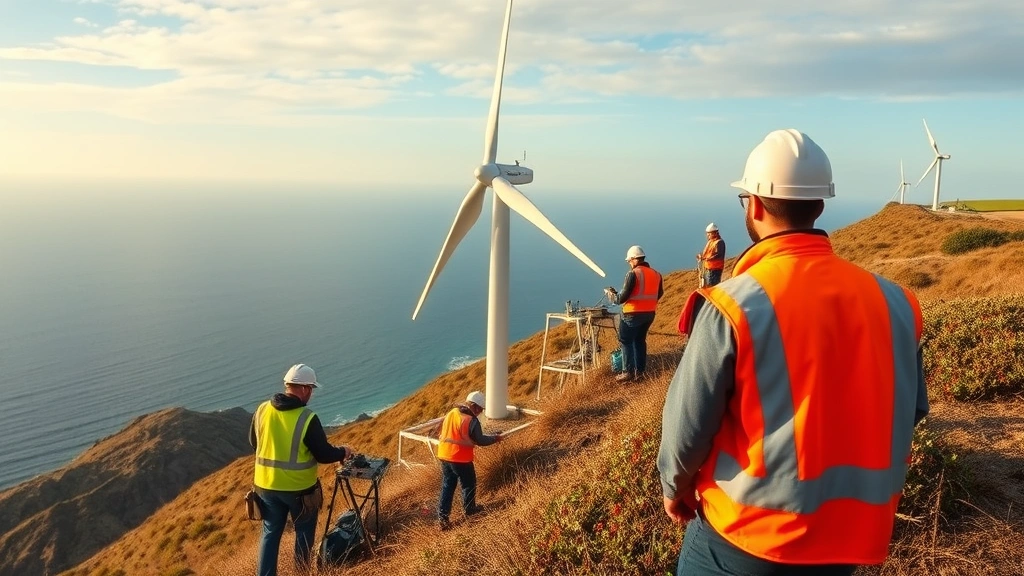
Economic Growth Mechanisms in Green Energy Transition
Recent research from the World Bank demonstrates that renewable energy deployment catalyzes economic growth through multiple interconnected channels. When countries invest in environmental sustainability initiatives, they simultaneously activate demand across manufacturing, construction, and service sectors. This multiplier effect extends far beyond the energy sector itself, creating secondary economic opportunities in supply chain development, infrastructure maintenance, and ancillary services.
The transition to green energy fundamentally restructures economic incentives. Traditional fossil fuel economies operated with externalized environmental costs—expenses borne by society rather than reflected in market prices. Green energy systems internalize these costs, creating more accurate price signals that reflect true resource scarcity and environmental impact. This economic restructuring generates efficiency gains throughout the economy, as businesses and consumers respond to more accurate cost information by optimizing energy consumption patterns and investment decisions.
Macroeconomic modeling by leading research institutions indicates that renewable energy investments generate GDP multipliers ranging from 1.5 to 2.5, depending on implementation context and baseline economic conditions. This means that every dollar invested in green energy infrastructure generates between $1.50 and $2.50 in additional economic activity. These multipliers compare favorably with traditional infrastructure investments, while simultaneously delivering environmental co-benefits and reducing long-term health expenditures associated with air pollution and climate-related disasters.
The economic case strengthens when considering avoided costs from climate mitigation. Studies estimate that unmitigated climate change could reduce global GDP by 10-23% by 2100, while green energy transition costs represent only 2-3% of current global GDP investment annually. This cost-benefit calculus fundamentally reframes green energy not as an economic burden but as prudent economic investment protecting against catastrophic financial risks.

Job Creation and Workforce Development
Employment generation represents perhaps the most tangible economic benefit of green energy expansion. The renewable energy sector currently employs over 12 million people globally, with growth rates consistently outpacing fossil fuel employment. Unlike extractive industries with declining employment trends, renewable energy sectors demonstrate robust job creation across skill levels—from manufacturing technicians to software engineers to project managers.
Solar photovoltaic installation alone generates approximately 3 jobs per megawatt of capacity installed, compared to 0.5 jobs for natural gas plants. Wind energy similarly demonstrates superior employment intensity, creating 0.6-0.7 jobs per megawatt across manufacturing, installation, and maintenance phases. These employment ratios reflect the labor-intensive nature of renewable infrastructure deployment and the geographically distributed character of renewable resources, which necessitates local installation and maintenance workforces rather than centralized operational employment.
The workforce development dimension extends beyond simple job counting. Green energy sectors require sophisticated technical skills in electrical engineering, data analytics, materials science, and environmental management. This creates powerful incentives for educational investment, particularly in environmental science and sustainable technology fields. Countries investing aggressively in renewable energy simultaneously develop human capital advantages that extend across multiple economic sectors and support long-term competitive positioning.
Regional economic benefits concentrate in communities traditionally dependent on fossil fuel extraction. Renewable energy development provides economic diversification opportunities, reducing vulnerability to commodity price fluctuations and resource depletion. Communities transitioning from coal or oil dependence to renewable energy leadership experience improved long-term economic stability, though successful transitions require deliberate policy support for worker retraining and community economic development initiatives.
Investment Trends and Financial Dynamics
Global investment in renewable energy reached $303 billion in 2022, representing the highest annual investment in clean energy infrastructure ever recorded. This investment momentum reflects both policy support and increasingly competitive renewable energy economics. Solar and wind power now achieve the lowest levelized costs of electricity (LCOE) among all generation technologies in most markets—approximately $30-60 per megawatt-hour compared to $60-150 for fossil fuel generation.
The financial transformation underlying green energy expansion involves fundamental shifts in capital allocation patterns. Institutional investors, pension funds, and sovereign wealth funds increasingly recognize renewable energy infrastructure as attractive long-term investment vehicles offering stable cash flows, inflation protection, and portfolio diversification benefits. This capital reallocation accelerates renewable energy deployment while simultaneously reducing financing costs through competitive market dynamics.
Green bonds have emerged as critical financial instruments, mobilizing capital specifically for environmental projects. The global green bond market exceeded $500 billion in annual issuance by 2022, demonstrating institutional investor appetite for climate-aligned investments. This financial innovation reduces capital costs for renewable projects, improving project economics and accelerating deployment timelines across developed and developing economies.
Emerging market economies increasingly attract renewable energy investment due to superior solar and wind resources, lower labor costs, and growing domestic electricity demand. This investment pattern redirects capital flows toward developing regions, supporting sustainable human-environment interaction while generating foreign direct investment, technology transfer, and local economic development. The decentralized nature of renewable energy systems particularly benefits rural and remote communities previously excluded from centralized power infrastructure.
Energy Cost Savings and Consumer Benefits
The declining cost trajectory of renewable energy technologies fundamentally transforms energy economics for households and businesses. Residential solar installation costs have declined approximately 90% over the past decade, while battery storage costs dropped 89% between 2010 and 2020. This cost trajectory enables consumers to achieve energy independence while reducing lifetime electricity expenditures by 50-80% depending on location and consumption patterns.
Energy cost predictability represents an underappreciated economic benefit of renewable energy adoption. Fossil fuel prices fluctuate based on global commodity markets, geopolitical events, and supply disruptions—creating economic uncertainty for energy-dependent businesses and households. Renewable energy systems exhibit stable operational costs determined primarily by equipment depreciation and maintenance—costs that decline predictably over technology lifecycles. This cost stability enables superior long-term financial planning and reduces macroeconomic volatility associated with energy price shocks.
Industrial competitiveness increasingly depends on access to affordable renewable electricity. Energy-intensive manufacturing sectors—including aluminum production, semiconductor fabrication, and data center operations—actively seek renewable energy sources to reduce operational costs and enhance competitive positioning. Companies securing renewable energy contracts gain significant advantages in global markets, driving industrial location decisions toward renewable-rich regions and creating powerful incentives for renewable energy deployment.
Consumer welfare improvements extend beyond direct electricity cost savings. Reduced air pollution from decreased fossil fuel combustion generates substantial health benefits, particularly in urban regions and developing economies experiencing severe air quality degradation. Studies estimate that air pollution reduction alone generates economic benefits of $4-6 per ton of CO2 avoided through renewable energy deployment—benefits that accrue primarily to vulnerable populations most exposed to pollution sources.
Technological Innovation and Competitive Advantage
Green energy transition catalyzes technological innovation across multiple domains, generating spillover benefits throughout the economy. Renewable energy research drives advances in materials science, electrical engineering, energy storage, and grid management technologies with applications extending far beyond energy systems. Battery technology innovations developed for renewable energy storage find applications in transportation, aerospace, and consumer electronics sectors.
Countries establishing leadership positions in renewable energy technology gain substantial competitive advantages in global markets. Denmark, Germany, and China have leveraged renewable energy investments into dominant positions in wind turbine manufacturing and solar panel production, generating billions in export revenue and establishing technological standards adopted globally. This technological leadership creates high-value employment in research, development, manufacturing, and system integration activities.
The digital transformation of energy systems represents a particularly significant innovation pathway. Smart grid technologies, artificial intelligence applications, and IoT sensor networks optimize renewable energy integration, enable demand-side management, and improve system efficiency. These digital innovations create new economic activities and business models—from energy management service providers to grid balancing specialists to renewable energy forecasting platforms. The convergence of renewable energy and digital technologies generates multiplicative economic effects exceeding either technology’s isolated impact.
Research and development investment in renewable technologies generates knowledge spillovers that reduce development costs for subsequent innovations. Public research funding for renewable energy creates positive externalities benefiting private sector innovation by establishing foundational knowledge and reducing technological risk. This public-private innovation dynamic accelerates technology maturation and deployment, generating economic benefits significantly exceeding initial research investment.
Challenges and Implementation Barriers
Despite compelling economic evidence, green energy transition faces substantial implementation challenges requiring policy attention and strategic investment. Intermittency characteristics of solar and wind generation necessitate energy storage infrastructure, grid modernization, and demand-side management capabilities requiring substantial capital investment. These integration costs, while declining, remain significant barriers in regions with limited existing grid infrastructure or high renewable energy penetration targets.
Stranded asset risks in fossil fuel industries create powerful political opposition to rapid energy transitions. Coal plants, oil refineries, and natural gas infrastructure represent substantial capital investments with expected operational lifespans extending decades. Accelerated transitions impose financial losses on existing asset owners, generating political pressure to slow renewable energy deployment. Managing these transition costs through policy instruments including carbon pricing, worker transition support, and gradual phase-out timelines remains essential for maintaining political feasibility.
Capital availability constraints particularly affect developing economies lacking access to favorable financing terms. While renewable energy costs have declined dramatically, upfront capital requirements remain substantial, and developing countries face higher borrowing costs due to perceived investment risks. Addressing financing barriers through development finance institutions, technology transfer mechanisms, and capacity building support remains essential for enabling universal renewable energy access aligned with sustainable development objectives.
Grid infrastructure modernization requirements often exceed renewable energy deployment costs, particularly in regions with aging electrical infrastructure. Upgrading transmission systems, implementing smart grid technologies, and developing energy storage capacity demands coordinated investment across utility systems. Regulatory frameworks must evolve to enable these infrastructure investments while maintaining financial viability of utility operations and ensuring equitable cost allocation across consumers.
Global Case Studies and Regional Outcomes
Denmark’s renewable energy transition provides compelling evidence of economic-environmental alignment. By 2022, wind energy supplied 80% of Denmark’s electricity, while the country maintained Europe’s highest electricity prices reflecting integration costs. However, Danish renewable energy leadership generated substantial export opportunities in wind turbine manufacturing and system integration expertise, creating high-value employment offsetting electricity cost increases. The Danish experience demonstrates that successful transitions require complementary investments in grid modernization, energy efficiency, and industrial repositioning.
Germany’s Energiewende (energy transition) represents history’s most ambitious renewable energy deployment, with renewable sources providing 46% of electricity generation by 2022. The transition created approximately 300,000 jobs in renewable energy sectors while supporting industrial competitiveness in manufacturing and technology development. However, Germany’s experience also reveals challenges—including grid integration difficulties, higher consumer electricity costs during transition periods, and continued fossil fuel dependence for industrial heat and transportation. The German case illustrates that comprehensive energy transitions require coordinated policies addressing electricity, heating, transportation, and industrial sectors simultaneously.
Brazil’s hydroelectric dominance combined with expanding biofuel production demonstrates how renewable energy can support economic development in tropical regions. Renewable energy provides approximately 65% of Brazil’s electricity generation, enabling affordable electricity access while supporting agricultural export industries. This renewable energy abundance creates opportunities for energy-intensive industrial development, including mineral processing and chemical production, generating employment and export revenue while maintaining low-carbon electricity systems.
China’s renewable energy investments exemplify how green energy deployment can simultaneously address environmental degradation and support economic growth. China installed more renewable capacity in 2022 than all other countries combined, creating millions of jobs while reducing air pollution in major urban centers. However, China’s transition also reveals challenges including overcapacity in some renewable sectors, stranded coal assets, and ongoing fossil fuel dependence. The Chinese experience demonstrates that rapid renewable deployment requires careful market management to avoid investment inefficiencies while maintaining economic stability.
India’s renewable energy expansion targets 500 GW of renewable capacity by 2030, representing substantial economic opportunity in manufacturing, installation, and grid integration sectors. India’s abundant solar resources and manufacturing capabilities position the country as a potential renewable energy technology hub, offering economic development opportunities while addressing electricity access challenges affecting hundreds of millions of citizens. Successful Indian renewable deployment could demonstrate how green energy transitions support development objectives in populous emerging economies.
The United Nations Environment Programme has documented how renewable energy investments create particularly strong economic benefits in island nations and developing countries. These regions often face high electricity costs due to fossil fuel import dependence, making renewable energy particularly economically attractive. Renewable energy deployment simultaneously improves energy security, reduces foreign exchange pressures, and enables economic diversification away from tourism and agriculture.
FAQ
How quickly can green energy transition generate measurable economic benefits?
Economic benefits begin accruing immediately upon renewable energy deployment through job creation and reduced electricity costs. Employment in manufacturing and installation phases generates income and tax revenue within 1-2 years of project initiation. Long-term benefits including avoided climate damages and health improvements from reduced pollution accumulate over decades. Most studies indicate that renewable energy transitions achieve positive net economic returns within 5-10 years, with benefits accelerating as deployment scales and technologies mature.
Does green energy transition eliminate fossil fuel industry employment?
Transition creates net employment growth, though regional employment patterns shift substantially. Fossil fuel employment generally declines as renewable energy deployment accelerates, while renewable energy employment expands more rapidly than fossil fuel employment decline. This creates challenges in fossil fuel-dependent regions requiring deliberate policy support for worker retraining and community economic development. International experience suggests that managed transitions with adequate support programs minimize hardship while enabling workers to access renewable energy employment opportunities.
What role do developing countries play in global green energy economics?
Developing countries increasingly attract renewable energy investment due to superior solar and wind resources, lower labor costs, and growing electricity demand. Renewable energy deployment in developing regions generates employment, foreign investment, and technology transfer while supporting sustainable development objectives. However, developing countries face financing constraints requiring support from development finance institutions and technology transfer mechanisms. Equitable global green energy transition requires ensuring developing countries access affordable capital and technology enabling renewable energy deployment aligned with development priorities.
How does green energy transition affect energy security?
Renewable energy enhances energy security by reducing dependence on fossil fuel imports, eliminating exposure to global commodity price volatility, and enabling distributed energy generation reducing vulnerability to centralized infrastructure disruptions. However, renewable energy integration requires robust grid infrastructure and energy storage systems ensuring reliable electricity supply. Countries achieving high renewable energy penetration must simultaneously invest in grid modernization, demand-side management, and energy storage capabilities supporting system reliability and resilience.
What evidence supports claims that green energy boosts economic growth?
Extensive research from institutions including the International Energy Agency, World Bank, and International Renewable Energy Agency documents positive economic correlations between renewable energy deployment and GDP growth, employment creation, and investment flows. Econometric studies controlling for other variables confirm that renewable energy investments generate GDP multipliers comparable to or exceeding traditional infrastructure investments while delivering environmental co-benefits. However, economic outcomes depend critically on complementary policies including grid modernization, worker support programs, and regulatory frameworks enabling efficient renewable energy integration.
The convergence of economic and environmental imperatives around green energy transition represents a fundamental shift in how societies approach sustainable development. Rather than viewing environmental protection as imposing economic costs, comprehensive analysis reveals that renewable energy deployment simultaneously addresses climate change, improves air quality, generates employment, attracts investment, and enhances energy security. Successful transitions require coordinated policies addressing electricity systems, industrial development, workforce transitions, and grid infrastructure modernization. As renewable energy technologies continue maturing and costs decline, the economic case for green energy transition strengthens, enabling both developed and developing economies to achieve climate objectives while enhancing long-term economic prosperity. Understanding these economic mechanisms enables policymakers to design transitions maximizing economic benefits while ensuring equitable distribution of costs and opportunities across regions and populations. Consider exploring practical strategies for reducing carbon footprints and learning about sustainable environmental products supporting this global transition toward renewable energy systems.


