
What Is Ecological Degradation? A Brief Overview
Ecological degradation represents one of the most pressing environmental challenges of our time, fundamentally altering the capacity of ecosystems to provide essential services that sustain human civilization. At its core, ecological degradation refers to the decline in the quality, health, and biodiversity of natural ecosystems due to human activities and environmental pressures. This process manifests across terrestrial, aquatic, and atmospheric systems, reducing their ability to maintain ecological balance, support diverse species populations, and deliver critical services such as water purification, carbon sequestration, and nutrient cycling.
Understanding ecological degradation requires examining both its definition and its multifaceted manifestations across different environmental contexts. The term encompasses everything from soil erosion and deforestation to ocean acidification and freshwater pollution. As ecosystems degrade, they lose resilience—their capacity to recover from disturbances—and enter cascading cycles of decline that become increasingly difficult to reverse. This overview explores the definition of ecological degradation, its causes, consequences, and the interconnections between environmental decline and economic systems.
The significance of comprehending ecological degradation extends beyond academic discourse; it directly impacts food security, economic stability, and human wellbeing. When we examine how environment science defines natural systems, we recognize that degradation represents a fundamental breach in the functioning of these interconnected networks. The economic implications are equally profound, with degraded ecosystems generating substantial costs through lost productivity, increased disease prevalence, and reduced resource availability.
Defining Ecological Degradation
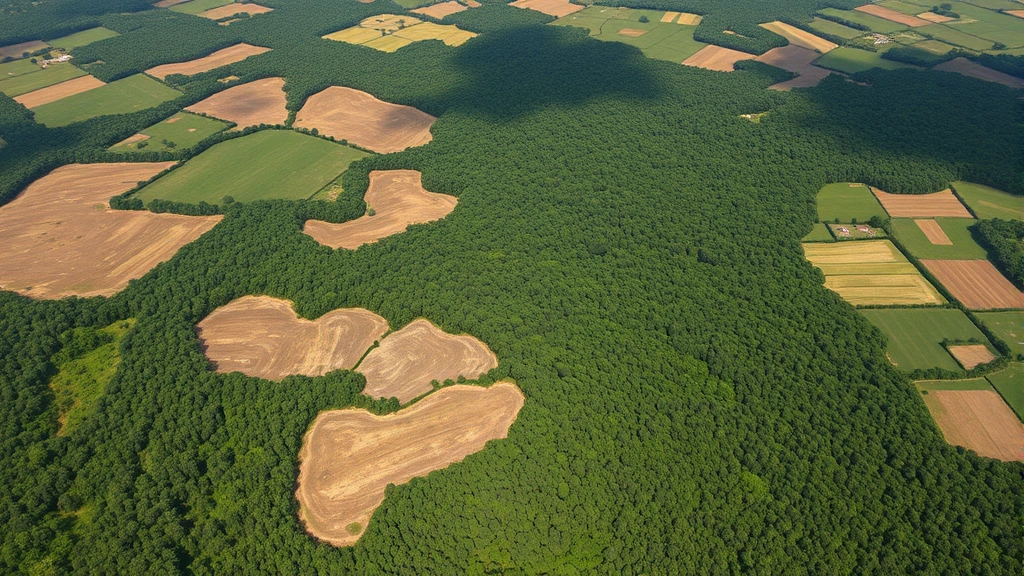
Ecological degradation is fundamentally defined as the sustained loss of biodiversity, ecosystem services, and environmental quality within natural or semi-natural systems. This definition encompasses several interrelated dimensions: the reduction in species richness and genetic diversity, the diminishment of ecosystem functions, and the decline in the capacity of natural systems to support human and non-human life. The United Nations Environment Programme (UNEP) characterizes ecological degradation as a state where ecosystems lose their ability to recover from disturbances and maintain their original structure and function.
The concept differs from temporary environmental disturbance in that degradation represents a persistent, often irreversible decline in ecosystem health. A forest recovering from a windstorm exhibits resilience; however, a forest subjected to repeated logging, fragmentation, and invasive species introduction experiences degradation. This distinction matters profoundly for understanding intervention strategies and recovery timelines. Ecological degradation operates across multiple scales—from localized soil contamination affecting a single farm to global phenomena like climate change impacting all terrestrial and marine systems simultaneously.
Understanding the different types of environment helps clarify how degradation manifests differently across contexts. Terrestrial ecosystems experience degradation through land-use conversion and soil depletion, while aquatic systems degrade through pollution and overharvesting. Atmospheric degradation occurs through greenhouse gas accumulation and ozone layer depletion. Each type requires distinct analytical frameworks and intervention approaches, yet all share the common characteristic of reduced ecosystem functionality and service provision.
The economic perspective on ecological degradation reveals it as a form of natural capital depletion. Ecological economists recognize that ecosystems represent capital stocks generating flows of services—oxygen production, water filtration, climate regulation, and resource provision. When degradation occurs, these capital stocks decline, reducing future service flows and creating economic externalities that traditional accounting systems fail to capture. This economic dimension underscores why ecological degradation matters beyond environmental circles; it represents genuine wealth destruction.
Primary Drivers of Ecosystem Decline
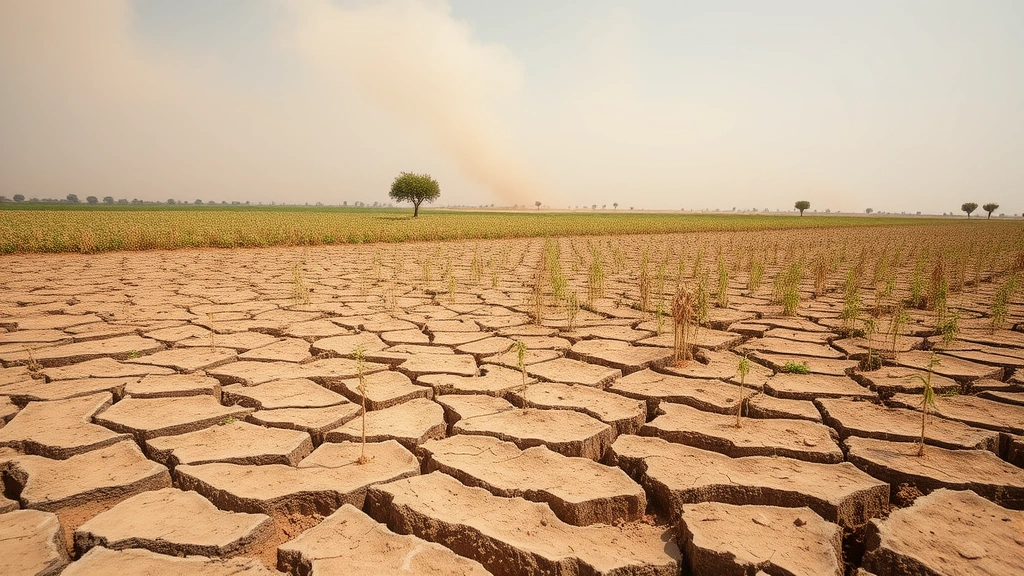
Ecological degradation results from multiple interacting drivers, with human activities fundamentally affecting environmental systems across unprecedented scales. The primary drivers include land-use change, pollution, overexploitation of resources, invasive species introductions, and climate change. These drivers often operate synergistically, with one degradation pathway exacerbating others in reinforcing cycles of decline.
Land-use conversion represents perhaps the most significant driver of ecological degradation globally. Agricultural expansion, urbanization, and infrastructure development directly eliminate natural habitats, fragmenting remaining ecosystems into isolated patches. This fragmentation reduces genetic diversity, increases vulnerability to extinction, and disrupts ecological processes dependent on large, interconnected landscapes. The conversion of forests to agricultural land alone accounts for approximately 80% of global deforestation, with profound consequences for carbon storage, water cycling, and species persistence.
Pollution introduces contaminants that degrade ecosystems through multiple pathways. Chemical pollutants bioaccumulate through food chains, reaching toxic concentrations in apex predators. Nutrient pollution creates eutrophication in aquatic systems, generating oxygen-depleted dead zones incapable of supporting most life forms. Microplastics now pervade marine and terrestrial ecosystems, entering organisms at all trophic levels. These pollution pathways interact with other stressors, making degraded ecosystems increasingly vulnerable to additional pressures.
Resource overexploitation—whether through overfishing, unsustainable logging, or excessive water extraction—directly reduces the regenerative capacity of ecosystems. When harvest rates exceed natural regeneration rates, populations decline toward extinction thresholds. Marine fisheries provide stark examples, with approximately one-third of global fish stocks experiencing overharvesting. Groundwater extraction in agricultural regions exceeds recharge rates by orders of magnitude, creating non-renewable resource depletion masquerading as sustainable use.
Invasive species introductions fundamentally alter ecosystem structure and function. Non-native species, freed from their co-evolved predators and competitors, often outcompete native species and disrupt ecological relationships refined over millennia. The economic costs of invasive species exceed $1 trillion annually when accounting for control efforts and lost productivity. Climate change amplifies invasive species success by creating novel environmental conditions favoring non-native species while stressing native populations already at physiological limits.
Climate change itself represents an increasingly dominant degradation driver, altering temperature and precipitation patterns, increasing extreme weather frequency, and shifting species distributions. Coral bleaching events, driven by ocean warming, have devastated reef ecosystems that support 25% of marine species despite occupying less than 1% of ocean floor area. Permafrost thaw releases methane and carbon dioxide, creating positive feedback loops accelerating further warming and ecosystem transformation.
Types and Manifestations
Ecological degradation manifests across distinct ecosystem types, each exhibiting characteristic degradation pathways and consequences. Understanding these manifestations requires examining how degradation operates within specific ecological contexts while recognizing universal principles underlying all ecosystem decline.
Forest degradation extends beyond deforestation to include reduced canopy cover, decreased species diversity, and compromised ecosystem functions. Selective logging, even when technically sustainable, creates openings that allow invasive species proliferation and alter microclimate conditions. Fragmented forests lose large-bodied predators and wide-ranging species, disrupting trophic cascades and altering vegetation composition. The economic valuation of forests reveals degradation costs extending far beyond timber value—including carbon sequestration loss, watershed function decline, and indigenous livelihood disruption.
Soil degradation represents a critical yet often invisible form of ecological decline. Erosion, salinization, compaction, and organic matter depletion reduce soil productivity and its capacity to support vegetation. Soil degradation affects approximately 33% of global soils, with particularly severe impacts in agricultural regions. The economic consequences are substantial, with degraded soils reducing crop yields and requiring increased fertilizer inputs that create additional environmental externalities. The World Bank estimates soil degradation costs at $400 billion annually in lost agricultural productivity.
Aquatic ecosystem degradation manifests through multiple pathways including pollution, habitat loss, and altered hydrological regimes. Freshwater systems experience degradation through dam construction, water extraction, and pollution accumulation. Wetlands—among Earth’s most productive ecosystems—have declined by 87% since 1700, with particularly severe losses in the 20th century. Marine ecosystems degrade through overfishing, pollution, and ocean acidification. The collapse of cod fisheries in Atlantic Canada exemplifies how rapid ecosystem degradation can eliminate economic livelihoods supporting entire communities.
Grassland degradation through overgrazing and conversion to cropland reduces the capacity of these ecosystems to support livestock, wildlife, and carbon storage. Desertification—the conversion of productive drylands to desert-like conditions—affects approximately 1 billion hectares globally, representing both ecological and economic catastrophe for pastoral communities. The economic analysis of grassland degradation reveals complex relationships between short-term livelihood needs and long-term sustainability, highlighting the difficulty of addressing degradation within poverty contexts.
Biodiversity decline represents the ultimate manifestation of ecological degradation, with extinction rates now 100-1000 times higher than background rates. The current extinction crisis, termed the sixth mass extinction, reflects cumulative impacts of all degradation drivers. Beyond the intrinsic value of species, biodiversity decline reduces ecosystem resilience and functional redundancy, making ecosystems increasingly vulnerable to future disturbances. Pollinators, soil organisms, and decomposers—species essential for ecosystem function—face particularly severe declines.
Economic and Social Consequences
The interaction between humans and environment creates profound economic consequences when ecosystems degrade. Ecological degradation generates substantial economic costs through multiple pathways, yet these costs remain largely externalized from market prices, creating incentive structures that accelerate further degradation.
The loss of ecosystem services represents the most direct economic consequence of ecological degradation. The Millennium Ecosystem Assessment estimated that ecosystem services—including pollination, water purification, climate regulation, and disease control—were valued at approximately $125 trillion annually. Degradation reduces these service flows, creating economic losses that cascade through human systems. The decline of pollinator populations threatens crop production worth $15-20 billion annually. Watershed degradation increases water treatment costs for municipalities, effectively transferring environmental costs to consumers through higher utility rates.
Agricultural productivity decline represents a critical consequence of soil and ecosystem degradation. Reduced soil fertility requires increased fertilizer inputs, raising production costs while generating nutrient pollution. Pest and disease pressure increases in simplified, degraded agroecosystems, necessitating greater pesticide use. The economic calculus of agricultural degradation reveals a tragic dynamic: short-term productivity maintenance requires increasing input costs, reducing farm profitability and farmer resilience, ultimately driving further degradation through intensification pressures.
Human health consequences of ecological degradation generate substantial economic costs through disease prevalence, malnutrition, and mental health impacts. Degraded watersheds contaminate drinking water sources, increasing waterborne disease incidence. Nutritional security declines when agricultural ecosystems degrade and wild food sources disappear. Air pollution from ecosystem degradation—including biomass burning and dust storms from desertified areas—causes respiratory disease and premature mortality. The economic valuation of health impacts reveals that ecological degradation represents a significant public health crisis, particularly affecting marginalized populations with limited access to alternative resources.
Social conflict and migration pressures emerge from ecological degradation, particularly when degradation threatens livelihood security. Pastoral communities facing desertification experience income collapse and are forced to migrate, creating political instability. Fishing communities dependent on degraded marine ecosystems face economic devastation. These migration pressures generate international tensions and humanitarian crises, with ecological refugees now numbering in the millions annually. The economic costs of managing migration, conflict, and humanitarian response dwarf the costs of preventive ecosystem restoration.
The intergenerational dimensions of ecological degradation create profound ethical and economic concerns. Degradation represents a transfer of environmental costs from present beneficiaries to future generations. This intergenerational inequity violates basic principles of sustainable development and creates path dependencies where future generations inherit degraded systems with limited restoration capacity. The economic concept of sustainability requires that natural capital stocks remain constant across generations; ecological degradation clearly violates this principle.
Measuring Degradation
Quantifying ecological degradation requires integrating multiple indicators reflecting different dimensions of ecosystem decline. No single metric adequately captures degradation complexity; instead, scientists employ indicator suites assessing biodiversity, ecosystem function, and service provision.
Biodiversity indicators measure species richness, abundance, and genetic diversity. The Living Planet Index tracks population trends across vertebrate species, revealing global declines averaging 68% since 1970. Species richness inventories document extinction rates exceeding natural background levels by orders of magnitude. Genetic diversity assessment reveals that even nominally stable populations often experience severe genetic erosion, reducing adaptive capacity and extinction resistance.
Ecosystem function indicators assess the biological and physical processes maintaining ecosystem structure. Primary productivity measurements reveal declining vegetation productivity in many degrading systems. Nutrient cycling assessments track how efficiently ecosystems retain and recycle essential elements. Hydrological function metrics evaluate water infiltration, retention, and cycling capacity. These functional indicators often provide earlier warning of degradation than biodiversity measures, as ecosystem functions decline before species extinctions occur.
Ecosystem service indicators quantify the flows of benefits humans derive from ecosystems. Carbon storage assessment measures sequestration capacity and vulnerability to release. Water quality and quantity metrics evaluate watershed function. Pollination sufficiency evaluates whether wild pollinator populations meet agricultural demands. These service indicators directly link ecological degradation to human wellbeing, making them particularly valuable for policy communication.
Remote sensing and spatial analysis enable large-scale degradation monitoring. Satellite imagery tracks land-use change, vegetation cover decline, and habitat fragmentation. Time-series analysis reveals degradation trajectories and rates. However, remote sensing faces limitations in detecting subtle degradation and ecosystem function changes not reflected in surface characteristics. Ground-truthing and field surveys remain essential for validating remote sensing assessments.
Economic valuation methods attempt to quantify degradation costs in monetary terms. Replacement cost approaches estimate expenses required to replace lost ecosystem functions. Hedonic pricing methods infer ecosystem service values from market prices of related goods. Choice experiments reveal willingness-to-pay for ecosystem preservation. These valuation approaches, while imperfect, demonstrate that ecological degradation generates substantial economic losses often exceeding the economic benefits driving degradation.
Recovery and Restoration
Addressing ecological degradation requires both halting ongoing degradation drivers and actively restoring degraded ecosystems. Recovery represents a complex process requiring understanding of ecosystem dynamics, drivers of degradation, and restoration ecology principles.
Restoration ecology applies ecological science to guide ecosystem recovery. Restoration approaches range from passive restoration—removing degradation drivers and allowing natural recovery—to active restoration involving species reintroduction, habitat reconstruction, and management interventions. Successful restoration requires understanding reference conditions, identifying limiting factors preventing recovery, and implementing interventions addressing these limitations. The Bonn Challenge commits nations to restoring 350 million hectares of degraded forest by 2030, though achievement requires substantial investment and technical capacity.
Restoration success depends critically on addressing underlying degradation drivers. Restoring a forest while continuing logging, invasive species introduction, or climate change impacts proves futile. This reality emphasizes that restoration cannot substitute for conservation of intact ecosystems, which proves far more cost-effective than restoration. The economic principle of prevention over cure applies forcefully to ecological degradation; preventing degradation costs orders of magnitude less than restoration.
Nature-based solutions address degradation while providing co-benefits including climate mitigation, livelihood support, and disaster risk reduction. Wetland restoration provides flood buffering, water purification, and wildlife habitat simultaneously. Mangrove restoration protects coastlines while supporting fisheries and carbon sequestration. Agroforestry systems combine agricultural production with ecosystem function maintenance. These integrated approaches prove more economically sustainable than single-benefit interventions.
Policy frameworks for addressing degradation include protected area establishment, resource management regulations, and economic incentive restructuring. Payment for ecosystem services programs attempt to internalize ecosystem service values, creating financial incentives for conservation and restoration. Carbon pricing mechanisms address climate change mitigation benefits of ecosystem preservation. However, these market-based approaches face significant limitations in capturing the full value of ecosystem services and addressing equity concerns.
Addressing ecological degradation ultimately requires transforming economic systems that externalize environmental costs. This transformation demands recognizing natural capital as essential economic infrastructure, accounting for ecosystem services in economic decision-making, and restructuring incentive systems to align private interests with ecological sustainability. The integration of ecological economics principles into policy frameworks represents an essential step toward sustainable development paths.
FAQ
What exactly is the definition of ecological degradation?
Ecological degradation refers to the sustained decline in ecosystem quality, biodiversity, and functionality, reducing the capacity of natural systems to provide essential services and maintain ecological balance. It encompasses soil erosion, habitat loss, species extinction, and functional ecosystem decline across terrestrial, aquatic, and atmospheric systems.
How does ecological degradation differ from environmental pollution?
While pollution introduces contaminants into environments, degradation represents broader ecosystem decline affecting structure, function, and service provision. Pollution is often a driver of degradation, but degradation can occur through multiple pathways including habitat loss, overexploitation, and climate change. Degradation represents a more comprehensive and fundamental ecosystem alteration than pollution alone.
What are the main economic consequences of ecological degradation?
Economic consequences include loss of ecosystem services valued at trillions annually, agricultural productivity decline, increased disease prevalence, human health impacts, conflict and migration pressures, and intergenerational wealth transfer. The World Bank and World Bank environmental research documents these substantial economic costs.
Can degraded ecosystems recover naturally?
Natural recovery depends on ecosystem resilience, severity of degradation, and whether degradation drivers continue. Some degraded ecosystems retain recovery capacity if degradation drivers cease. However, severely degraded systems may shift to alternative stable states resistant to recovery. Human-assisted restoration often proves necessary for meaningful ecosystem recovery timelines.
What role does climate change play in ecological degradation?
Climate change acts as both a direct degradation driver through temperature and precipitation shifts, and an amplifier of other degradation drivers. Warming increases invasive species success, stresses native species, alters ecosystem phenology, and creates novel disturbance regimes. Climate change interacts synergistically with habitat loss, pollution, and overexploitation, accelerating overall degradation rates.
How can individuals contribute to addressing ecological degradation?
Individual actions include supporting conservation organizations, making sustainable consumption choices, reducing resource consumption, advocating for policy change, and participating in restoration activities. However, individual actions alone prove insufficient; systemic change addressing underlying economic incentive structures remains essential for meaningful degradation reversal.


